This is my first time participating in JLCPCB's training camp project. I hope to learn together with everyone. The main controller of this project is the E230 model of GD32 microcontroller, which involves the overall process of electronic design. It is an excellent project for us beginners to learn hardware circuit design and microcontroller programming.
Regarding the GD32 development board, this development board is not only compatible with the pins of the traditional STM32 minimum system board, but also has a built-in USB to serial port chip and has a strong ecosystem with stable supply. It is a good choice for us beginners to learn microcontrollers. A
digital oscilloscope is an instrument used to display electrical signal waveforms. It is mainly composed of analog front-end processing circuit, microcontroller circuit, power supply circuit, control circuit, trigger circuit, calibration circuit and other circuits. Since this project is an introductory project for oscilloscopes, some core circuits have been selected in the circuit design to help beginners better understand the principle and design method of oscilloscopes. The main circuits include the following:
(1) Analog front-end processing circuit: responsible for processing the input detection analog signal and then giving it to the microcontroller for recognition. The specific circuits include AC/DC coupling selection circuit, voltage attenuation circuit, signal processing circuit and frequency detection circuit, which is the core of the whole circuit.
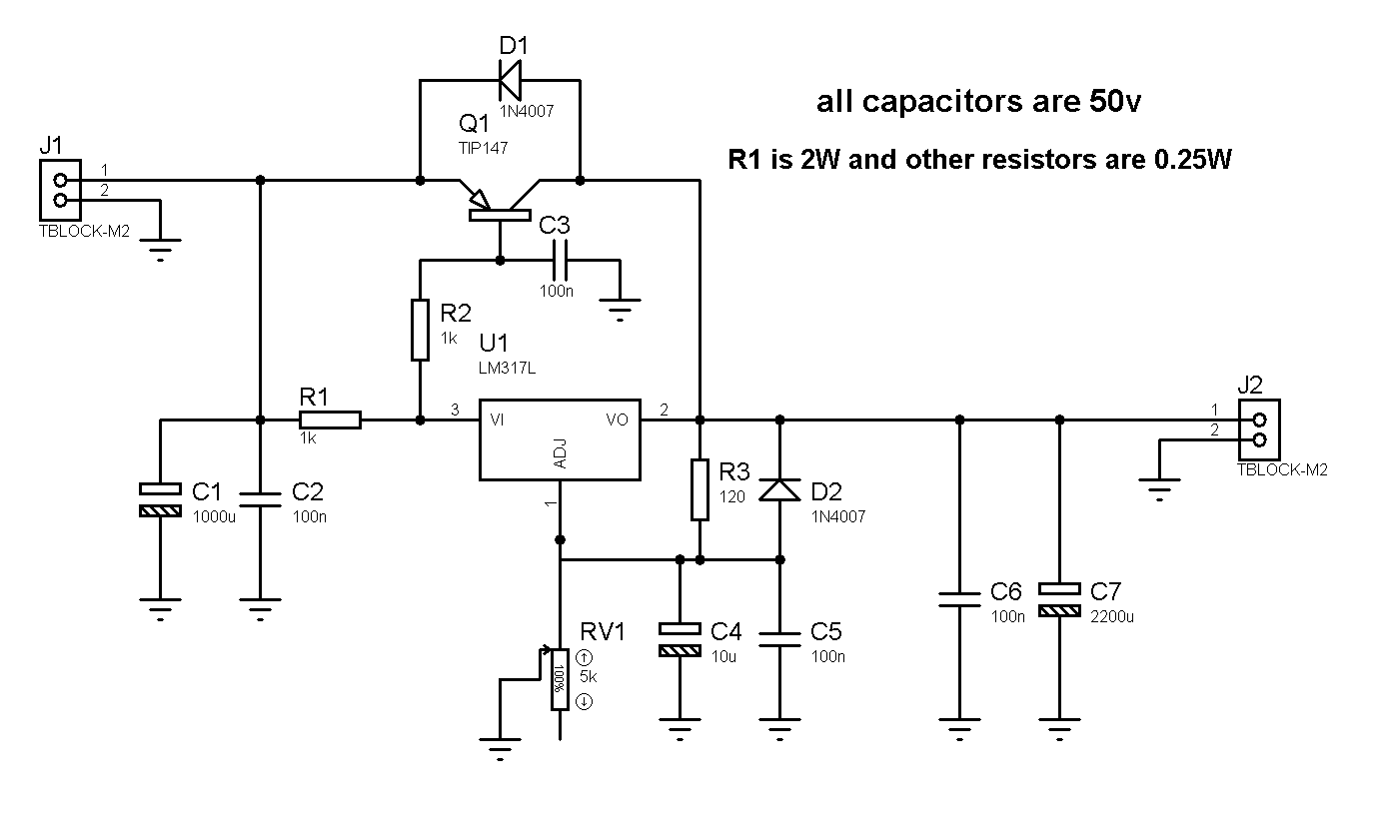
(2) Power supply circuit: responsible for providing positive and negative power to the operational amplifier and power to the system, which is the basis for ensuring the normal operation of the circuit;
(3) Microcontroller circuit: provides the control core for the system, responsible for the acquisition, processing and output of input signals;
(4) Human-computer interaction circuit: used to control the functions of the oscilloscope, including buttons, knobs, LEDs, display screen and other input and output interfaces, providing the foundation for the development of oscilloscope functions.
The design and working principle of an excellent digital oscilloscope are very complex, including many details and technical contents. The various circuits cooperate with each other to enable the digital oscilloscope to accurately acquire, store and display the waveform of the input signal.
The design goal of the software part is
to display the waveform on a 1.8-inch TFT screen;
support the zooming in and out of the waveform through the knob;
support the pause of the waveform display;
support the output of 1K, 2K and 4K square wave signals, which can be detected by its own input and displayed on the oscilloscope;
support the adjustment of the duty cycle through the button
to support frequency measurement;








 京公网安备 11010802033920号


 K7N161801-QC20