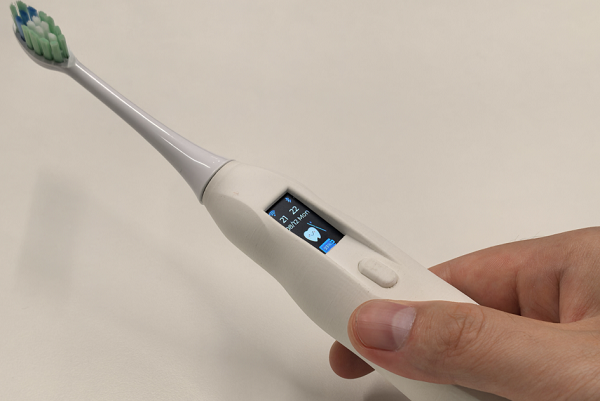
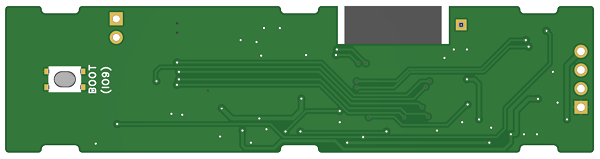
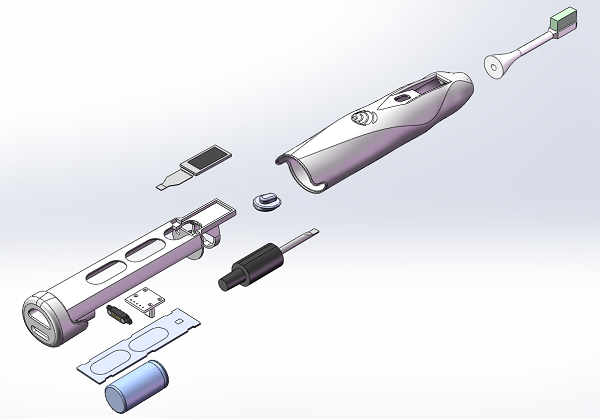
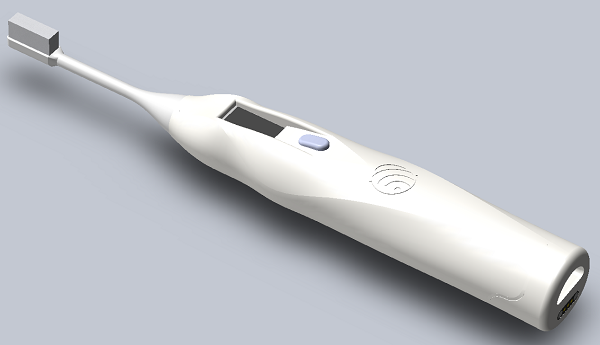
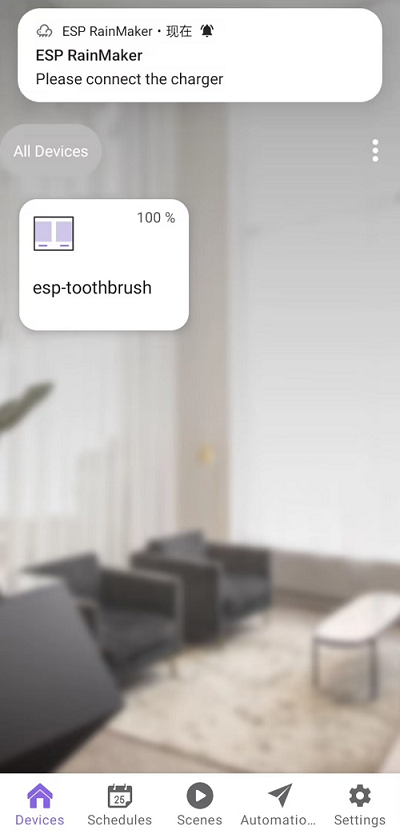
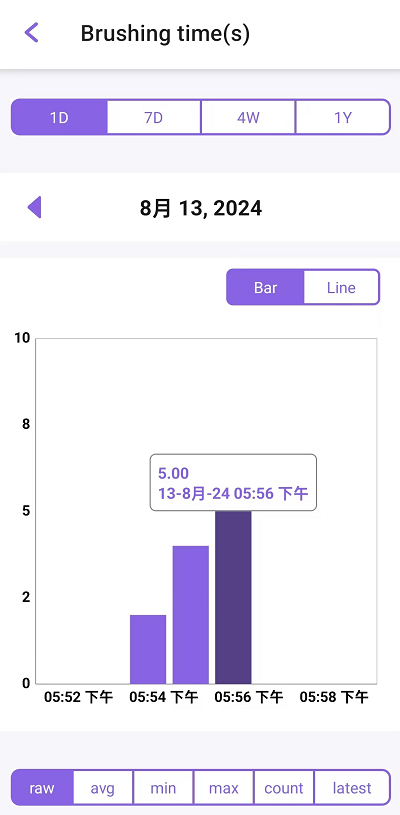
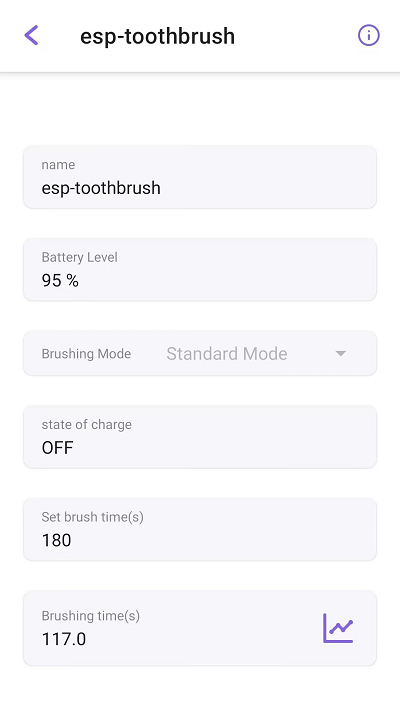
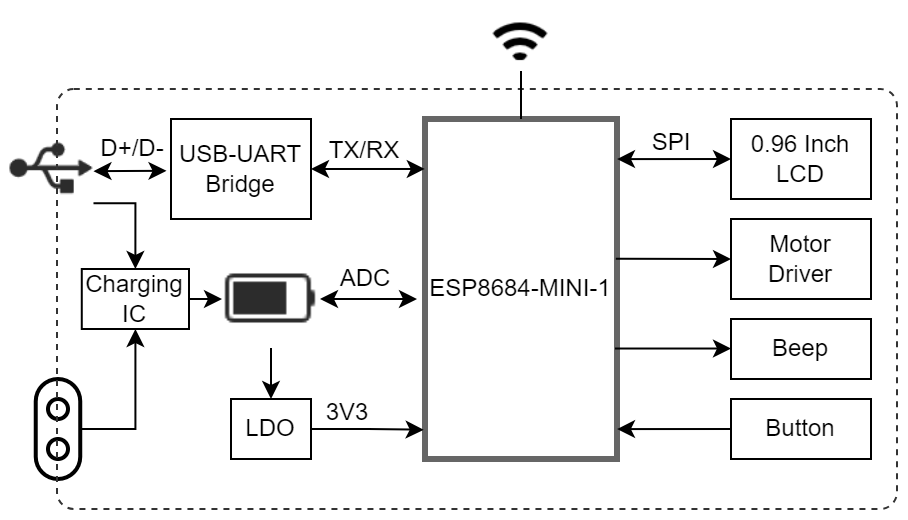
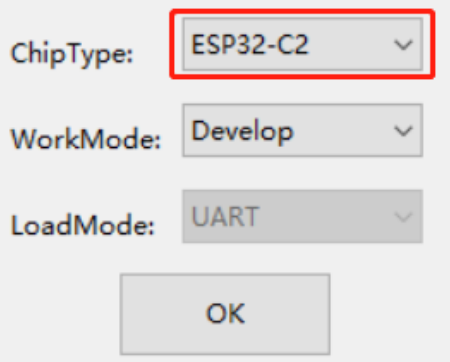
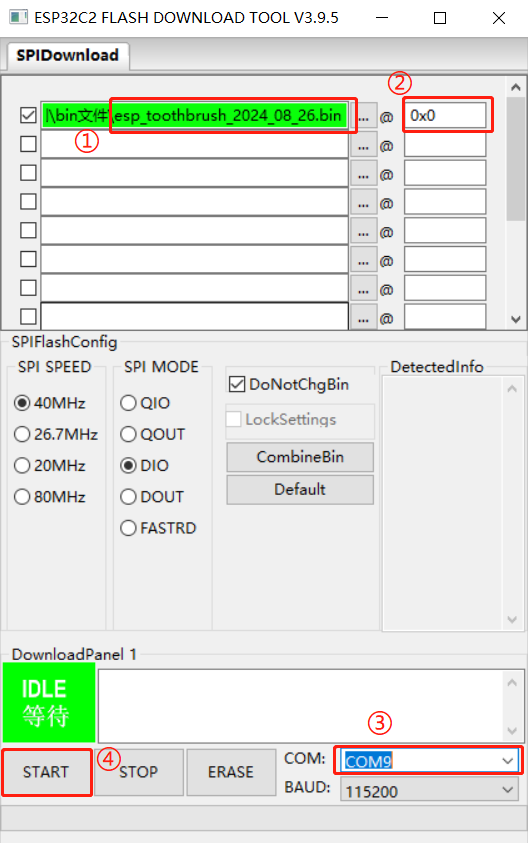
 [Image 19] [Image 10] [Image 11] [Image 12] [Image 11] [Image 12] [Image 13] [Image 14] [Image 15] [Image 16] [Image 17] [Image 18] [ Image 19] [Image 19] [Image 12] [Image 19] [Image 11] [Image 12] [Image 19] [Image 11] [Image 12] [Image 13] [Image 14] [Image 15] [Image 16] [Image 17] [Image 18] [Image 19] [Image 19] [Image 11] [Image 19] [Image 12] [Image 19] [Image 11] [Image 12] [Image 19] [Image ESP RainMaker Interface ESP RainMaker is a lightweight IoT cloud computing software deeply integrated with Amazon Web Services' serverless architecture. Based on this serverless architecture, ESP RainMaker offers significant flexibility in data storage and transmission capabilities, dynamically allocating tasks to cloud servers based on actual data traffic, effectively reducing the pressure on the cloud for data storage. For more information about ESP RainMaker, please refer to ESP RainMaker. Using ESP RainMaker, you can achieve the following interface effects: The following are the low battery warning pop-up and main page effects created using RainMaker. The following is the brushing time recording information. The following is the ESP Toothbrush control interface. Video Demonstration ESP-Toothbrush | DIY an ESP32-C2 Smart Electric Toothbrush Making this wasn't easy, so please watch, like, and share! Project Function Description Press and hold the button on the toothbrush to turn it on or off. The device features a 0.96-inch LCD screen with display capabilities and supports various display animations. The device offers four different brushing modes, selectable by double-clicking the button on the brushing interface. Once connected to the internet, the ESP-ToothBrush's brushing mode, duration, and device name can be controlled via ESP RainMaker. The ESP-ToothBrush also synchronizes with the current time. Battery information is uploaded to the ESP RainMaker app; a low battery warning will appear when the battery level drops below 20%. After brushing, the time is recorded in ESP RainMaker, and brushing time and duration data are compiled for one month. The hardware circuit design utilizes a TP4056 chip for battery management, enabling charging while preventing overcharging and over-discharging, and providing reverse connection protection. The CHRG pin of the charging chip is pulled up by a 10K resistor. When the battery is charging, the CHRG pin is low; otherwise, it is high. The CHRG pin is connected to GPIO5 of the ESP32-C2 chip, and the battery charging status can be identified by detecting the level of this pin. Since the maximum range of the ESP32-C2 ADC is 0-3.3V, while the voltage of an 18350 lithium battery can reach up to 4.2V, exceeding 3.3V, two equal-value resistors are used to divide the battery voltage. The battery voltage is then obtained through the ESP32-C2 ADC (GPIO4 corresponds to channel 4). Multiplying the measured voltage value by 2 gives the actual battery voltage, thus enabling battery level monitoring. The HE9073A33M5R LDO chip, with a wide input voltage range, is used for voltage regulation to stabilize the lithium battery voltage to 3.3V, powering the chip and other peripherals. The TC118S DC motor driver chip drives the ultrasonic vibration motor, offering advantages such as low power consumption and low cost. A passive buzzer provides audible alerts. The CP2102N USB-to-UART chip facilitates programming and debugging via the USB Type-C port. Power Options: The ESP-ToothBrush can be powered in either of the following ways: 18350 lithium battery (default power supply, recommended); or via the ESP32-C2's USB port, simultaneously charging the 18350 lithium battery. Software Version Information: ESP-IDF RainMaker chip Flash release/v5.2 1.3.0 ESP32-C2 (ESP8684-MINI-1) 4 MB. Program Download : Download the program from Espressif Systems' official website - Support - Related Downloads - Tools - Flash Download Tool . After downloading, extract the files and find flash_download_tool_3.9.7.exe. Double-click it. Then select ESP32-C2. Open the software and directly burn the esp_toothbrush_2024_08_26.bin file from the attachment into address 0x0. The steps are as follows. Additional Bill of Materials (BOM ) : 3.7V SL18350 Flat Head 850 mAh Lithium Battery, 0.96-inch TFT LCD Ultrasonic Electric Toothbrush Motor, Magnetic Connector, Spring Pin Male/Female Socket, Gold-plated Charging Contacts, Pogo Pin Probe, Pogo Pin Surface Mount, TC118S SOP-8 Single Channel DC Motor Driver IC Chip, FFC/FPC Connector, 0.5MM Bottom Connector Vertical TYPE-C Female Adapter Board, 14P to 2.54 5P Straight-Through Circuit Board, Compatible with Fupai Electric Toothbrush Head Replacement, Universal Revision Notes. Version Revision Notes V1.1 : Added lithium battery overcharge and over-discharge protection circuit.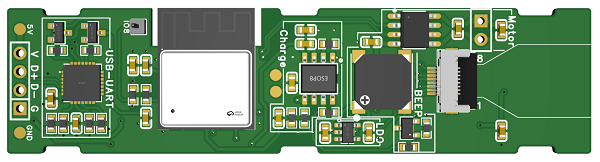

All reference designs on this site are sourced from major semiconductor manufacturers or collected online for learning and research. The copyright belongs to the semiconductor manufacturer or the original author. If you believe that the reference design of this site infringes upon your relevant rights and interests, please send us a rights notice. As a neutral platform service provider, we will take measures to delete the relevant content in accordance with relevant laws after receiving the relevant notice from the rights holder. Please send relevant notifications to email: bbs_service@eeworld.com.cn.
It is your responsibility to test the circuit yourself and determine its suitability for you. EEWorld will not be liable for direct, indirect, special, incidental, consequential or punitive damages arising from any cause or anything connected to any reference design used.
Supported by EEWorld Datasheet
EEWorld
subscription
account

EEWorld
service
account

Automotive
development
community

Robot
development
community

About Us Customer Service Contact Information Datasheet Sitemap LatestNews



Room 1530, 15th Floor, Building B,
No.18 Zhongguancun Street,
Haidian District,
Beijing, Postal Code: 100190
China
Telephone: 008610 8235 0740
 京公网安备 11010802033920号


 DCMC100U6R3AA0DP



