Project Description:
This project aims to develop a semiconductor-cooled refrigerator that uses semiconductor materials and electronics to achieve a cooling effect.
Principle:
The core of the semiconductor-cooled refrigerator is the Peltier effect in semiconductor materials. The Peltier effect is a thermoelectric effect that utilizes the property of semiconductor materials to absorb or release heat when an electric current passes through them to achieve a cooling effect. This effect relies on the contact between two different types of conductive semiconductor materials, typically N-type and P-type semiconductors.
Features
: Portability is one of the key features of this project. Compared to traditional compression refrigerators, semiconductor-cooled refrigerators are lighter, smaller, and easier to carry. Due to the principle of semiconductor chips, these refrigerators do not require complex mechanical parts such as compressors and condensers, making them lighter and more durable. They
are more suitable for personal outdoor camping, student dormitories, street vending, and other similar scenarios.
Disadvantages:
The energy efficiency of semiconductor-cooled refrigerators is highly dependent on ambient temperature. In high-temperature environments, semiconductor cooling technology may not perform as well as traditional refrigerators because it requires more electrical energy to maintain the low temperature. This can be a challenge under certain climatic conditions.
Open Source License
: Follows the MIT open source license.
Project Functionality
: Core Functionality: Up to 60W cooling, achieving a cooling effect 15-25 degrees Celsius lower than the ambient temperature.
Interactive functions: 1) Implement heating and cooling switching
2) Implement constant temperature control
Additional functions: Communication function is under development......
Project attributes
This project is being disclosed for the first time and is my original project. The project has not won any awards in other competitions.
Project progress
2023.10.14
(1) The first version of the voltage regulation scheme control board based on TPS40057 was completed and electrical attribute verification began.
(2) The program began planning the framework.
(3) After verification, it was confirmed that heat dissipation needs to be strengthened to ensure cooling efficiency.
2023.11.2
(1) Optimize the hardware, optimize the high current voltage regulation circuit based on the domestic voltage regulator chip XL4019. This chip has the characteristics of simpler peripheral circuit design and lower cost.
(2) The software is initially completed.
(3) Prepare to design the product shell and assemble the product for testing.
2023.11.11
(1) The product shell design is completed. The upper and lower shells are not yet divided. The divided shells will be uploaded later.
(2) The hardware function verification is successful. Start building the engineering machine.
(3) The software progress is nearly 20%. Prepare to debug and test after the hardware is completed.
2024.6.28
(1) Test prototype setup completed.
2024.7.10
(1) Finished prototype setup and operation completed, some details to be optimized.
2024.7.12
(1) Complete program uploaded.
Design principle
The core component is a semiconductor cooling chip, which achieves the cooling effect by applying voltage to both ends to generate the Seebeck effect.
Software description
The RTT operating system is used to implement thread parallel tasks, and a detailed tutorial will be updated later.
The program has been uploaded!
Physical display
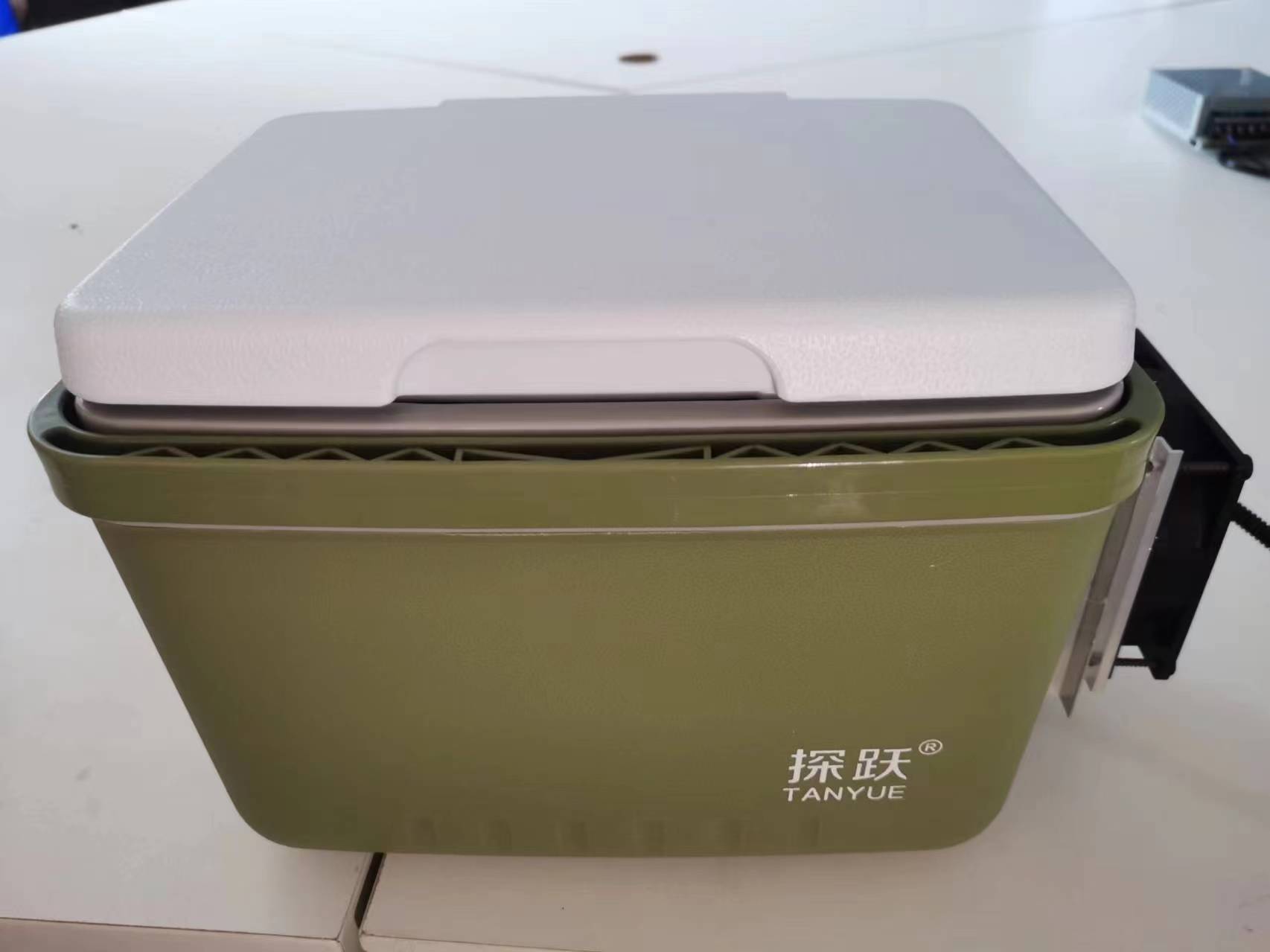
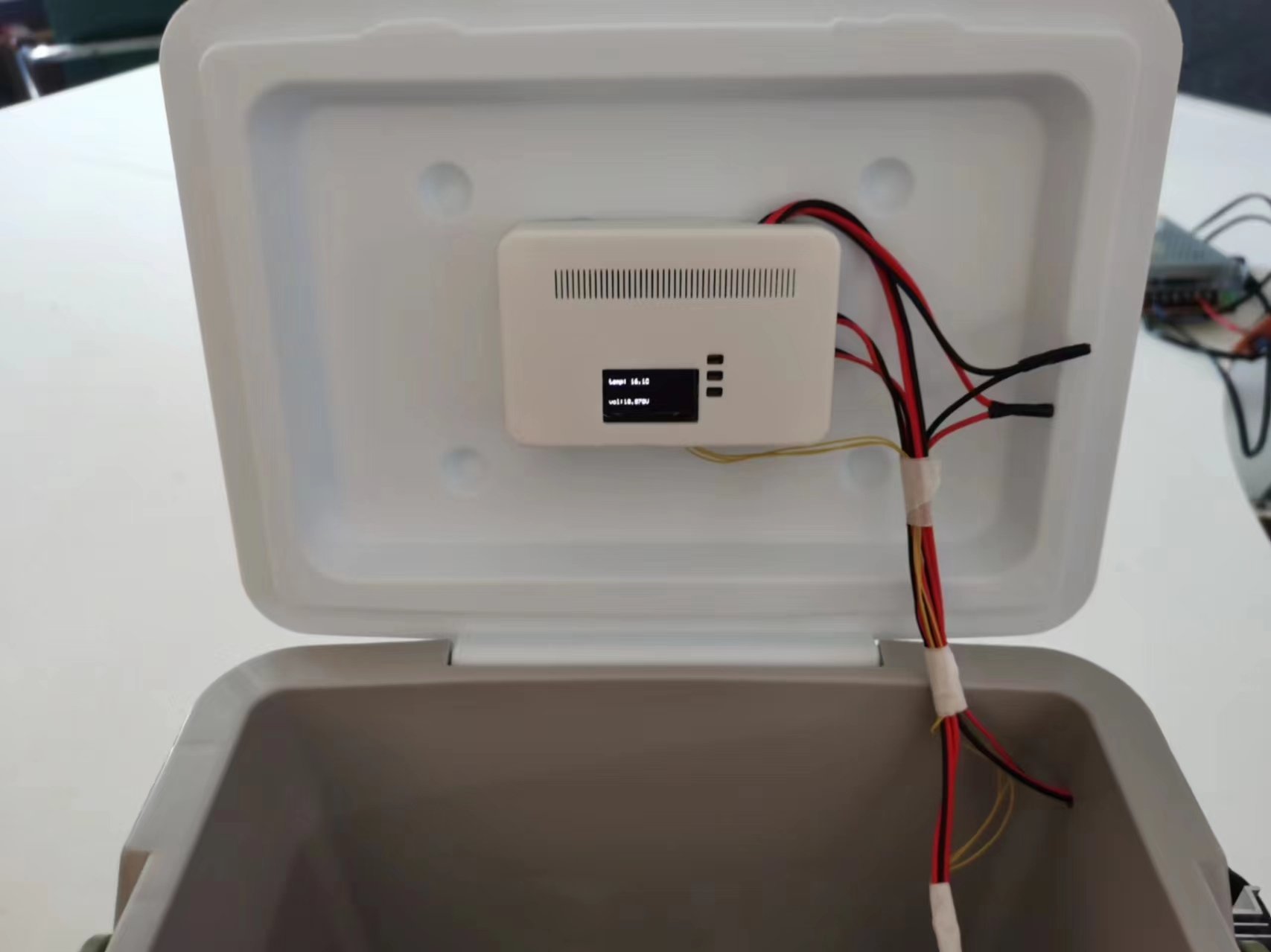
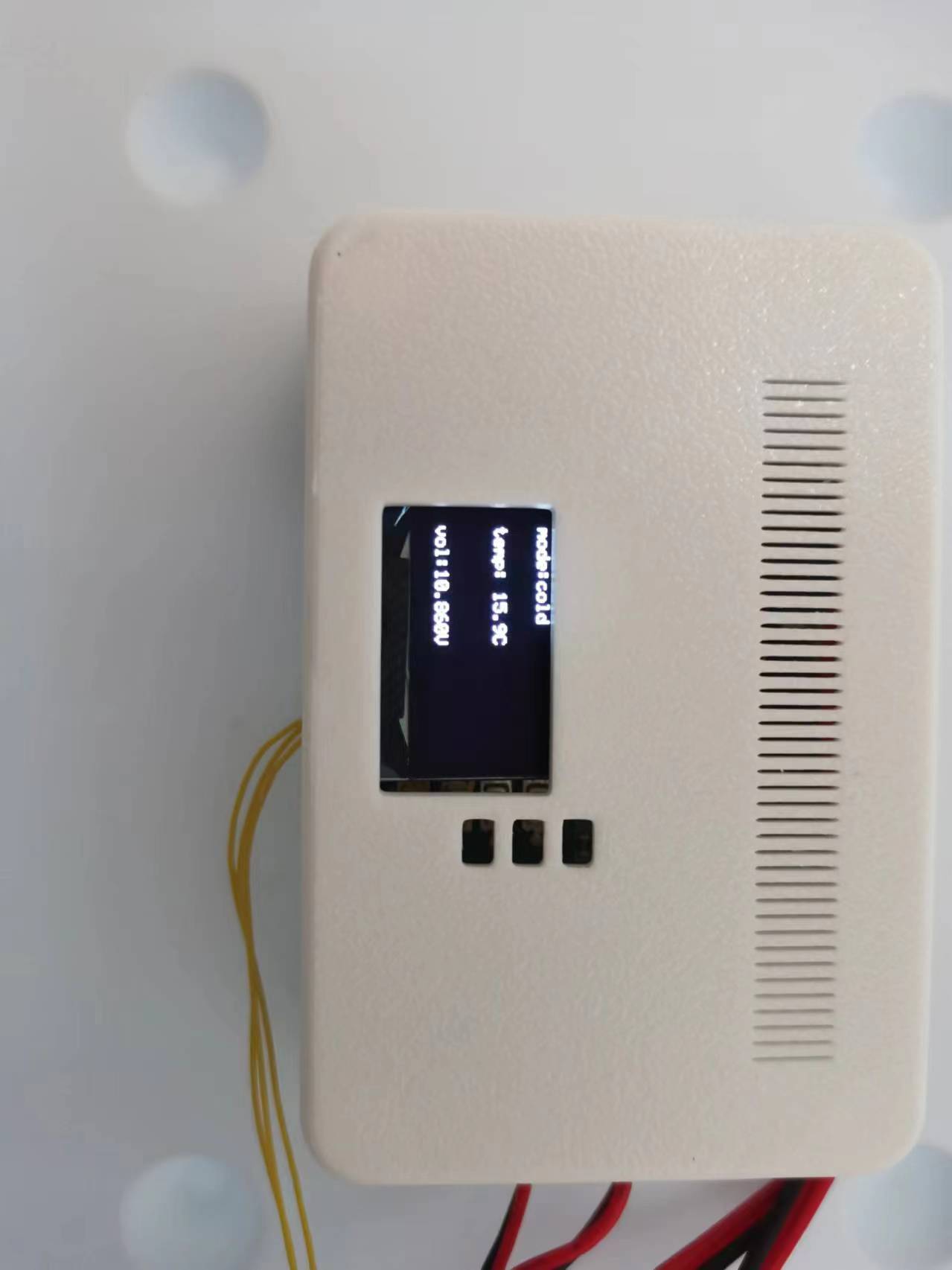
Design precautions
1. For high current design, the current linewidth, current loop and whether to isolate the power supply need to be considered.
2. Semiconductor heat dissipation should be sufficient, otherwise the cooling efficiency will be affected.
Other
official versions of PCR01 are under production
(1) The appearance will be optimized
(2) It can be directly plugged into 220V or 12V typec, both can be used
(3) Better interactive interface
PCR01_V2.0 is officially launched.
PCB1 in the file is version V1.0 and has some fundamental issues. PCB2 also has some issues that need to be optimized. We will issue a notification once these issues are resolved. Please do not rush to build your boards.








 京公网安备 11010802033920号


 CVT-DINAV1CD04X



