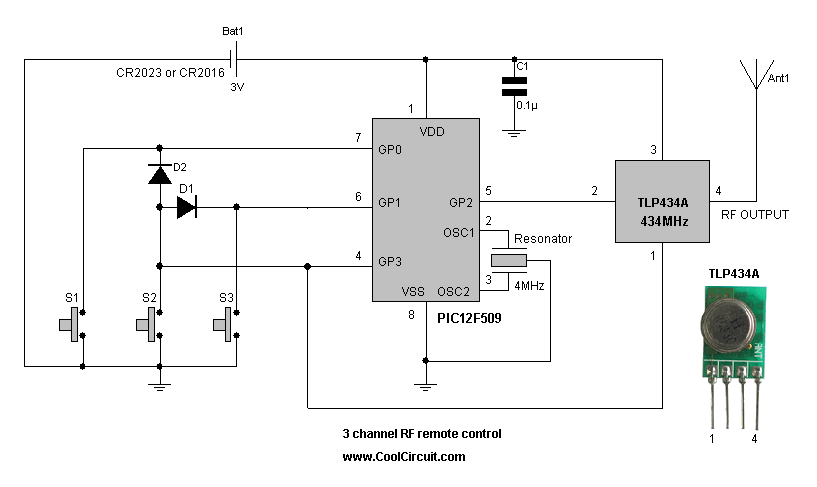
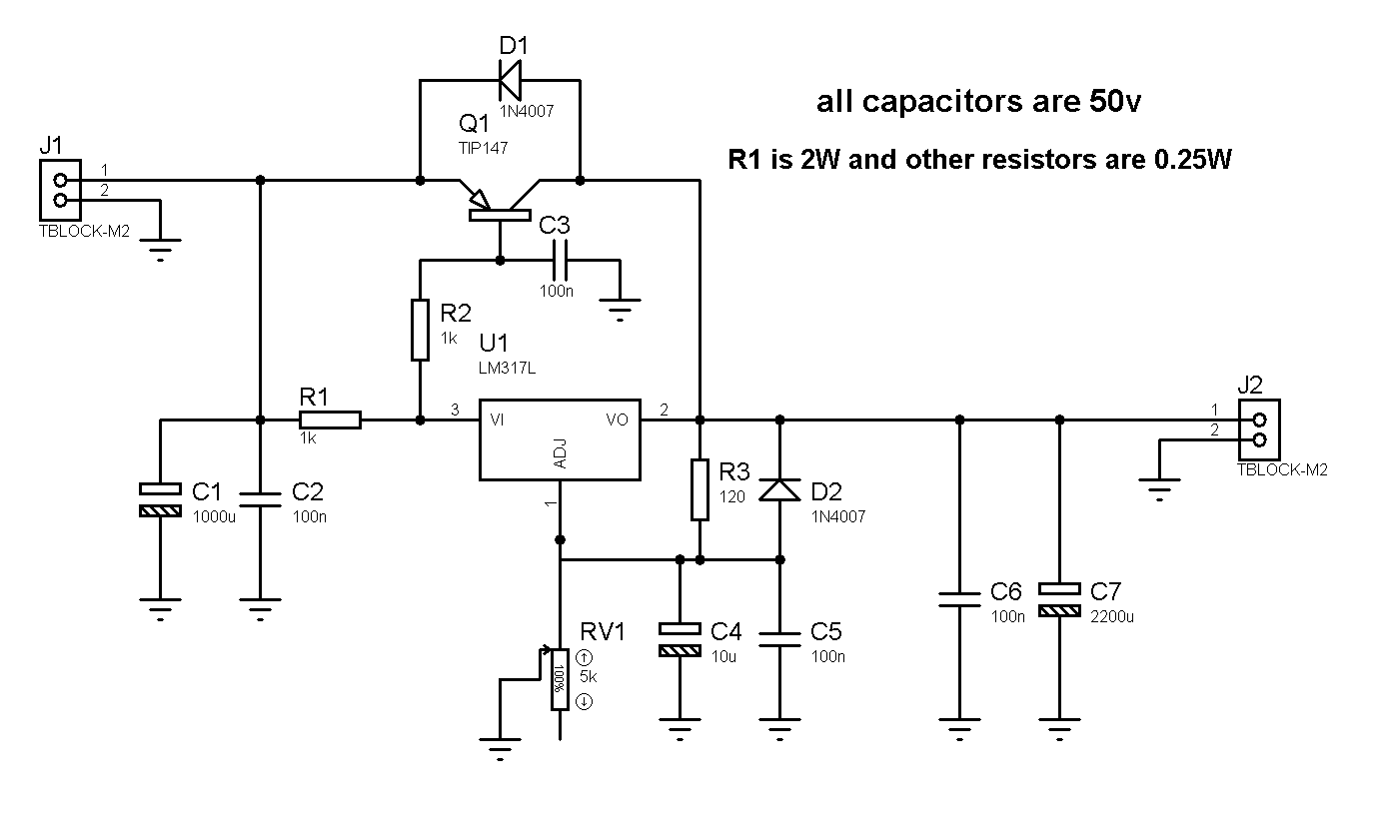
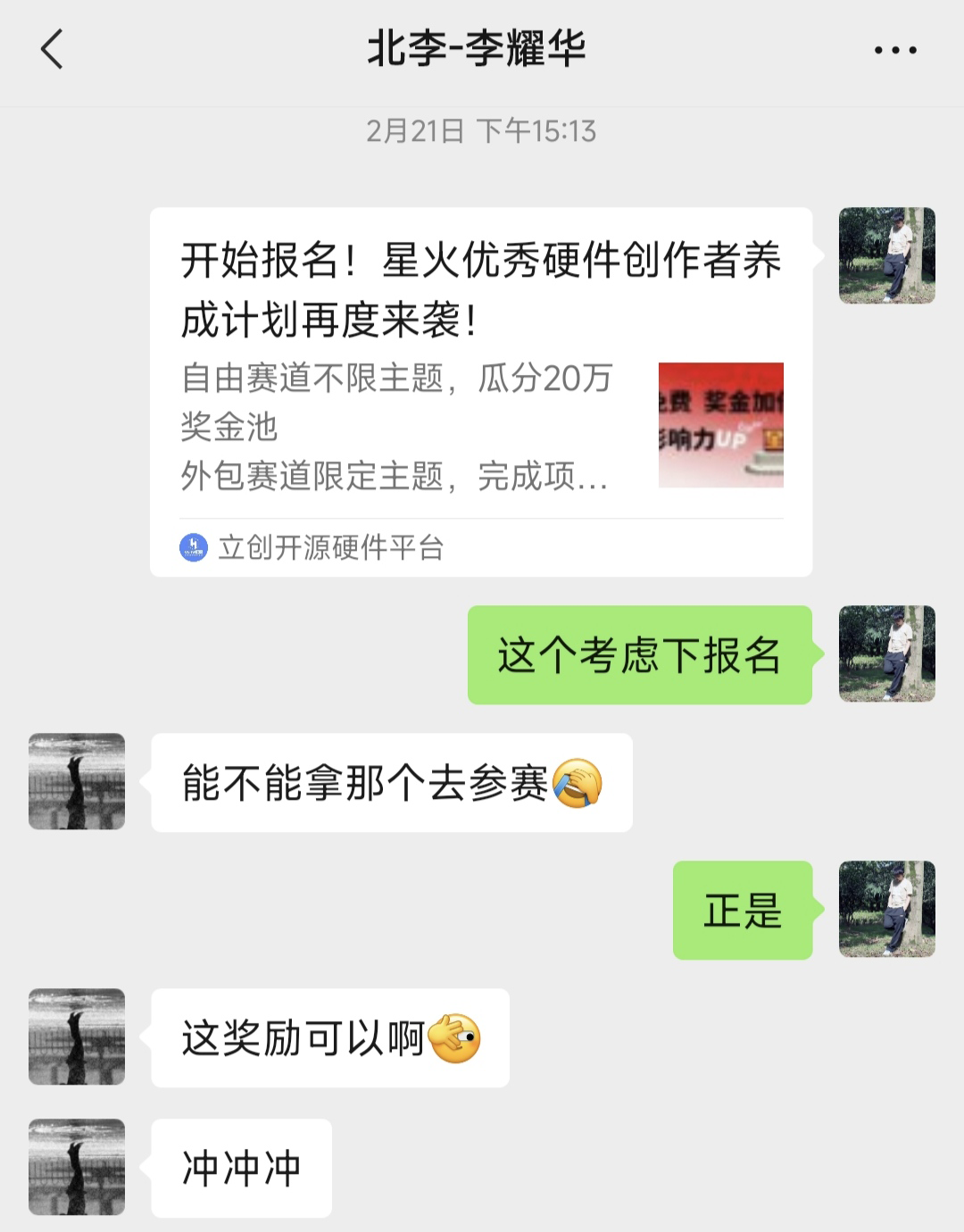
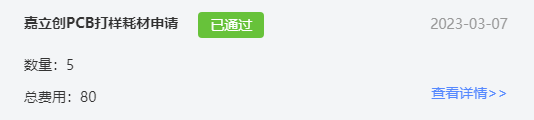
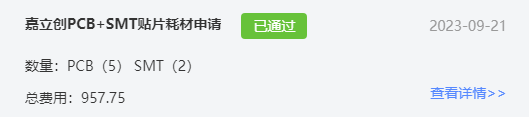
 I should be considered one of the earliest developers to work with domestic RISC-V chips (Allwinner D1), so I have a good relationship with the Allwinner team. With the fearless spirit of soldering the main control chip myself and the thrifty spirit of using millet and rifles, I successfully applied for the first PCB and materials in the Spark Program:
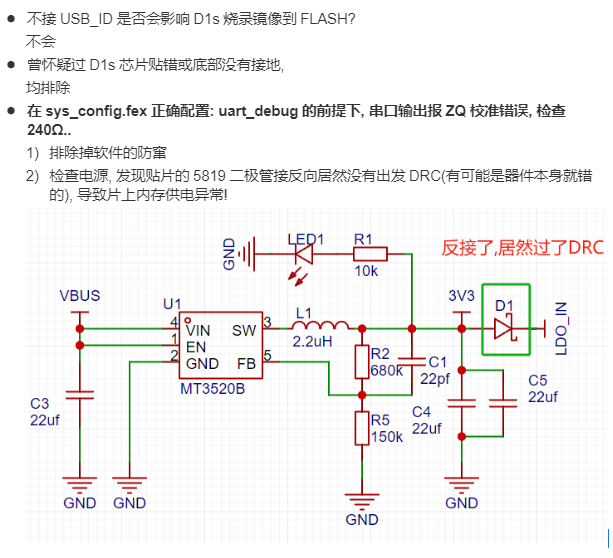
  However... I did overestimate the difficulty of soldering the eQFP chip, but after soldering, I found that there were still some minor structural problems. After summarizing the various problems, we started the design of the third version of the PCB. During this period, there were many big and small things, but at the same time, LCSC's SMT component library continued to grow. In the second half of the year, I found that Allwinner D1s had been listed in LCSC's SMT component library! (PS: Allwinner is also in Zhuhai).
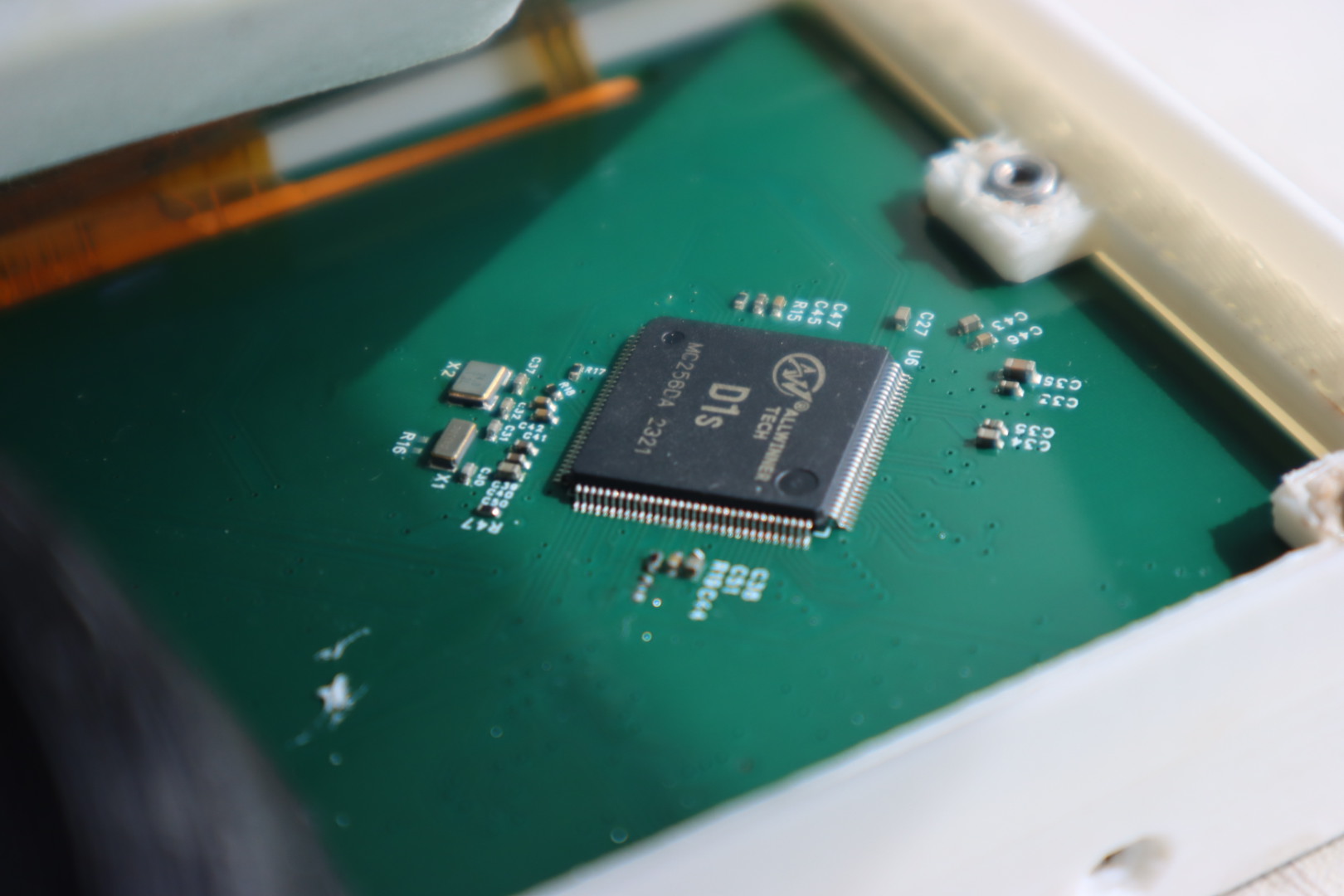
 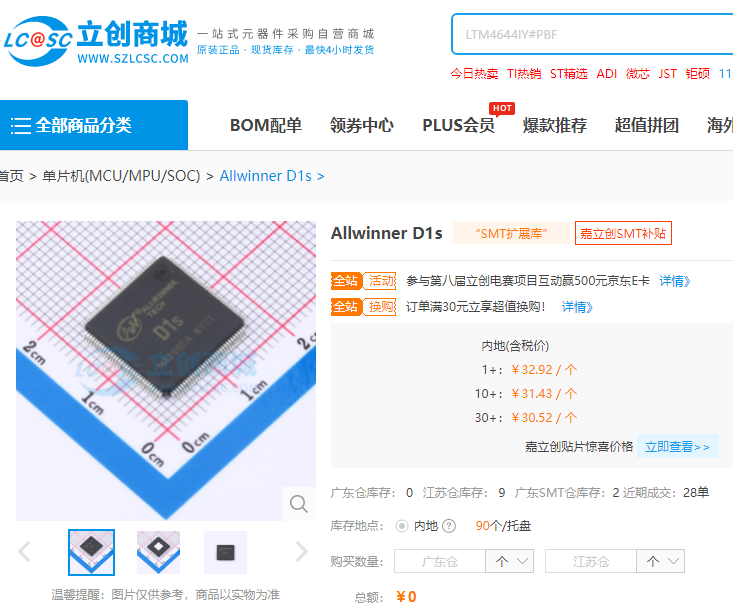 After the previous setback, This time, I decisively applied for JLCPCB's SMT (Surface Mount Technology). I also want to thank the Spark Program for allowing me to max out the process:
  "It's really good!" To be
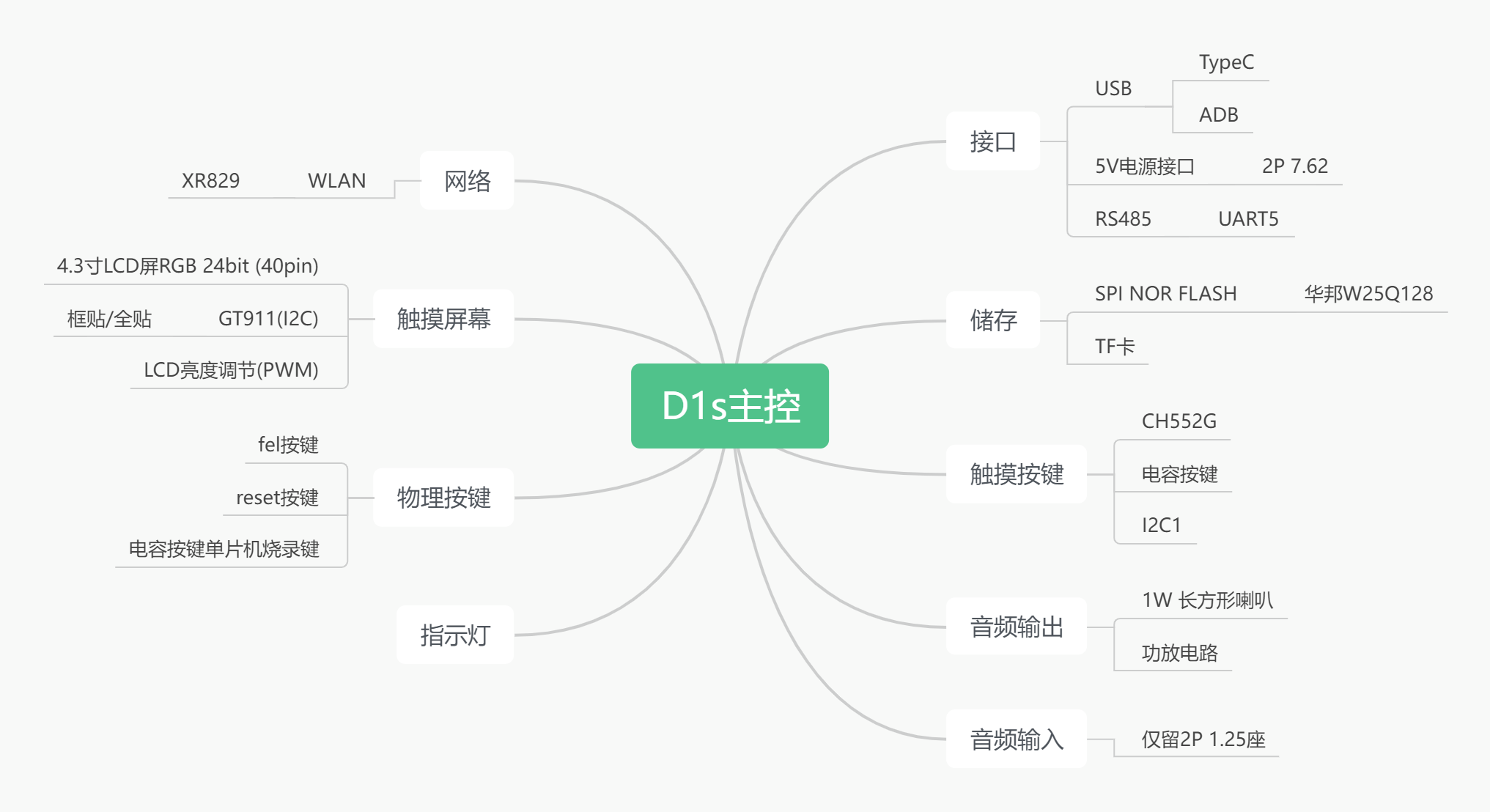
  Design principles
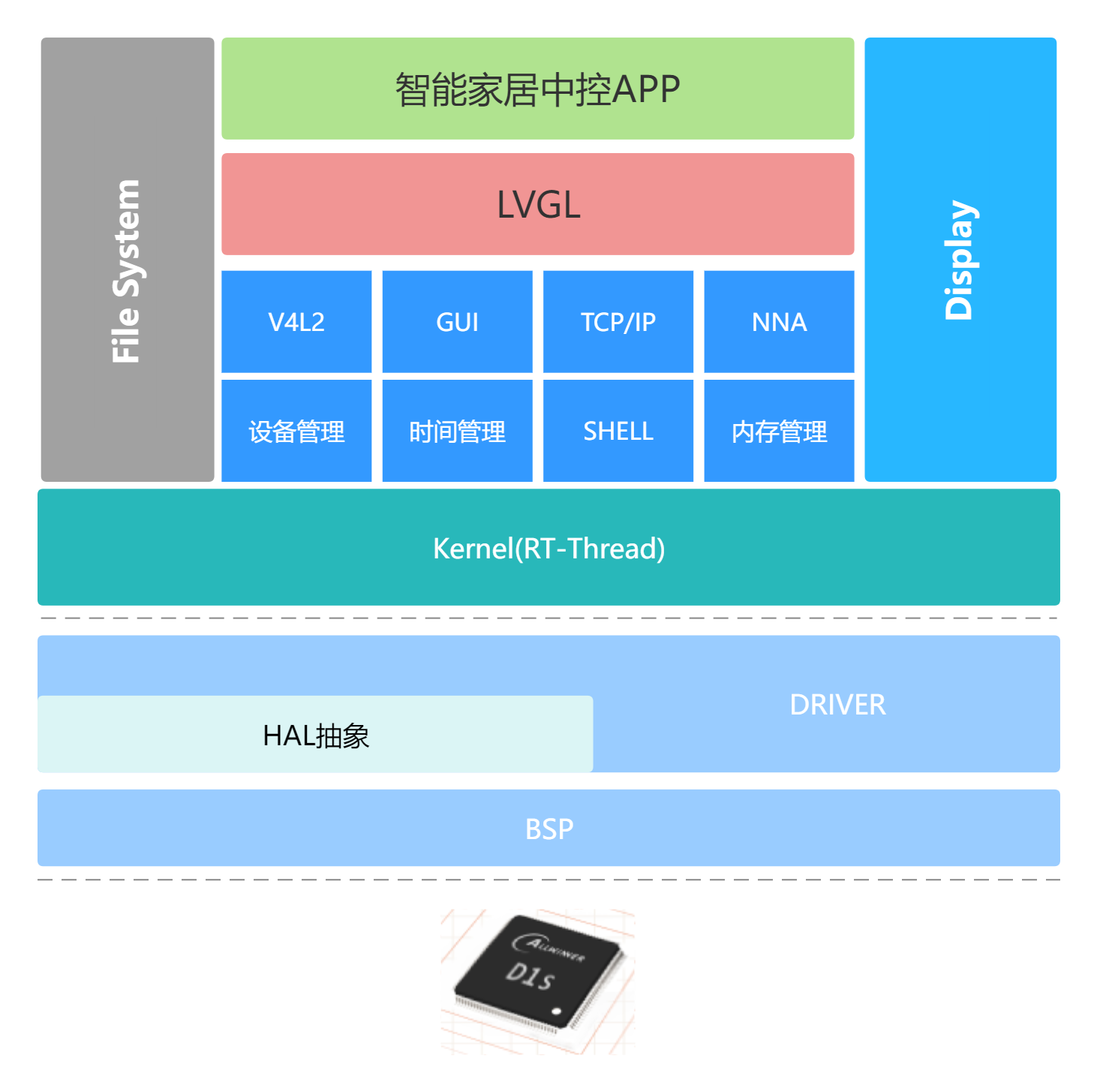
  Software Description:
  :
: 
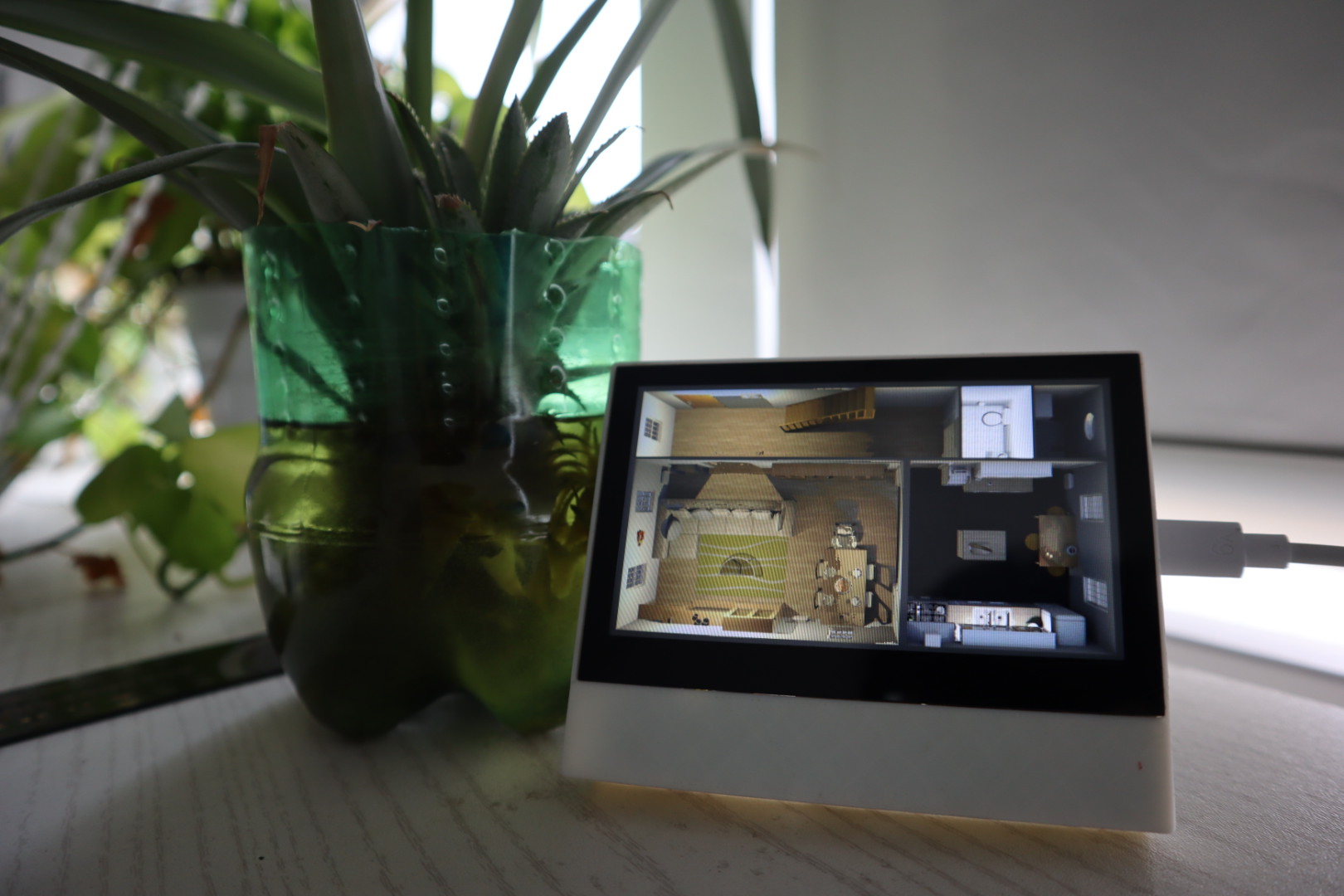
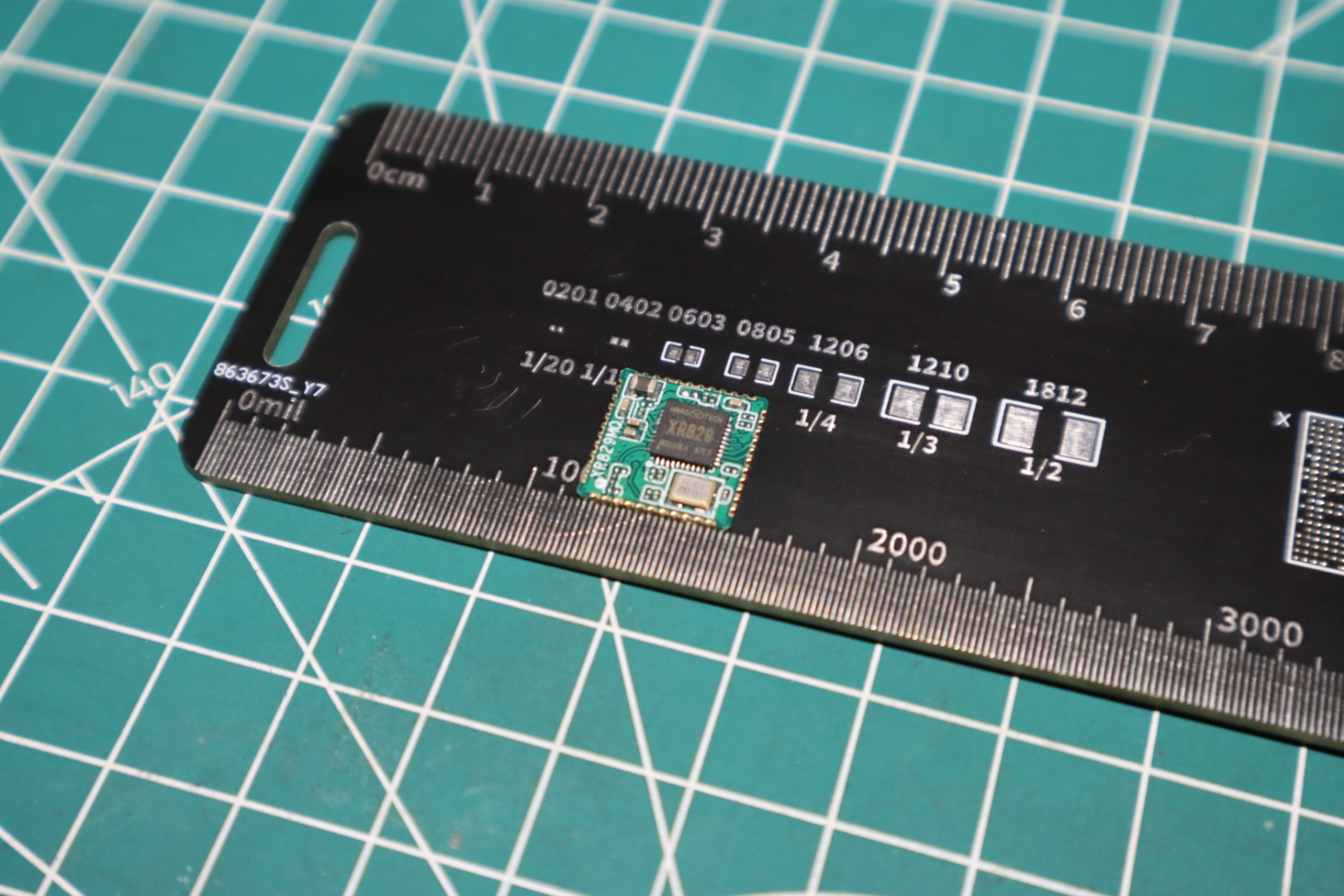
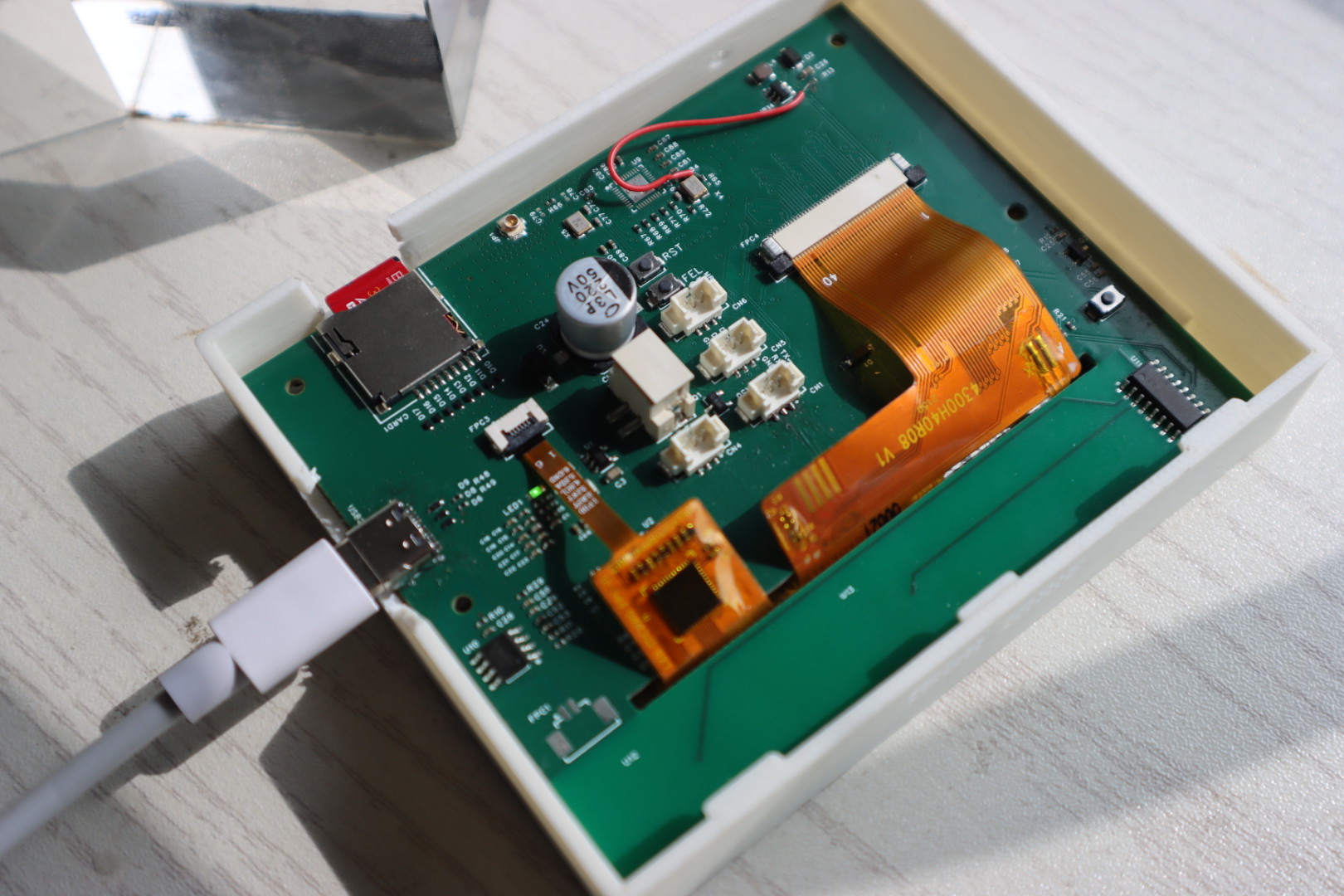 equipped with XR829 wifi+ble integrated module: (The project currently uses the chip instead of the module, and plans to switch later)
  References
All reference designs on this site are sourced from major semiconductor manufacturers or collected online for learning and research. The copyright belongs to the semiconductor manufacturer or the original author. If you believe that the reference design of this site infringes upon your relevant rights and interests, please send us a rights notice. As a neutral platform service provider, we will take measures to delete the relevant content in accordance with relevant laws after receiving the relevant notice from the rights holder. Please send relevant notifications to email: bbs_service@eeworld.com.cn.
It is your responsibility to test the circuit yourself and determine its suitability for you. EEWorld will not be liable for direct, indirect, special, incidental, consequential or punitive damages arising from any cause or anything connected to any reference design used.
Supported by EEWorld Datasheet
EEWorld
subscription
account

EEWorld
service
account

Automotive
development
community

Robot
development
community

About Us Customer Service Contact Information Datasheet Sitemap LatestNews



Room 1530, 15th Floor, Building B,
No.18 Zhongguancun Street,
Haidian District,
Beijing, Postal Code: 100190
China
Telephone: 008610 8235 0740
 京公网安备 11010802033920号


 NTE2944