CPjSKK

ESP32-based universal remote control

 
Overview
Project Description:
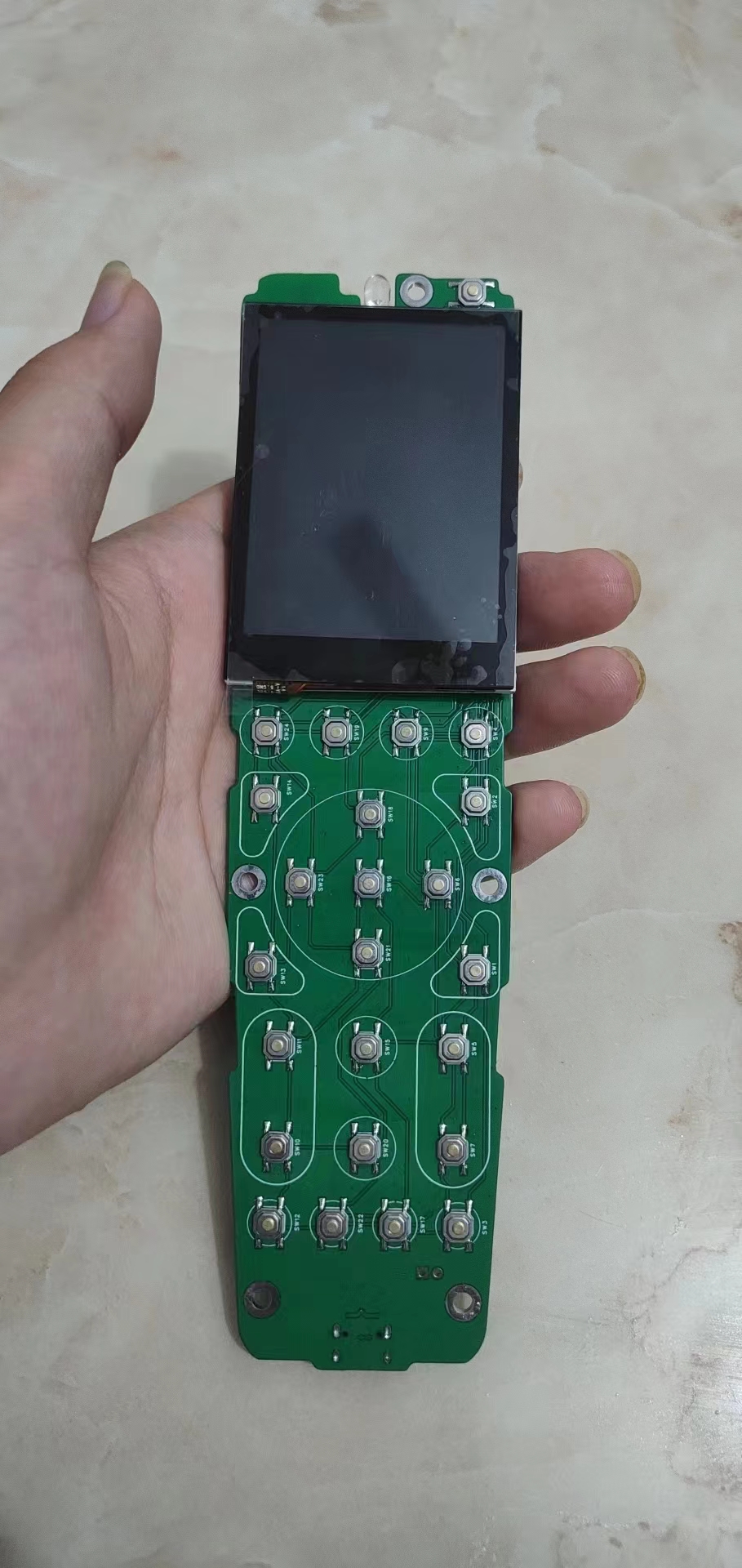
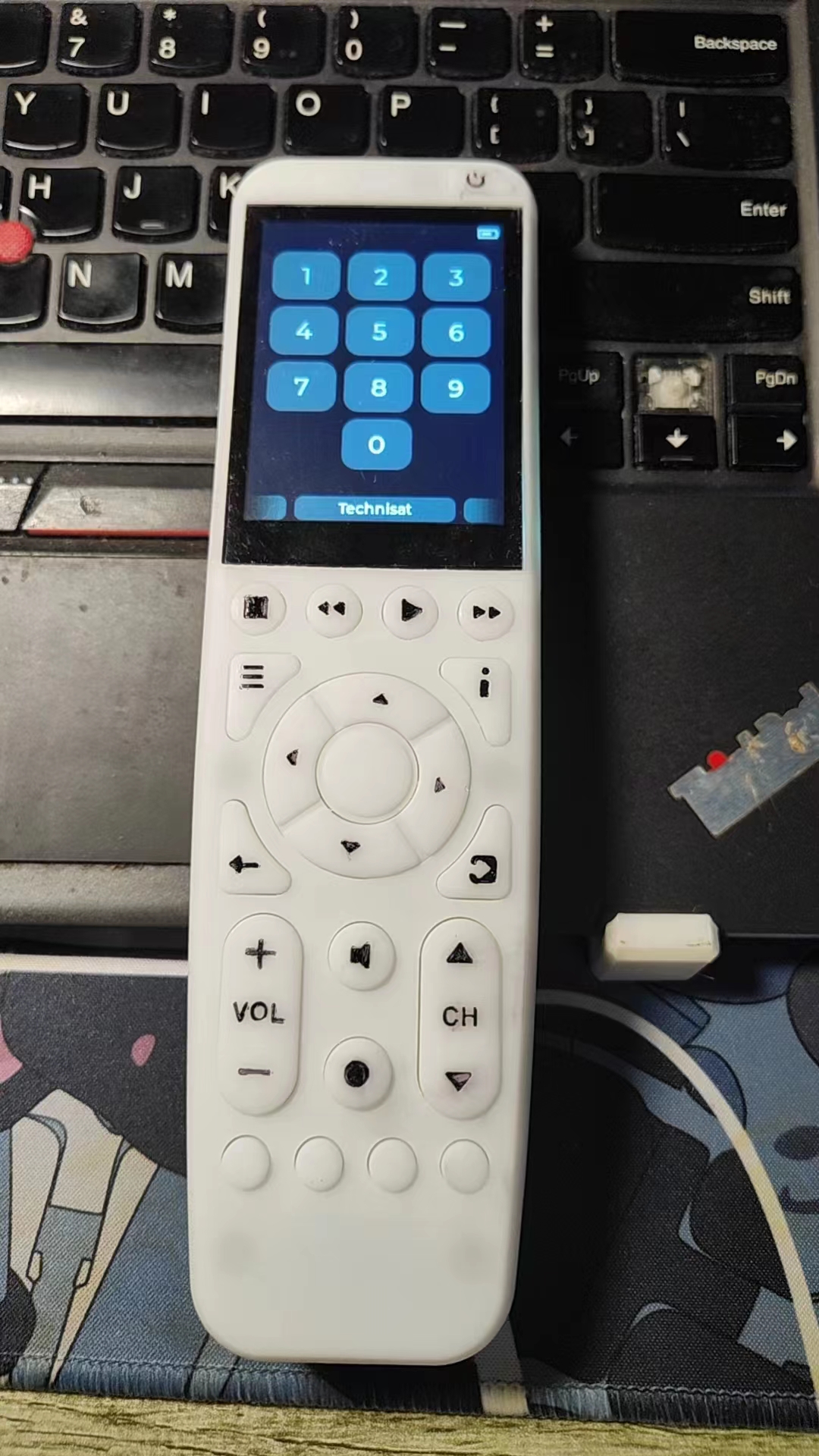
The ultimate goal of this project is to create a customizable universal remote control with a touchscreen. Unfortunately, the current UI and infrared codes are hardcoded. If anyone is interested, please join the development.
 
Open Source License:
GPL 3.0.
 
Project Features:

Beautiful touchscreen UI rendered with LVGL;
Modifiable infrared codes (modified source code) .

 
Project attributes
replicated and slightly modified. All materials are currently available in China.
Original open source address:

https://hackaday.io/project/191752-omote-diy-universal-remote
https://github.com/CoretechR/OMOTE

 
Project progress
: Completed. Download the latest source code directly from the GitHub links above .
 
Design Principles : Main

controller
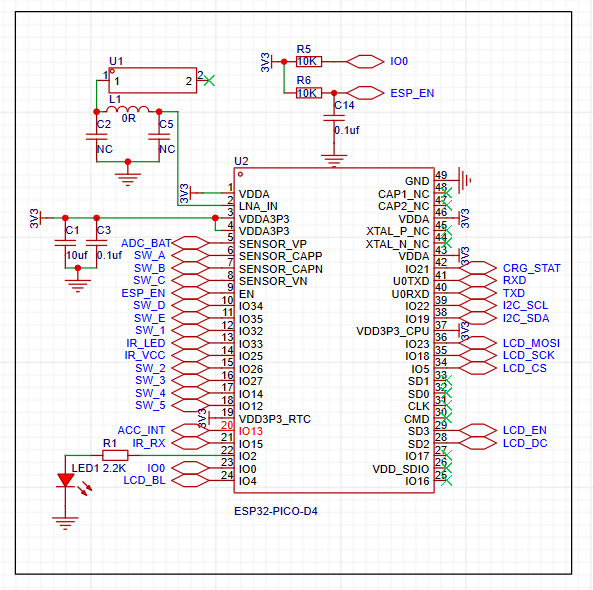
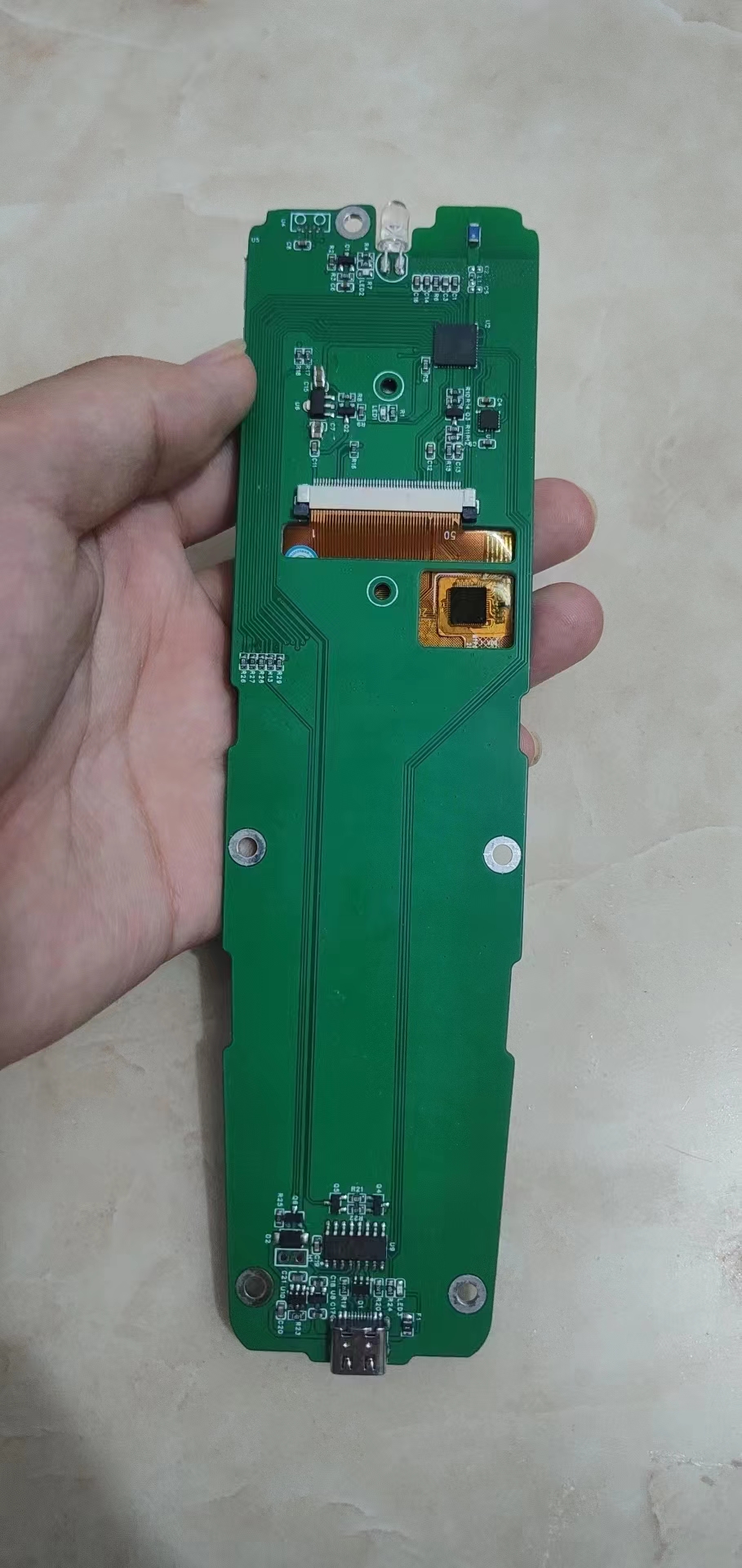
uses ESP32-PICO-D4; the peripheral circuit is very, very simple. The drawback is the difficulty in soldering


the interfaces.

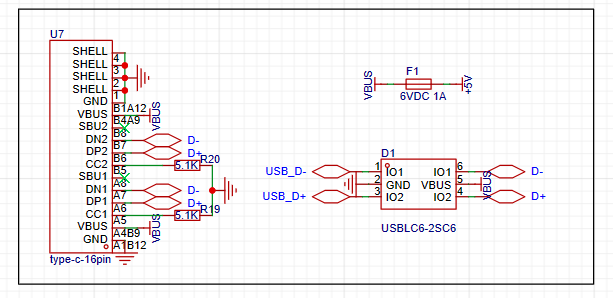
It uses a Type-C interface and is equipped with a self-resetting fuse and ESD protection.
 

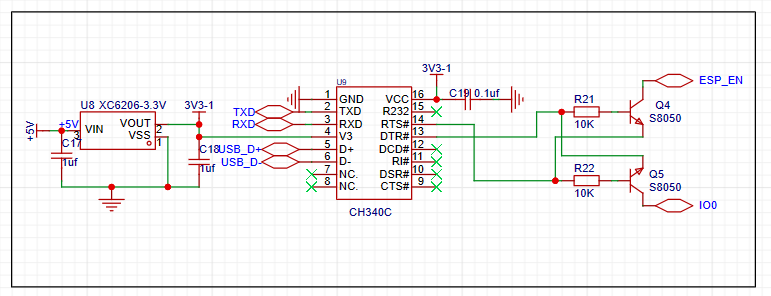
USB to TTL and automatic download circuit. The CH340C is used as the serial-to-USB chip, with a dedicated power

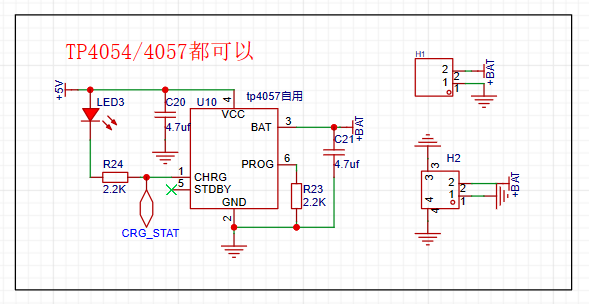
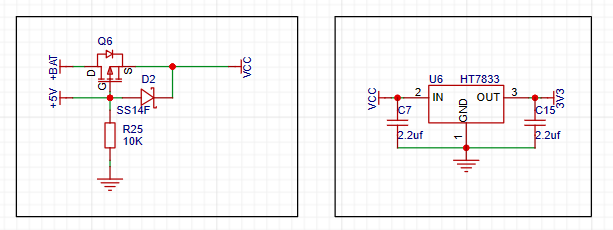
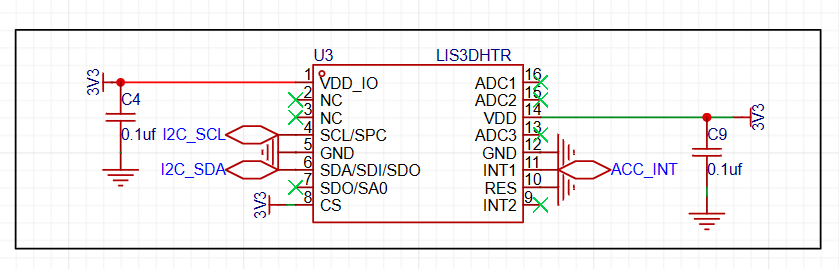
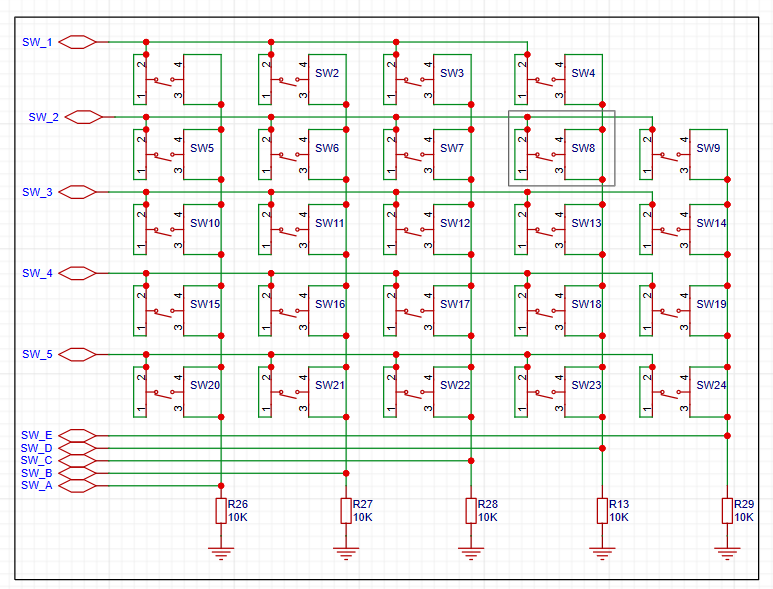
supply from the SC6206 to avoid leakage issues when using battery power . A TP4054/4057 is used to charge the lithium battery, with its CHRG pin connected to an ESP32 I/O pin to determine if power is plugged in. A classic P-MOS + diode combination is used for switching between USB direct power and battery power. The LDO uses an HT7833 with a quiescent current as low as 1µA to power the subsequent ICs. It is recommended to increase the capacitance and add multiple capacitors in parallel. The three-axis gyroscope is a STMicroelectronics LIS3DHTR, used for the remote control's pick-up wake-up button. The button uses a matrix scanning method . Software instructions : Install VS Code and the PlatformIO plugin, configure the ESP32 environment, import the project, and directly import the code from GitHub. Physical demonstration design considerations: The ESP32-PICO-D4 is relatively difficult to solder; a hot plate is recommended (a stencil is even better). The specific steps are as follows: Apply an excessive amount of solder paste to the surrounding pads, but keep the center pads lightly. Place the chip on the center pad, heat it , and use a soldering iron to remove any excess solder around the edges. There's not much else to say; just solder normally .


参考设计图片
×
 
 
Search Datasheet?

Supported by EEWorld Datasheet

Forum More
Update:2026-03-27 02:41:25

EEWorld
subscription
account

EEWorld
service
account

Automotive
development
community

Robot
development
community

About Us Customer Service Contact Information Datasheet Sitemap LatestNews



Room 1530, 15th Floor, Building B, No.18 Zhongguancun Street, Haidian District, Beijing, Postal Code: 100190 China Telephone: 008610 8235 0740

Copyright © 2005-2024 EEWORLD.com.cn, Inc. All rights reserved 京ICP证060456号 京ICP备10001474号-1 电信业务审批[2006]字第258号函 京公网安备 11010802033920号