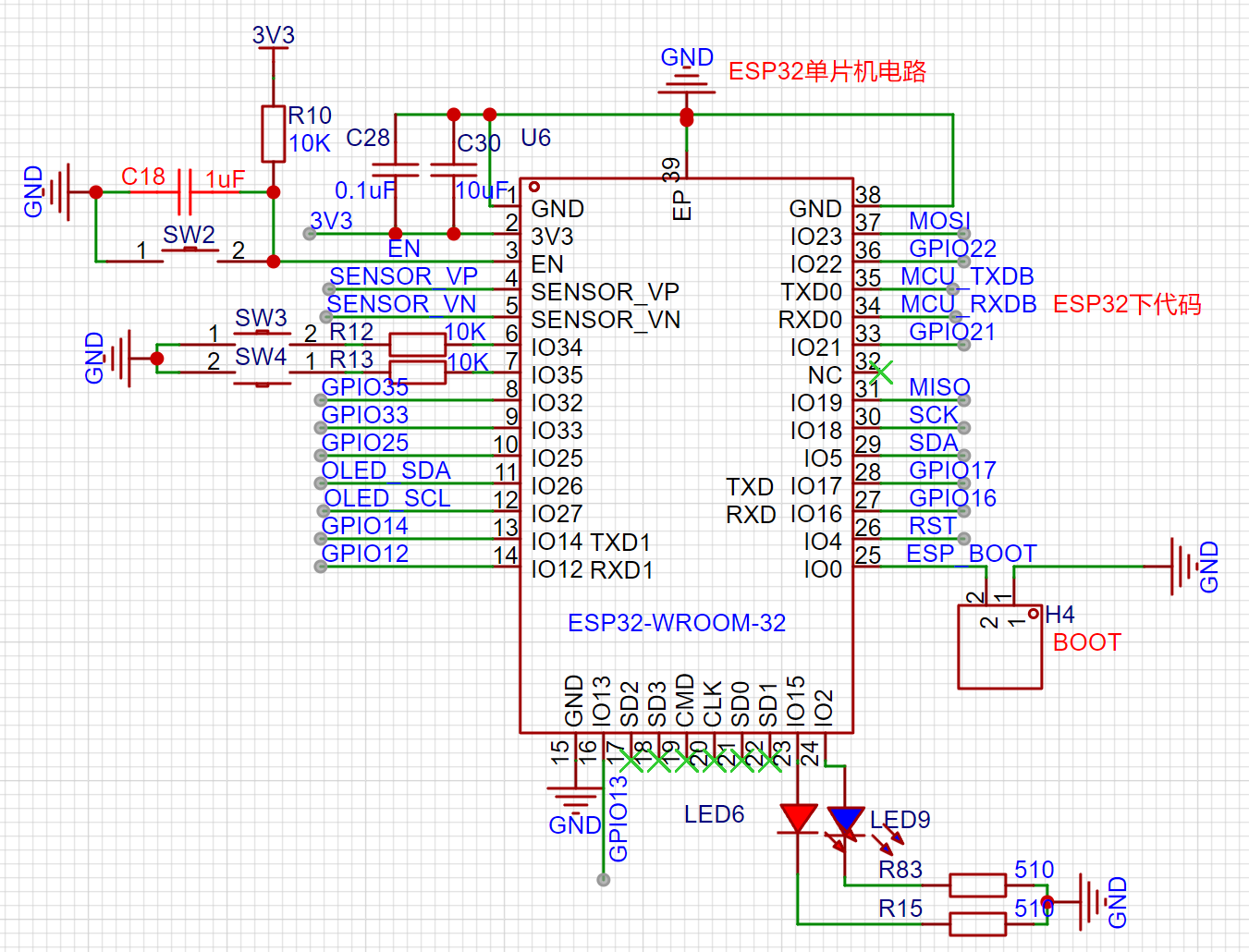
 plays a crucial role in the RFID access control ID card design. Specifically, its main functions can be summarized as follows: Core processing and control: As the core processor of the entire system, the ESP32 is responsible for receiving data from the RFID reader, performing necessary processing and analysis, and then controlling the opening and closing status of the access control system based on the processing results. It acts as the "brain" of the access control system, directing the operation of the entire system. Communication bridge: The ESP32 supports multiple communication protocols, such as Wi-Fi and Bluetooth, which allows it to easily exchange data with other devices or systems. In the RFID access control ID card design, the ESP32 can connect to the network via Wi-Fi for remote monitoring and management; simultaneously, it can also communicate with the RFID reader via serial ports, SPI, and other interfaces to ensure accurate data transmission. Data Processing and Storage: The ESP32 boasts powerful data processing capabilities, enabling rapid processing and analysis of data read from RFID cards. Furthermore, it has storage space to store necessary configuration information, user data, etc., for retrieval and verification when needed. Security and Stability: Security and stability are paramount in access control systems. The ESP32 main control circuit ensures the security of data transmission and storage by introducing advanced encryption algorithms and security protocols; simultaneously, its stable hardware design and optimized software algorithms guarantee the stable operation of the access control system.
 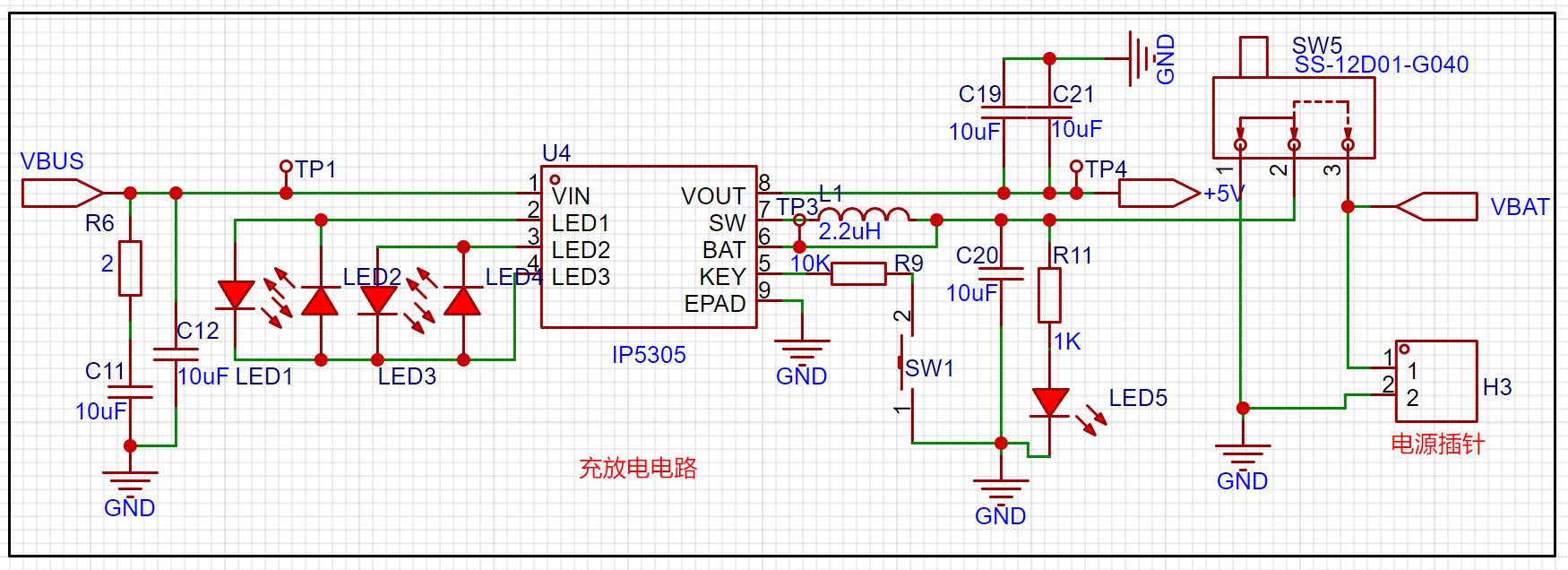 DC power supply guarantee: The IP5305 power supply circuit provides a stable and reliable power supply for the ESP32 and RFID modules. This is especially important when the access control ID card needs to be in standby mode for extended periods or operate without an external power source. Battery management: The IP5305 may also have battery management functions, such as battery level detection, charging protection, and discharging protection. These functions help ensure safe battery use, extend battery life, and prevent damage to the access control ID card due to overcharging or over-discharging. Improved system stability: A stable power supply is crucial for any electronic device. In RFID access control ID card designs, an unstable power supply may lead to RFID read/write failures, ESP32 processor malfunctions, and other problems. Therefore, the stable power supply of the IP5305 power supply circuit helps improve the stability and reliability of the entire system.
 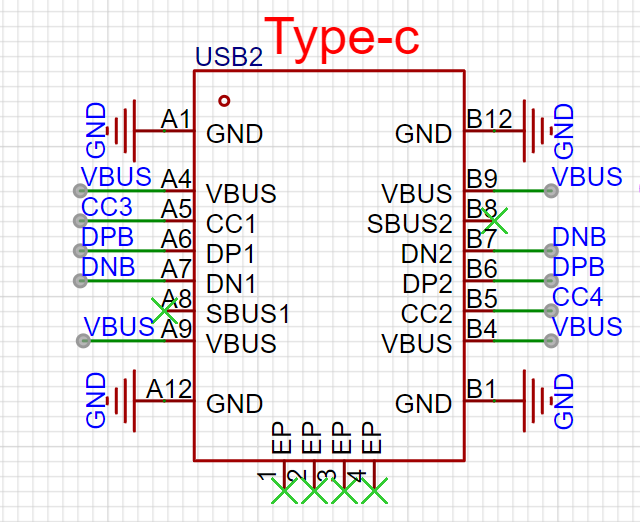 In ESP32 RFID access control ID card designs, if a 16-pin Type-C circuit is involved, its main functions are likely as follows: Power supply and data transmission: The Type-C interface is a modern connection interface that not only supports convenient reversible insertion but also has powerful data transmission and power supply capabilities. In the ESP32 RFID access control ID card design, the Type-C interface can provide a stable power input for the device and also serve as a data transmission channel, enabling data exchange between the ESP32 and a host computer or other devices. Expansion Functions: Because the Type-C interface has multiple pins, it supports various functional expansions. In RFID access control ID card designs, these pins can be used to connect external devices, such as additional sensors, displays, or other communication modules, thereby expanding the functionality of the access control system. Improved Compatibility: With the widespread adoption of the Type-C interface, more and more devices are starting to use it. Using the Type-C interface in the ESP32 RFID access control ID card design improves the compatibility of the access control system with other devices, facilitating user connection and use. Fast Charging Support: Some Type-C interfaces also support fast charging, meaning that in the ESP32 RFID access control ID card design, if the device has a built-in battery and needs to be charged via the Type-C interface, users can enjoy faster charging speeds, improving device efficiency.
 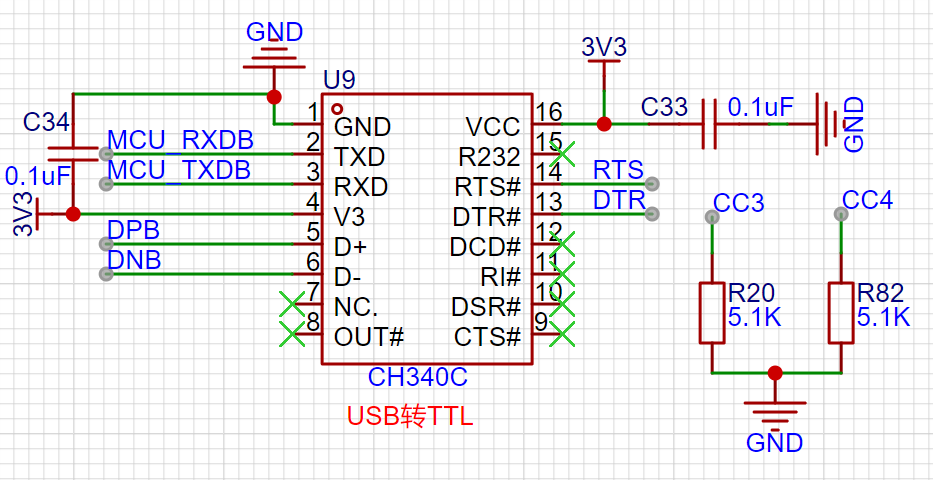 Specifically, the main functions of the USB-to-TTL CH340C circuit in ESP32-based RFID access control ID card designs include: **Communication Bridge:** ESP32 typically needs to communicate with computers or other devices to receive instructions, send data, or perform debugging. While standard interfaces on computers are mostly USB, ESP32's communication interface is a TTL level serial port. The USB-to-TTL CH340C circuit acts as a bridge, converting USB signals from the computer into TTL level signals that the ESP32 can understand, and vice versa. **Debugging Assistance:** During the development of access control ID cards, debugging is frequently required to ensure all functions are working correctly. With the CH340C USB-to-TTL circuit, developers can easily debug the ESP32 via computer using tools such as serial port debugging assistants, monitoring program execution status, and receiving and sending data. Expandability is also crucial; in some applications, access control ID cards may need to communicate with other devices or systems. The CH340C USB-to-TTL circuit provides flexible interface expansion capabilities, allowing connection and data exchange with other devices supporting TTL level communication via serial port. Compatibility and stability are paramount; the CH340C chip, as the core component of this circuit, boasts high compatibility and stability. It supports multiple operating systems and programming environments, enabling developers greater flexibility in development and debugging. Furthermore, its built-in crystal oscillator and robust protection mechanisms ensure accurate data transmission and system stability.
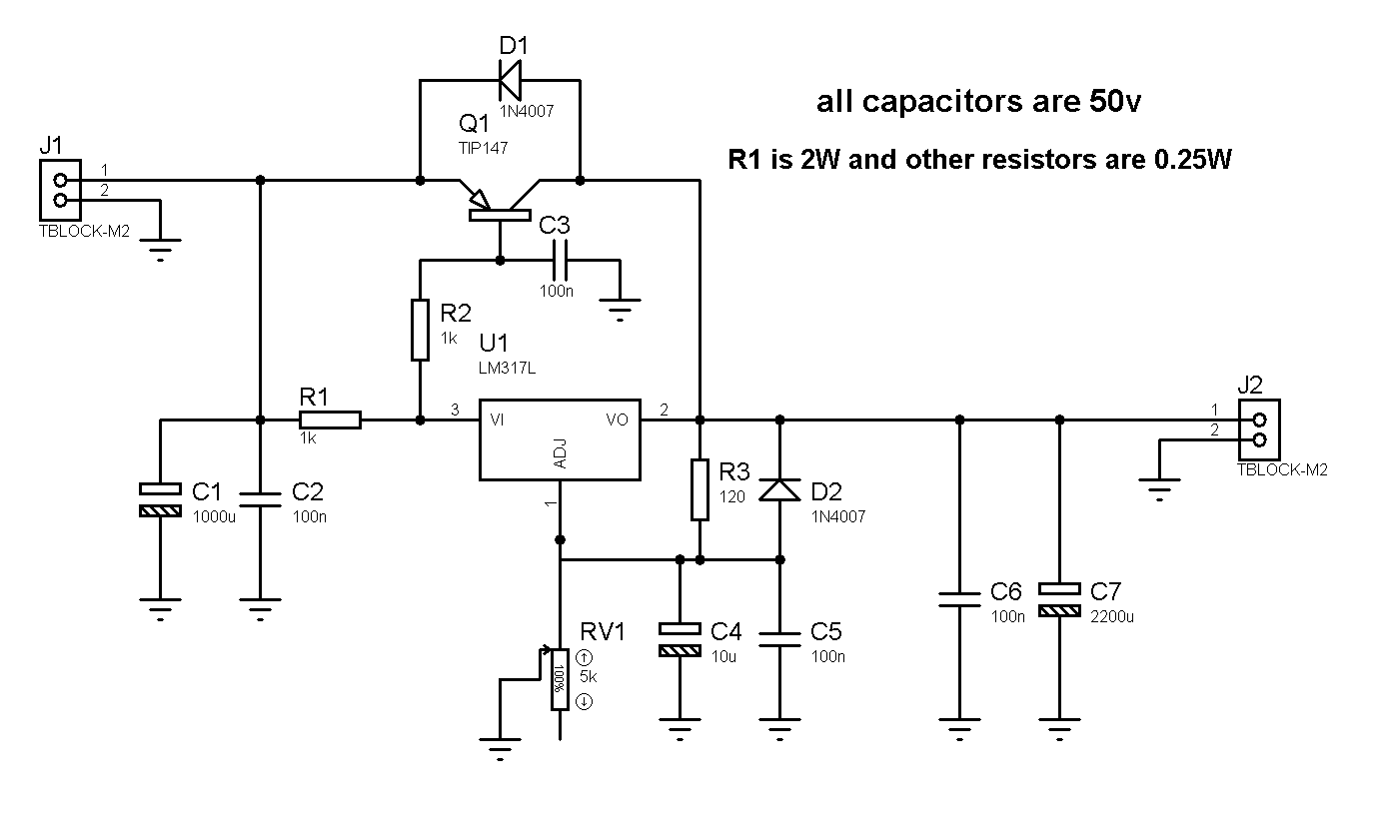
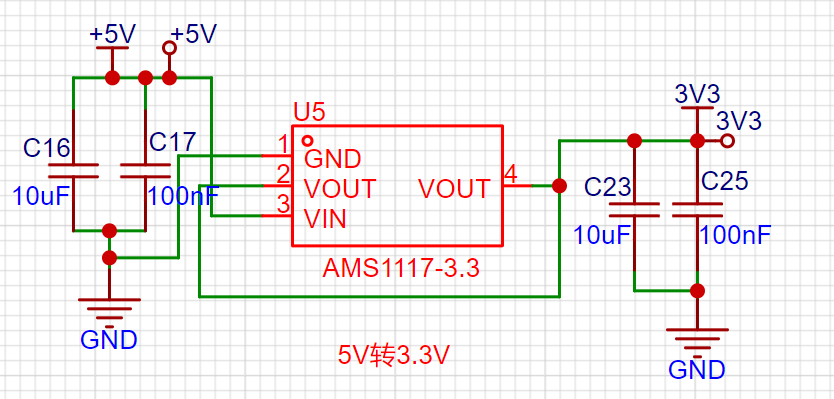 is a low-dropout linear regulator (LDO) used to provide a stable voltage output. Its operating principle is shown below:
 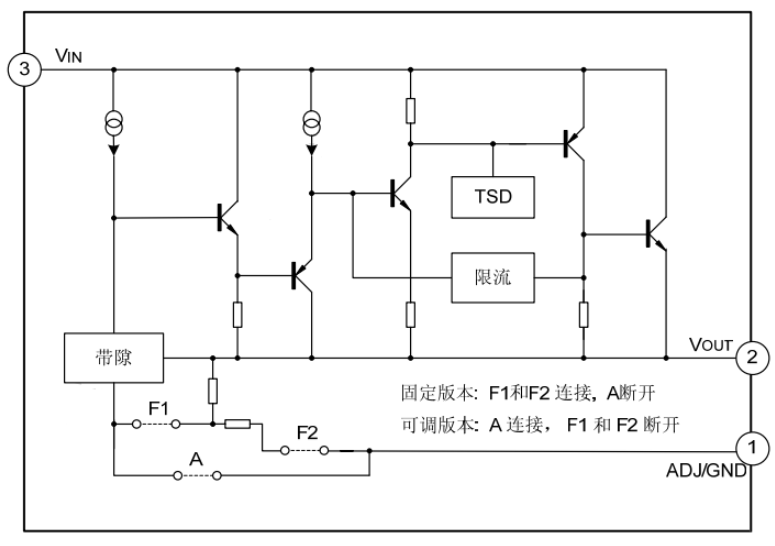 The AMS117's input is connected to the power supply input, and it can accept relatively high voltages from the power supply, typically between 3V and 12V. This input voltage can have some fluctuation and noise. The AMS117 has an internal reference voltage source (typically 1.2V), which it uses to compare and stabilize the output voltage. This reference voltage source is crucial for ensuring the stability of the output voltage.
 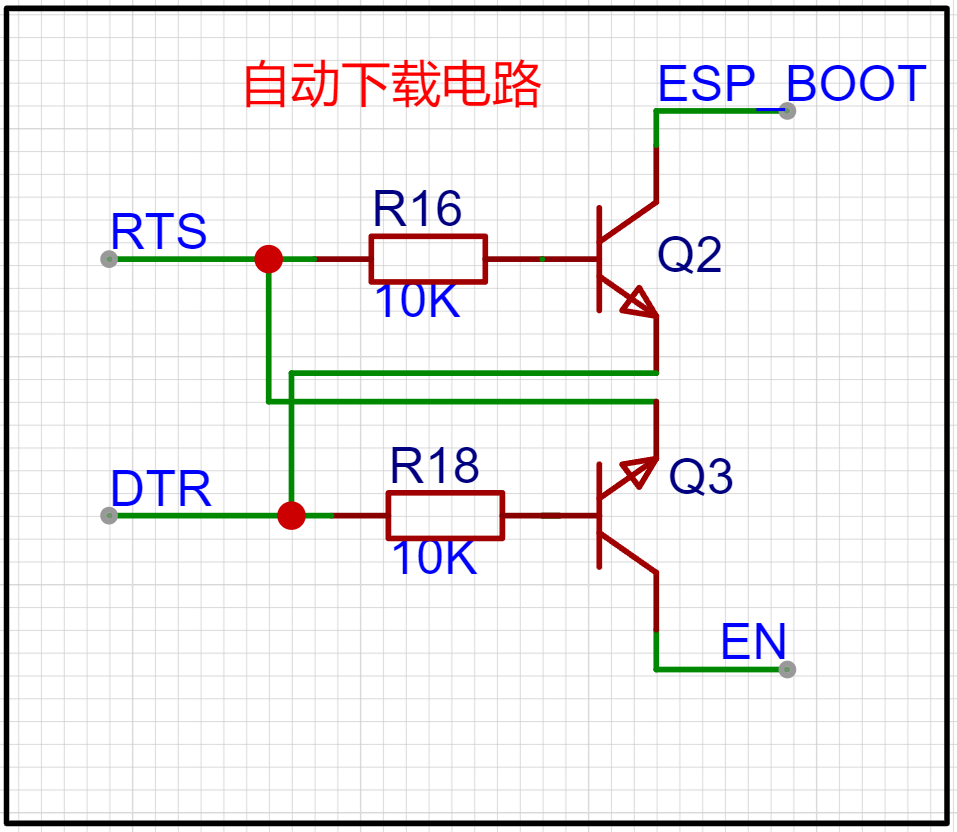 through specific startup modes (such as download mode) and download tools (such as ESP-IDF, Arduino IDE, etc.), allow developers to easily download compiled code to the ESP32 development board without complex manual settings.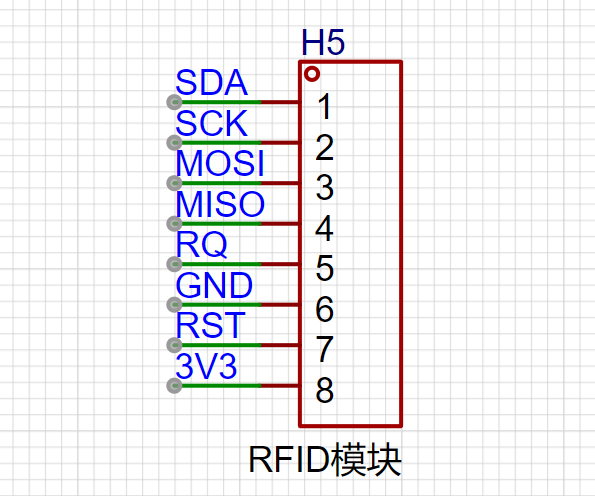
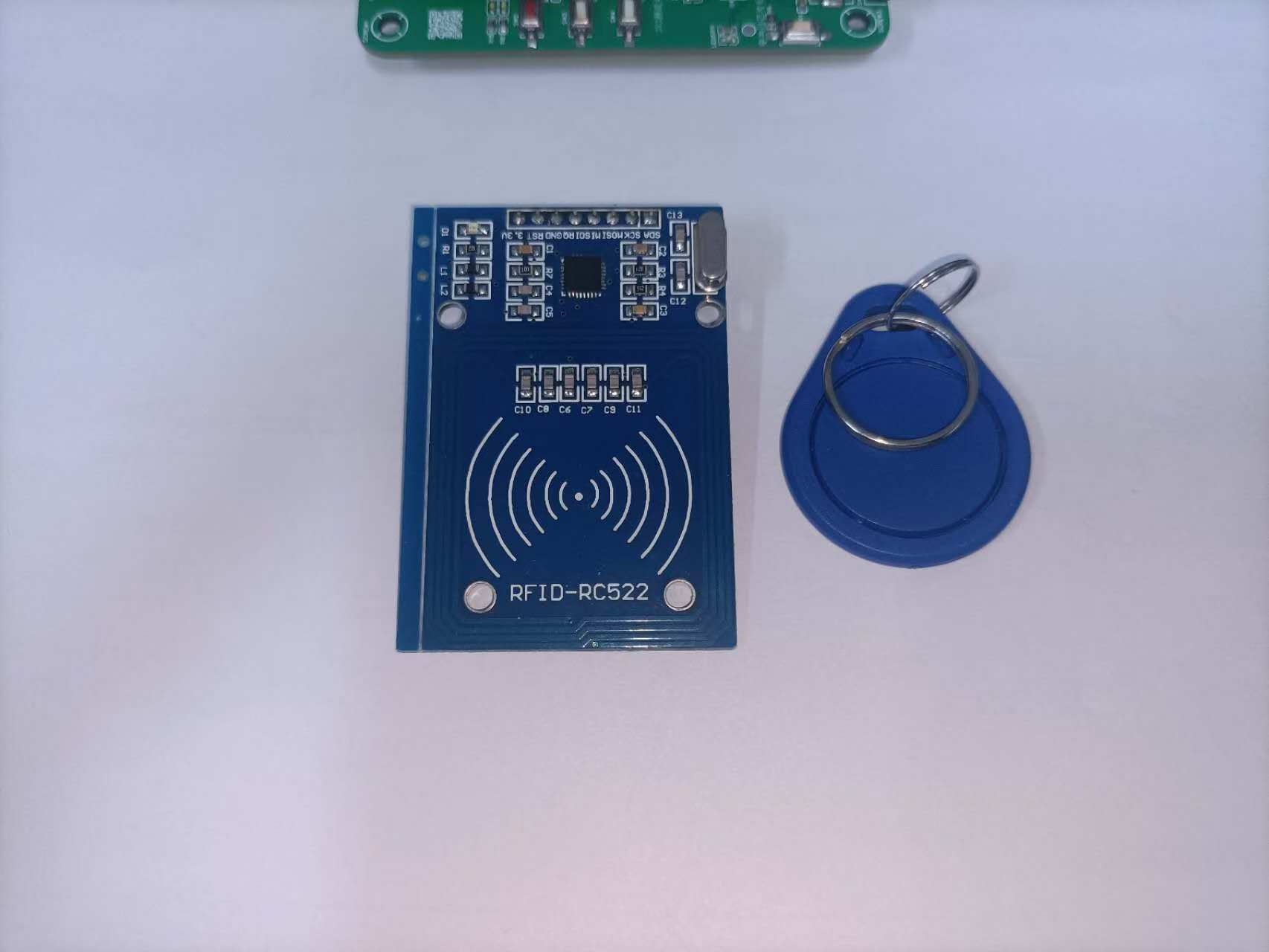 plays a crucial role in the ESP32 RFID access control ID card design. The main function of the RFID (Radio Frequency Identification) module is to communicate with RFID tags (also known as RFID cards) via radio waves, thereby enabling control and management of the access control system. The following are the main roles of the RFID module in the ESP32's RFID access control ID card design: Authentication: The RFID module can read the unique identifier (ID) stored within the RFID tag. This ID is crucial for the access control system to identify the user. When a user brings their RFID card close to the RFID reader of the access control system, the RFID module activates the RFID card and reads its ID, then sends this ID to the ESP32 microcontroller for processing. Access Verification: After receiving the ID from the RFID module, the ESP32 microcontroller compares it with a list of legitimate user IDs stored in the system. If a match is found, the user has permission to enter the area, and the ESP32 will further control the electronic lock of the access control system to open; if the match fails, access will be denied, and a warning may be issued via a buzzer or other means. Contactless Identification: A significant advantage of RFID technology is that identification can be performed without establishing mechanical or optical contact. This makes the use of access control systems more convenient and efficient; users only need to bring their RFID card close to the system, eliminating the need for cumbersome operations such as swiping cards or entering passwords. Enhanced Security: RFID access control systems can enhance security through encrypted communication and multi-factor authentication mechanisms. For example, an encrypted communication protocol can be used between the RFID module and the ESP32 microcontroller to ensure that transmitted data is not intercepted or tampered with. Simultaneously, the access control system can be combined with other authentication methods (such as fingerprint recognition, facial recognition, etc.) to improve security. Expanded Functionality: The combination of the RFID module and the ESP32 microcontroller makes the access control system more scalable. For example, the access control system can be connected to a cloud server via the ESP32's Wi-Fi function to achieve remote monitoring and management; sensors and actuators can also be added to further expand the functionality and application scenarios of the access control system.
 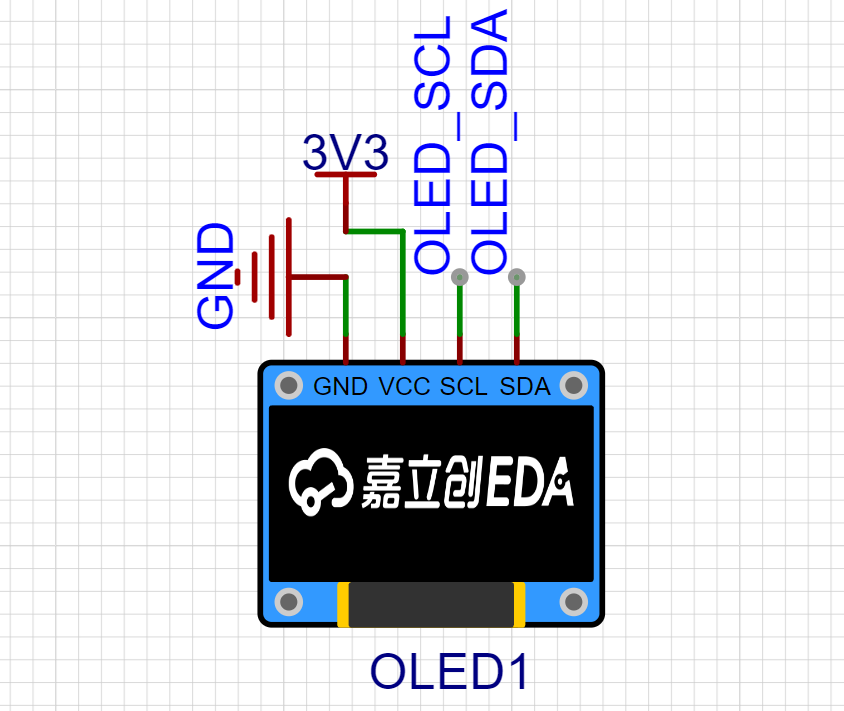 OLED screens can play an important role in the terminals or controllers of access control systems. The following are the main roles that OLED screens may play in ESP32-based RFID access control systems: Information Display: OLED screens can display real-time status information of the access control system, such as messages indicating successful or failed user authentication, current time, date, welcome messages, etc. This allows users and administrators to intuitively understand the operation of the access control system. User Interaction: Through OLED screens, access control systems can provide a richer user interaction experience. For example, when a user swipes their card, the screen can display the user's name, photo, or permission level to confirm the user's identity. In addition, the screen can display operation prompts or error codes to help users solve problems. Enhanced Security: OLED screens can enhance the security of access control systems by displaying dynamic verification codes, one-time passwords, or other security information. For example, after a user swipes their card, the system can generate a one-time password and display it to the user on the OLED screen; the user needs to enter this password to complete the door opening operation. System Configuration and Debugging: During the development and debugging phase of the access control system, the OLED screen can serve as an auxiliary tool for system configuration and debugging. Developers can view the system's operating status, debugging information, or error logs on the screen to quickly locate and resolve problems. Enhanced Interface: OLED screens have advantages such as high contrast, wide viewing angles, and low power consumption, allowing for clearer, more vibrant, and more vivid images and text. Therefore, when designing the user interface of an access control system, these characteristics of OLED screens can be utilized to create a more aesthetically pleasing and user-friendly interface. It is important to note that while OLED screens have various potential applications in ESP32 RFID access control systems, the appropriate display solution needs to be selected based on specific needs and scenarios in practical applications. For example, in some low-cost or low-power application scenarios, simpler LED indicators or LCD displays may be chosen instead of OLED screens.
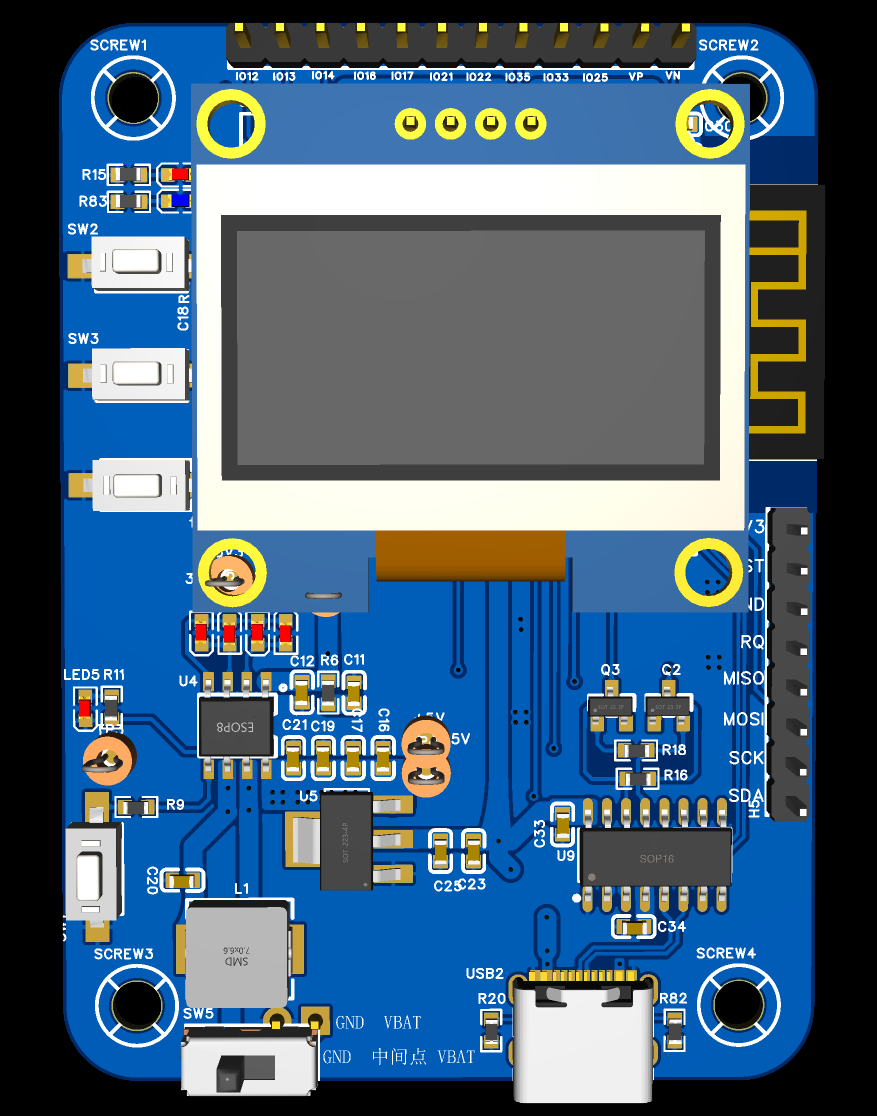
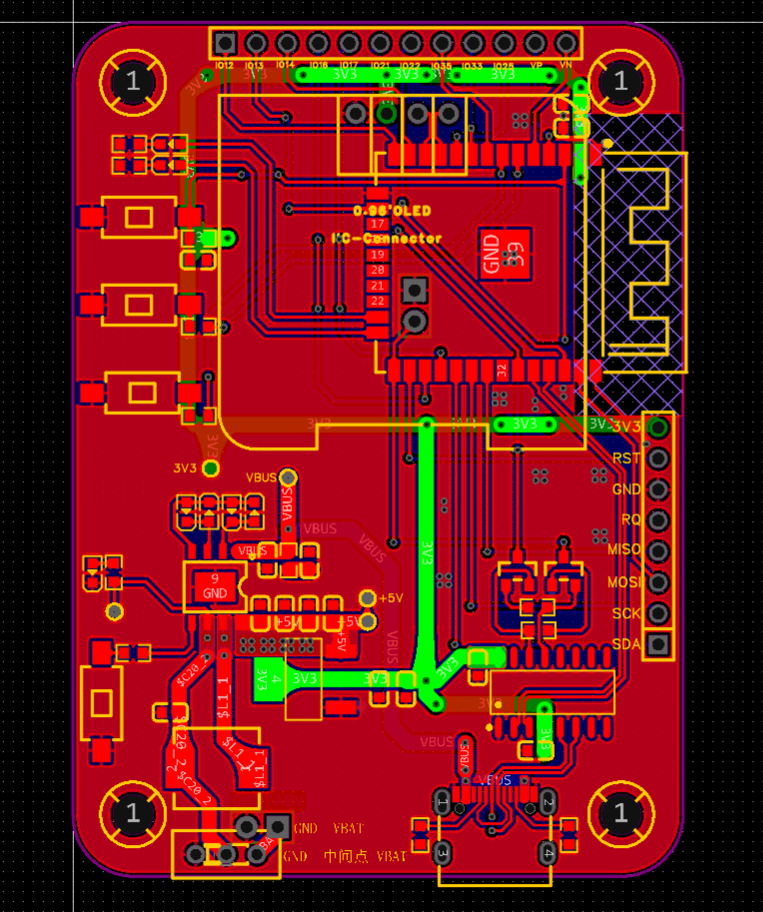 3D image display,
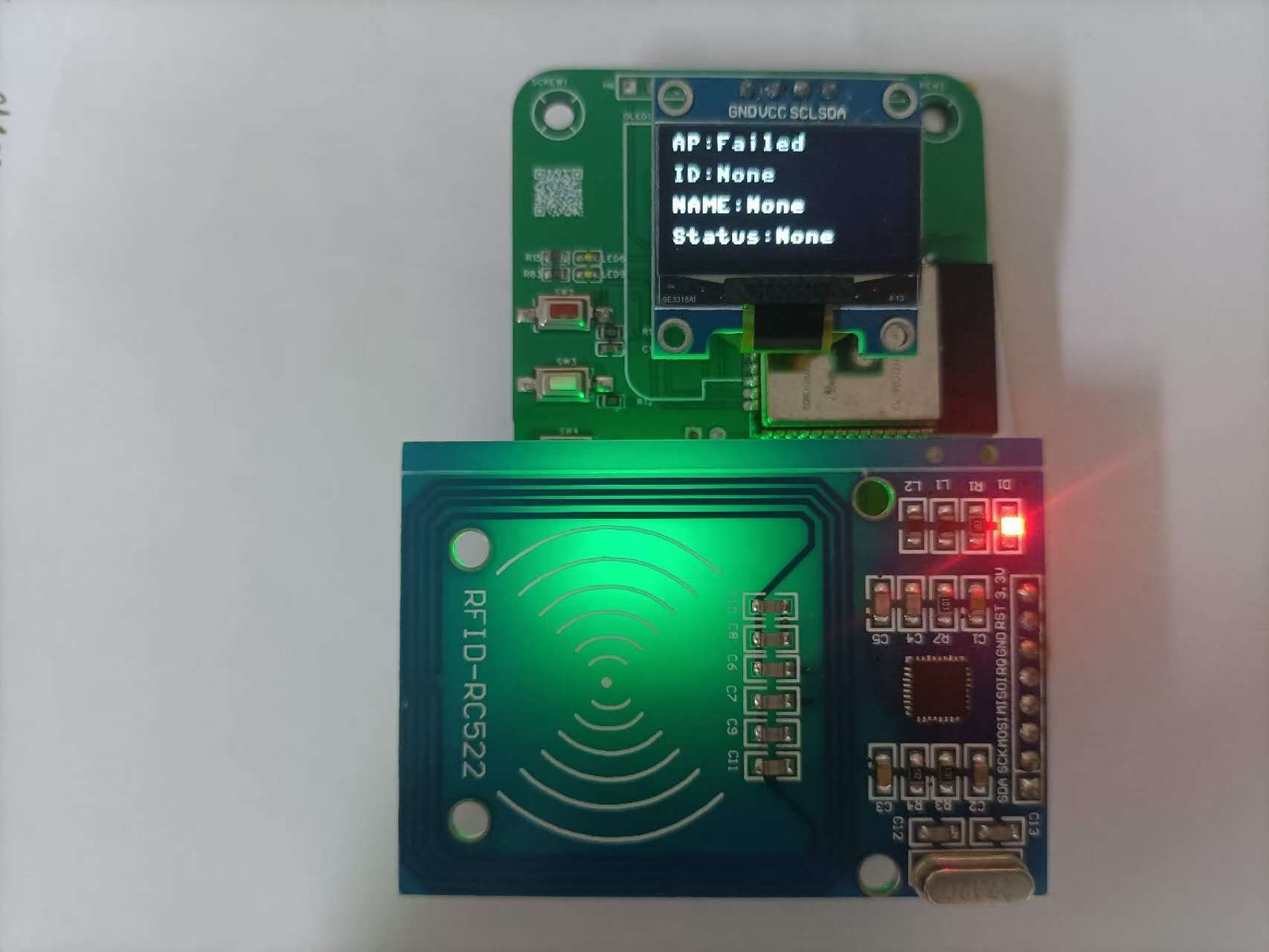
  physical object display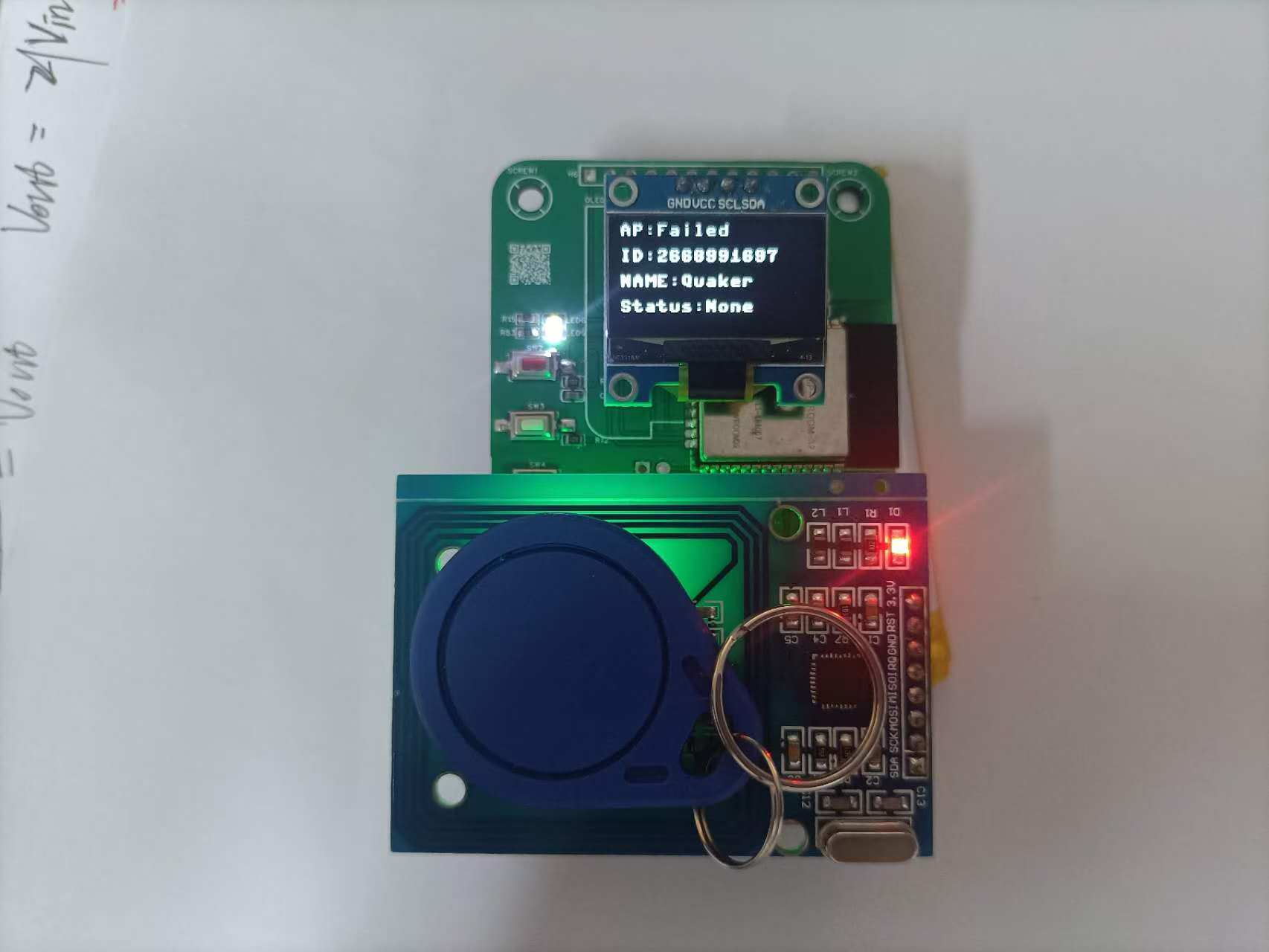

All reference designs on this site are sourced from major semiconductor manufacturers or collected online for learning and research. The copyright belongs to the semiconductor manufacturer or the original author. If you believe that the reference design of this site infringes upon your relevant rights and interests, please send us a rights notice. As a neutral platform service provider, we will take measures to delete the relevant content in accordance with relevant laws after receiving the relevant notice from the rights holder. Please send relevant notifications to email: bbs_service@eeworld.com.cn.
It is your responsibility to test the circuit yourself and determine its suitability for you. EEWorld will not be liable for direct, indirect, special, incidental, consequential or punitive damages arising from any cause or anything connected to any reference design used.
Supported by EEWorld Datasheet
EEWorld
subscription
account

EEWorld
service
account

Automotive
development
community

Robot
development
community

About Us Customer Service Contact Information Datasheet Sitemap LatestNews



Room 1530, 15th Floor, Building B,
No.18 Zhongguancun Street,
Haidian District,
Beijing, Postal Code: 100190
China
Telephone: 008610 8235 0740
 京公网安备 11010802033920号


 SSB3FF1911211