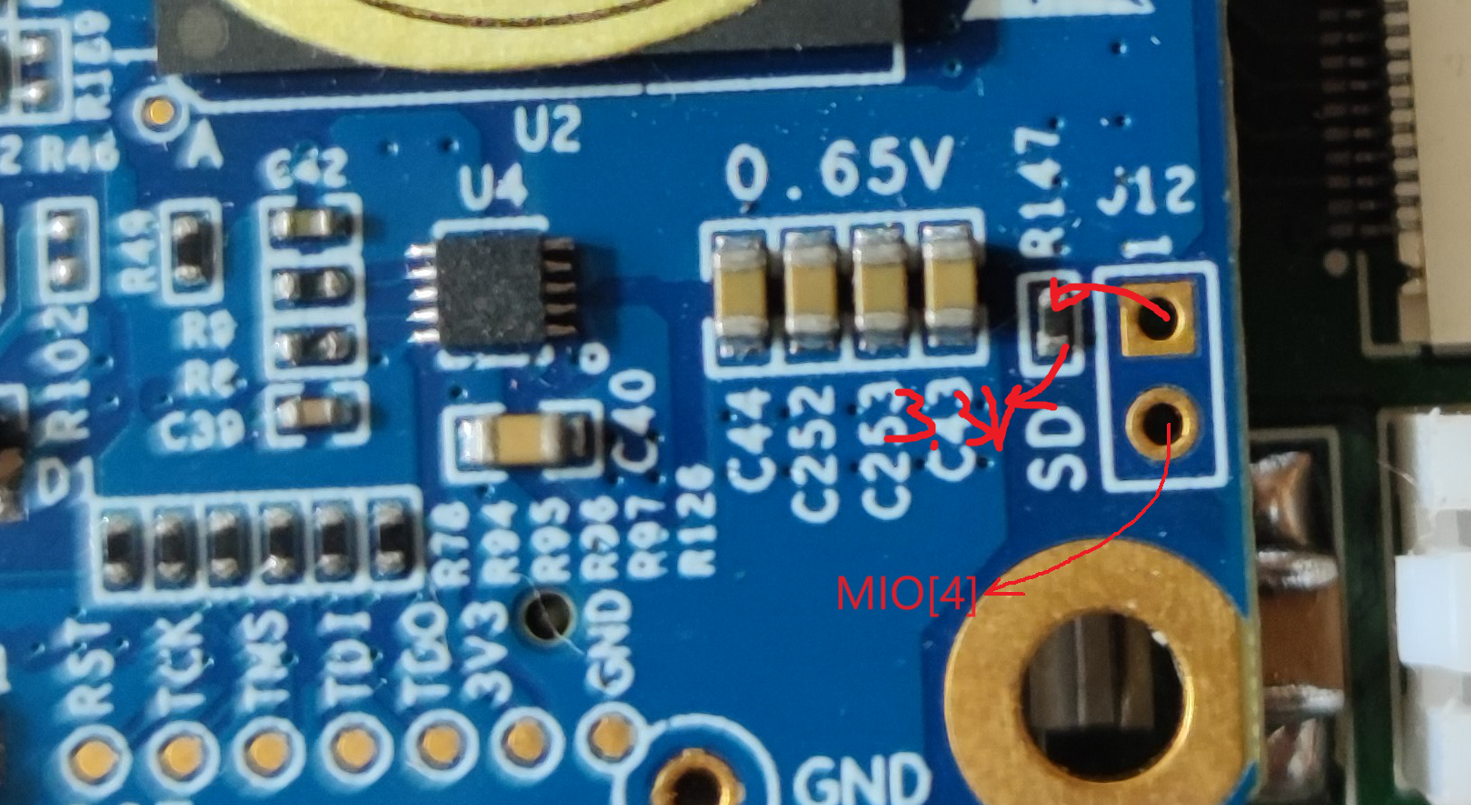
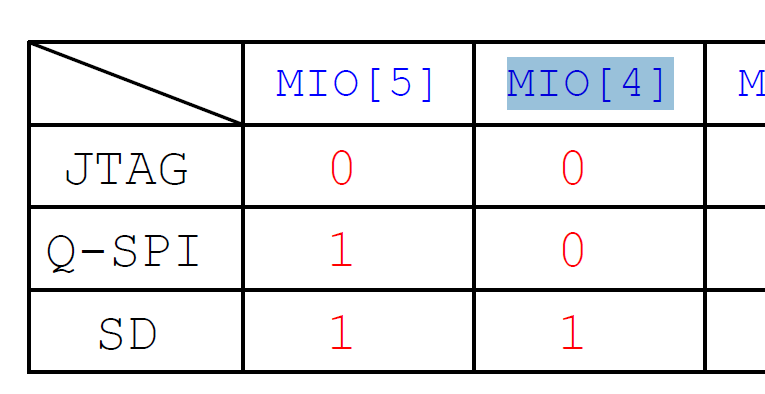
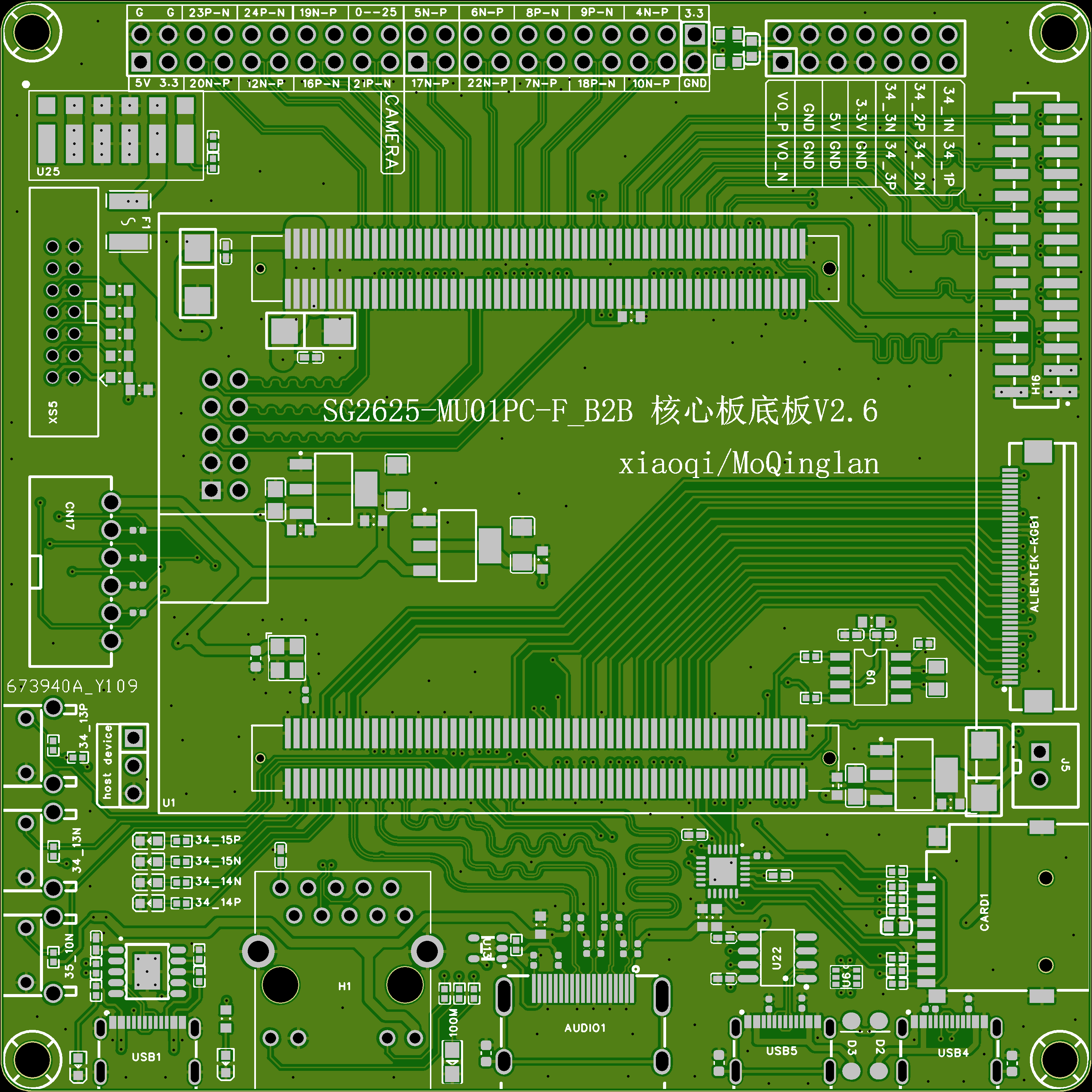
 As shown in the diagram, there is one gigabit network, one HDMI, one USB power supply supporting fast charging, one USB to serial port, one USB, one SD card, three push-button switches, four LEDs, one 40-pin FPC socket, with the remaining pins brought out by a 2.54mm header on top, and a 2.0mm header on the right leading out to bank 13 of the 7020, and one CAN bus.
 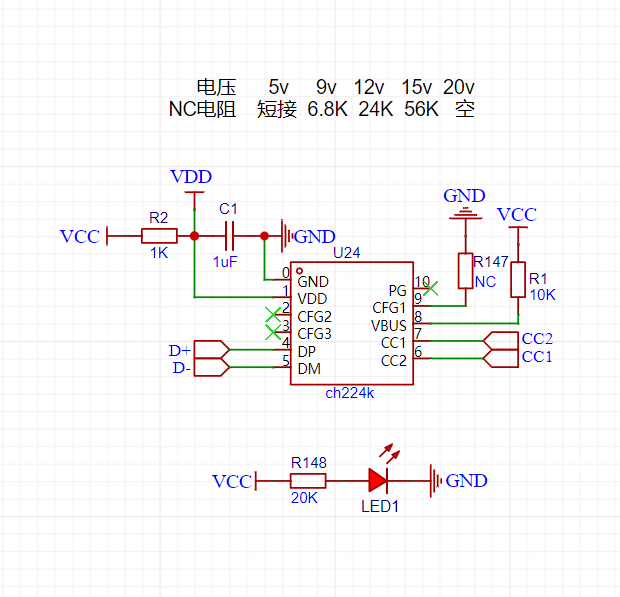 uses a CH224 for fast charging decoy. The output voltage diagram includes a resistance table, which is inspired by the open-source project kill-star_sx; thanks to them.
 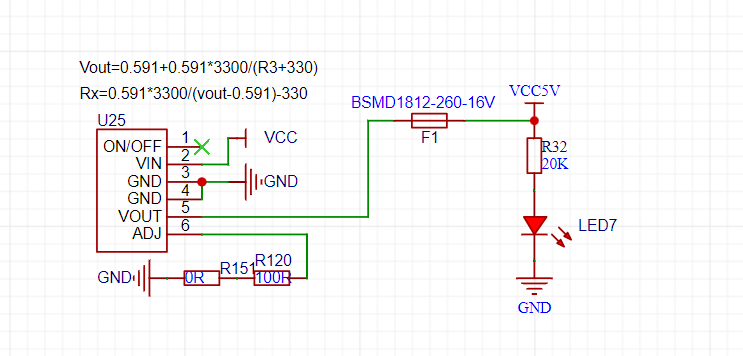 A ZXDN10S1205SAW step-down converter is used to reduce the voltage to around 5V, which is then converted to 3.3V and 1.8V via an 1117.
 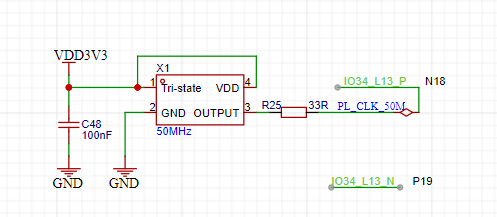 A 50MHz active crystal oscillator is onboard. It's not brought out in 34_13_p or 34_13_n
 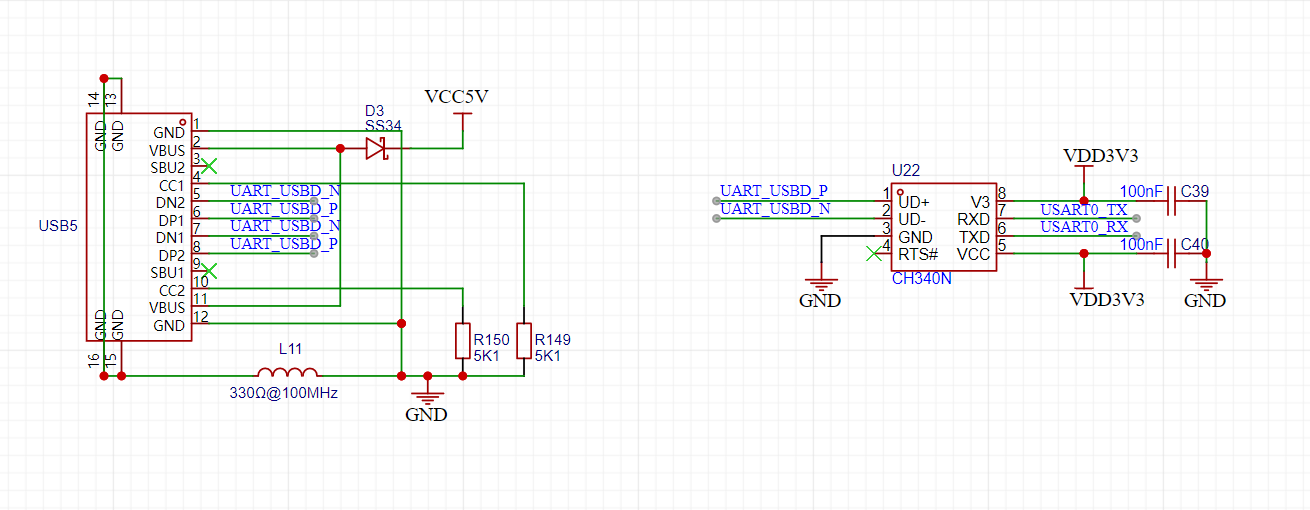 because the core board's serial port is not frequently used; a separate CH340 serial port was created, but the PL section for the serial port requires MIO configuration.
 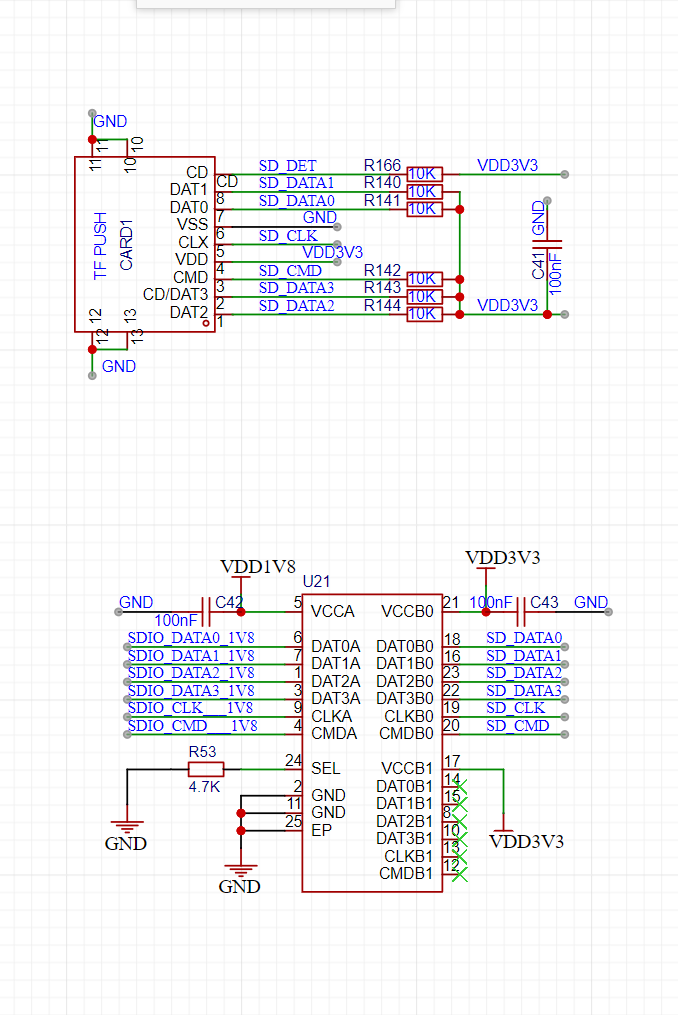 The SD card is as shown in the picture, nothing much to say. I see that almost all mining rigs use this solution.
 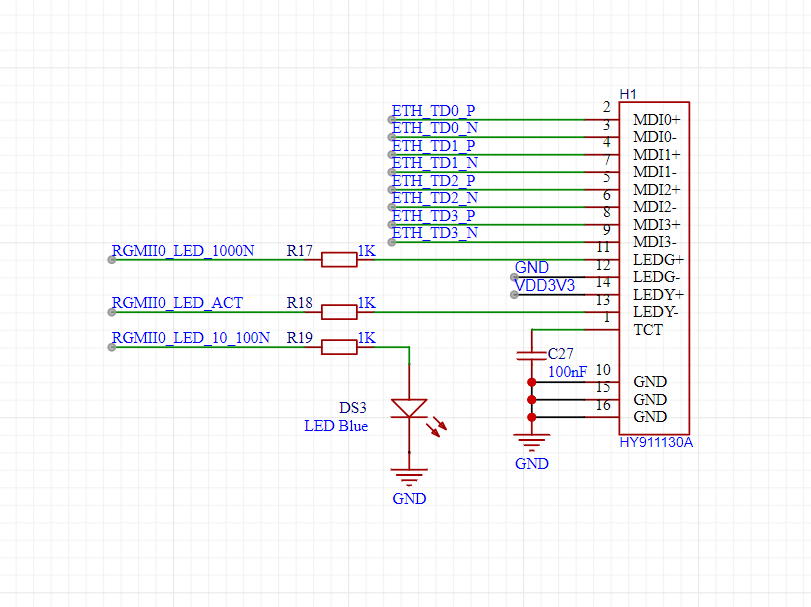 The gigabit network speed here, with the PHY chip on the core board, is decent, reaching around 800-900 Mbps. The
 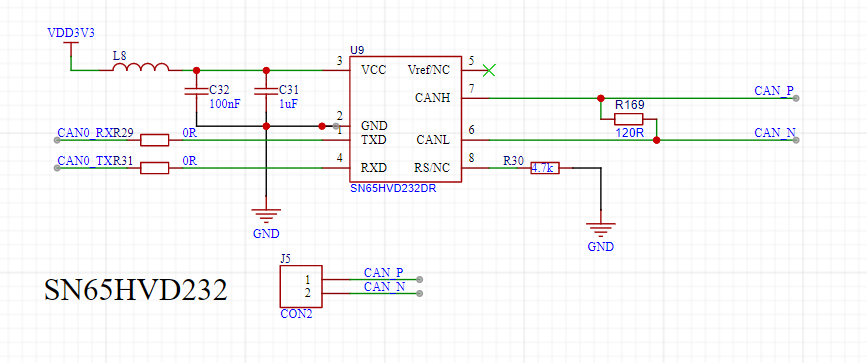 CAN bus is just like that; I haven't used it this way before, so there's not much to say.
 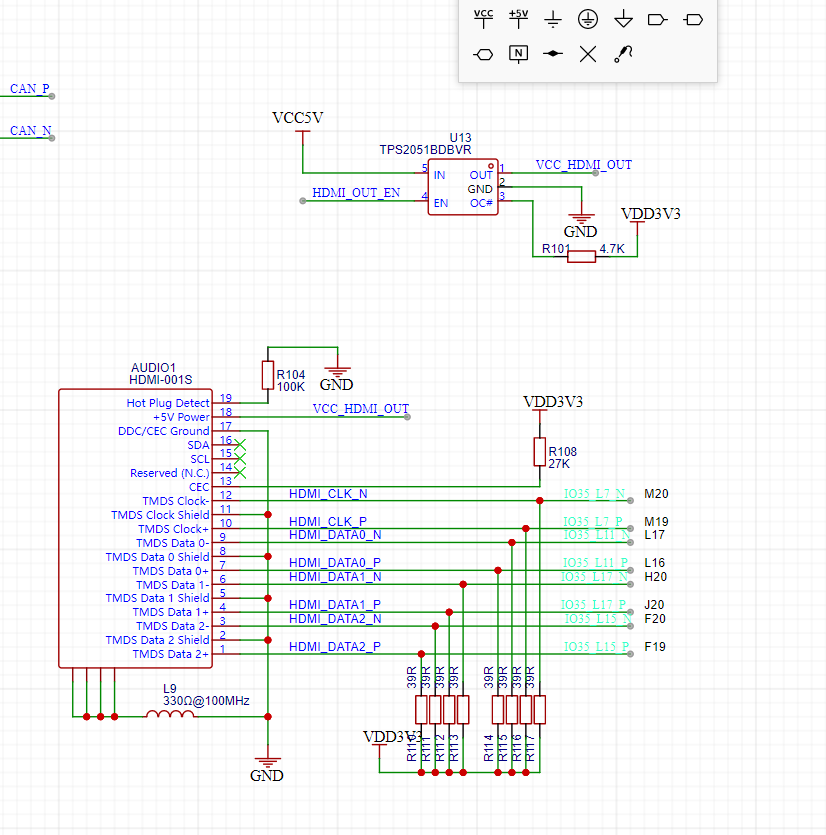 I didn't solder the TPS2051BDBVR on the HDMI cable; I couldn't buy it and it was too expensive
 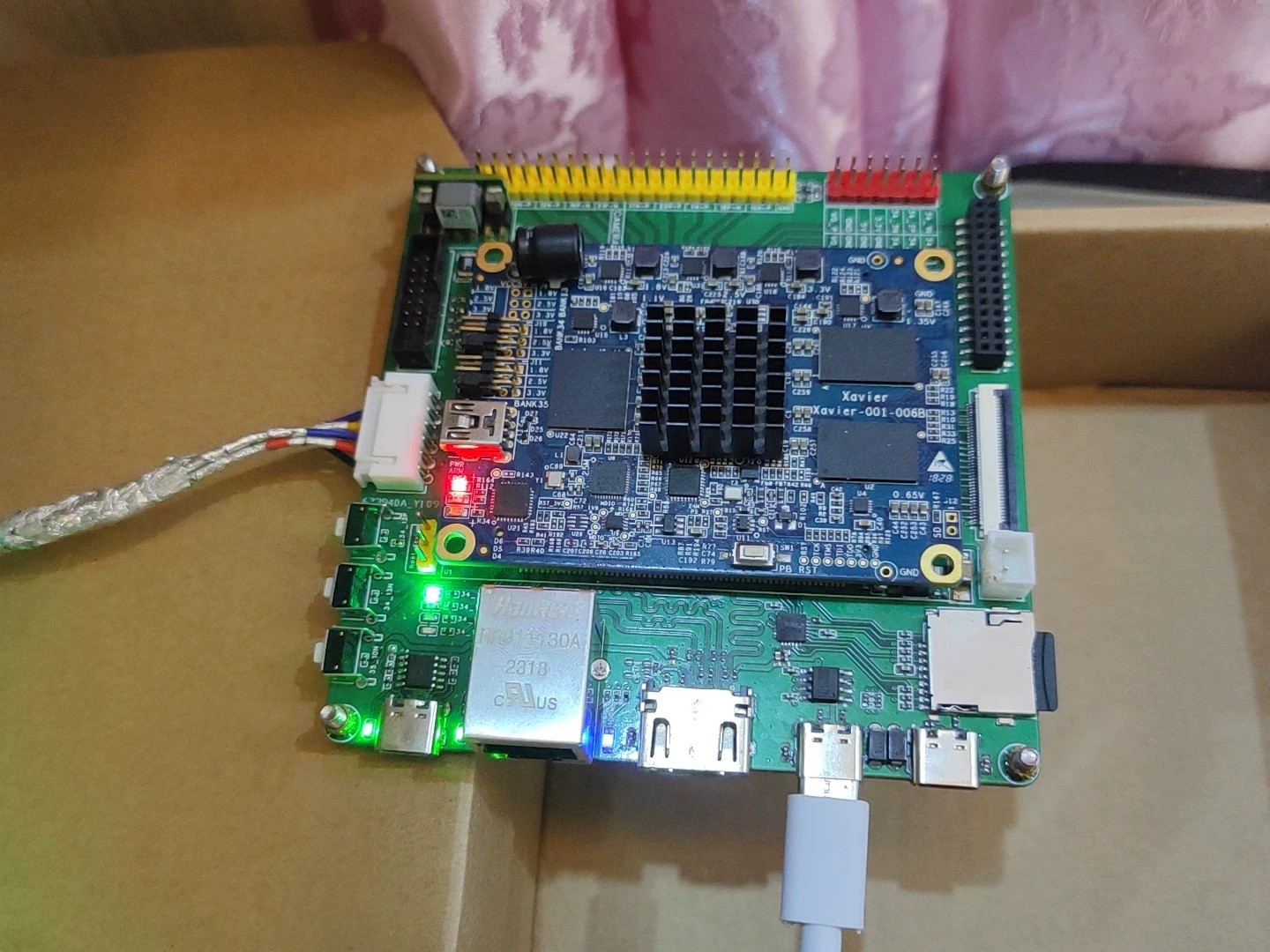 1. As shown, 7010 (left) 7020 (right). I didn't buy the core board of the model in the datasheet; I'm too poor to afford it.
  so a new board was copied. V4.5
All reference designs on this site are sourced from major semiconductor manufacturers or collected online for learning and research. The copyright belongs to the semiconductor manufacturer or the original author. If you believe that the reference design of this site infringes upon your relevant rights and interests, please send us a rights notice. As a neutral platform service provider, we will take measures to delete the relevant content in accordance with relevant laws after receiving the relevant notice from the rights holder. Please send relevant notifications to email: bbs_service@eeworld.com.cn.
It is your responsibility to test the circuit yourself and determine its suitability for you. EEWorld will not be liable for direct, indirect, special, incidental, consequential or punitive damages arising from any cause or anything connected to any reference design used.
Supported by EEWorld Datasheet
EEWorld
subscription
account

EEWorld
service
account

Automotive
development
community

Robot
development
community

About Us Customer Service Contact Information Datasheet Sitemap LatestNews



Room 1530, 15th Floor, Building B,
No.18 Zhongguancun Street,
Haidian District,
Beijing, Postal Code: 100190
China
Telephone: 008610 8235 0740
 京公网安备 11010802033920号


 GRM1555C2A8R1WA01



