T5XOV7

2.7V or 6V spot welding machine supercapacitor version can spot weld copper up to 0.2mm thick.

 
Overview
This project is modified from "The Light of Entropy: Portable Spot Welding Machine 2.1", open source address: https://oshwhub.com/fj956391150/pian-xie-dian-han-ji.
Product Introduction:

The TYPE-C interface is mainly used for programming ESP32 C3 and charging the device (5V/2A).
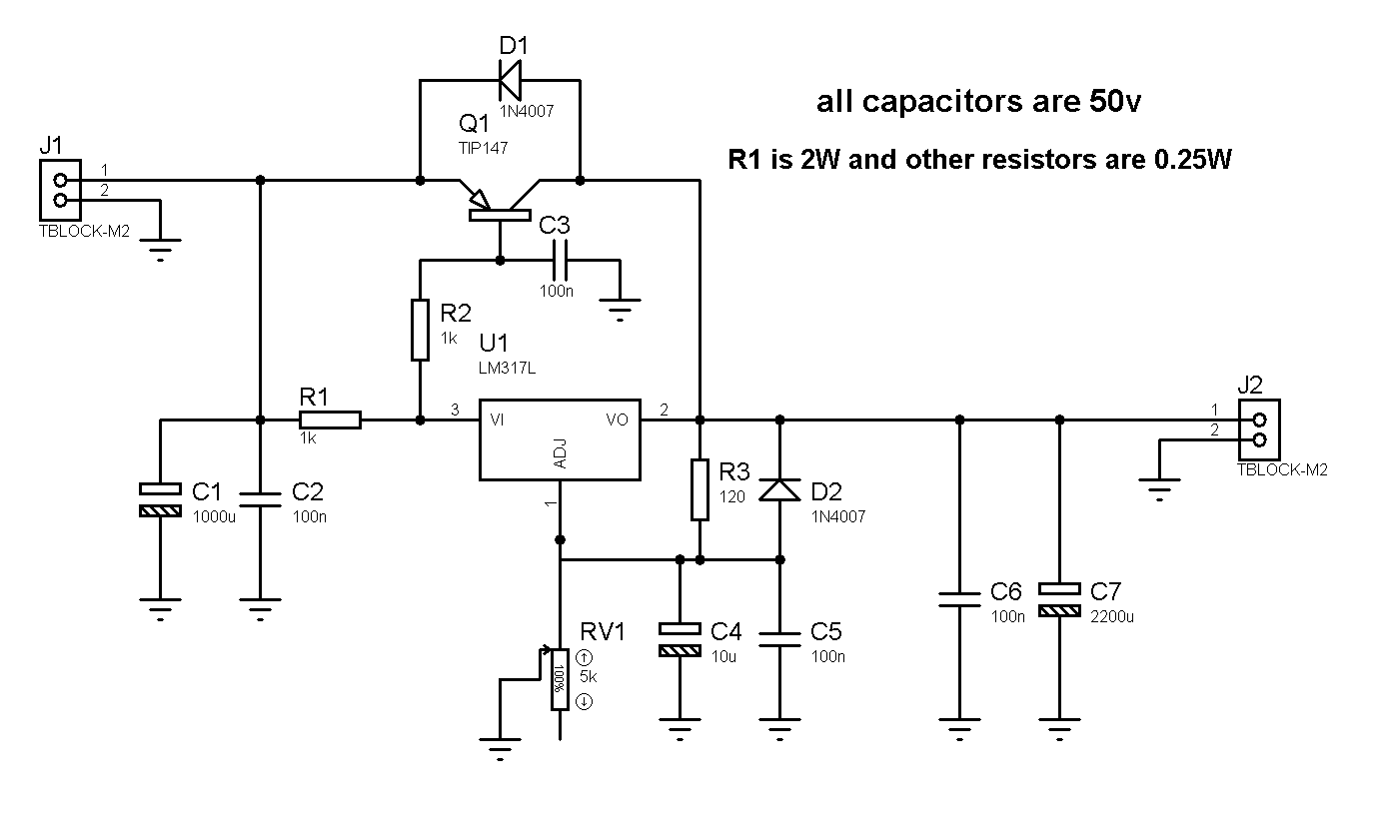
It features a TYPE-C-->supercapacitor input 7.5W (5V/1.5A) constant power charging circuit and a lithium battery-->supercapacitor maximum output 0.8A constant current charging circuit, and can independently control the switch.
It supports the acquisition and display of parameters such as USB voltage, battery voltage, capacitor voltage, and weldment detection voltage and temperature.
0.96-inch ST7735 The 160*80 display shows various parameters,
three buttons for mode switching and parameter setting control, and a toggle switch for power on/off control.
It features a supercapacitor current backflow prevention circuit to reduce capacitor standby leakage
current. It supports automatic and manual spot welding modes and allows setting multi-pulse welding time and number of welds. It also
includes various function switches, parameter settings, over-temperature protection, and under-voltage protection.
--------------------From here on, I will explain the modifications to this version---------------
The continuous spot welding function has been removed; only a dual-pulse mode is available, controlled by preheating pulses and pulse duration.
If the main control board uses a 3V 3000F capacitor, the auxiliary power function can be disabled, including not soldering some components on the main board.
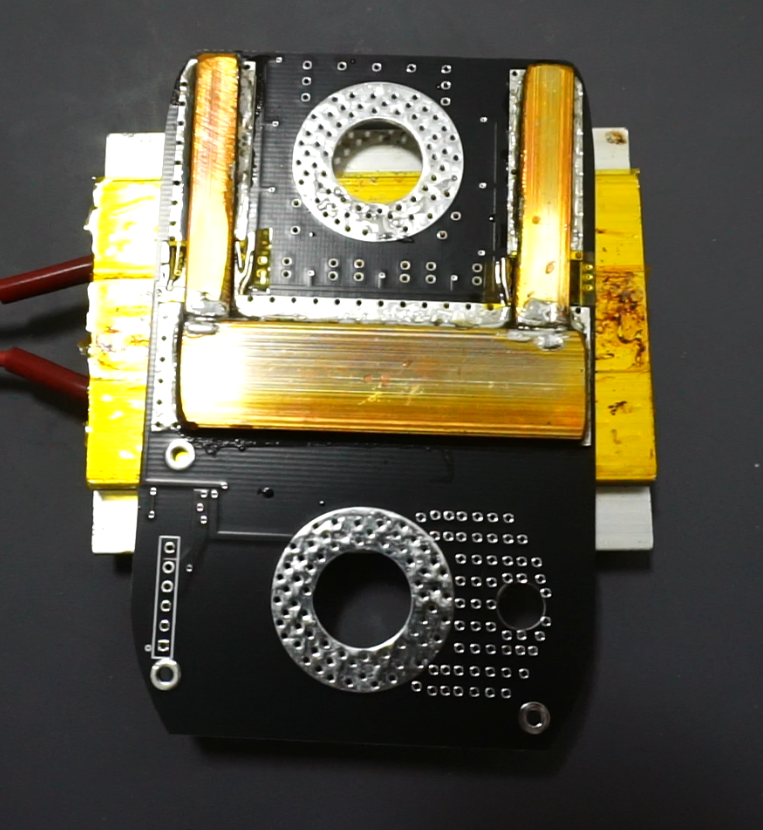
The power board uses 12 40V 600A MOSFETs. One 15*55mm copper busbar is used for backflow, and the other two narrower ones are 15mm copper busbars cut in half. Alternatively, 6mm wide busbars can be purchased separately.
35mm flat wire is used, and the soldering pins are 3.2mm copper rods with ground tips.
Supercapacitors can be found at seafood markets. Both 2.7V and 3V are acceptable. Note the stud thickness. The PCB in this project has 12mm openings.
 
Discussion group: 200165775.
My test video is available on Bilibili; it's the latest video posted by "Mr. Cheese".   
参考设计图片
×
 
 
Search Datasheet?

Supported by EEWorld Datasheet

Forum More
Update:2026-03-24 00:11:39

EEWorld
subscription
account

EEWorld
service
account

Automotive
development
community

Robot
development
community

About Us Customer Service Contact Information Datasheet Sitemap LatestNews



Room 1530, 15th Floor, Building B, No.18 Zhongguancun Street, Haidian District, Beijing, Postal Code: 100190 China Telephone: 008610 8235 0740

Copyright © 2005-2024 EEWORLD.com.cn, Inc. All rights reserved 京ICP证060456号 京ICP备10001474号-1 电信业务审批[2006]字第258号函 京公网安备 11010802033920号