Features:
1. Uses 1588AS/BS dot matrix modules . 2.
Cascaded from 74HC595 modules.
3. Can be spliced together to an infinite size
. 4. Occupies only 3 I/O ports.
5. Optimized circuit design compared to the previous
generation. 6. Compatible with the
Arduino code provided by the previous generation module:
Uses the "ShiftRegister74HC595" third-party library, which needs to be downloaded from the library manager (old version test program, only supports 4 cascaded modules).
The new version code uses the official SPI library, and the test program supports at least 200 cascaded modules (using ESP8266; if using other libraries, it can support approximately 400 modules).
The new version code has poor readability; to understand the code principles, please download the old version.
Note:
Due to the cascading of 74HC595 modules, the scanning time is relatively long, so the maximum number of cascaded modules depends on the speed of the MCU used.
Connection method:
See the open-source project "16*16 dot matrix screen"
module configuration.
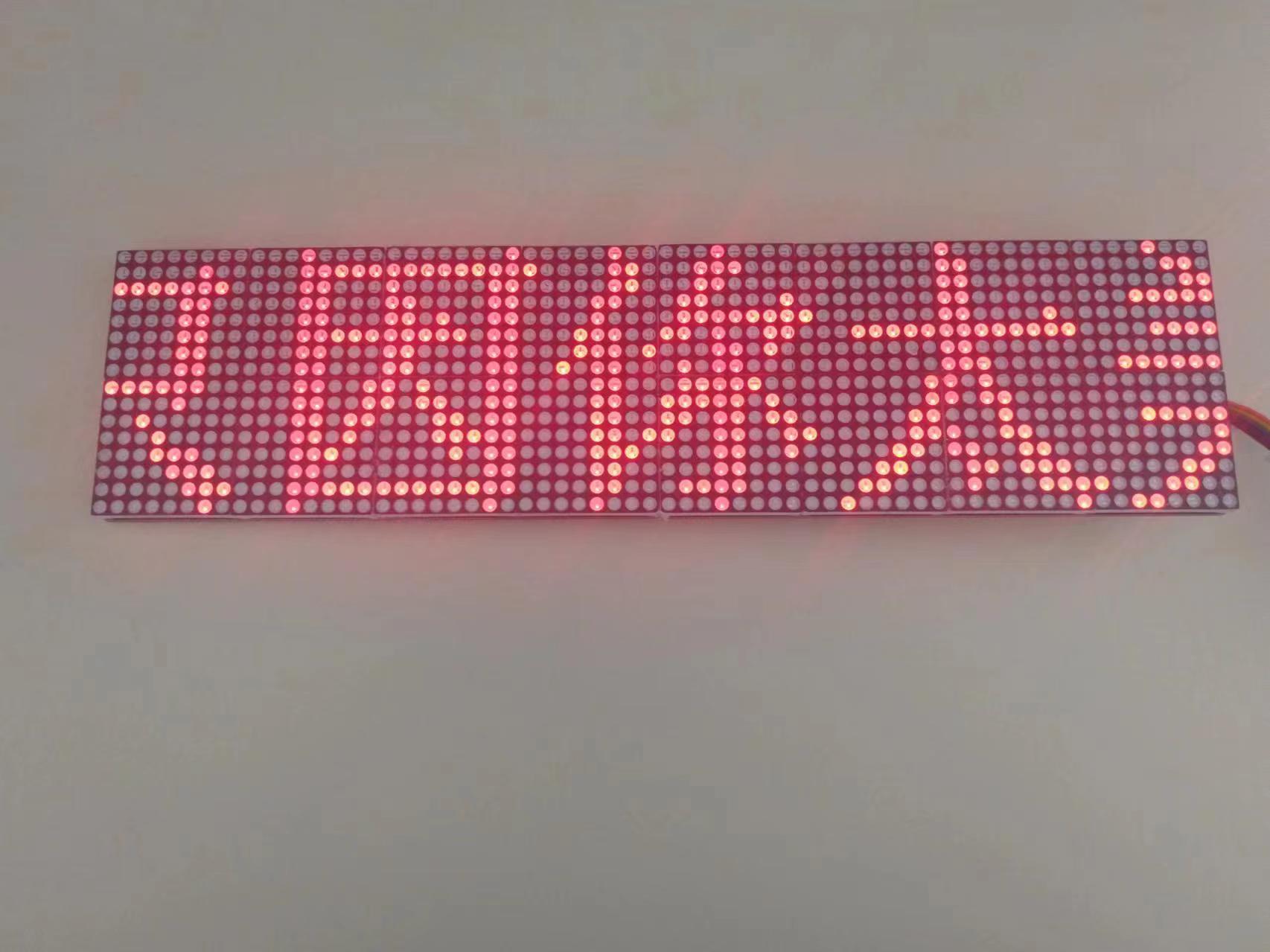
Effect: (Scrolling playback)
Dot matrix test.ino
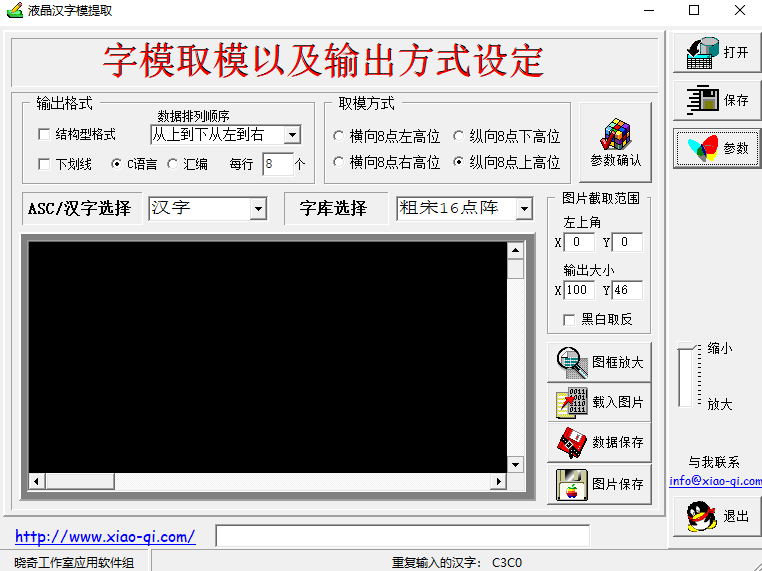
LcmZimoLCD font extraction tool software. (zip)
Dot matrix screen (new version).ino
PDF_∞_∞ Dot matrix screen.zip
Altium_∞_∞ dot matrix screen.zip
PADS_∞_∞ Dot Matrix Screen.zip
BOM_∞_∞ Dot Matrix Screen.xlsx
96014
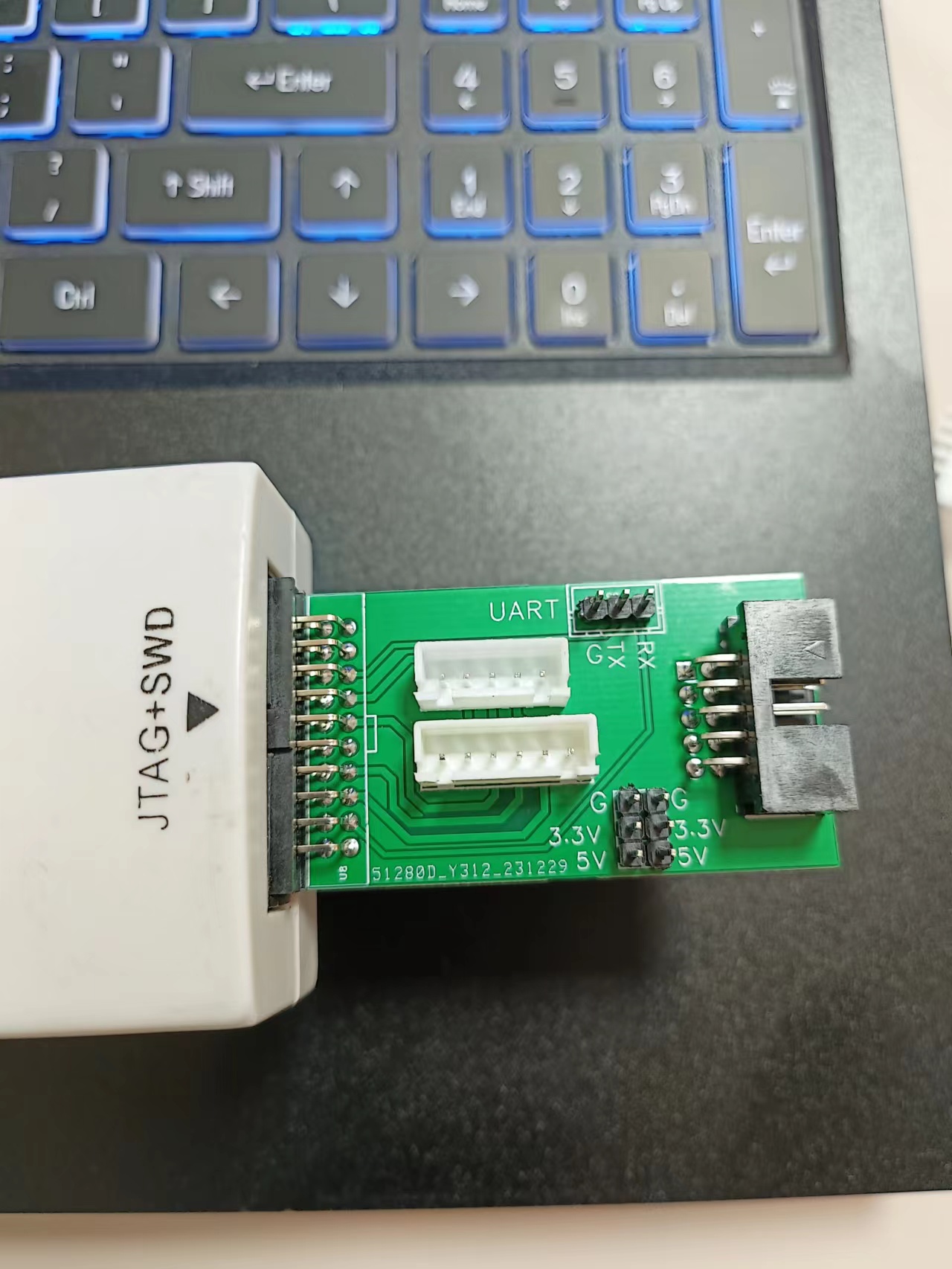
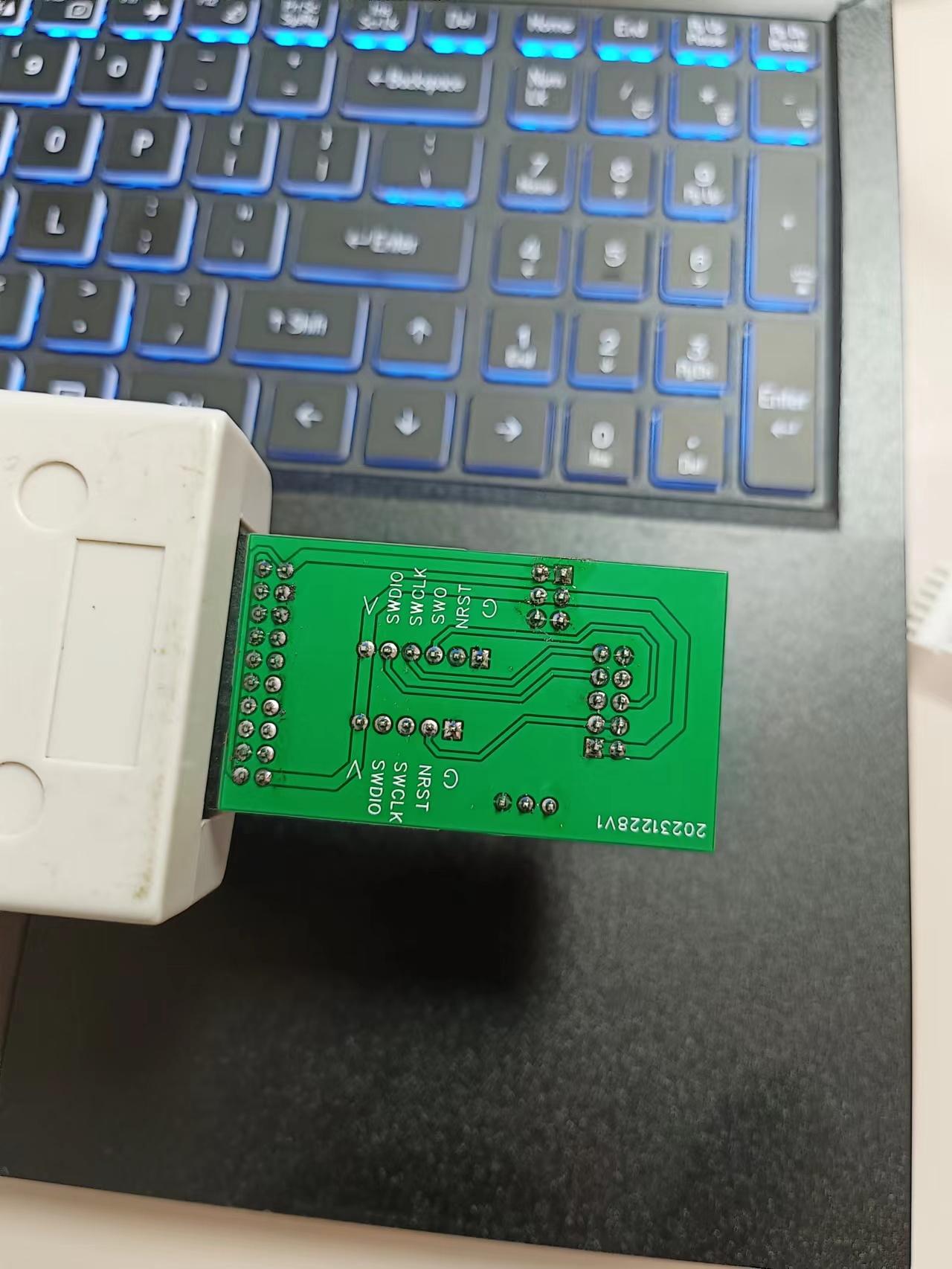
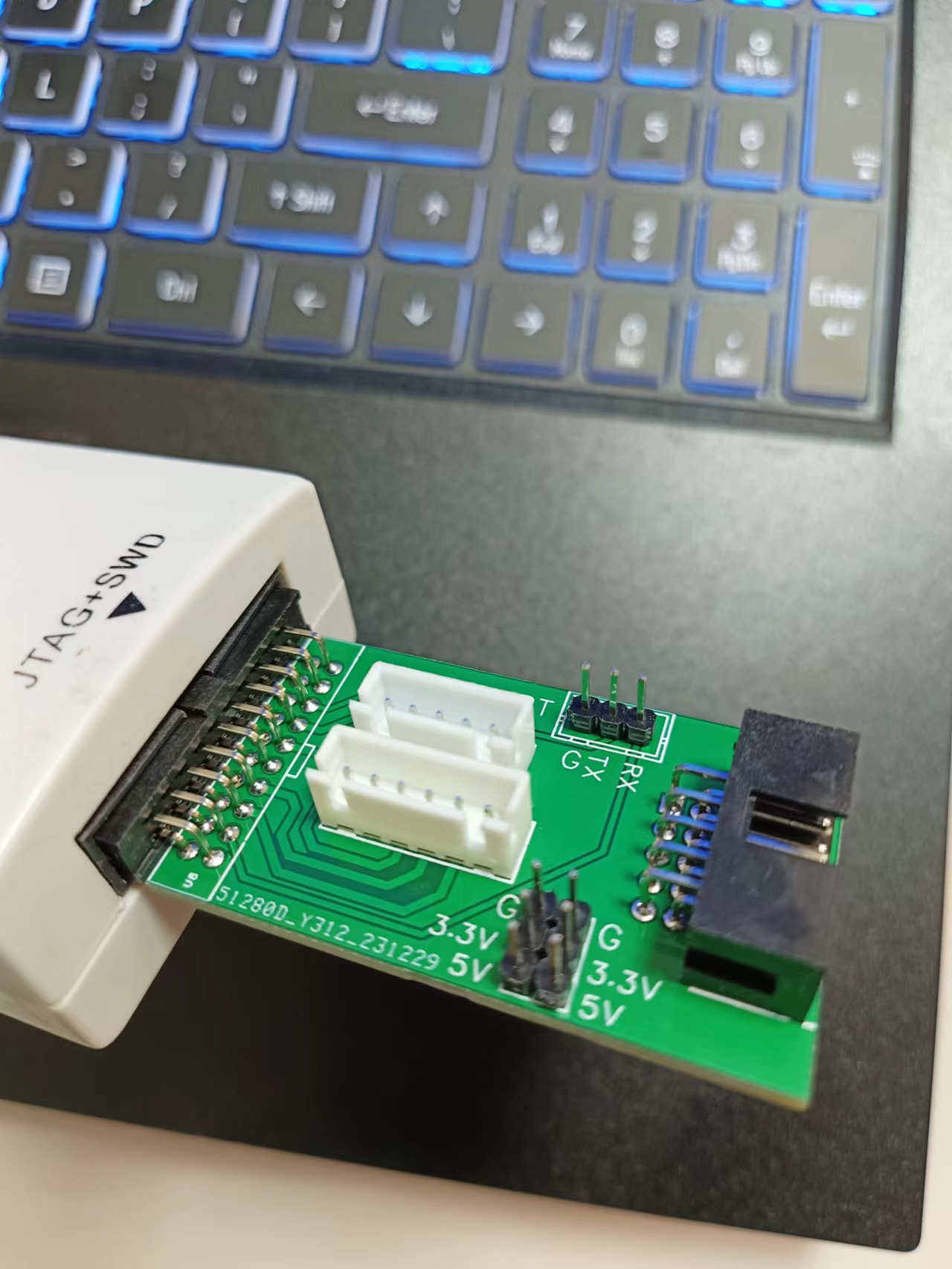
Homemade JLINK interface adapter board
The J-Link adapter board mainly features 5-pin, 6-pin, and 10-pin connectors. It also includes a UART and external power supply. It's relatively simple, but practical.
The J-Link adapter board mainly provides 5-pin, 6-pin, and 10-pin connectors. It also includes a UART and external power supply. It's relatively simple but practical.
One issue arose during testing: I initially intended to bring out the 5V output, but it turned out to be only 3.3V. Otherwise, there were no problems.
PDF_JLINK Interface Adapter Board (DIY) .zip
Custom-made Altium JLINK interface adapter board. (zip)
Homemade PADS_JLINK interface adapter board. (zip)
Homemade BOM_JLINK interface adapter board.xlsx
96016
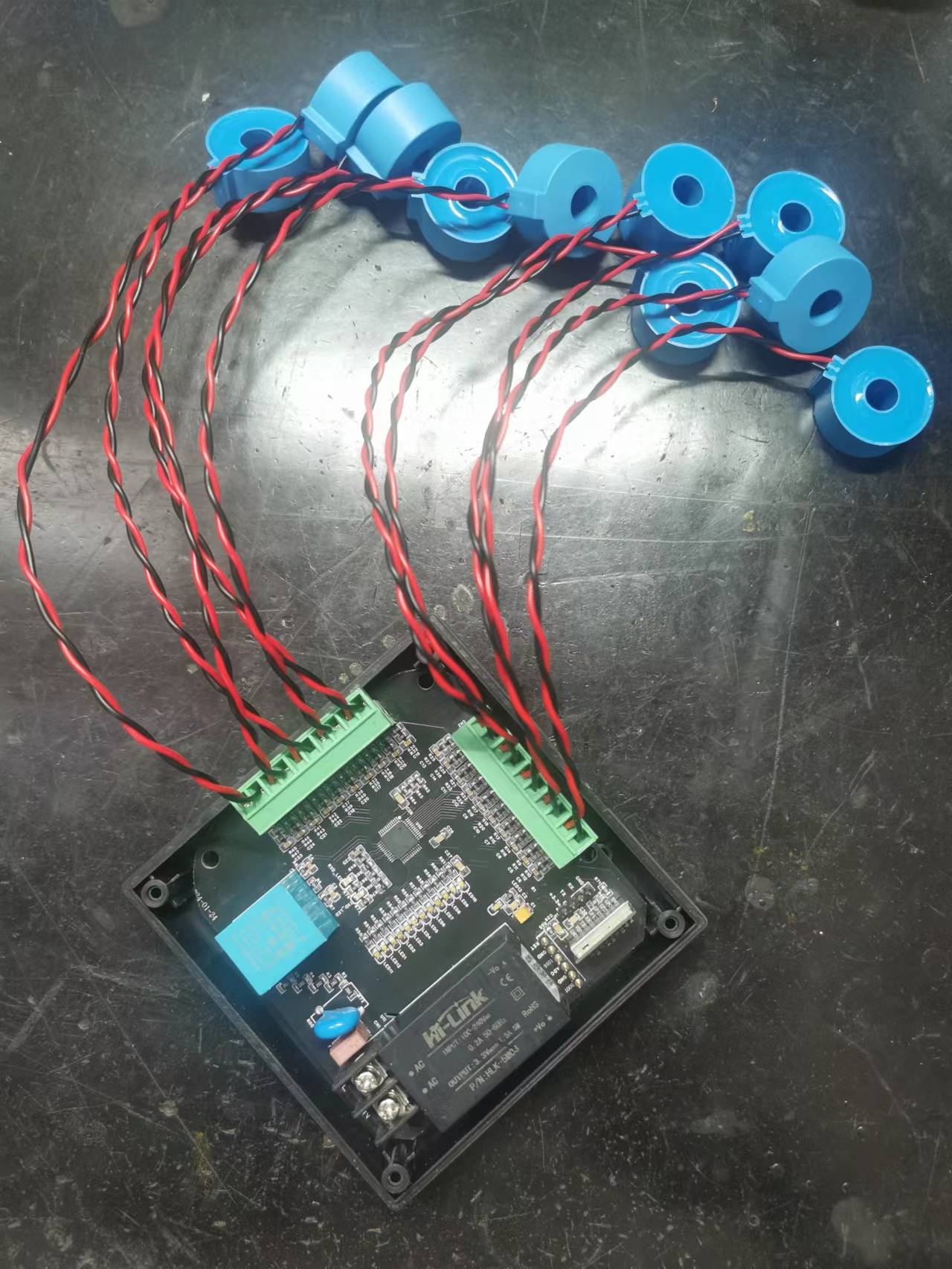
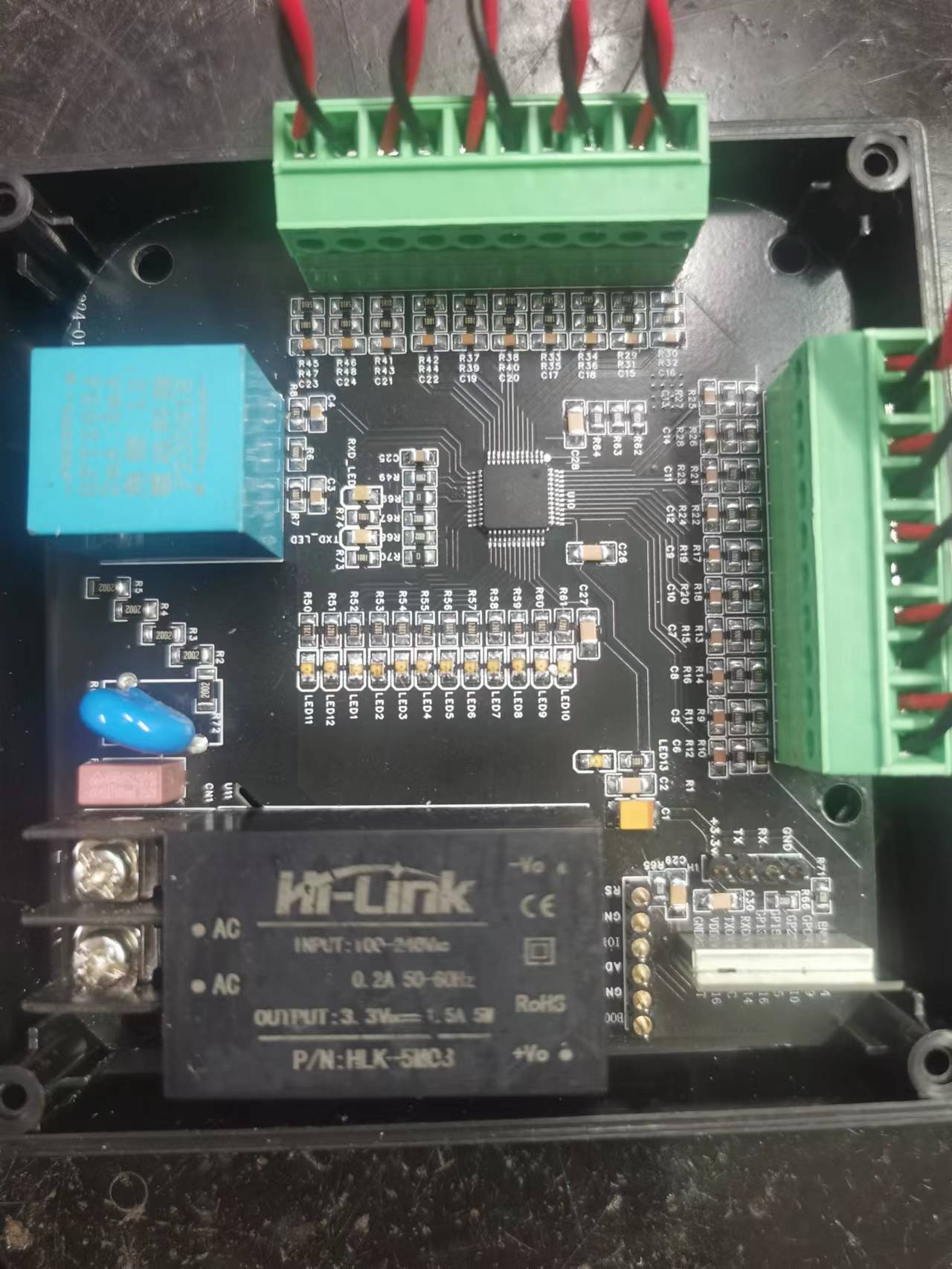
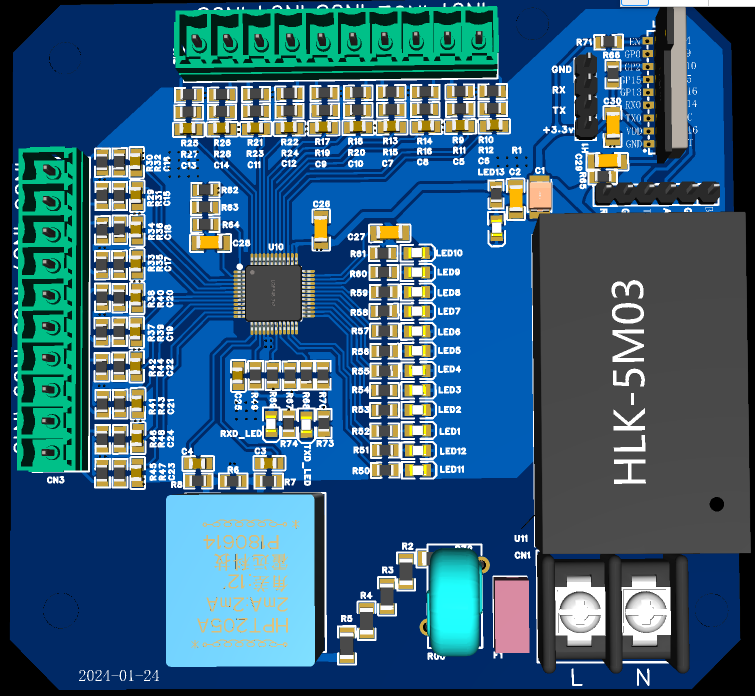
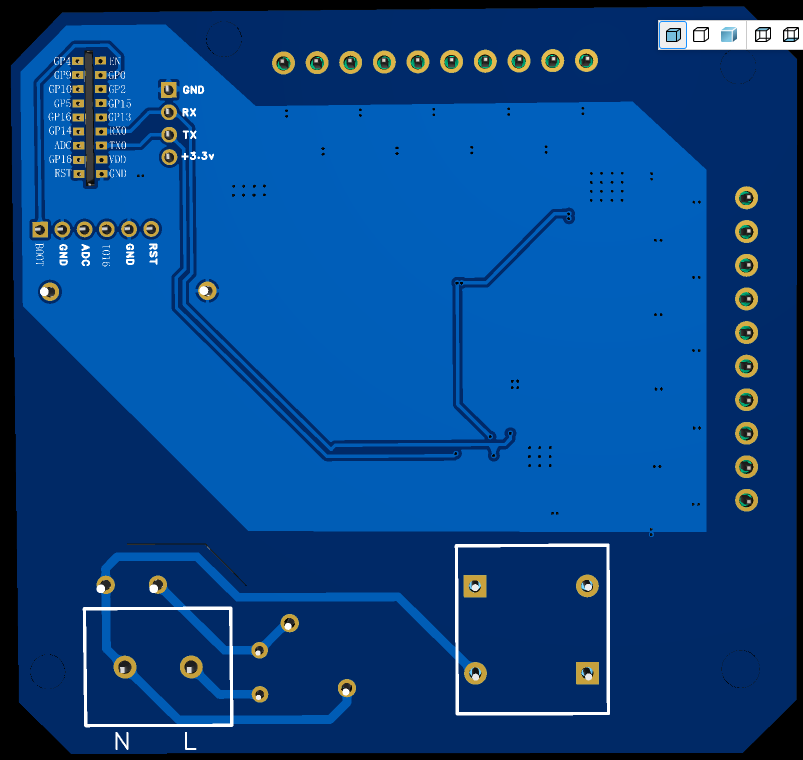
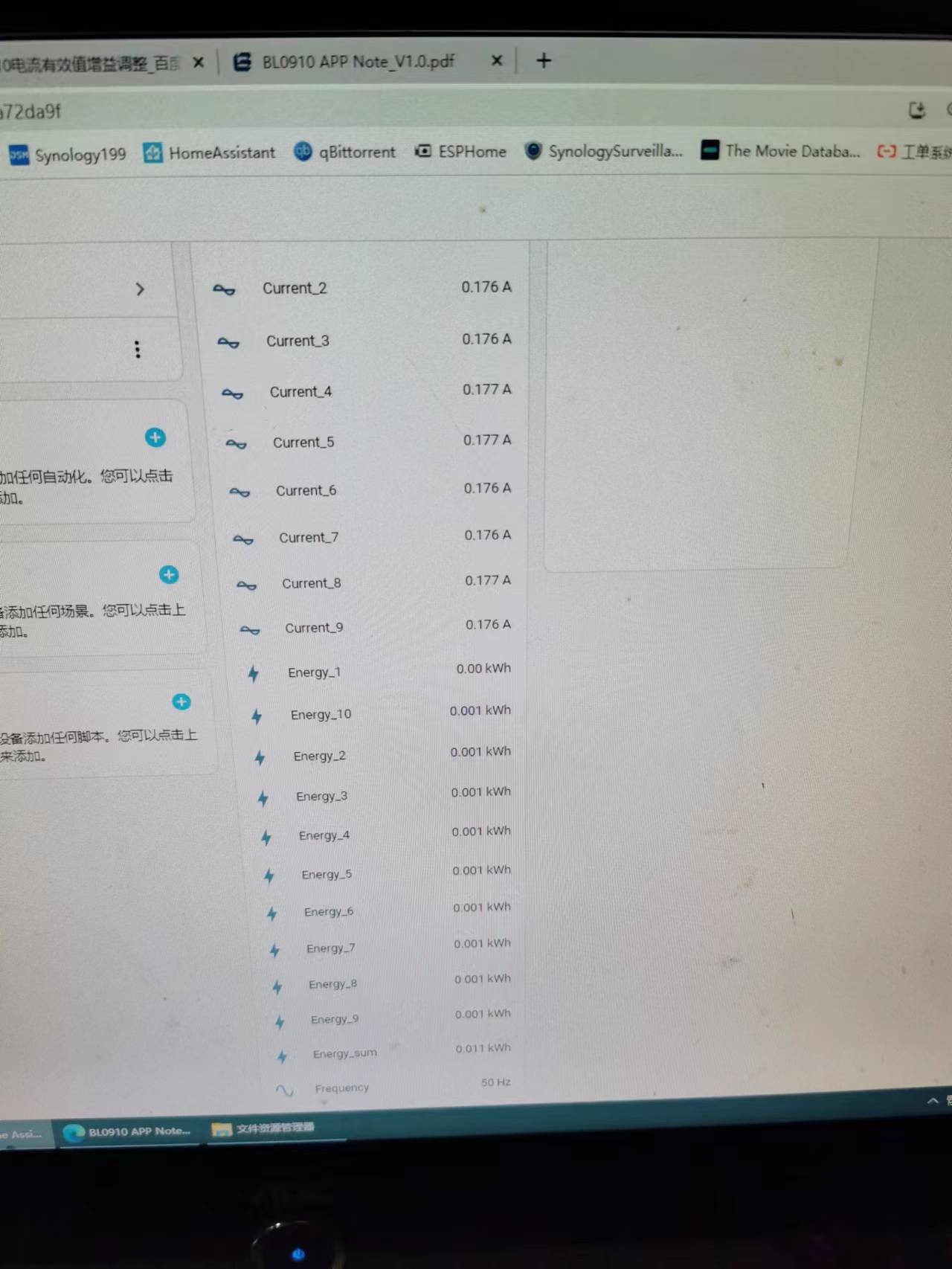
ESP8525 controls BL9010 to collect 10-channel power data.
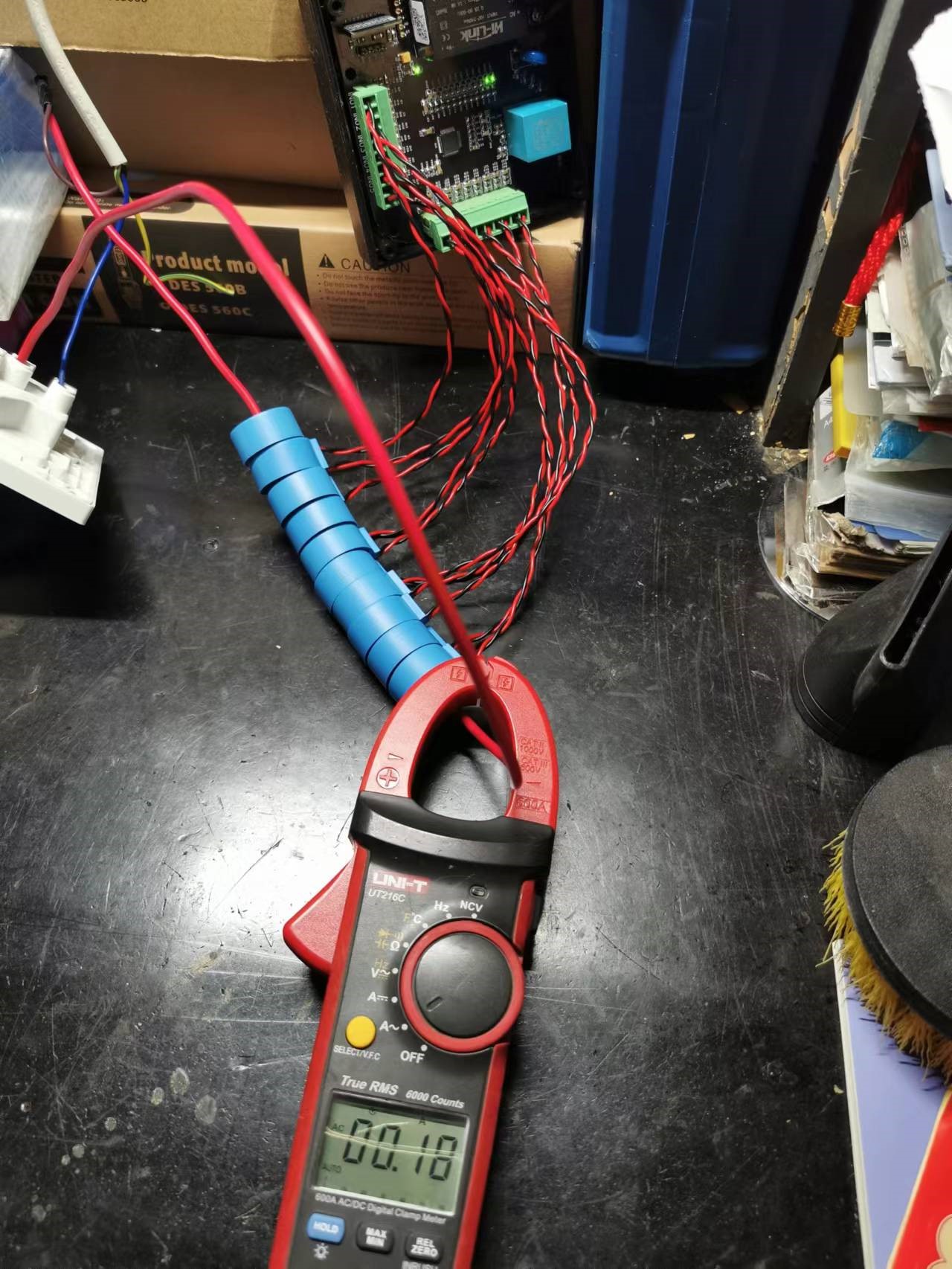
It can be integrated with the HomeAsistant smart home platform to collect data from 10 energy meters, sharing one voltage channel and connecting it to 10 current channels to generate 10 energy meter readings.
This design is based on polisher's [Hardware DIY] "DIY ESPhome: Homemade Multi-Channel WiFi Power Meter for Beginners". The original hardware was for 6 channels. This design was adjusted and rearranged, with external components modified according to the Belling BL0910 PDF, and register parameters modified as described in the original. It was prototyped and successfully tested at JLCPCB to achieve 10-channel power acquisition. Components meet Belling's accuracy and parameter requirements. The WiFi chip used is the ESP8285. Status indicator lights and overcurrent indicator lights for each channel were added for easier monitoring of RXD and TXD transmission/reception. Other issues can be found in the original author's documentation.
BL0910.zip
EspHome.docx
PDF_ESP8525 Controlling BL9010 to Collect 10 Channels of Power Data.zip
Altium_ESP8525 controls BL9010 to collect 10-channel power data. (zip file)
PADS_ESP8525 controls BL9010 to collect 10-channel power data. (zip file)
BOM_ESP8525 controls BL9010 to collect 10-channel power data.xlsx
96017
electronic








 京公网安备 11010802033920号


 HDSP-G211-GD000