In our lives, smartphones
occupy most of our time. If you want to create a phone that goes back to basics, one that can only send text messages and make calls, and that you can use cash when you go out, you can start a more relaxed lifestyle, give up the habit of constantly checking your phone, and do more meaningful things.
Simple description of mobile phone functions:
The main interface is built using LVGL, which facilitates later function expansion and maintenance.
It can make and receive calls
and send and receive text messages.
Progress record:
PCB design is completed, and the connection is verified using the core board and adapter board. Awaiting PCB prototyping.
PCB prototyping has been completed, and the delivery date is shown as 4/13. PCB is awaiting receipt. Component procurement
has begun . Component procurement is
complete and awaiting receipt.
Components have arrived and have been signed for.
PCB has arrived, and hand soldering of components
is complete . Firmware is complete.
UI design and
4G communication debugging are complete.
All projects are completed and released. The project
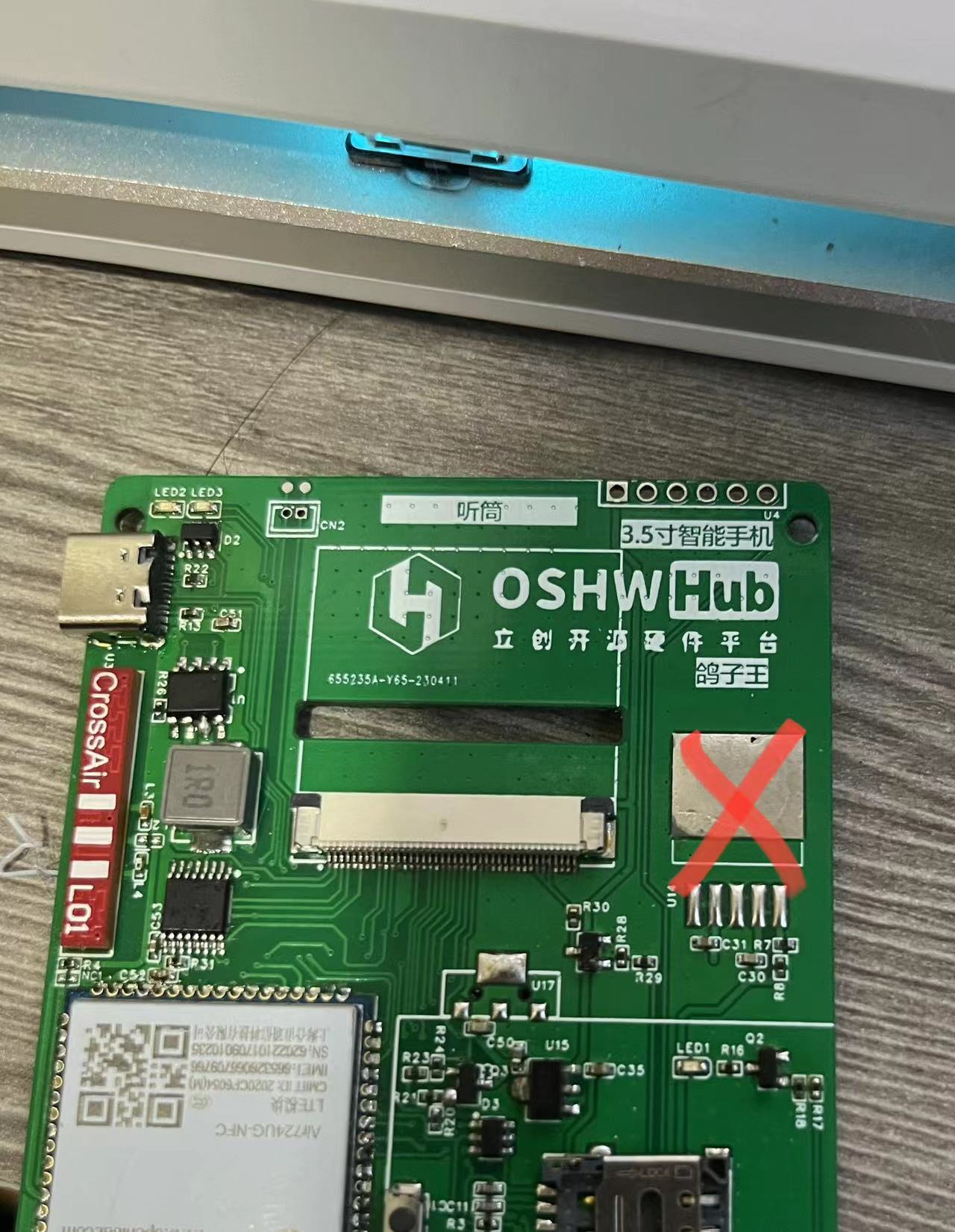
continues to check for missing components and supplement procurement.
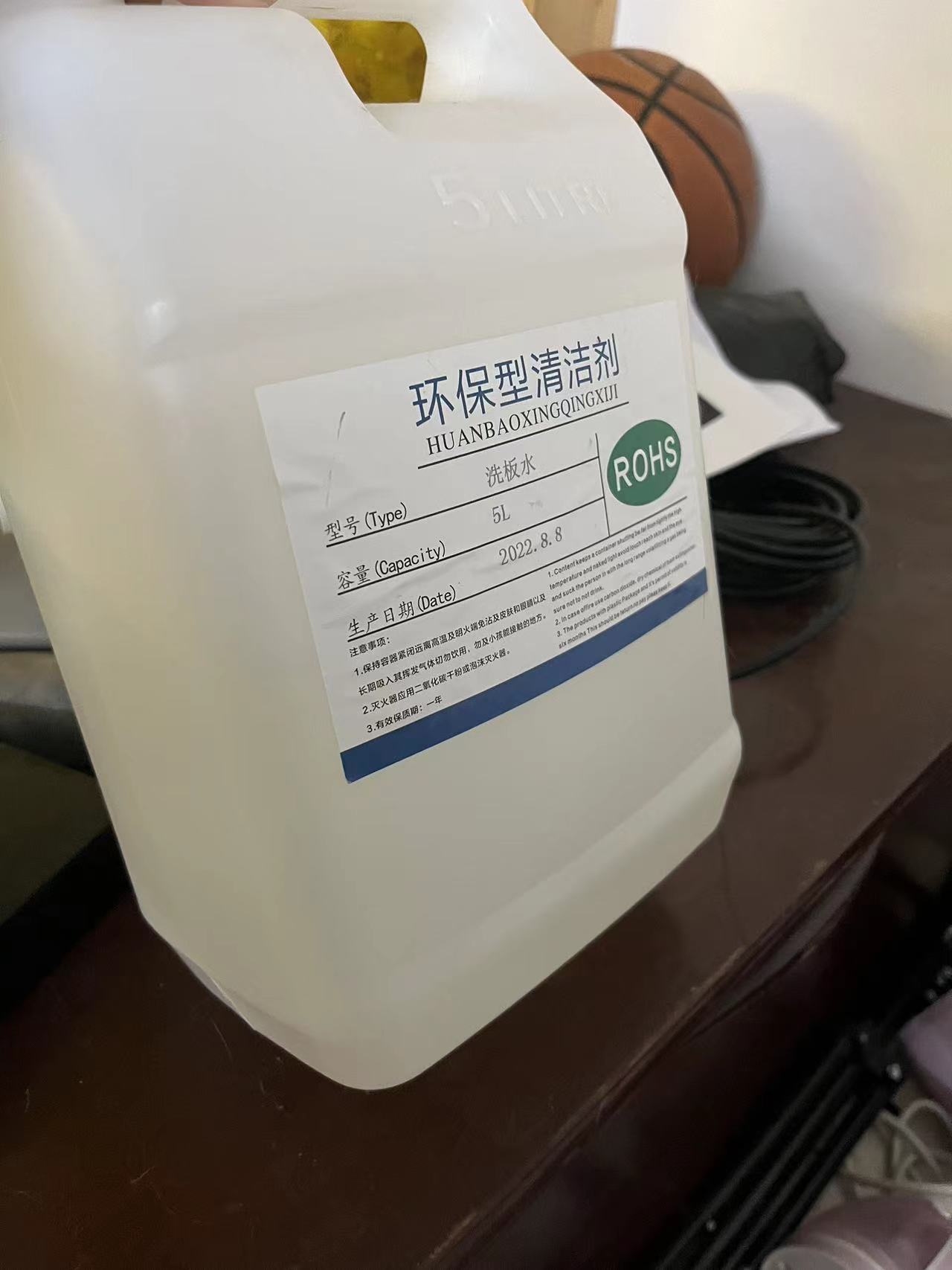
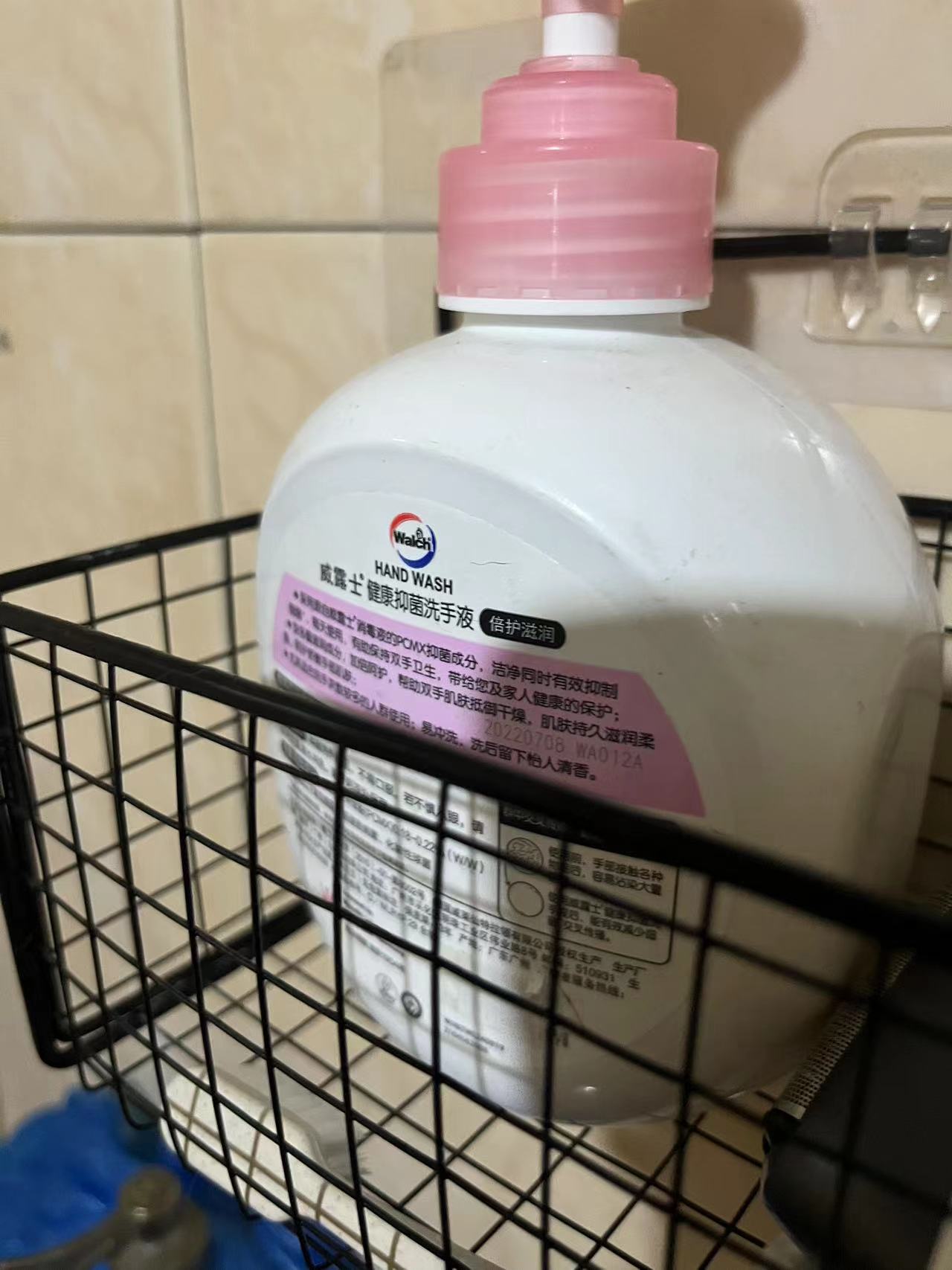
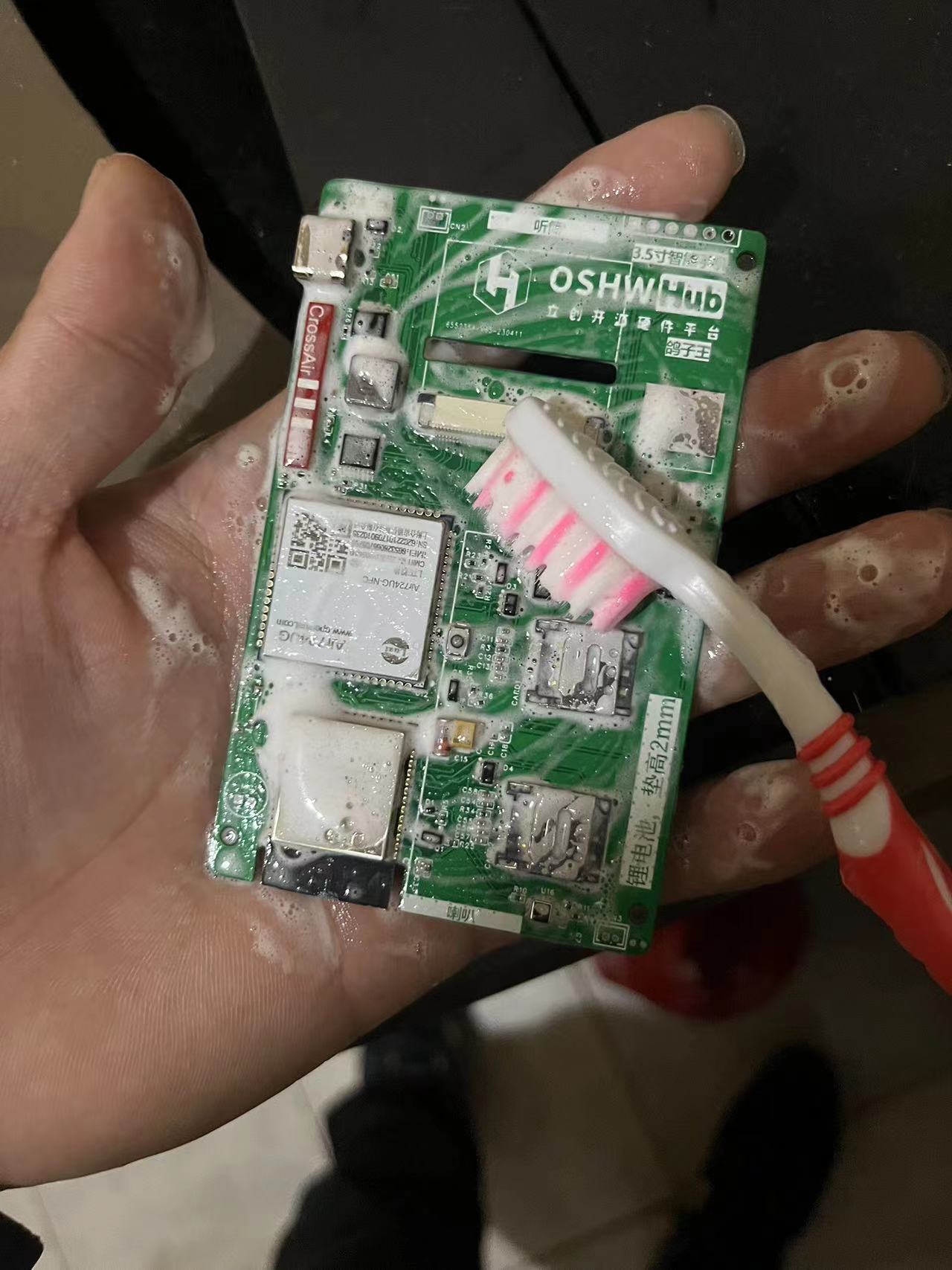
After hand soldering, the PCB is cleaned. Actually, I think using hand soap is better than board cleaning water. After washing and drying, the PCB smells nice.
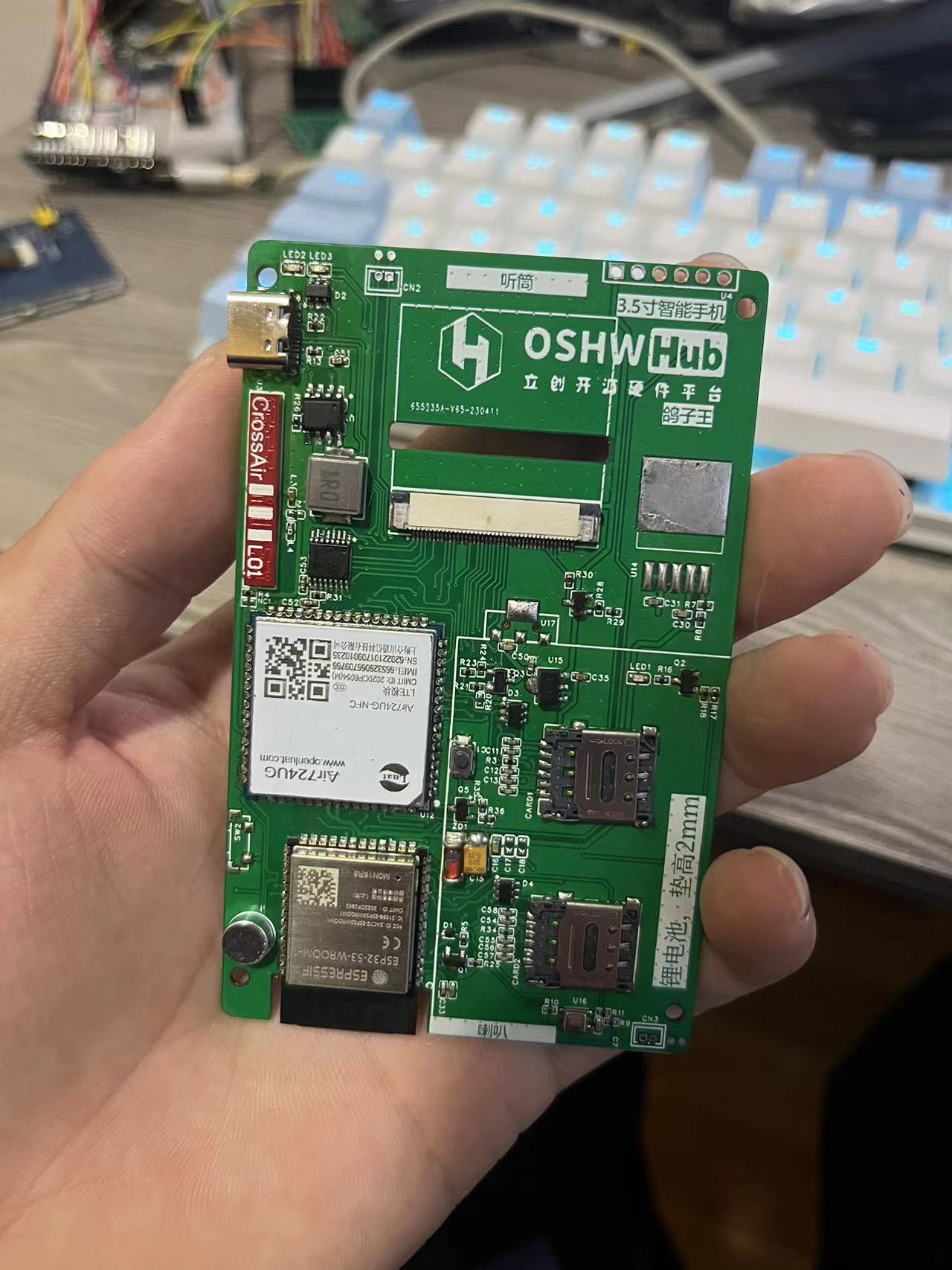
Awaiting the arrival of supplementary procured components. The main open source project used in the project
is ESP-IDF v4.4.4 - Espressif IDF development framework. This project uses this framework to create the system firmware, version release v4.4.
esp_lcd_ili9488 - display driver, I8080 parallel port 8-bit, you can refer to this example (I worked with a foreign expert)
. lvgl - The GUI interface library version must be 8.3.6. The following are
precautions
: To ensure you can expand functionality and use it normally, please read
the firmware source code carefully. When reading the firmware source code, please ensure you are:
familiar with FreeRTOS, especially the threads and queues in RTOS
; proficient in C language development;
familiar with and understand LVGL
; use
the CC BY-NC protocol for RAM. The software and hardware are open source, but only for learning purposes; commercial use is prohibited.
Subsequent additions to
the device should allow normal use of WIFI and 4G internet connection, and also have basic mobile phone functions such as making and receiving calls and sending and receiving text messages. However, in real-life scenarios, mobile payment has become an indispensable part. In addition to implementing basic mobile phone functions, mobile payment also needs to be added. However, the problem is that mainstream mobile payment services such as Alipay and WeChat Pay cannot be used on this device. If the core is changed to RK3588 and the Android system is used, the problem can be solved, but this deviates from the original intention of the project. The mobile payment problem is currently unsolvable.
There's no outer shell available, and I really don't want to model it anymore. Could someone skilled at modeling and making a suitable shell?
Currently, it's a double-layer board with interconnected layers, and impedance is an issue. Later, we could switch to a four-layer board for impedance
matching. Replicating the project would require some expertise. For UI development, NXP's GUI-Guider is much more efficient than Squareline Studio (in my opinion).
We could use reserved memory to implement app installation injection, but I'm not considering those for now. This is just an idea;
I'll work on the system firmware later.








 京公网安备 11010802033920号


 V24C3V3E300B



