Preface:
I've been busy with fall recruitment lately, and to make a good impression on interviewers, I bought a UGREEN USB desktop microphone. However, after using it for a while, I found that although the appearance is very nice, the sound quality is slightly lacking, with a certain deficiency in the mid and low frequencies, making vocals sound like they're on the phone. So, I decided to build my own USB microphone, hoping to surpass the UGREEN in sound quality while also meeting my aesthetic preferences.
Construction Process and Sound Quality Comparison:
[Open Source] 55 Yuan DIY USB Microphone, Sound Quality Surpasses UGREEN's Currently Sold Models? Includes the production process, recitation scene, and sound comparison of the singing scene.
1. Design
1.1 Appearance Design
Software used:
Rhino ,
SolidWorks,
Keyshot.
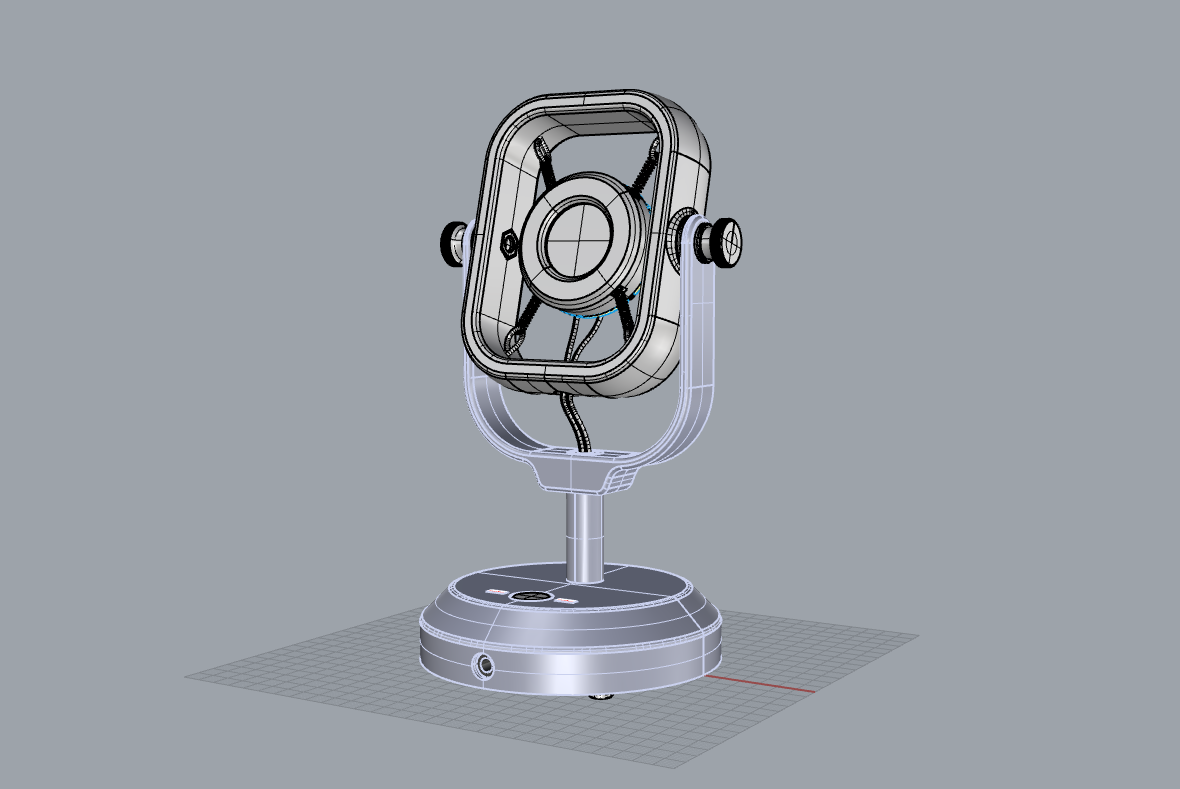
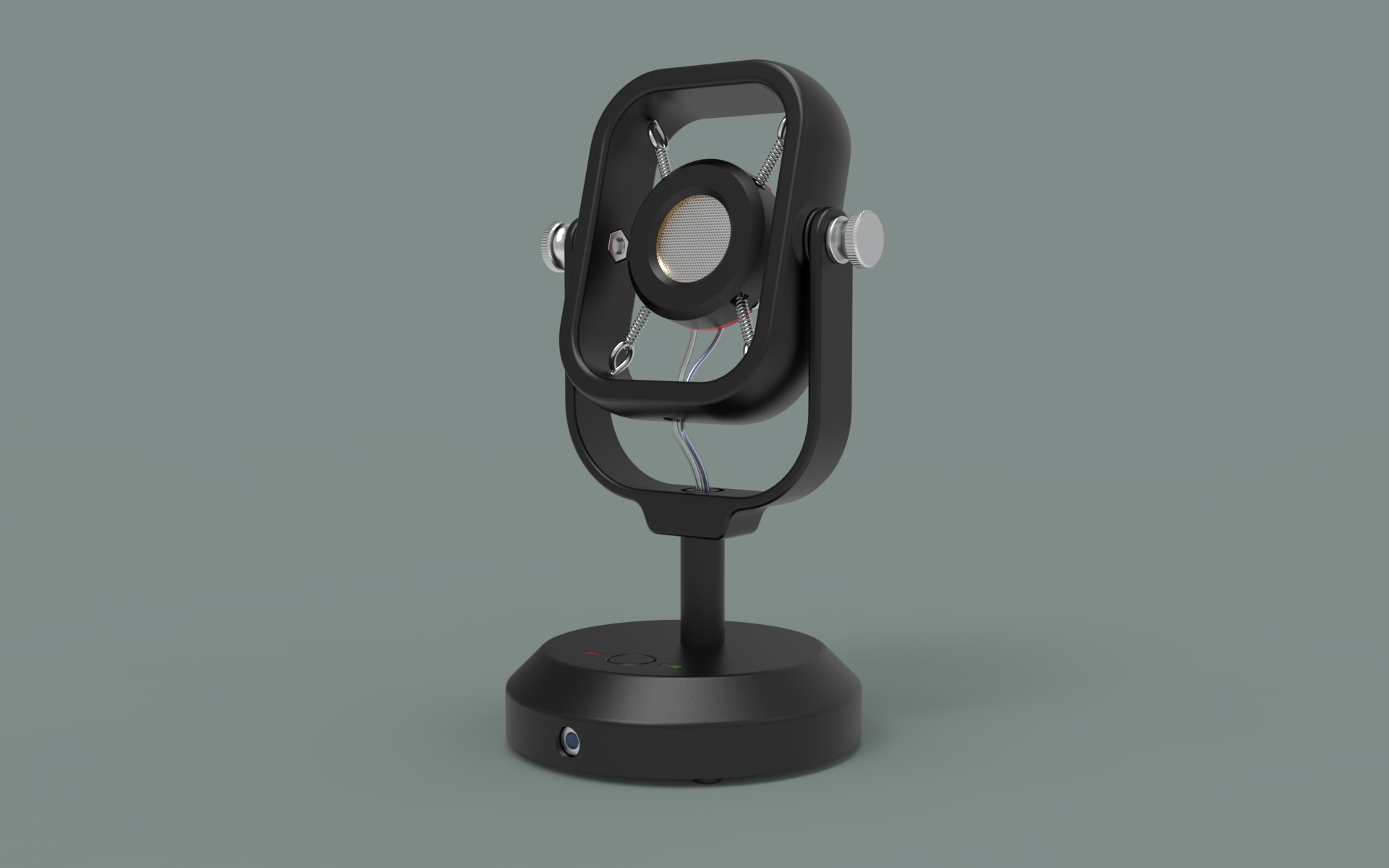
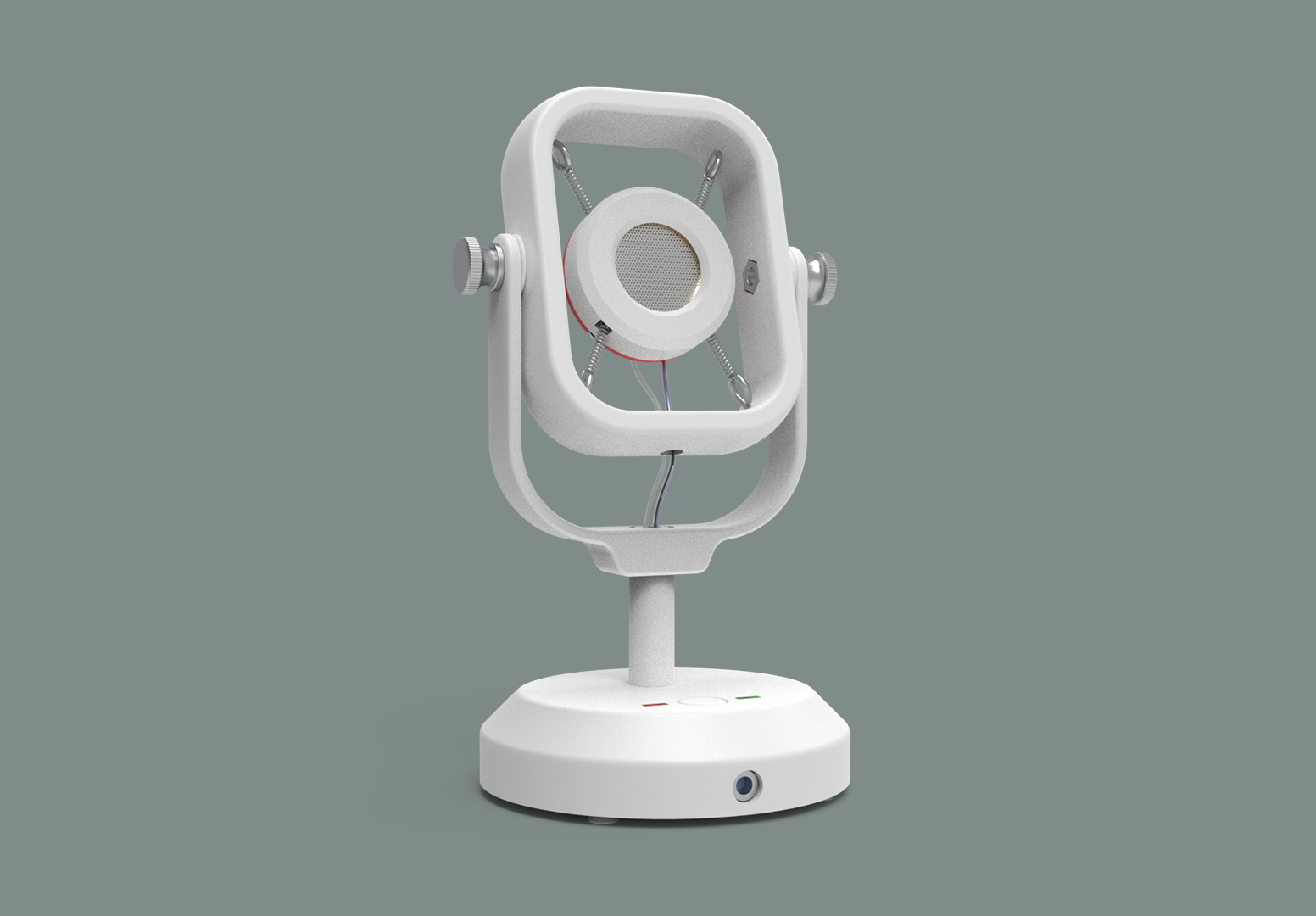
Rhino is used for 3D design expression; SolidWorks is used for modeling parts that require precision (such as screws and nuts); Keyshot is used for rendering renderings and showcasing animations.
Rhino modeling effect demonstration:
Black microphone rendering effect:
White microphone rendering effect:
1.2 PCB Design
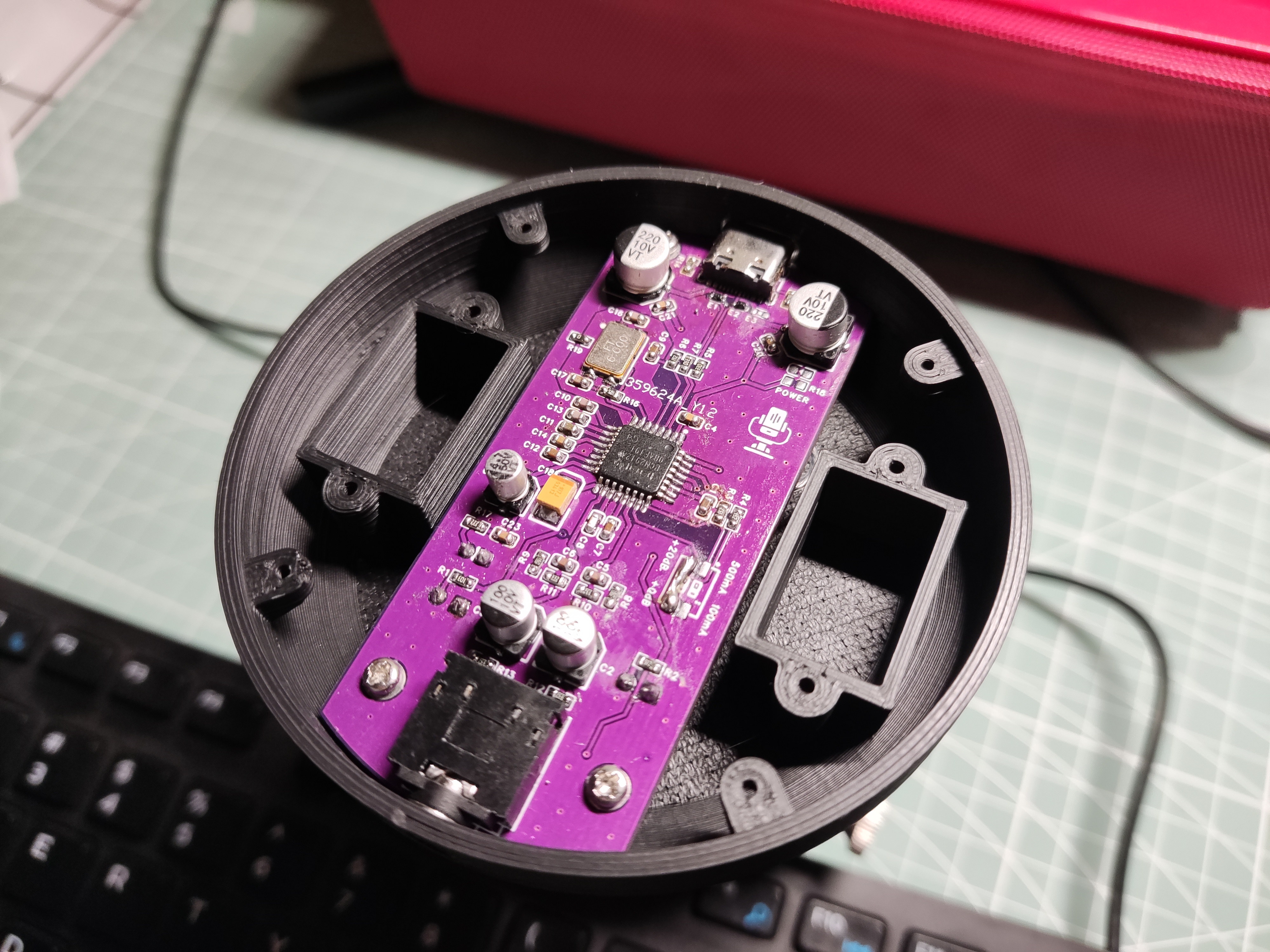
The PCB was designed using LCSC EDA
, mainly referencing the schematic diagram in the PCM2912A EVM user manual. Only some filter capacitor parameters were changed, and the bias resistor value was changed according to the characteristics of the purchased microphone.
PCB physical image:
2. Model 3D Printing
The 3D printing consumables used were Sanlv black matte PLA. I was initially worried that there wouldn't be enough, but in actual use, there were no problems at all. Friends who need to make their own can use PLA material for printing with confidence.
Note: No support is needed for printing any models .
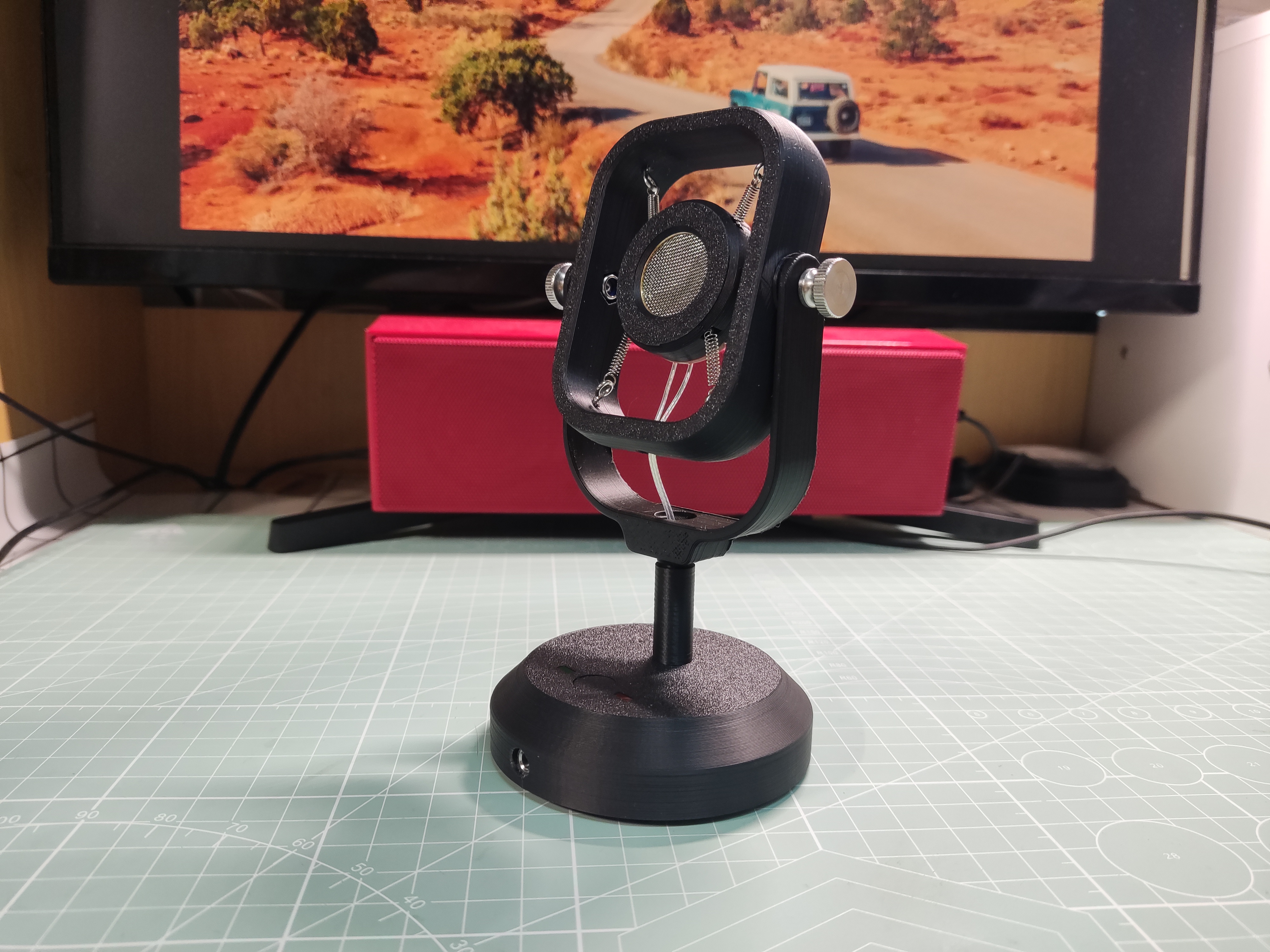
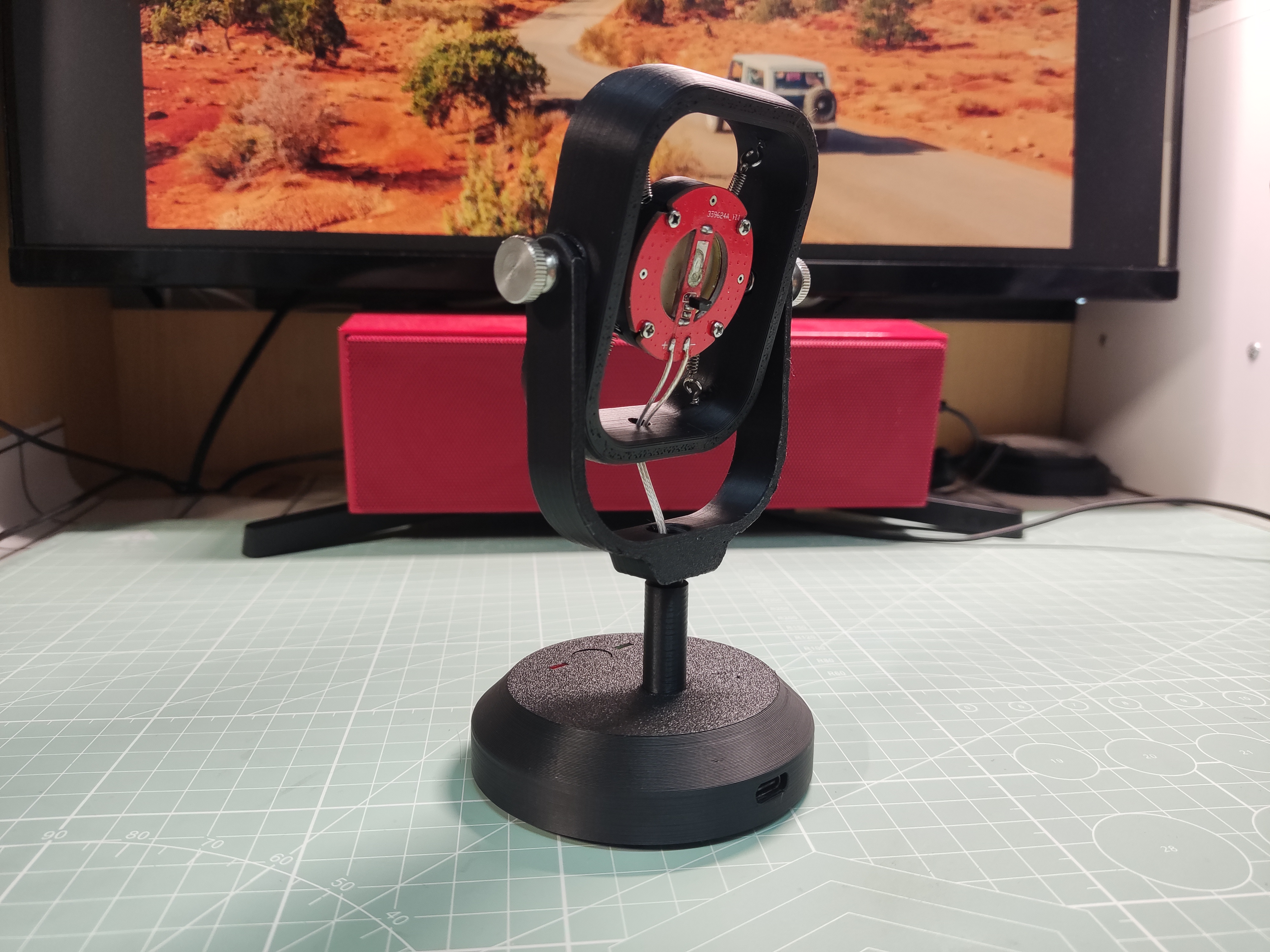
3. Finished Product Image
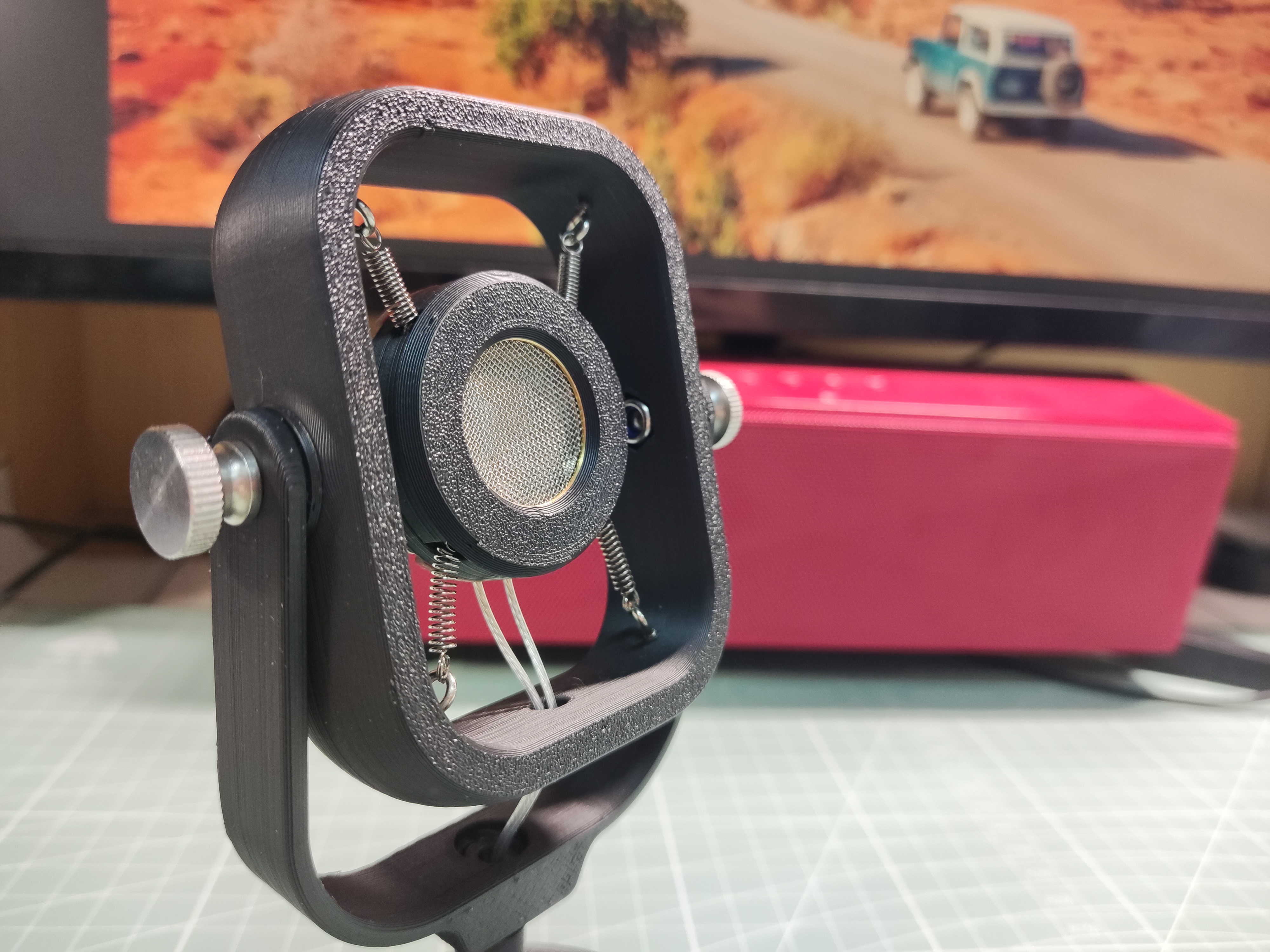
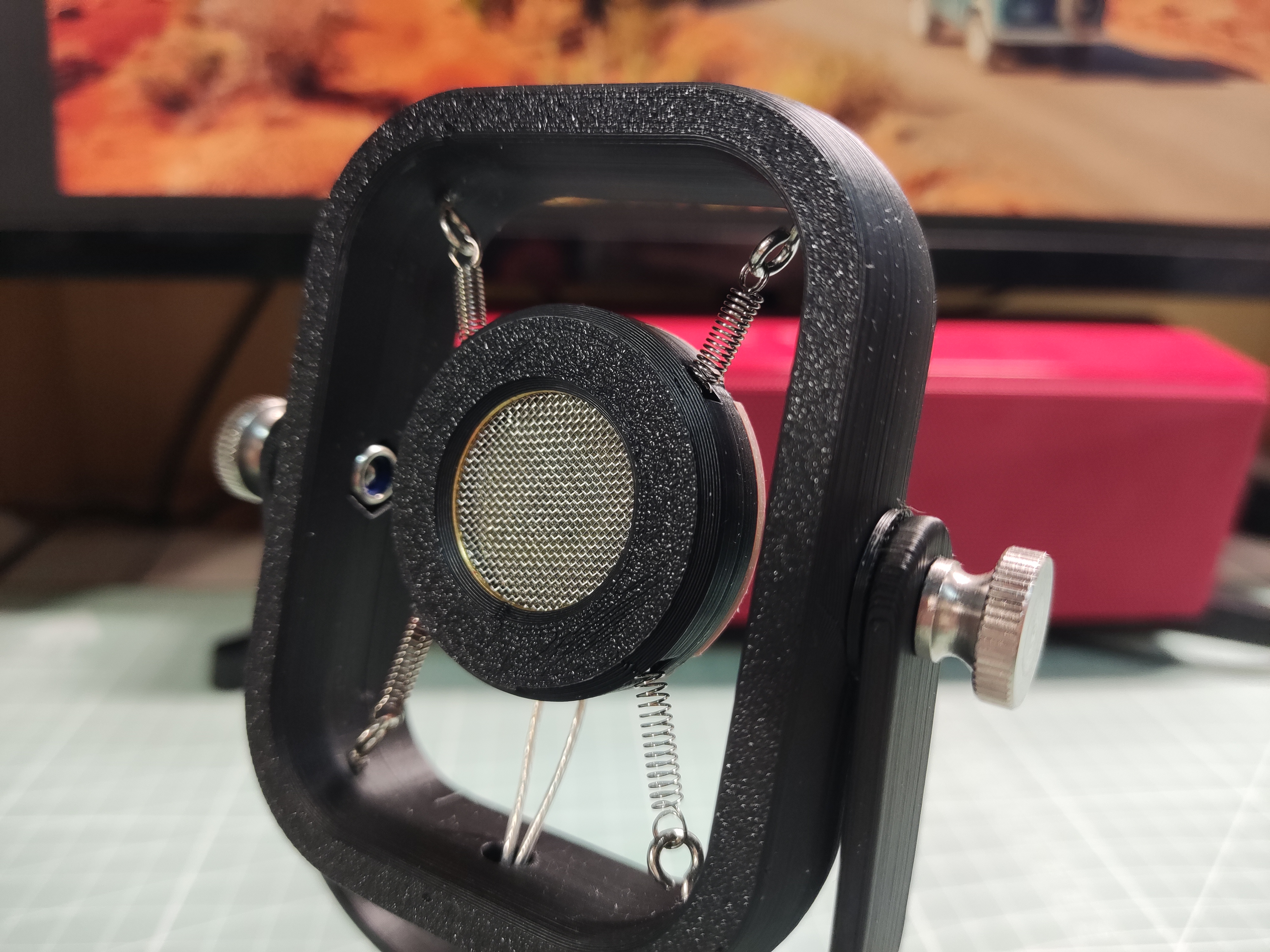
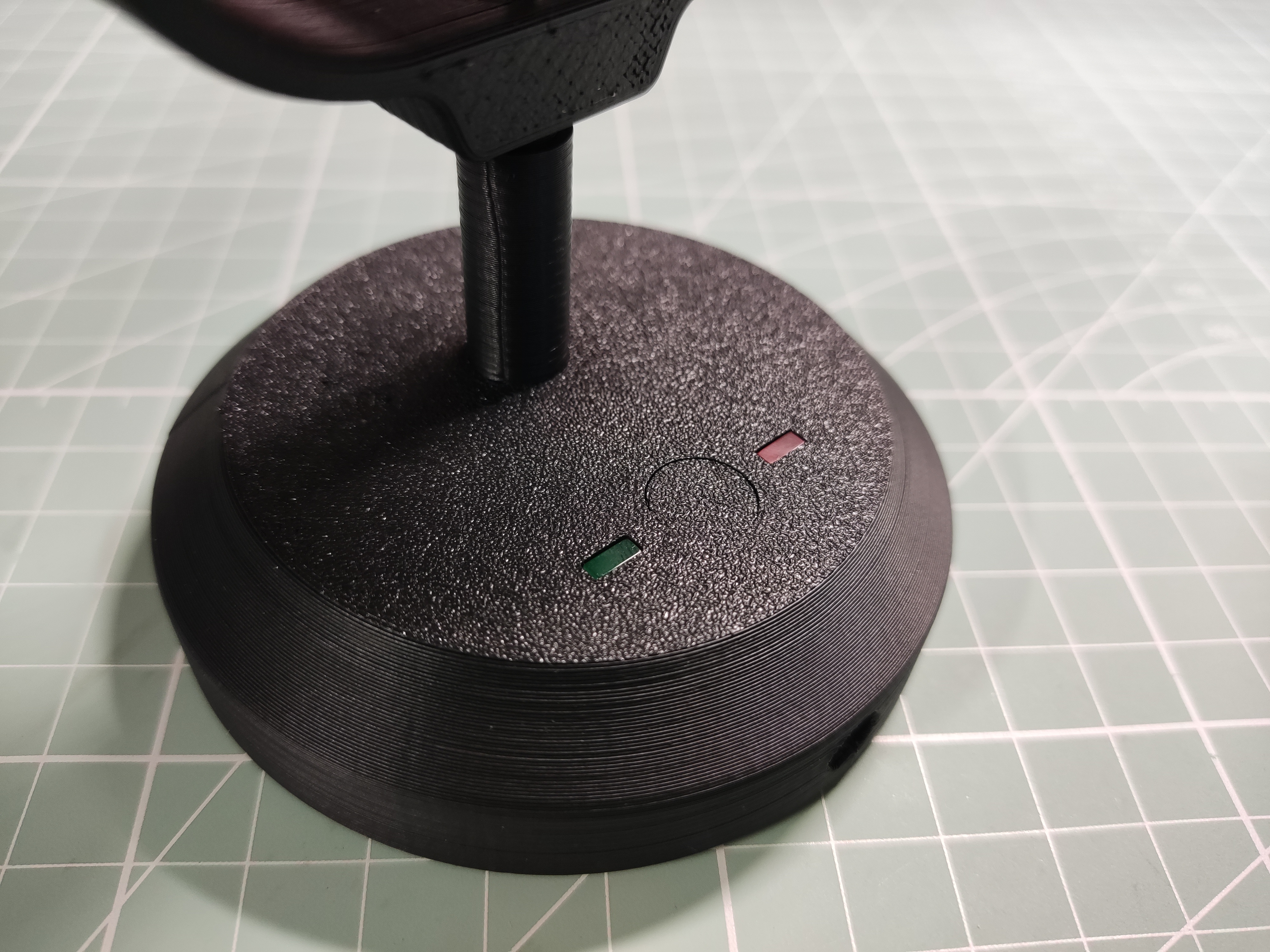
4. !!! Known Issues !!!
This is a record of the known issues. Those planning to build their own should pay close attention. I also sincerely hope that any experts passing by can offer some guidance; thank you in advance!
4.1 The
built-in microphone has noticeable background noise after amplification, measured at around -50dB, which I personally find acceptable. The background noise disappeared after replacing it with a smaller electret microphone capsule, suggesting that the larger capsule is more susceptible to interference. Perhaps adding a metal mesh shield would solve the problem.
4.2 The mute button needs to be changed to a self-locking type .
The PCM2912A chip manual states that the mute function should be triggered by a non-self-locking button, but my current microphone requires holding down the button for the mute function to activate. This means the mute button needs to be a self-locking switch. However, this doesn't align with actual usage logic, and I'm currently investigating the problem.
The evaluation board also uses a microswitch for the mute button. Therefore, I suspect it's due to a counterfeit chip or some other unknown reason.
4.3 Teflon wire is relatively stiff.
The signal wire I used in the finished product has Teflon insulation, which is relatively stiff and affects the adjustment of the microphone angle. I suggest replacing it with silicone insulation or using enameled wire instead.








 京公网安备 11010802033920号


 19 41 001 2600