4Q3WAobc

USB portable audio decoder based on PCM2706

 
Overview
Project Description
: Currently, most mobile phones have removed the 3.5mm headphone jack, forcing users to use wired headphones via a Type-C to 3.5mm adapter. To protect audio signals from interference from the phone's internal circuitry and improve headphone performance, "phone cannons" have become increasingly popular. These cannons are plug-and-play audio decoders and amplifiers for mobile phones, essentially D/AC+Amplifiers. The advantage of an external D/AC converter is its ability to isolate complex noise from internal circuitry, resulting in cleaner output audio.
Audio decoding isn't limited to mobile phones; it can also be used in personal computers. However, computer audio decoding circuits operate in more complex environments. For example, my personal laptop experiences significantly increased audio noise under high load. Therefore, I designed a portable audio decoder (decodes but doesn't amplify the audio signal). The output audio signal can be amplified by another audio amplifier or directly output to headphones.
Open Source License
: GPL 3.0
Project Features

[x] High-quality audio decoding. Using a PCM2706 to I2S converter for ES9023 decoding, according to research and forums, this method produces better sound quality than directly decoding the audio signal from the PCM2706.
[x] One cable handles both power supply and audio input. Only a single toC data cable is needed to connect to a computer or mobile phone to power the decoder and input digital audio signals.
[x] Low cost and moderate design difficulty.
[x] Small size and portable.

Project Attributes:
This project is being publicly disclosed for the first time and is my original work. This project has not won any awards in other competitions.
Project Schedule


Timeline
Events


: 2024.3.13
Schematic diagram drawn


2024.3.19
PCB design completed


2024.3.25
First version physical soldering verification completed, minor issues found, rework and modifications completed


2024.3.26
Second version PCB drawing completed, awaiting physical verification


2024.4.1
Second version physical soldering test completed, functionality meets expectations


2024.4.2
3D shell design completed


2024.4.12
Demo video recording completed


2024.4.22
3D shell installation completed!


Design Principle:
The computer's digital audio signal is obtained through a USB-A interface, input via USB Type-C on the decoder side, output as an I2S signal via PCM2706, then decoded by ES9023, and finally output as an audio signal to headphones through a 3.5mm headphone jack.
Design Notes:

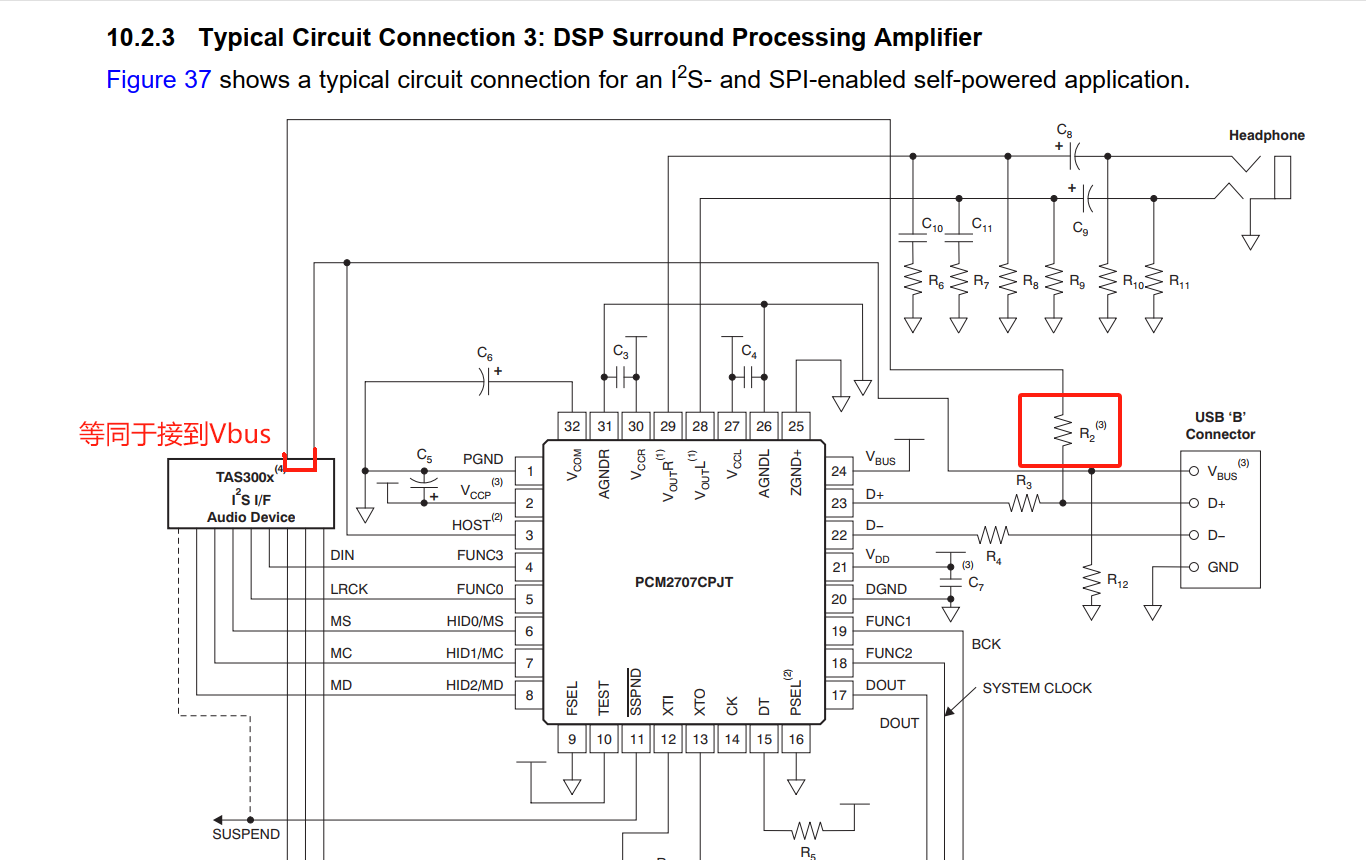
The 1.5K resistor here must be pulled up to VBUS; otherwise, the PCM2706 will not work (pay close attention to the schematic).
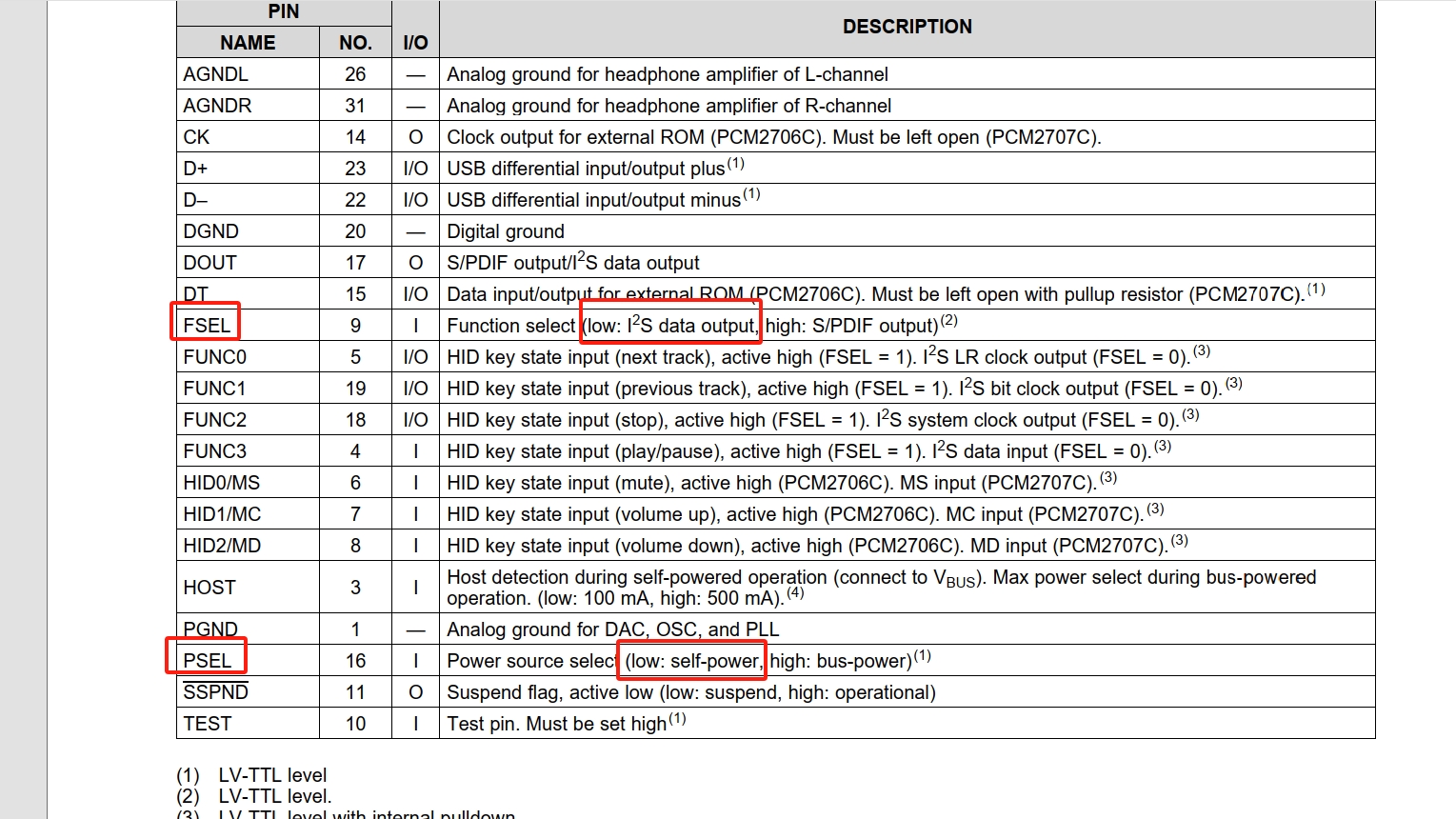
FSEL and PSEL should be pulled low. Pulling FSEL low controls the output I2S signal; pulling PSEL low uses self-power mode.
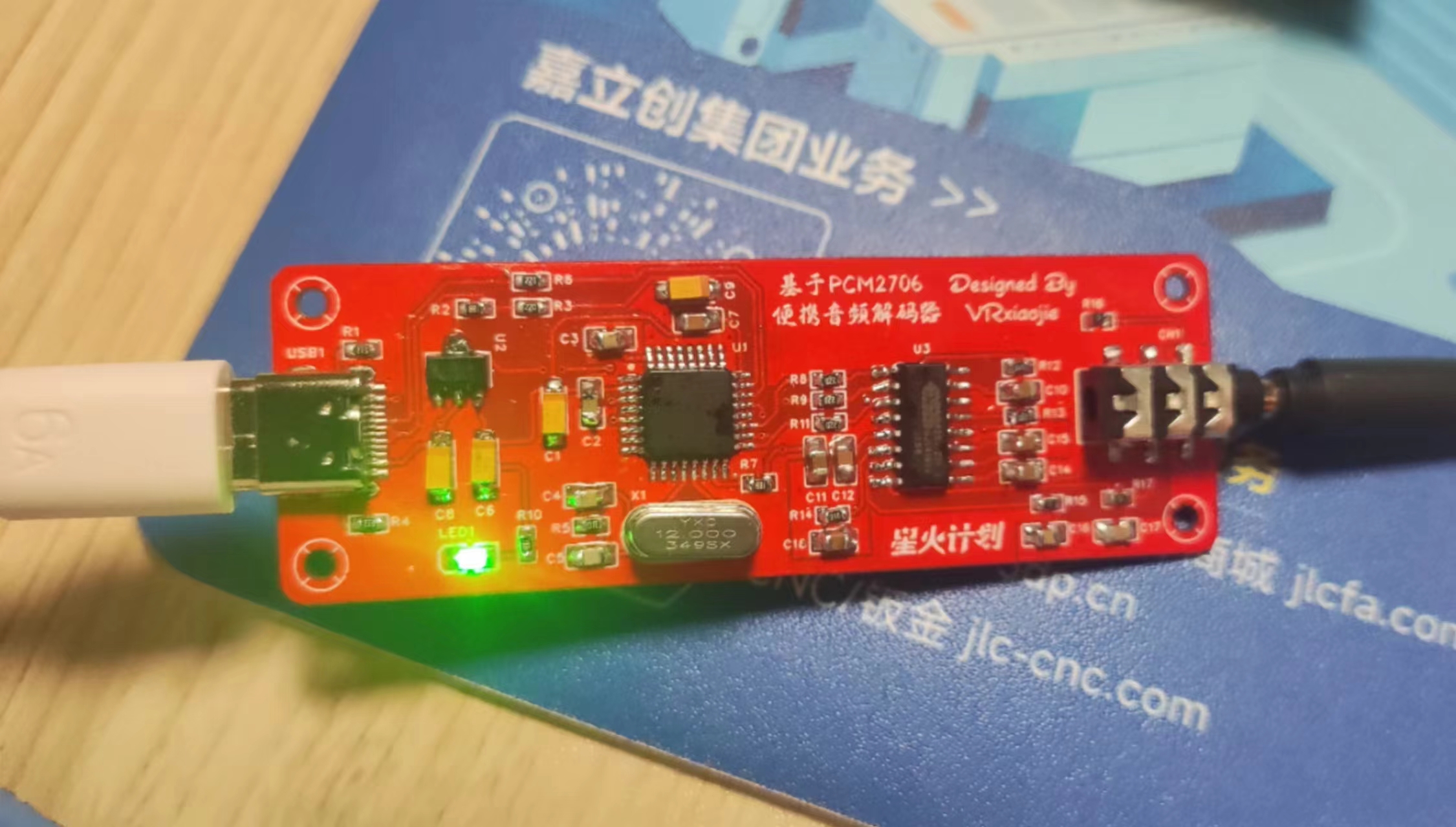
Bare Board Appearance:
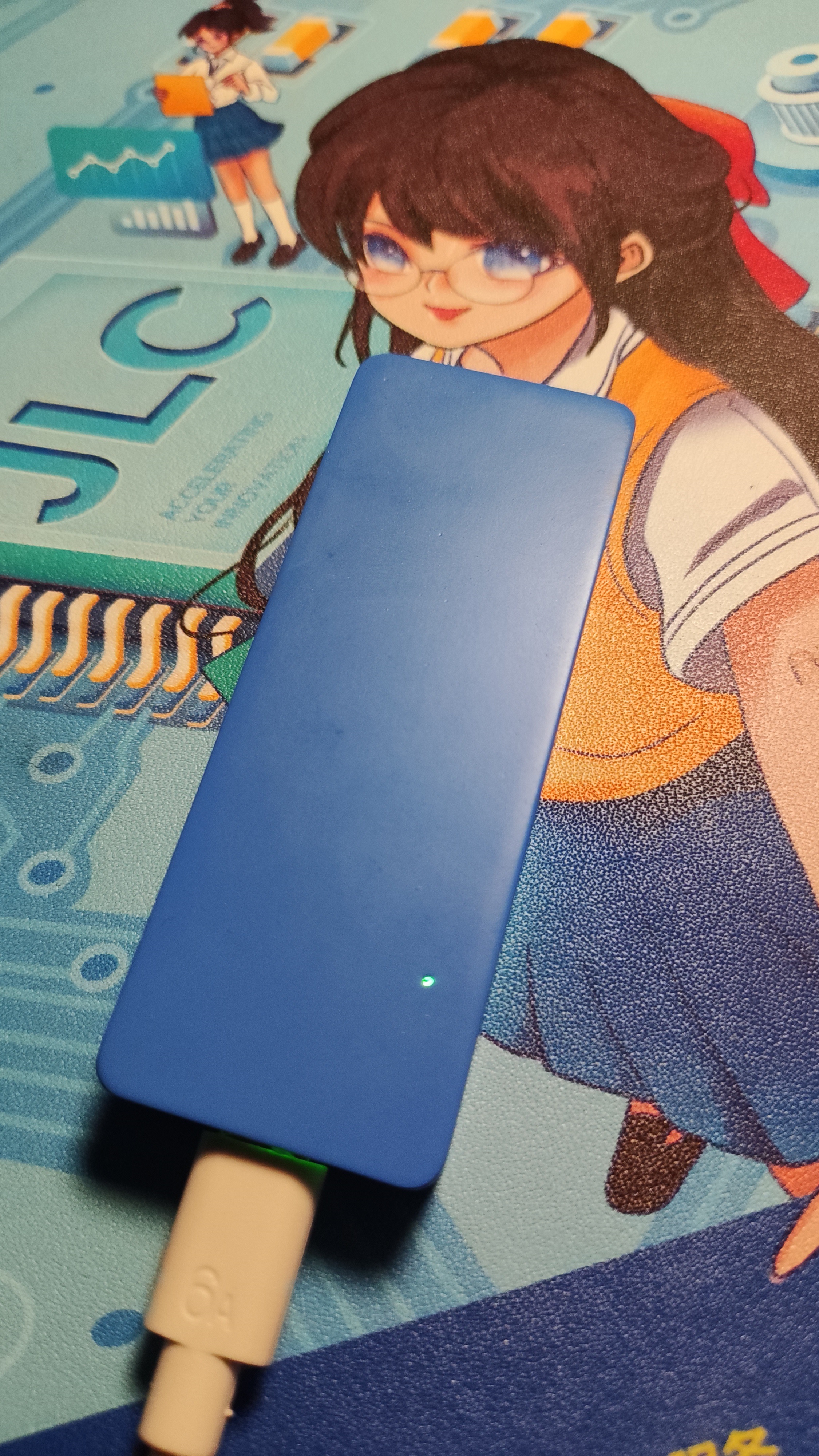
Add a 3D printed shell;
refer to
PCM2706C+ES9023P-USBDAC.

参考设计图片
×
 
 
Search Datasheet?

Supported by EEWorld Datasheet

Forum More
Update:2026-03-27 01:43:43
  • EPSON R310 Problems
  • Who has done gpio development?
  • [Extremely Confused] Simulate Keyboard Input
  • Exiao's Beaglebone Peripheral Circuit Design Finals - Trial Week Plan
  • 【ESP32-Korvo Review】+ 02 Software Construction
  • DE0-NANO fpga board replaced with Raspberry Pi or Beaglebone black

EEWorld
subscription
account

EEWorld
service
account

Automotive
development
community

Robot
development
community

About Us Customer Service Contact Information Datasheet Sitemap LatestNews



Room 1530, 15th Floor, Building B, No.18 Zhongguancun Street, Haidian District, Beijing, Postal Code: 100190 China Telephone: 008610 8235 0740

Copyright © 2005-2024 EEWORLD.com.cn, Inc. All rights reserved 京ICP证060456号 京ICP备10001474号-1 电信业务审批[2006]字第258号函 京公网安备 11010802033920号