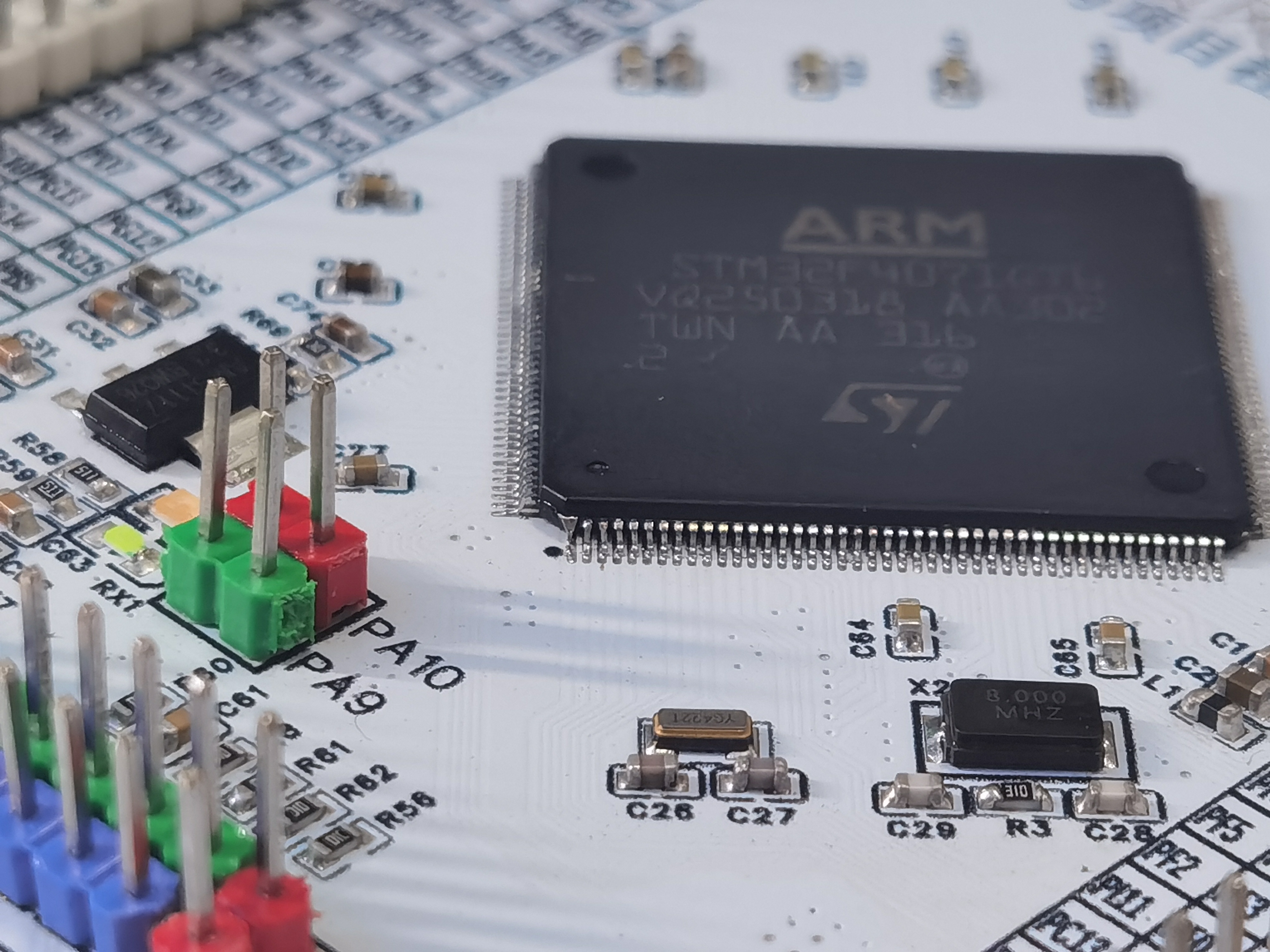
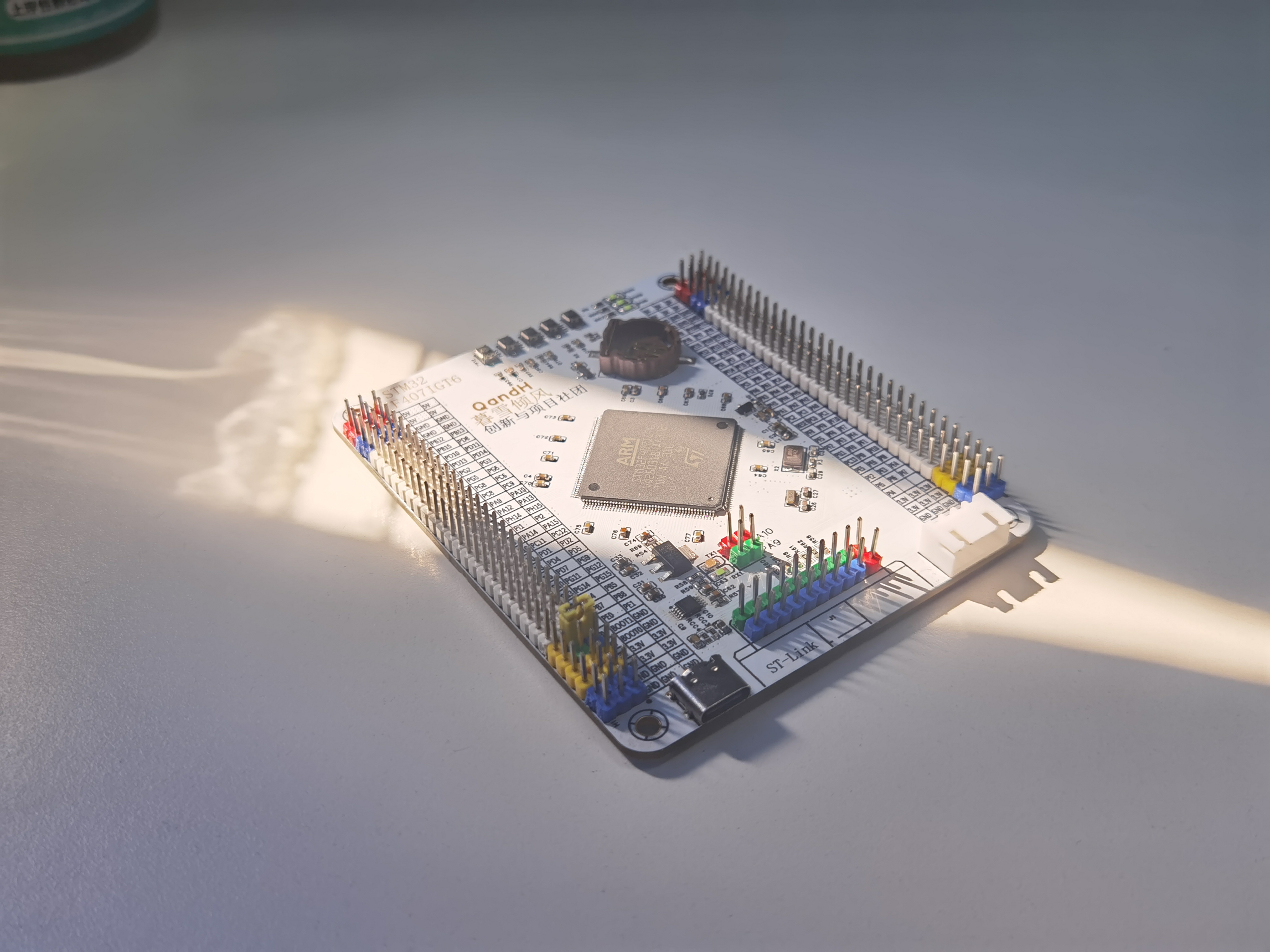
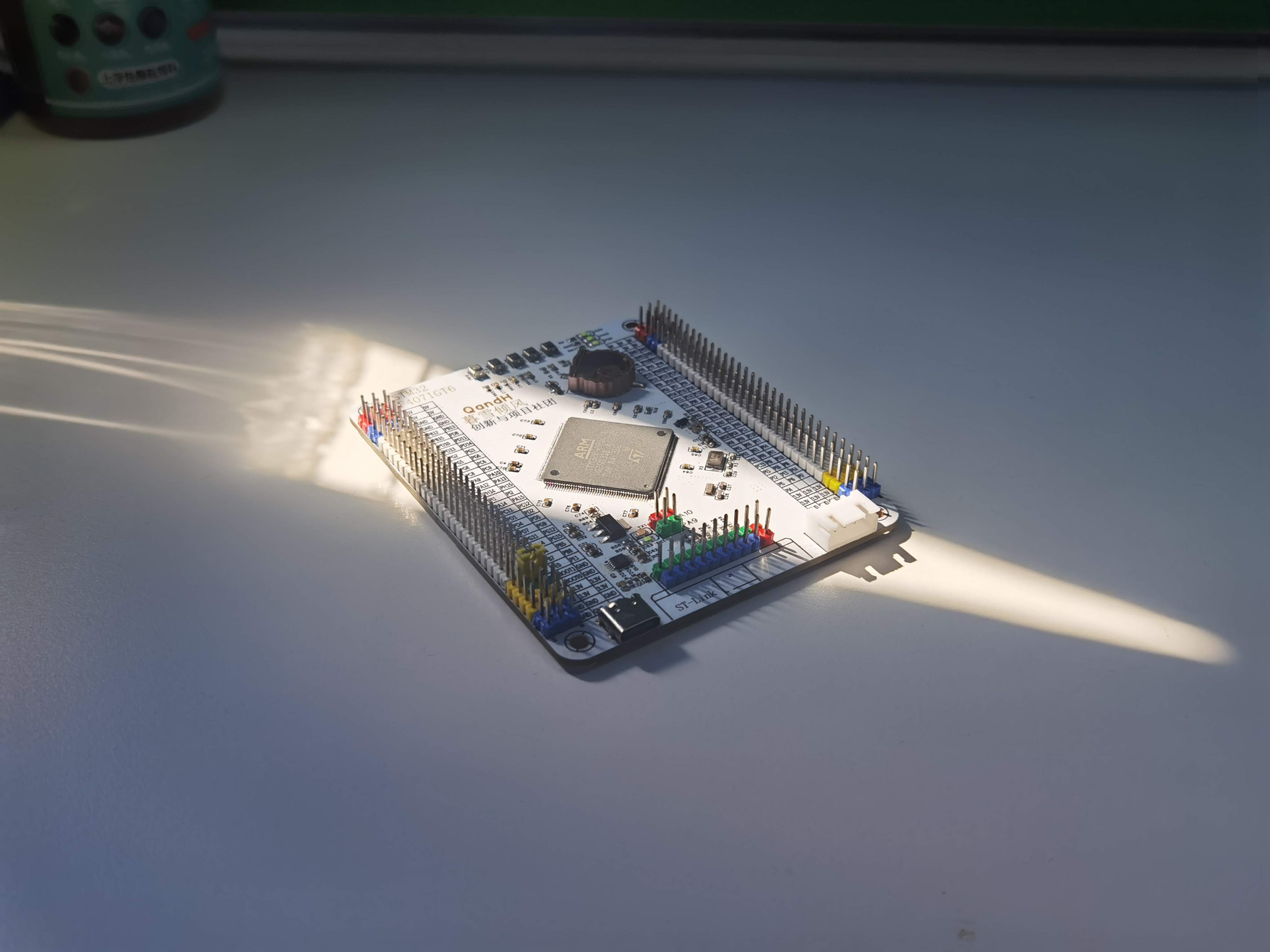
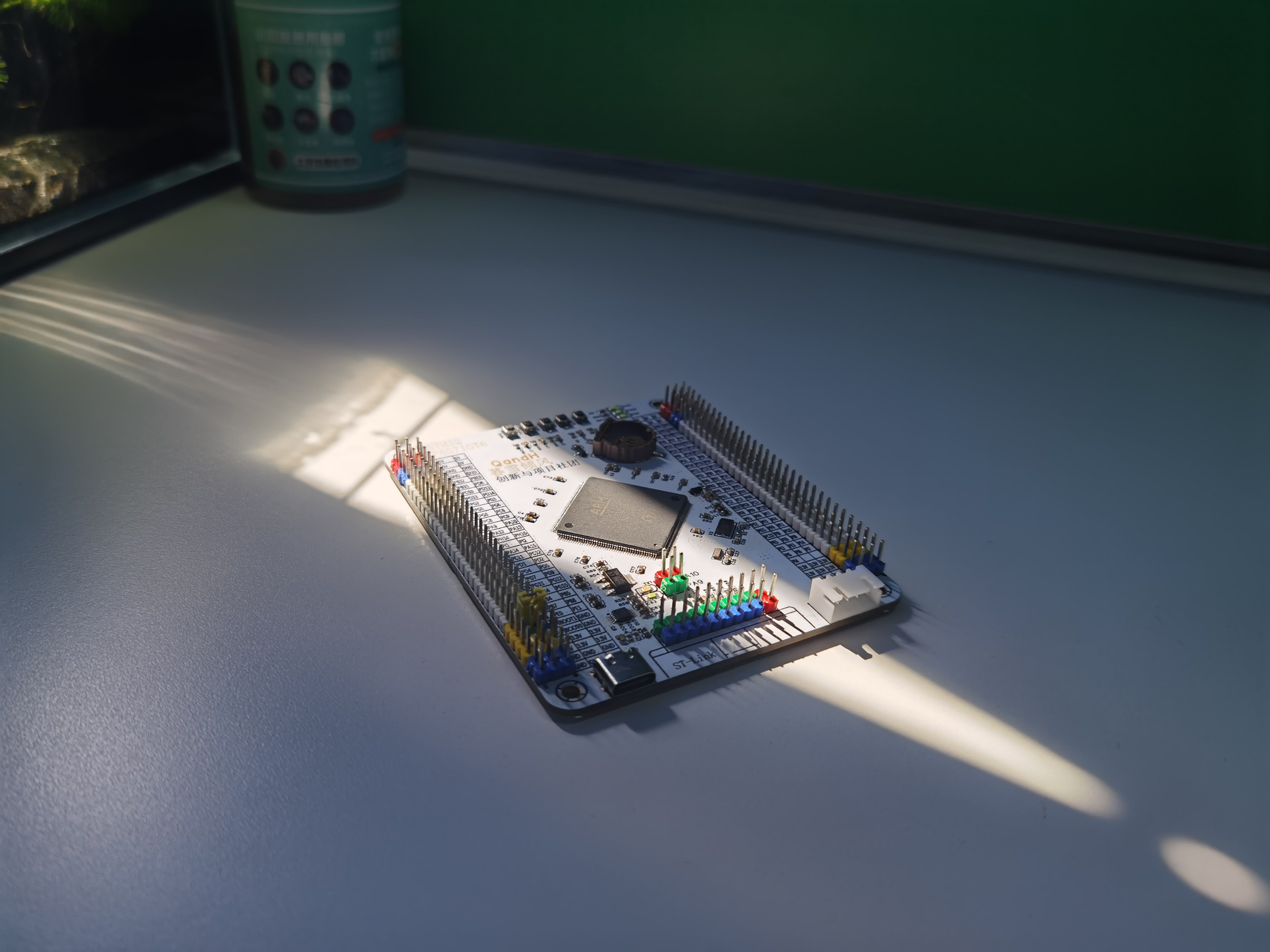
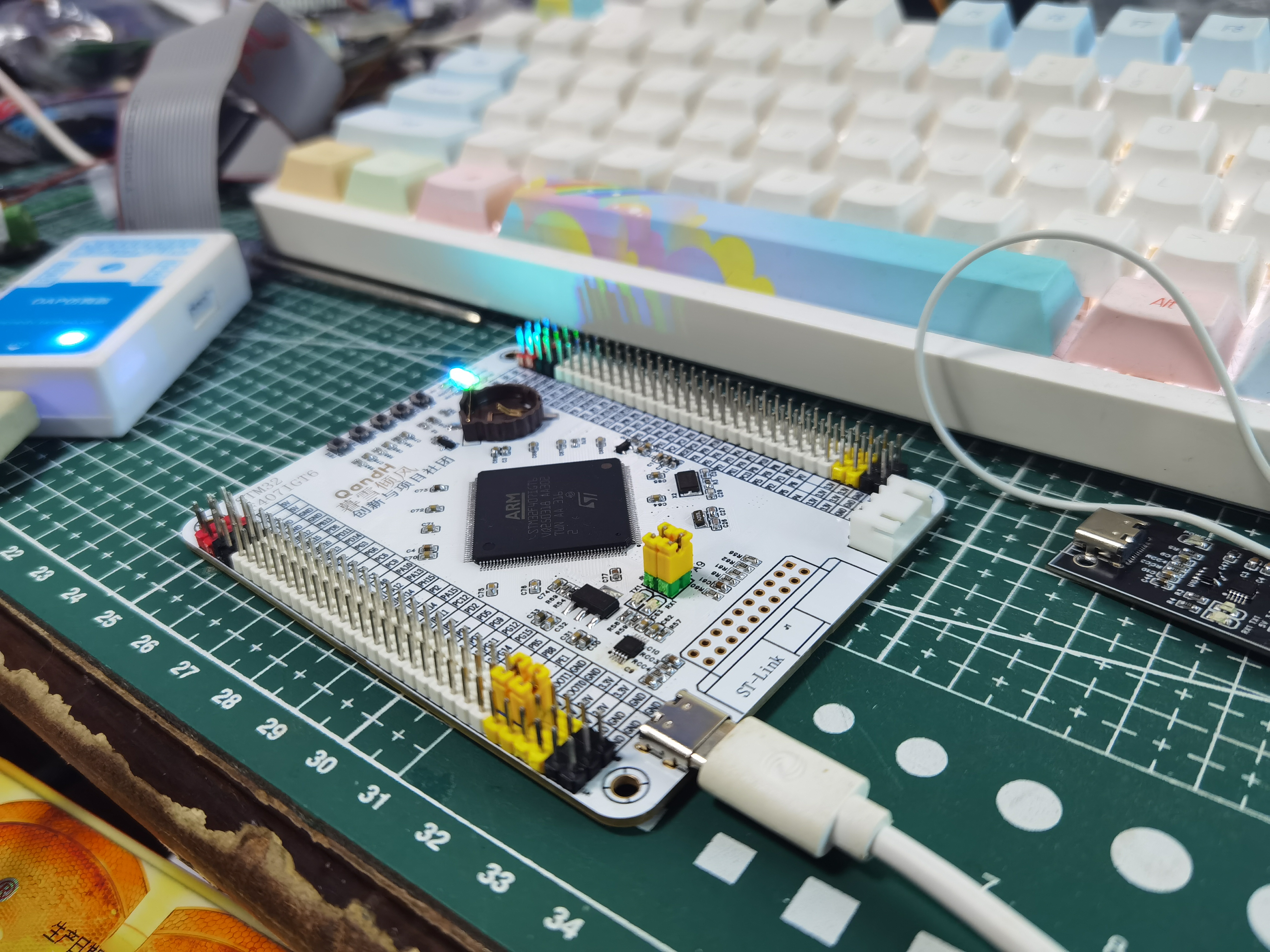
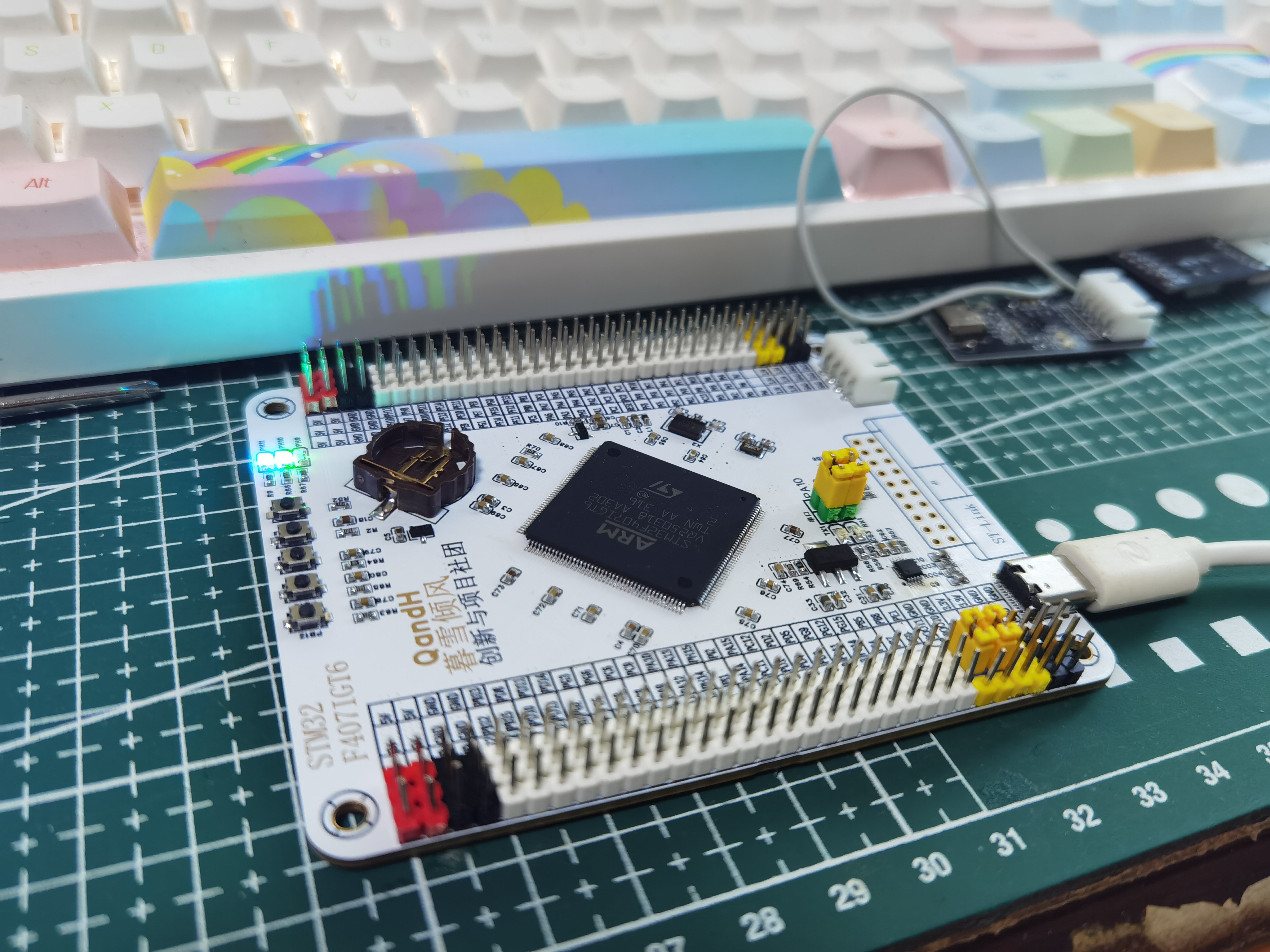
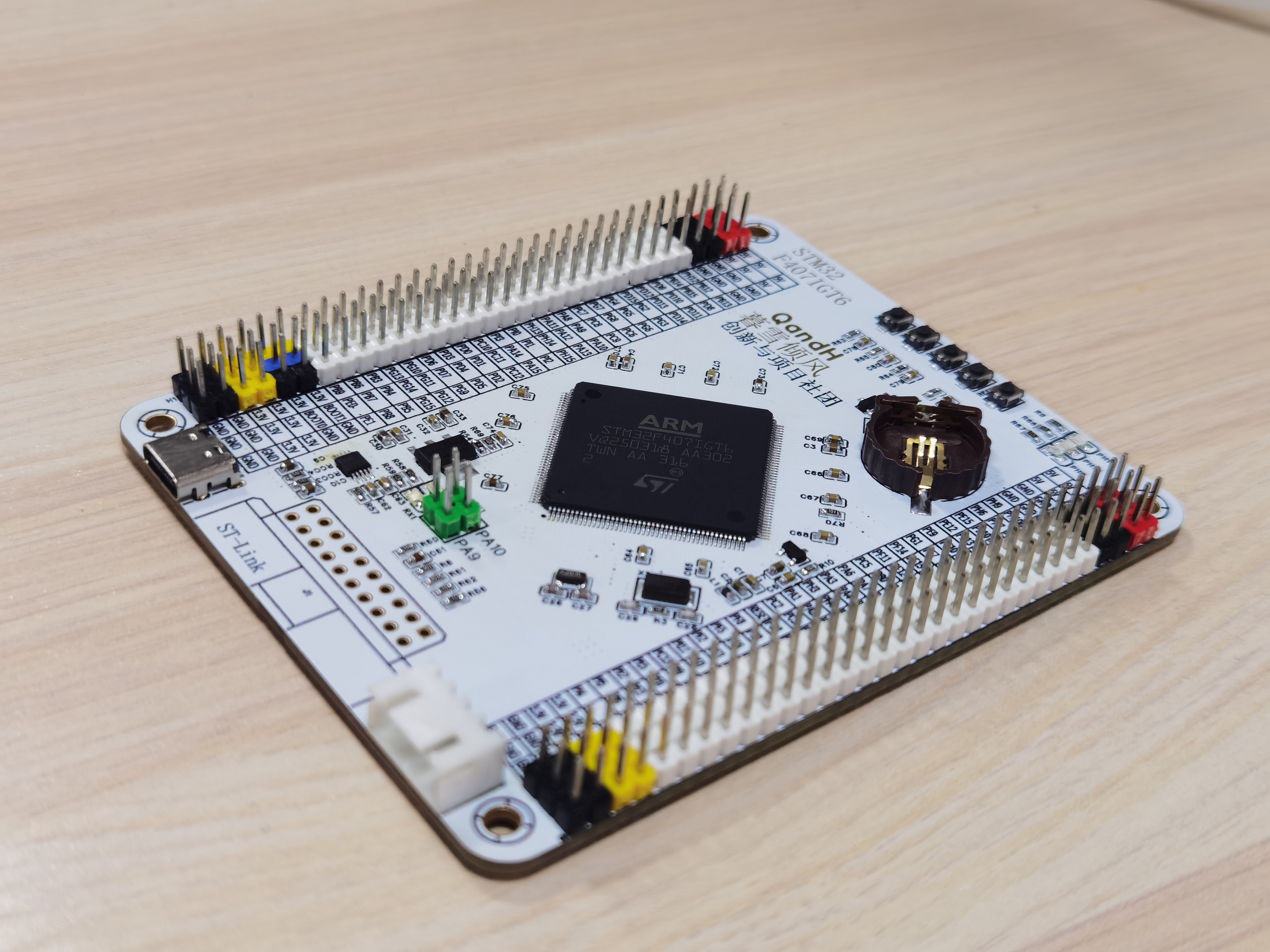
The functionality and layout are the same as the previous non-color silkscreen version.
PDF_STM32F407IGT6 Minimum System Development Board - Color Silkscreen Printing.zip
Altium_STM32F407IGT6 Minimum System Development Board - Color Silkscreen Printing.zip
PADS_STM32F407IGT6 Minimum System Development Board - Color Silkscreen Printing.zip
BOM_STM32F407IGT6 Minimum System Development Board - Color Silkscreen Printing.xlsx
Energy conservation and emission reduction start with me. Don't throw away old batteries! Using the Joule thief—a classic oscillating boost circuit—you can create a battery drainer that effectively utilizes the remaining battery power to make LED lights. This circuit is simple and easy to replicate, requires no microcontroller and no programming.
Project Introduction:
The Joule Thief can extract the maximum energy from a battery, even a seemingly "dead" old battery, allowing it to continue functioning. It's likened to a thief of electrical energy, a "joule." Its magic lies in the fact that an old AA battery, while seemingly empty, still retains about 1V. Since LEDs require 2-3V, the Joule Thief can boost this voltage, allowing the old battery to continue powering the LED. Project Functions:
1.
Can be used as an LED flashlight, providing light in the dark;
2. Further utilizes the remaining battery power, contributing to energy conservation and emission reduction;
3. Learns the classic Joule Thief oscillating boost circuit and masters related circuit knowledge.
Project Parameters:
This design uses a 5V battery box as the container for the low-power battery;
a 1KΩ resistor is used as a current-limiting resistor to provide current to the BE path of the transistor;
an NPN transistor is used, with a circuit voltage drop of approximately 0.7V. A
5mH common-mode inductor is selected as the key component (the inductance can be appropriately increased to enhance the boost effect);
an LED is used as the lighting circuit, with a measured turn-on voltage of 2.4V; a push-button switch is used.
Principle Analysis (Hardware Description):
When the switch is pressed and power is applied, current flows through the coil, providing a trigger signal to the base of the transistor, turning it on. Simultaneously, an electromotive force is generated in the inductor coil, hindering current flow. The current in the coil is insufficient to maintain transistor conduction, causing the transistor to turn off. The inductor
releases its stored energy, which, in conjunction with the power supply, generates a voltage higher than the power supply voltage, outputting pulsating DC to light the LED. Boost capability and load capacity are related to both the transistor and the coil.
The transistor continuously turns on and off, this process continuously cycles, generating a stable pulse output. Due to the afterglow effect of the human eye, there is actually no flickering sensation when viewing LEDs. Therefore, the battery drainer in this project can be used as a flashlight.
Related Reference Links 1
Related Reference Links 2
Related Reference Links 3
Software Code
This project does not have a microcontroller and requires no programming.
Notes:
When soldering, first use a hot air gun to solder the surface-mount resistors and LEDs, then solder the through-hole components;
when the circuit is connected and oscillating to boost the voltage, the inductor will produce high-frequency noise, proving that the circuit is working properly.
Actual Component Image
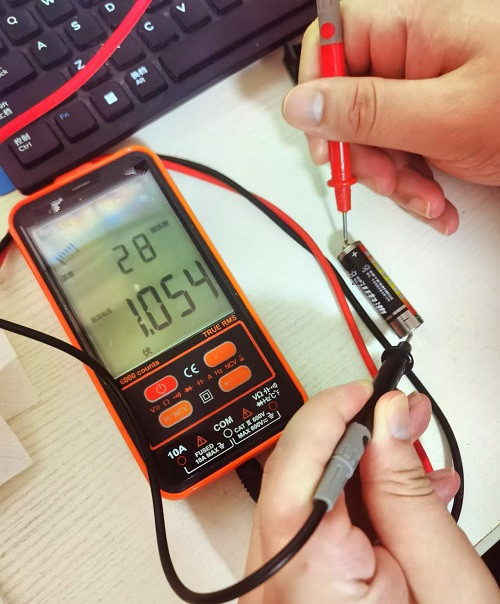
Measured Old Battery Voltage: 1.054V
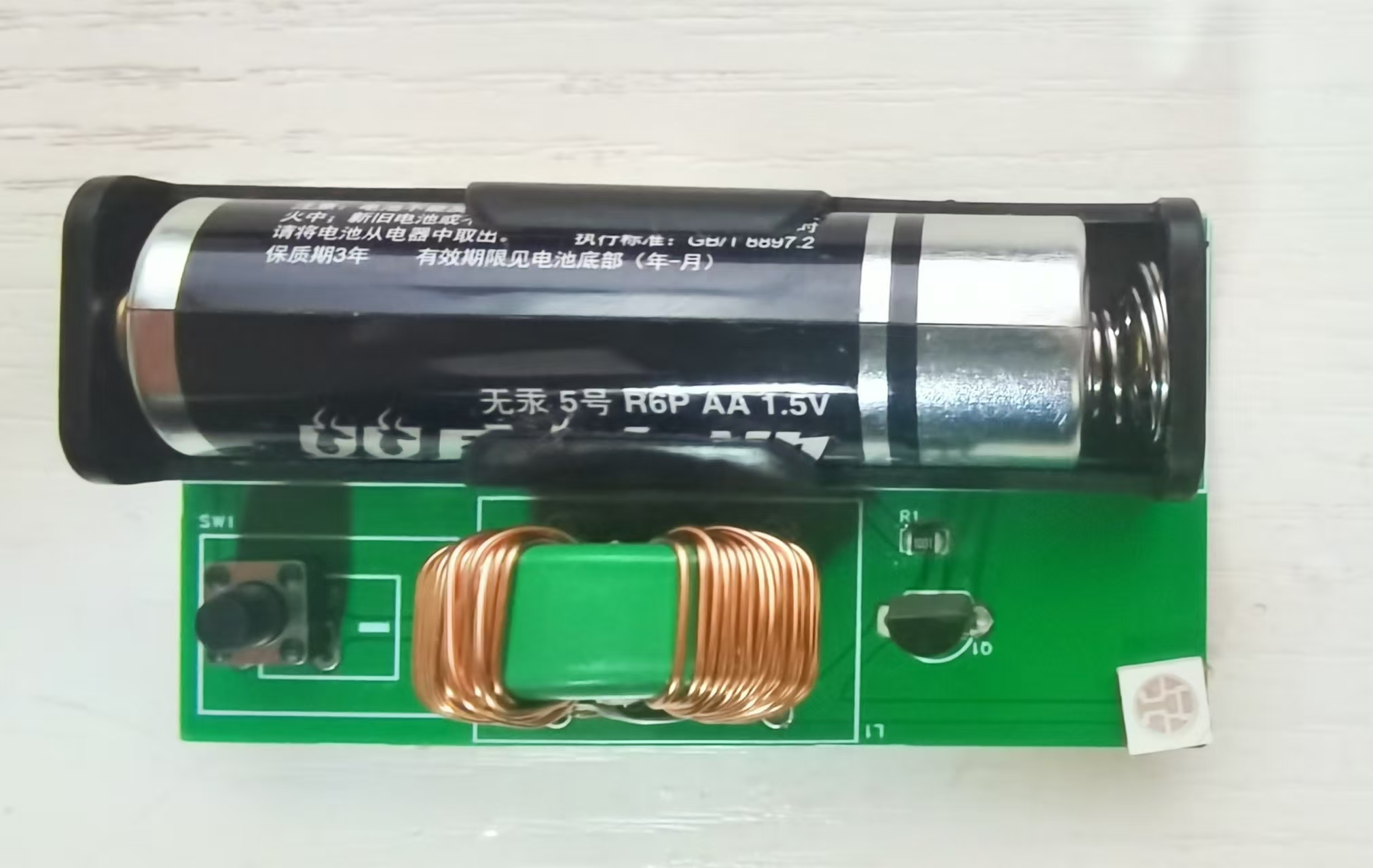
Switch Not Closed:
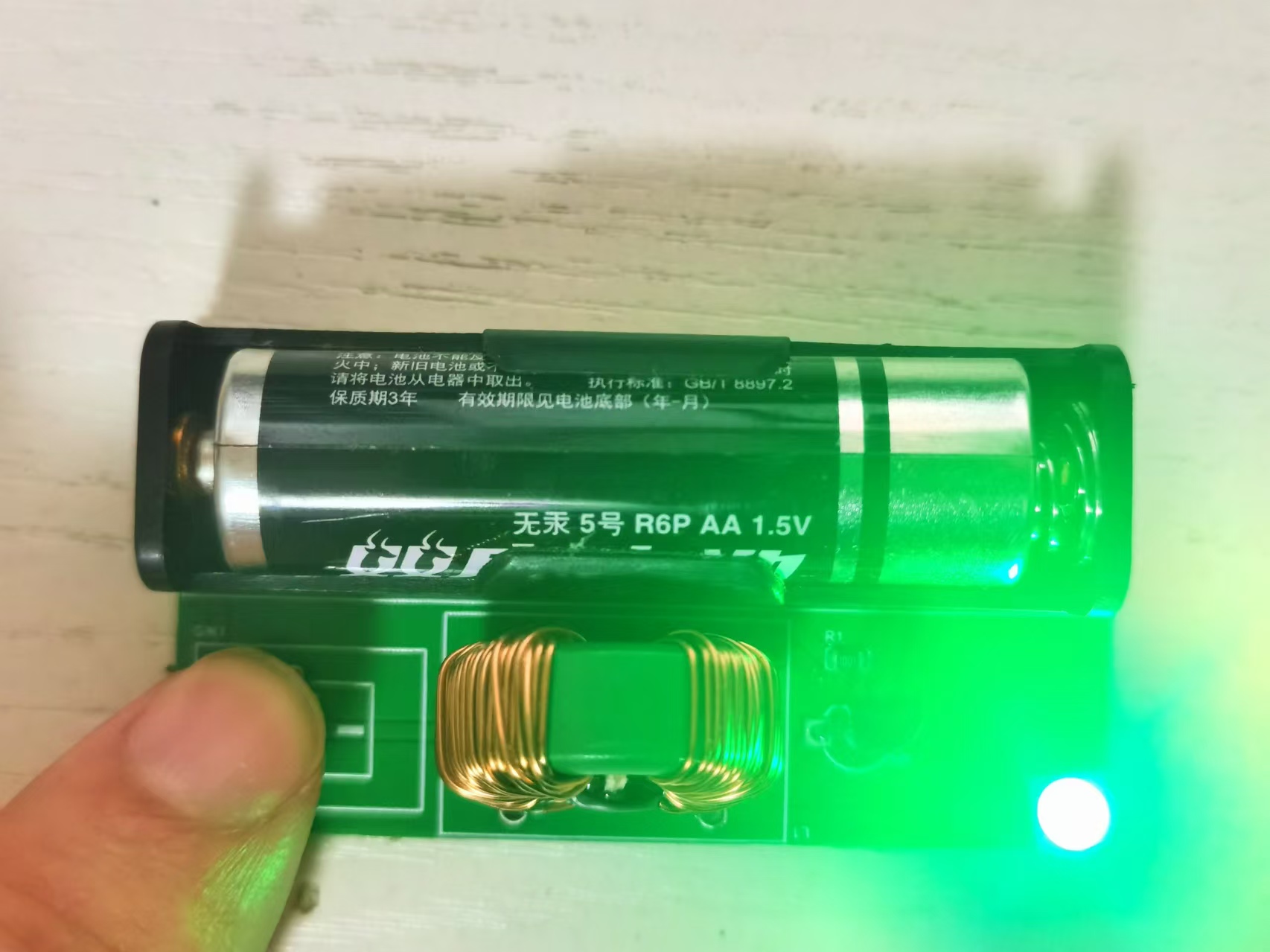
Switch Closed:
PDF_Joule Thief Battery Power Drainer.zip
Altium_Joule Thief Battery Power Drainer.zip
PADS_Joule Thief Battery Power Drainer.zip
BOM_Joule Thief Battery Power Drainer.xlsx
91644
electronic









 京公网安备 11010802033920号


 IDT54FCT166H244TPA



