1. The
CH32V003 series microcontroller is an industrial-grade general-purpose microcontroller based on the Qingke RISC-V2A core. It supports a 48MHz system clock frequency and features wide voltage range, single-wire debugging, low power consumption, and an ultra-small package. It provides commonly used peripheral functions, including one DMA controller, one 10-bit analog-to-digital converter (ADC), one operational amplifier comparator, multiple timers, and standard communication interfaces such as USART, I2C, and SPI. The rated operating voltage is 3.3V or 5V.
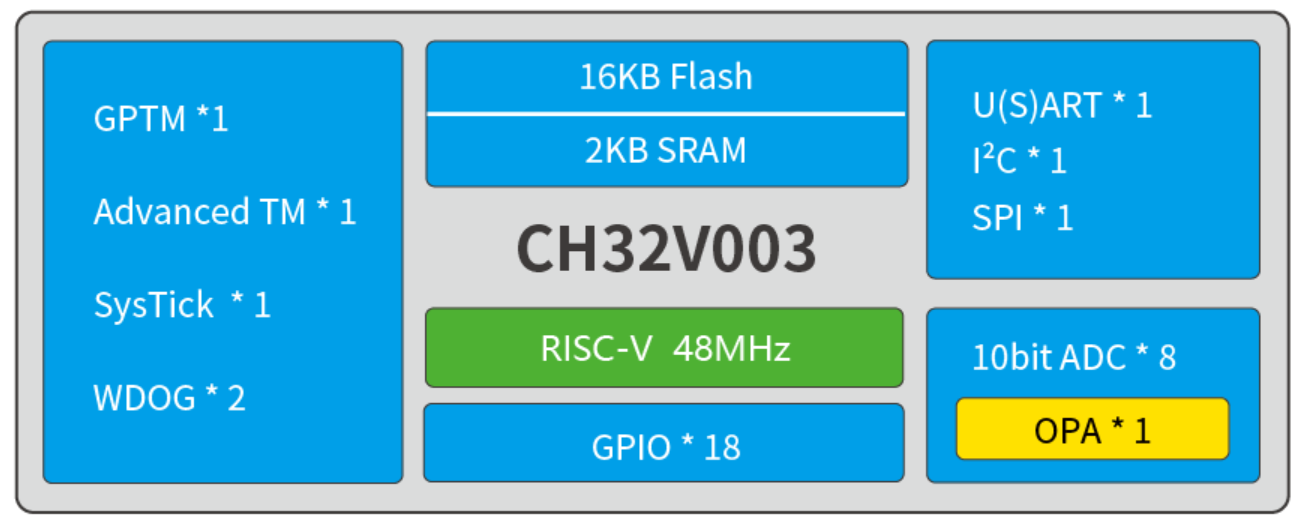
Advantages: High performance; low price, ¥0.7 per piece on Taobao (when I bought it, shipping was even free, now it costs only a few cents); rich peripherals, etc. (
official website link)
. 2. The design
uses a CH224K to trick a PD protocol charger into obtaining 12V voltage;
uses an LDO to step down to 3.3V to supply components such as microcontrollers;
dual PWM outputs through NMOS to independently control the fan and semiconductor heatsink;
dual operation buttons to adjust the heatsink to the optimal state;
VBUS bus voltage detection to prevent voltage drops from damaging the heatsink;
supports 2/3/4-wire cooling fan control, the 4-wire fan control hardware is not verified.
3. Replica
(1)
Items needed for the preparation stage: semiconductor heat sink, heat sink (including aluminum block and fan), thermal grease, some glue (502, hot melt glue, thermal conductive glue can be used), copper sheet
PCB order Note: Choose a thin board as much as possible. I used a 1.2mm board thickness.
Use the BOM in the attachment.
Semiconductor cooling chip: I used a 12706 cooling chip (40*40mm), 27W power. I don't know why those with higher or lower power are more expensive. Choose for yourself, but pay close attention to the power. Semiconductor cooling chips have very low efficiency. The power consumption listed is basically the heat dissipation power.
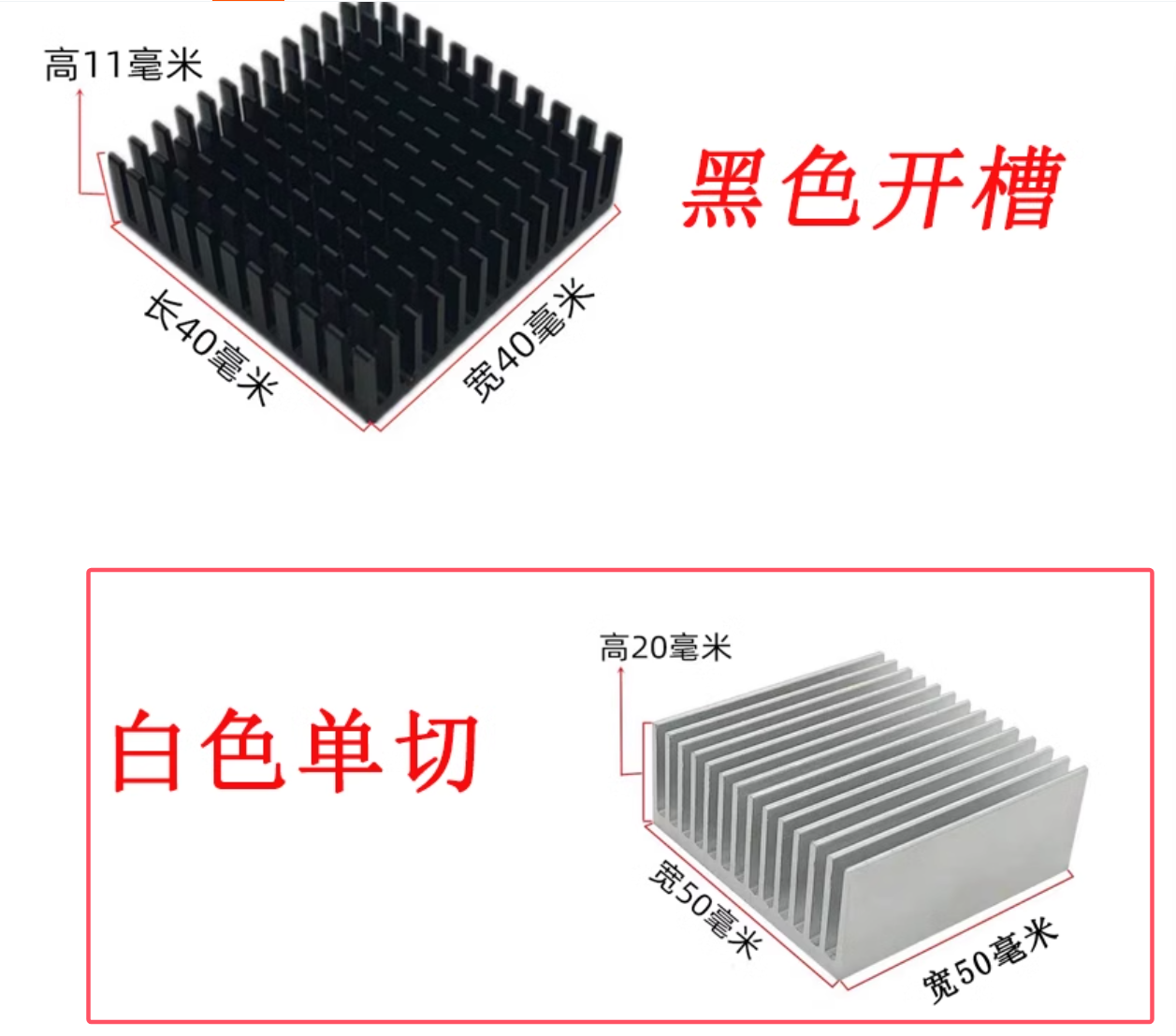
Heat sink: Must match the heat dissipation of the semiconductor cooling chip. I used a 50*50*20mm single-cut aluminum block. It seems that slotted ones will reduce the heat dissipation effect. Heat sink connection
Fan: Use a 5010 two-wire fan, 12V. Choose the speed and bearing yourself. The higher the speed, the noisier it is. The better the bearing, the more expensive it is. The lifespan and noise will be significantly improved. 4-wire fan PWM speed control is more efficient. 2/3-wire fan has poor effect. For connecting the fan to
the copper sheet: 100*100*0.3mm, mainly because it is cheap.
For the silicone grease: use a good one, the kind used for computers, such as Shin-Etsu 7921.
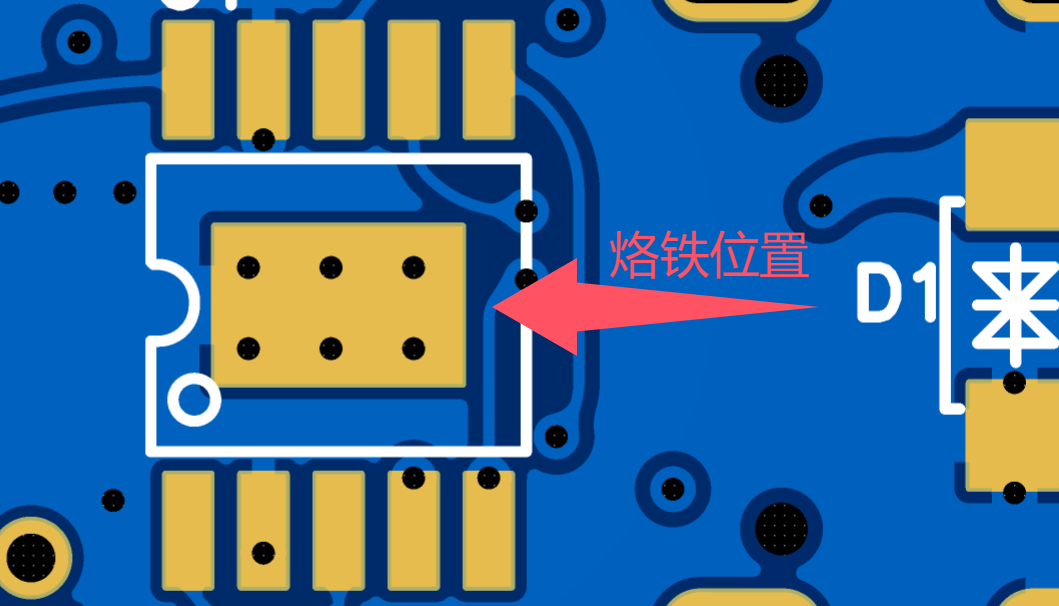
Soldering notes: When soldering CH224K, try to use a heating table or hot air gun, but a soldering iron can be used.
Soldering method (not recommended): First, build up solder on the heat sink pad. Use low-temperature solder, 37% lead is also acceptable. Set the soldering iron to high temperature and keep it heating, then quickly remove the soldering iron and press the chip on. Finally, complete the soldering.
(2) Control board production
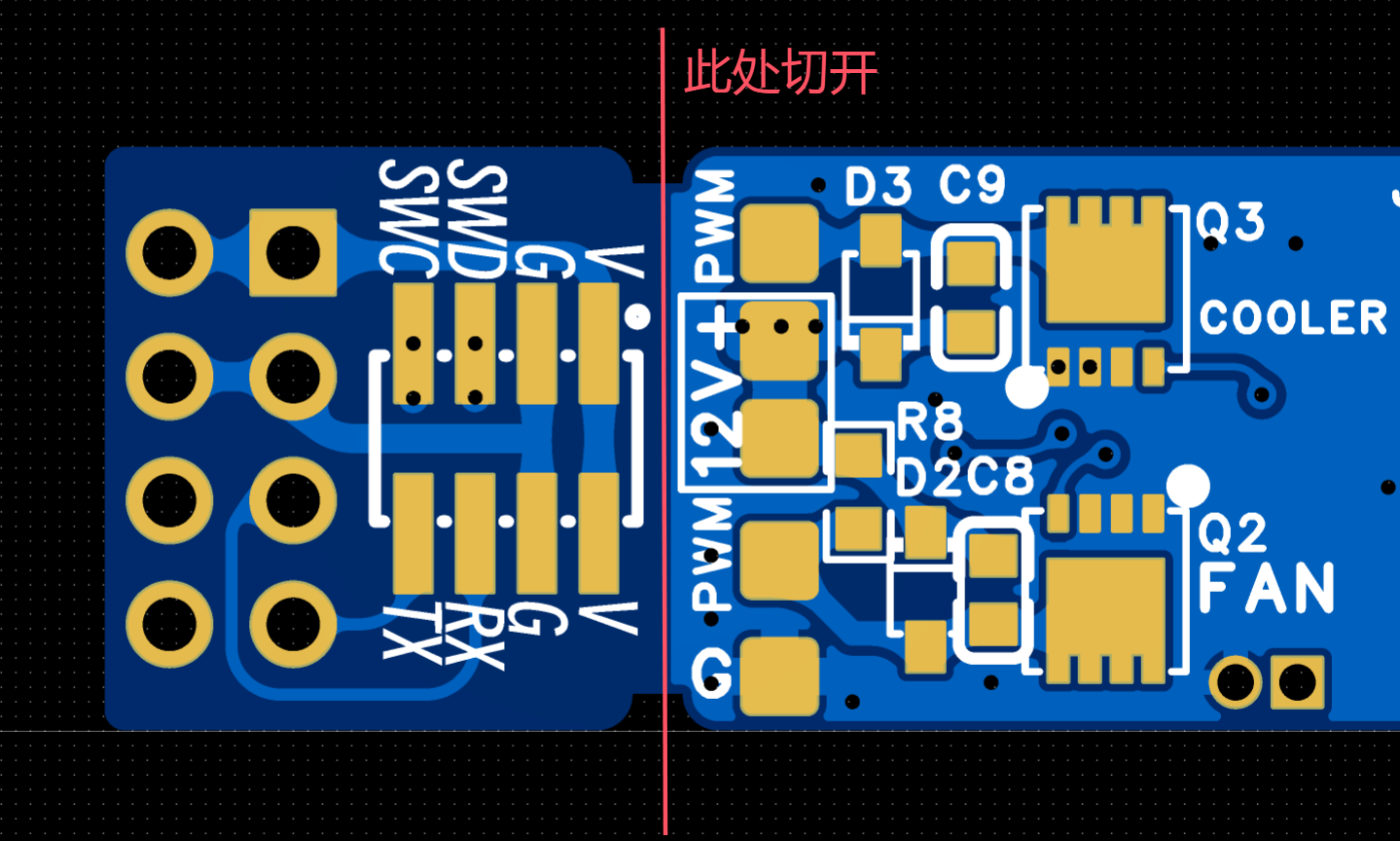
1. Cut the end of the board as a download interface adapter board and solder it separately.
2. Do not use a four-wire speed control motor, so there is no need to solder R8.
R8 is a 12V pull-up resistor, 10k is sufficient.
3. Solder the cooling chip wiring
. Solder the cooling chip according to the silkscreen.
4. Welding Fan:
Wire welding position
2/3/4 wires no speed adjustment
2/3 wires speed adjustment
4 wires speed adjustment (welding R8 resistor)
Power supply +
12V +
12V +
12V +
Power supply -
GND
PWM
GND
Speed measuring wire
not connected
No / not connected
No connection
Speed regulating wire
no / not connected
No
PWM
(3) Install
Cut the phone case opening to be similar in size to the heat sink; cut the copper sheet to fit your phone;
apply silicone grease and install the heat sink and semiconductor cooling chip. The side of the semiconductor cooling chip with the lettering is the cooling side, stick the copper; the other side is the heat sink .
Incorrect example: The silicone grease area is too small, the glue area is too large, and the thermal conductivity is not good.
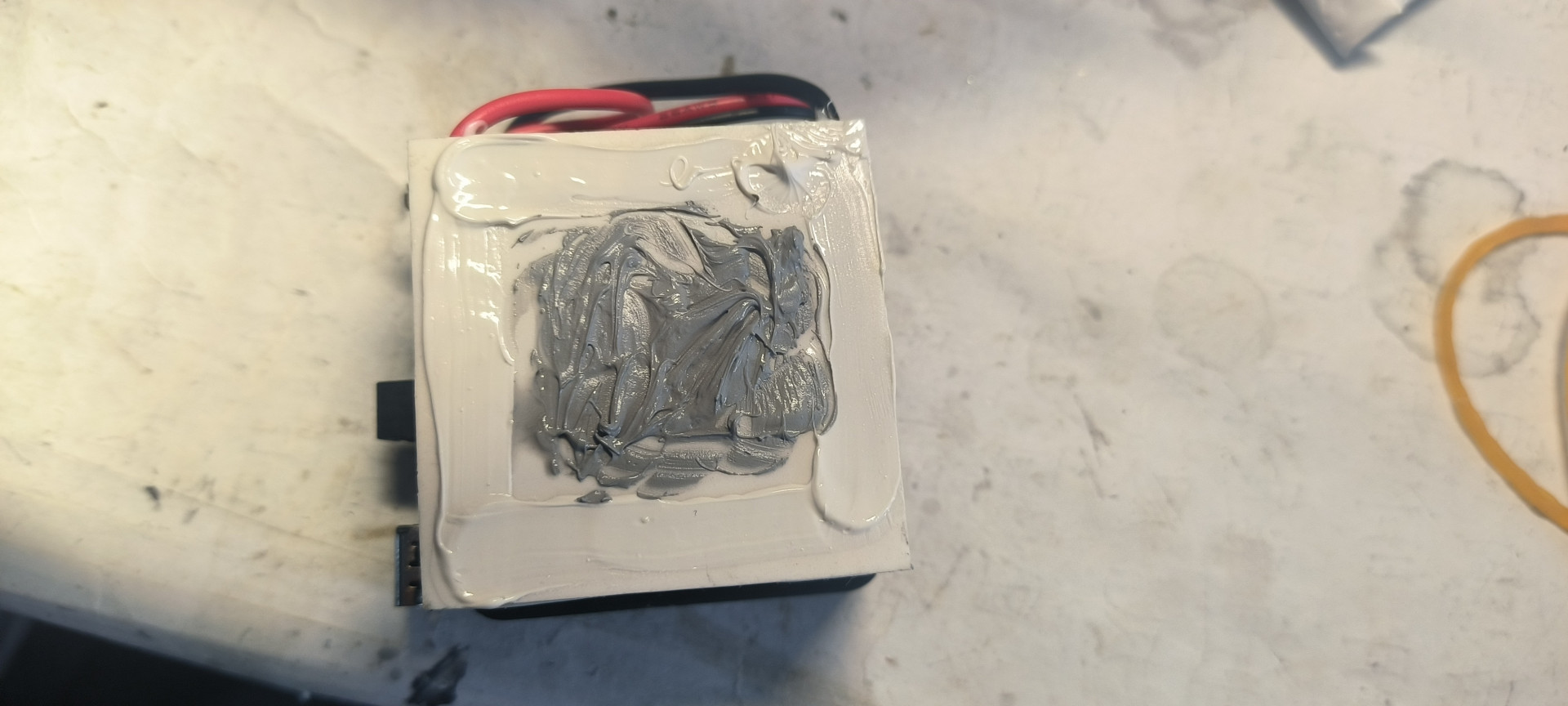
Correct example: Apply silicone grease to the front, this time it is 7921, which is more difficult than scraping putty. Attach it to the heat sink and fix it with glue on the outside.
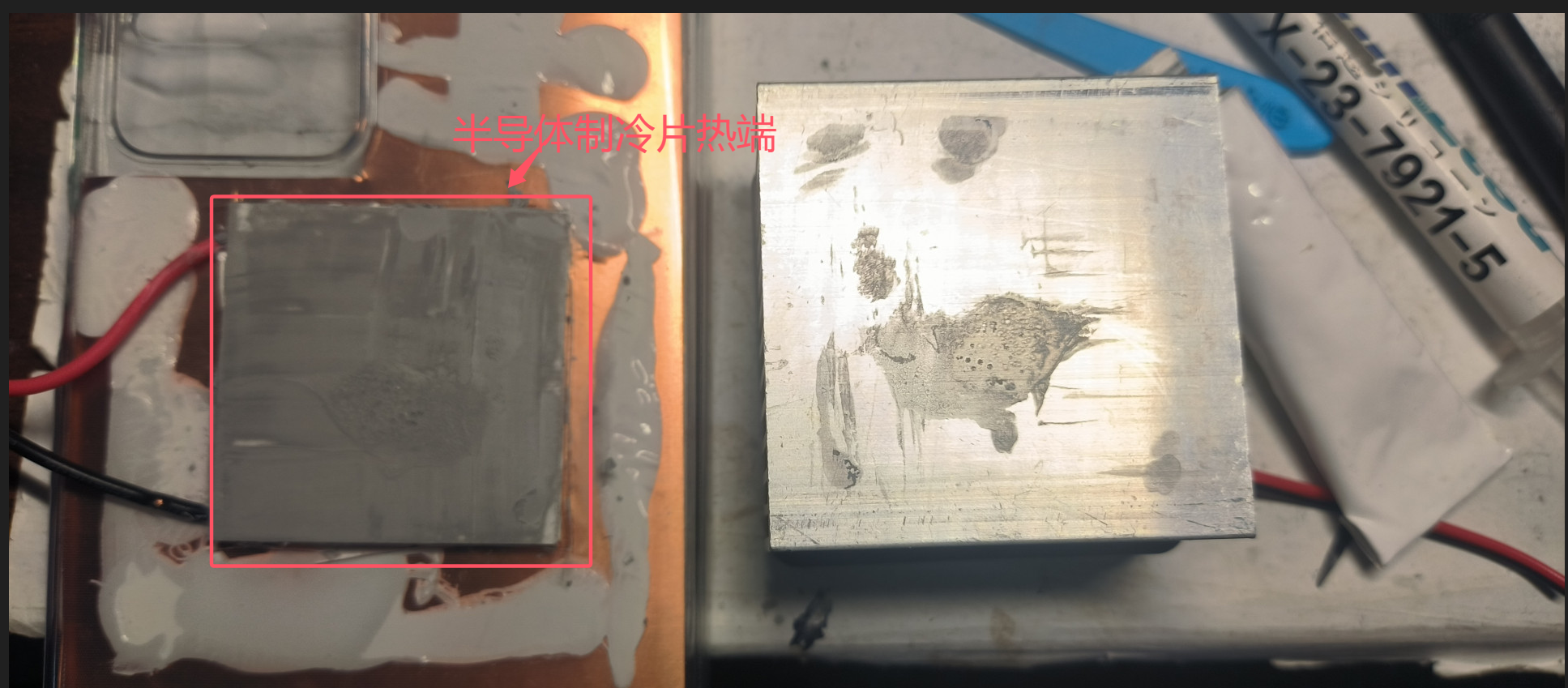
Wait for the glue to cure .
3. Fix the phone case and copper sheet
.
4. Apply silicone grease and install the copper sheet and semiconductor cooling chip.
Due to the small space, it is difficult to operate. I used the above "incorrect example" for installation.
5. Attach the board to the heatsink, being careful not to short-circuit.
4. Program Download
IDE:
1. Mount River Studio (MRS for short).
Available IDEs include: platformIO, EIDE.
Downloader:
WCH-LINK-E (must be version E, only this version supports CH32V003 debugging as of October 16, 2024); WCH-LINK-Ex (official Taobao store, ¥18 with free shipping), supports high-speed DAPLINK and high-speed JTAG interfaces, debugs SWD and JTAG-compatible chips from other manufacturers such as STM32 and other ARM chips, and has serial port functionality;
Taobao official link
download:
Connect the WCH-LINK-E's SWDIO to the board's SWIO.
Method 1: Using WCH-LinkUtility
; Method 2: MRS download.
Download instructions are in the attached document "WCH-Link User Manual V2.2.pdf".








 京公网安备 11010802033920号


 MI-QC6JX-MSY



