 ( ๑╹ ꇴ╹) グッ! ! ! !
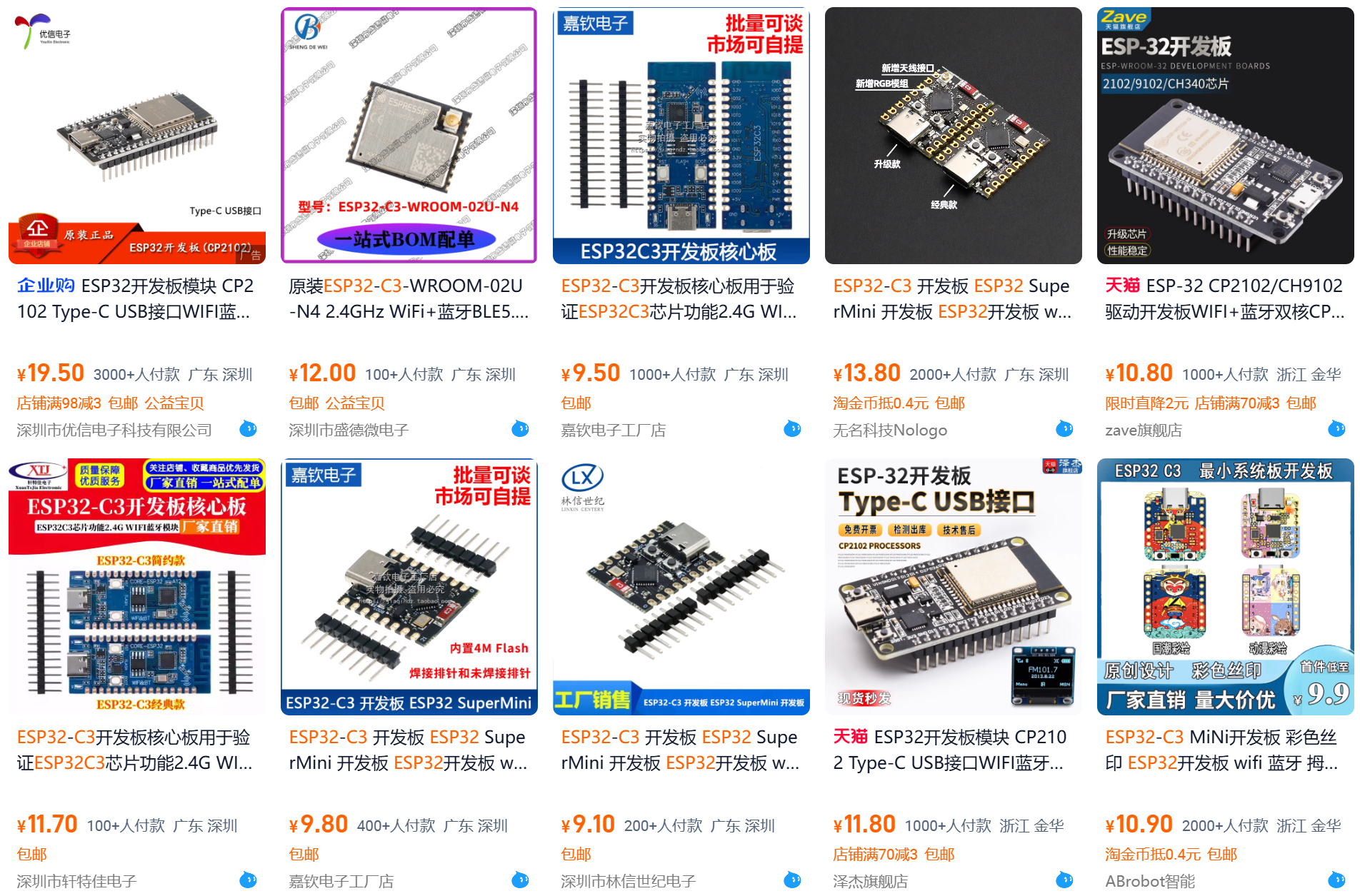
 The Pomodoro timer needed to be small and exquisite, yet feature-rich. After some consideration, the ESP32-C3 was chosen as the main controller, which was quite suitable. Although it lacks PSRAM, it has a high-performance CPU and 4MB of built-in flash, enough to develop a multi-functional device with a UI. And here's the key point: it's cheap. There are tons of development boards on Taobao. However, one thing to note is not to be too greedy and buy refurbished boards. There will be many problems after soldering and debugging; this is a lesson learned the hard way.
  Hardware Design:
 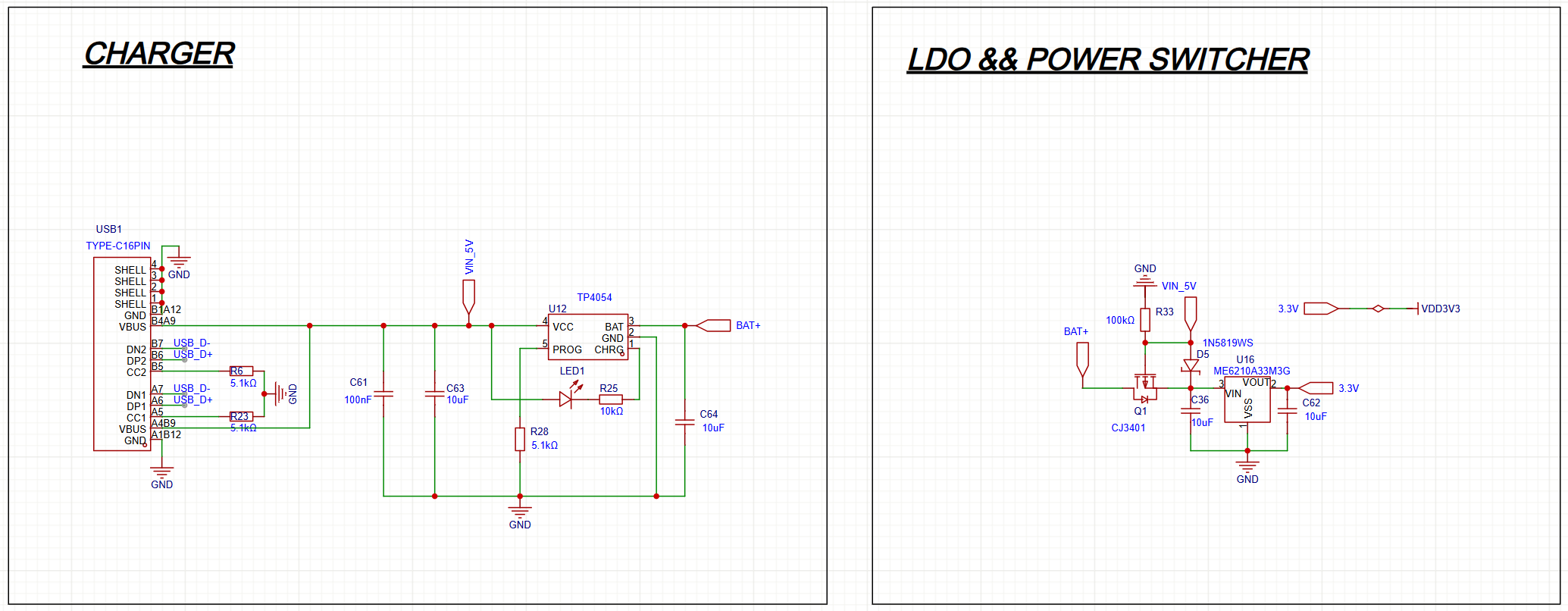 The clock chip used is the PCF8563T, for which there are many open-source libraries available online, and it's been working fine so far. It also includes a 5020 buzzer, which is sufficient for the various alerts of the Pomodoro timer. An RGB slot was also reserved, but it wasn't used in actual use; we'll address that later if needed.
  Software algorithm design:
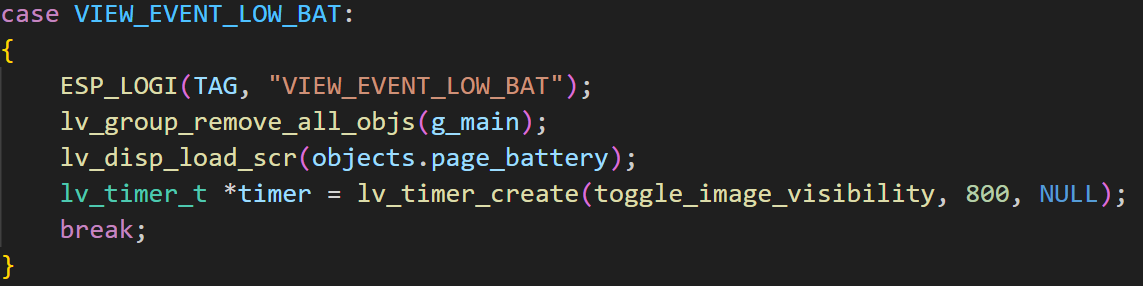
  In the UI task, various registered ESP events are consumed by listening to them.
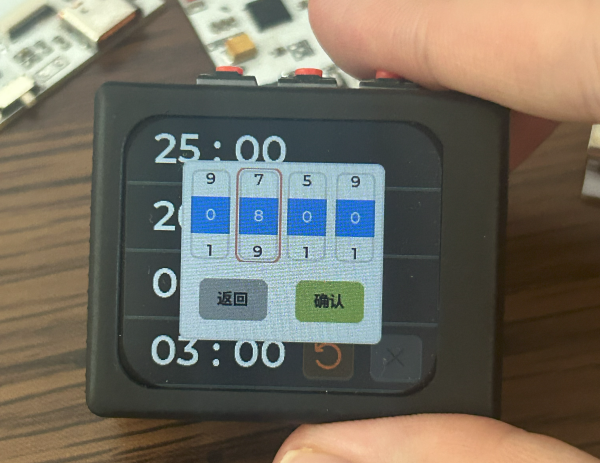
  2. The device supports forward and countdown timers, i.e., reverse and forward Pomodoro timers. The forward timer can be added to the countdown timer with one click, allowing you to flexibly find your optimal focus time.
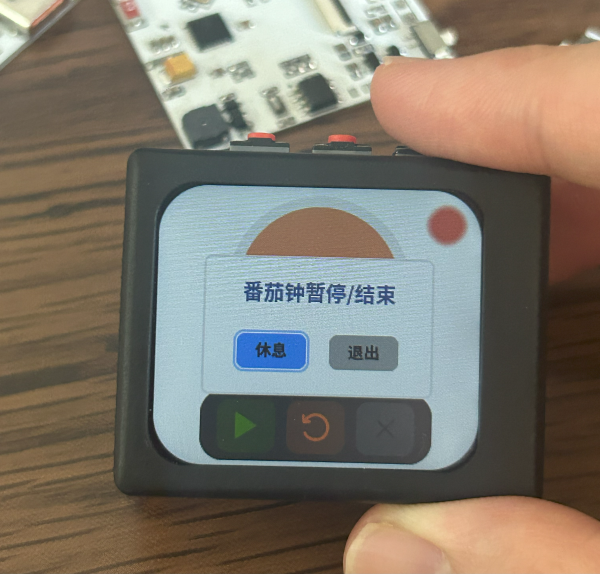
  The countdown timer supports multiple sets of continuous focus/rest tasks. After the focus task ends, you can directly choose to enter the rest task or end the task.
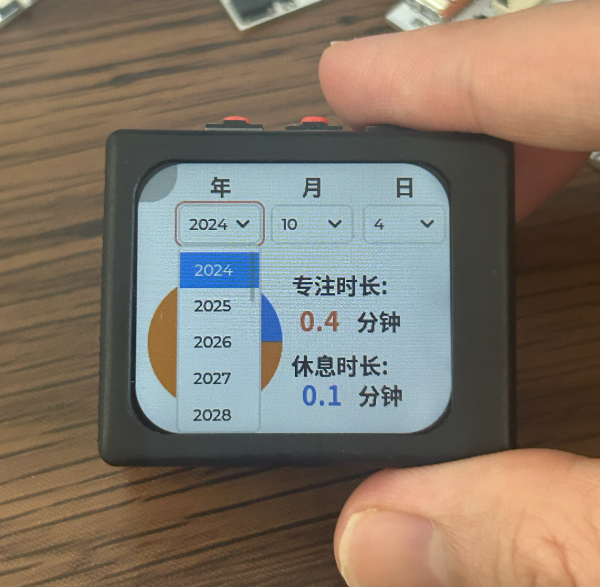
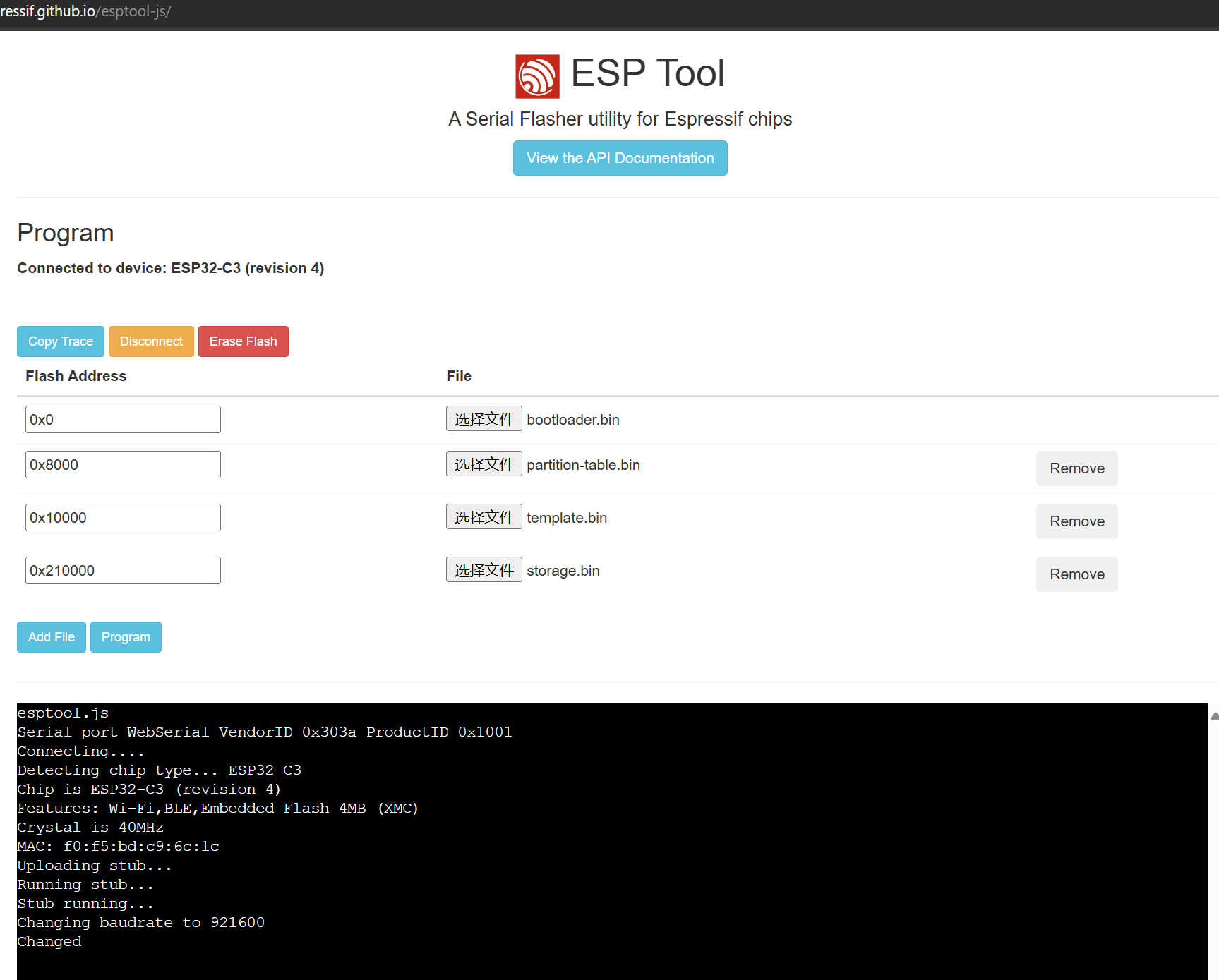
  The above process will automatically record all data, which can be viewed and reviewed in the data analysis function. Firmware
  burning
  Subsequent optimizations
All reference designs on this site are sourced from major semiconductor manufacturers or collected online for learning and research. The copyright belongs to the semiconductor manufacturer or the original author. If you believe that the reference design of this site infringes upon your relevant rights and interests, please send us a rights notice. As a neutral platform service provider, we will take measures to delete the relevant content in accordance with relevant laws after receiving the relevant notice from the rights holder. Please send relevant notifications to email: bbs_service@eeworld.com.cn.
It is your responsibility to test the circuit yourself and determine its suitability for you. EEWorld will not be liable for direct, indirect, special, incidental, consequential or punitive damages arising from any cause or anything connected to any reference design used.
Supported by EEWorld Datasheet
EEWorld
subscription
account

EEWorld
service
account

Automotive
development
community

Robot
development
community

About Us Customer Service Contact Information Datasheet Sitemap LatestNews



Room 1530, 15th Floor, Building B,
No.18 Zhongguancun Street,
Haidian District,
Beijing, Postal Code: 100190
China
Telephone: 008610 8235 0740
 京公网安备 11010802033920号


 HDSP-E108-FD000