Foreword:
Following Master Wu's arduous journey, we successfully built and compiled the code for the Taishan School, completing the driver for this 3.1-inch screen. I tried compiling Debian for the first time and successfully flashed it to my Taishanpa (a
Chinese mobile phone
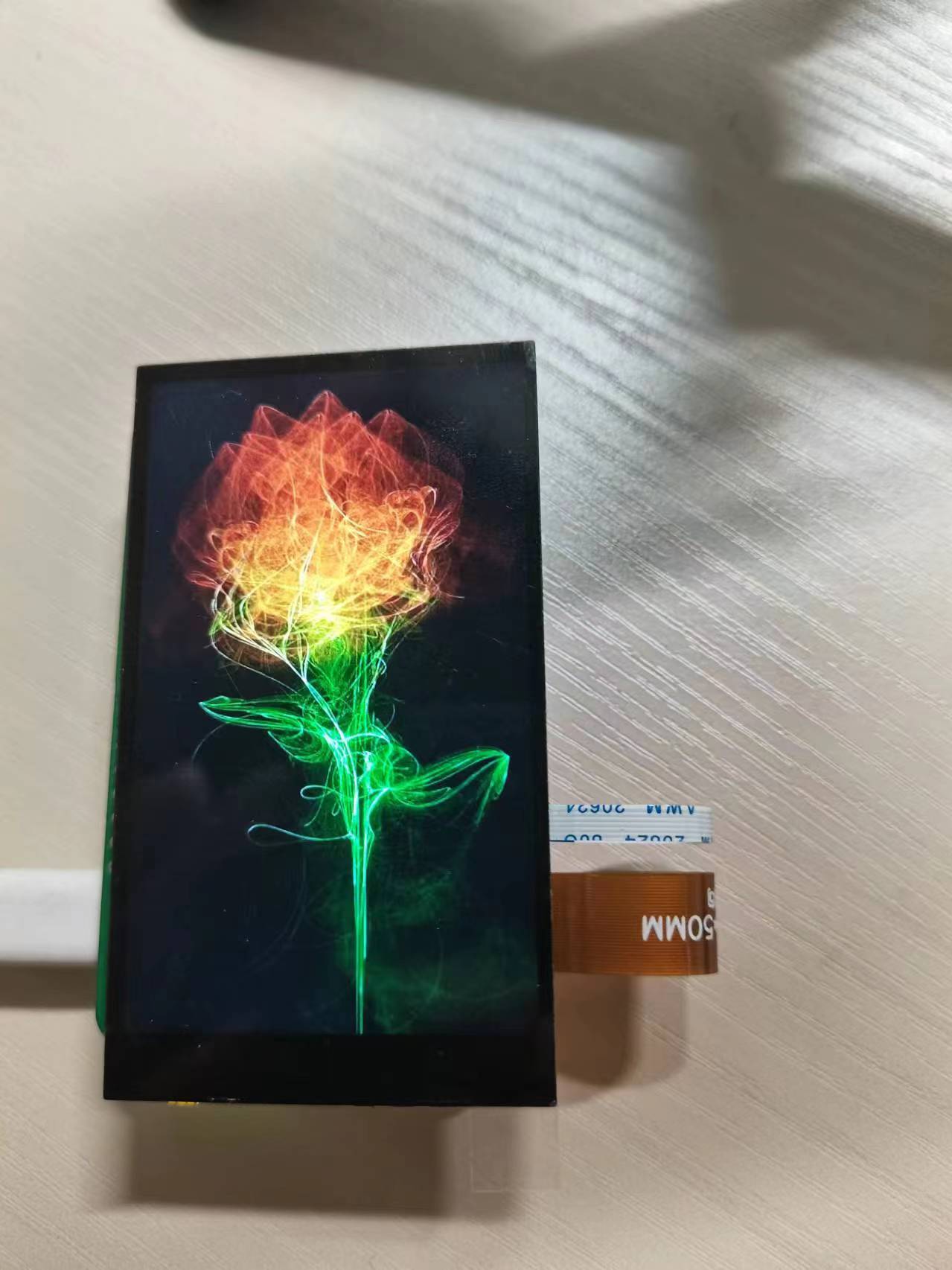
platform ). However, I only found one terminal working. So, I thought I'd follow a tutorial to compile an Android system, forgetting that I didn't have enough hard drive space. I'll try again when I upgrade my device. For now, I'll stick with Debian. Once the environment and code are compiled, I can flash it to Taishanpa. Even after deleting things in the virtual machine, the local hard drive space didn't decrease. So, I performed the following operations to free up some space (using VMvirtualBox virtual machine): 1. Clean up virtual machine disk space (for Linux virtual machines): Fill unused disk space to zero: `sudo dd if=/dev/zero of=/EMPTY bs=1M` `sudo rm -f /EMPTY` 2. Shut down the virtual machine. 3. Compress VDI files: 3.1 Locate the VMvirtualBox installation directory. It contains a built-in tool called VBoxManage. Record the directory of this tool. 3.2 Go to the virtual machine directory where you need to free up disk space, run the terminal as administrator, and enter the following command: "C:\Program The script `FilesOracleVirtualBoxVBoxManage.exe modifyhd mydisk.vdi --compact` may need to be modified in two ways: 1. The VBoxManage directory may be different. 2. The name of the virtual machine (mydisk) to be released may be different. 4. The cleanup is now complete. Reopen the virtual machine. If it opens normally, you're done. Otherwise, please see the following steps. 5. If the message "the root filesystem on /dev/sda1 requires a manual fsck" appears during boot, it means that the Linux system detected errors or inconsistencies in the root filesystem (/dev/sda1) during startup. The system believes that a manual filesystem check (fsck) is required to ensure the integrity and consistency of the filesystem. 5.1 Run fsck, `fsck /dev/sda1`, and select 'y' during the process to repair these problems. 5.2 If there are still problems after the first run, run the fsck command multiple times (it usually completes in one run). 5.3 Mount the root filesystem: `mount -o remount,rw /` 5.4 Reboot: `reboot` 5.5 Select Ubuntu to boot normally. Soldering that was really difficult! The Taishan-style MIPI connectors were so densely packed; I ruined several connectors. Thankfully, the driver provided by Feng Moxi ensured the code was correct. After constantly modifying the solder pads, it finally lit up. The screen casing isn't designed yet; I'm just waiting for the base plate to be assembled so I can finally put it together as a complete system.









 京公网安备 11010802033920号


 1N5246BTAP



