PsbQLwlOmK

Automatic washing machine based on ESP32

 
Overview
Preface:
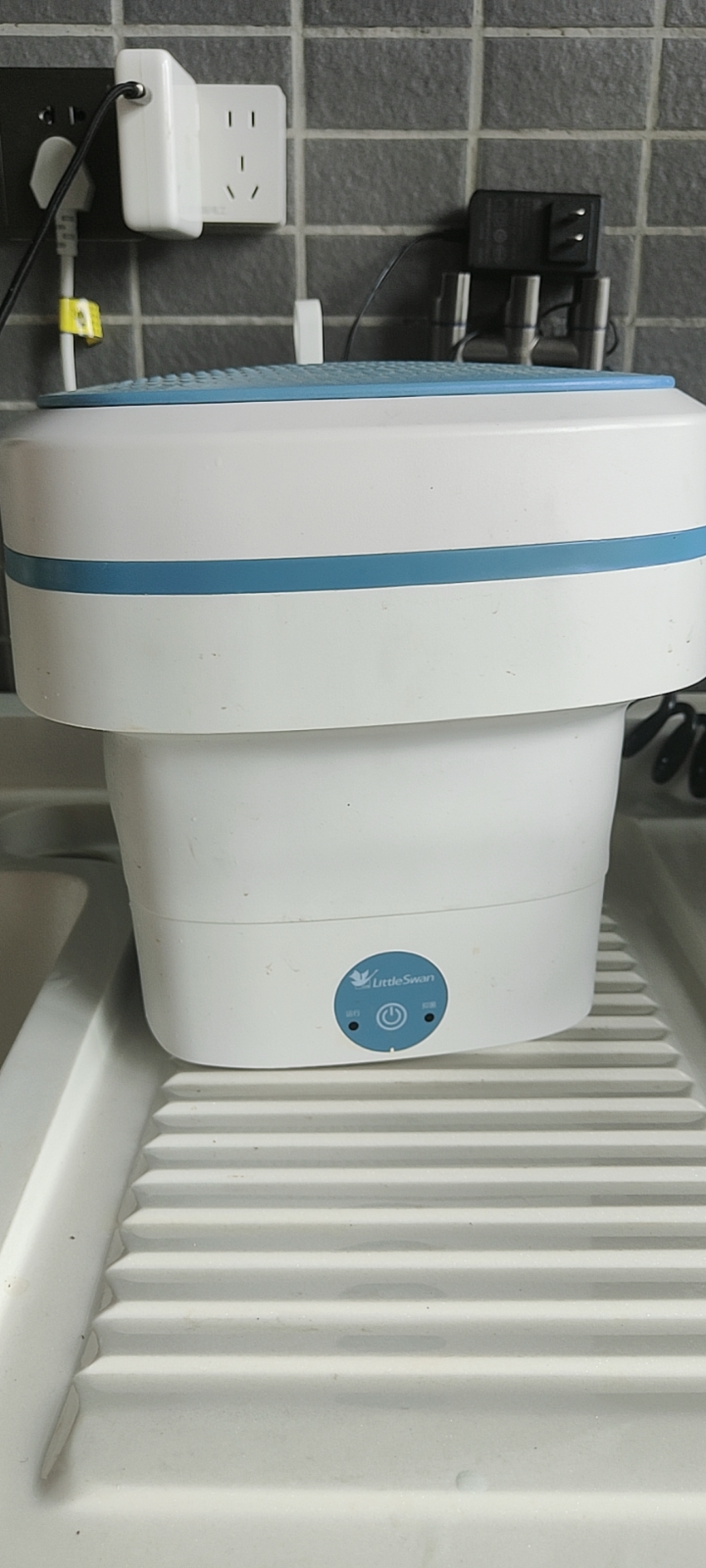
I have a manual sock washer that came with my Little Swan washing machine, which I always found cumbersome. I wanted to convert it to automatic, and luckily, JLCPCB and Espressif Systems held a "Design Competition Based on ESP32 IoT," so I signed up.
I'm not an electronics major, nor am I an embedded software developer; I just tinker with various software. Thanks to JLCPCB for supporting newcomers, I've learned a lot, so the code is open source. After modifying
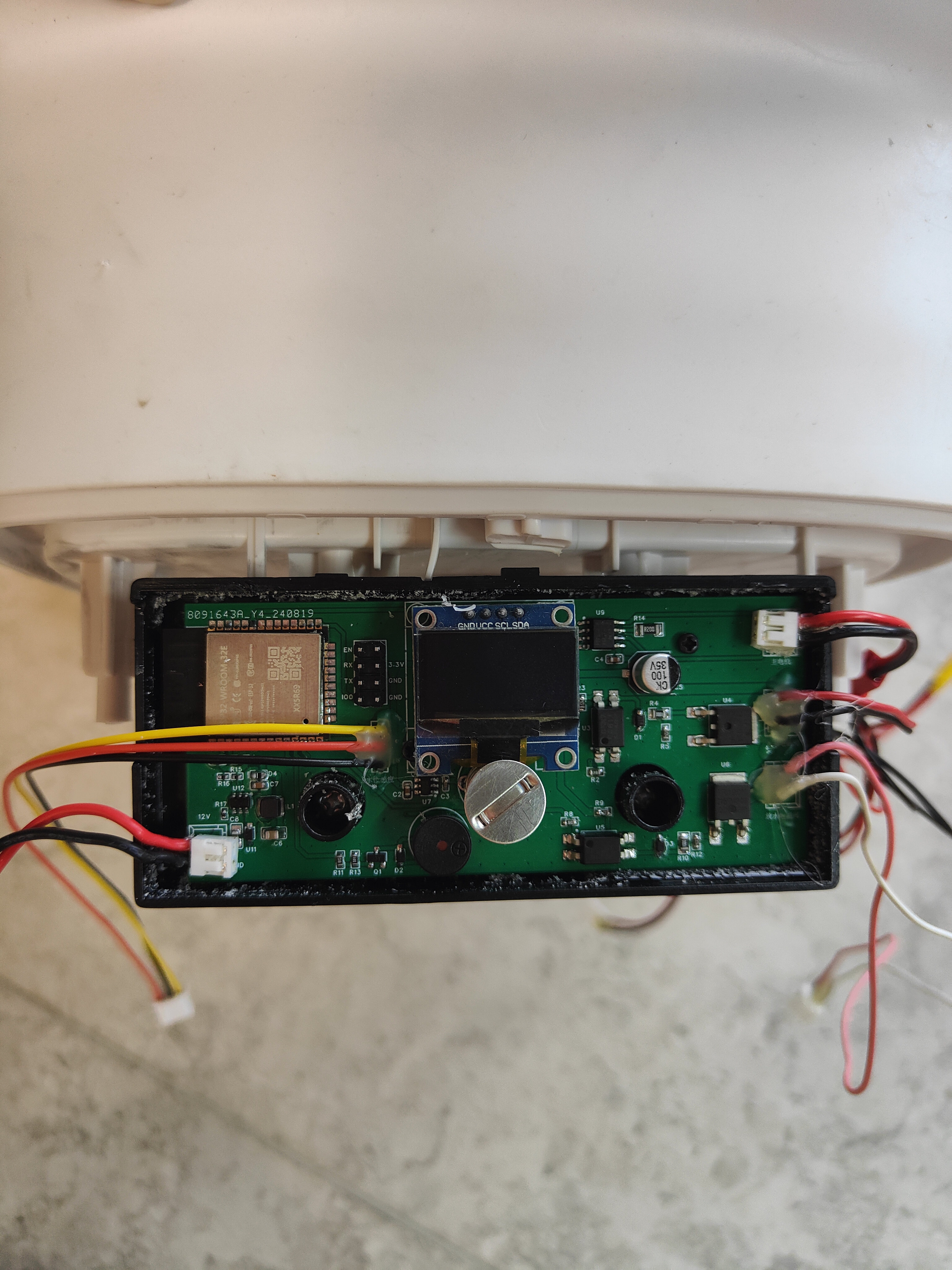
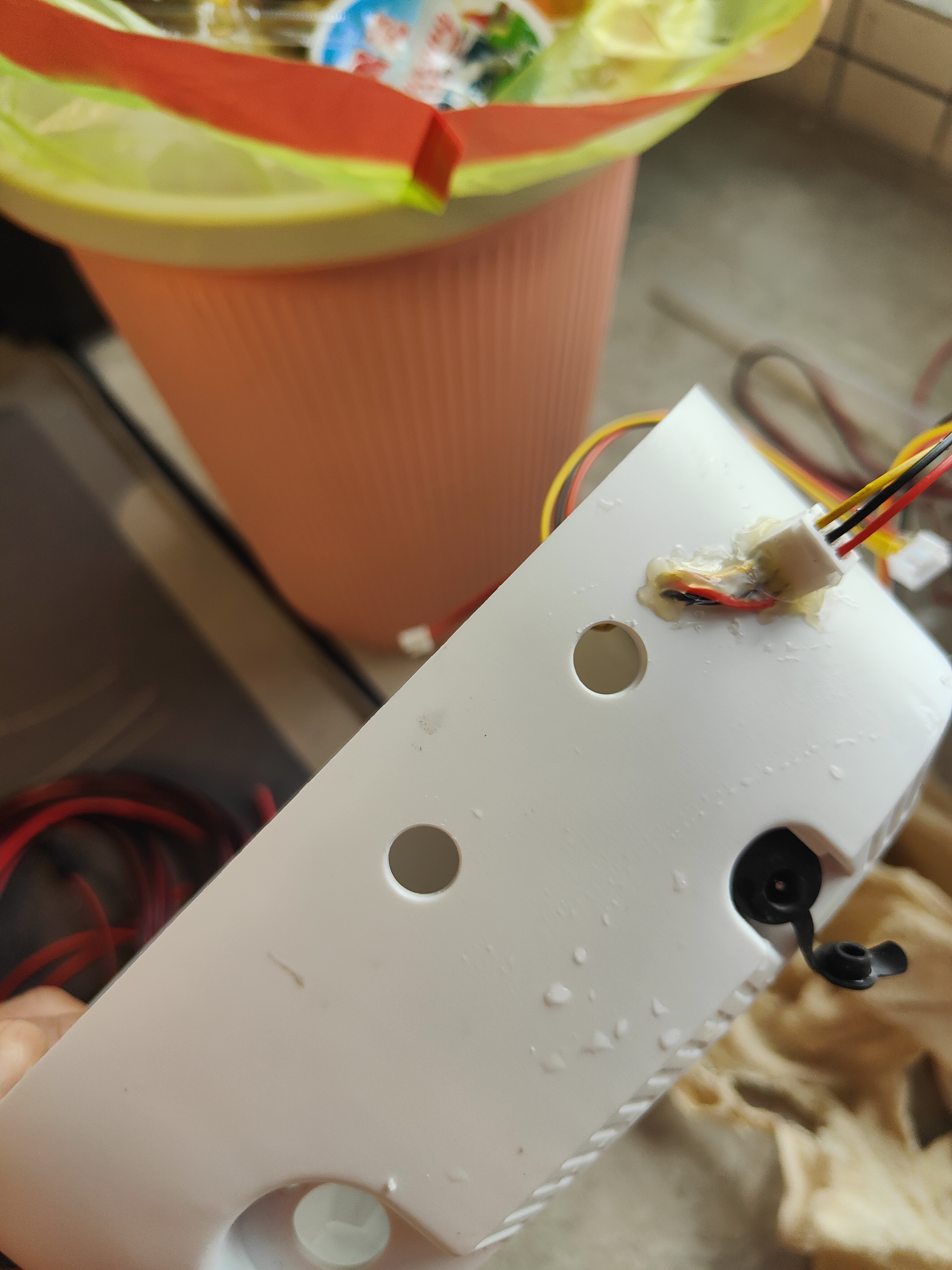
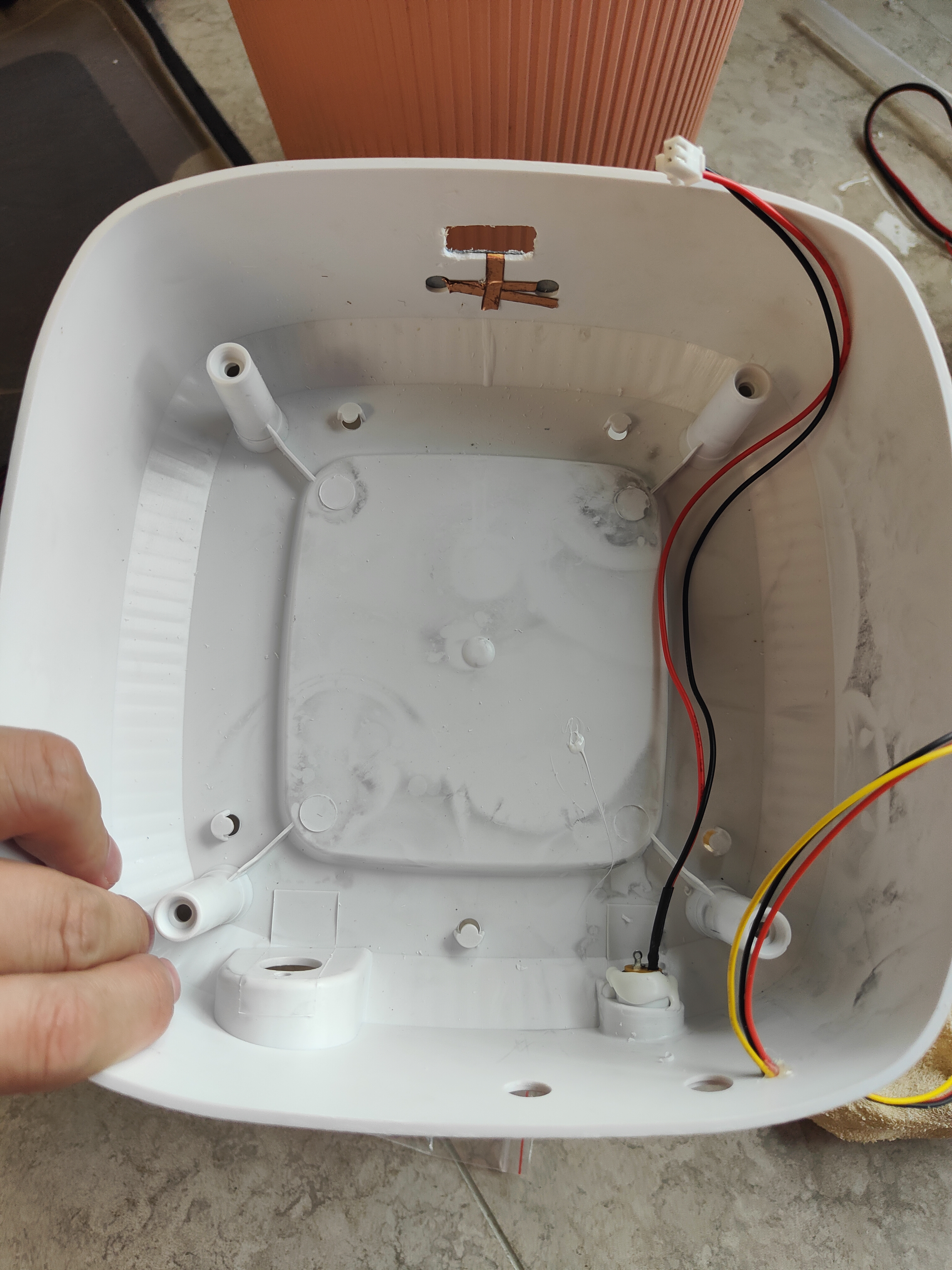
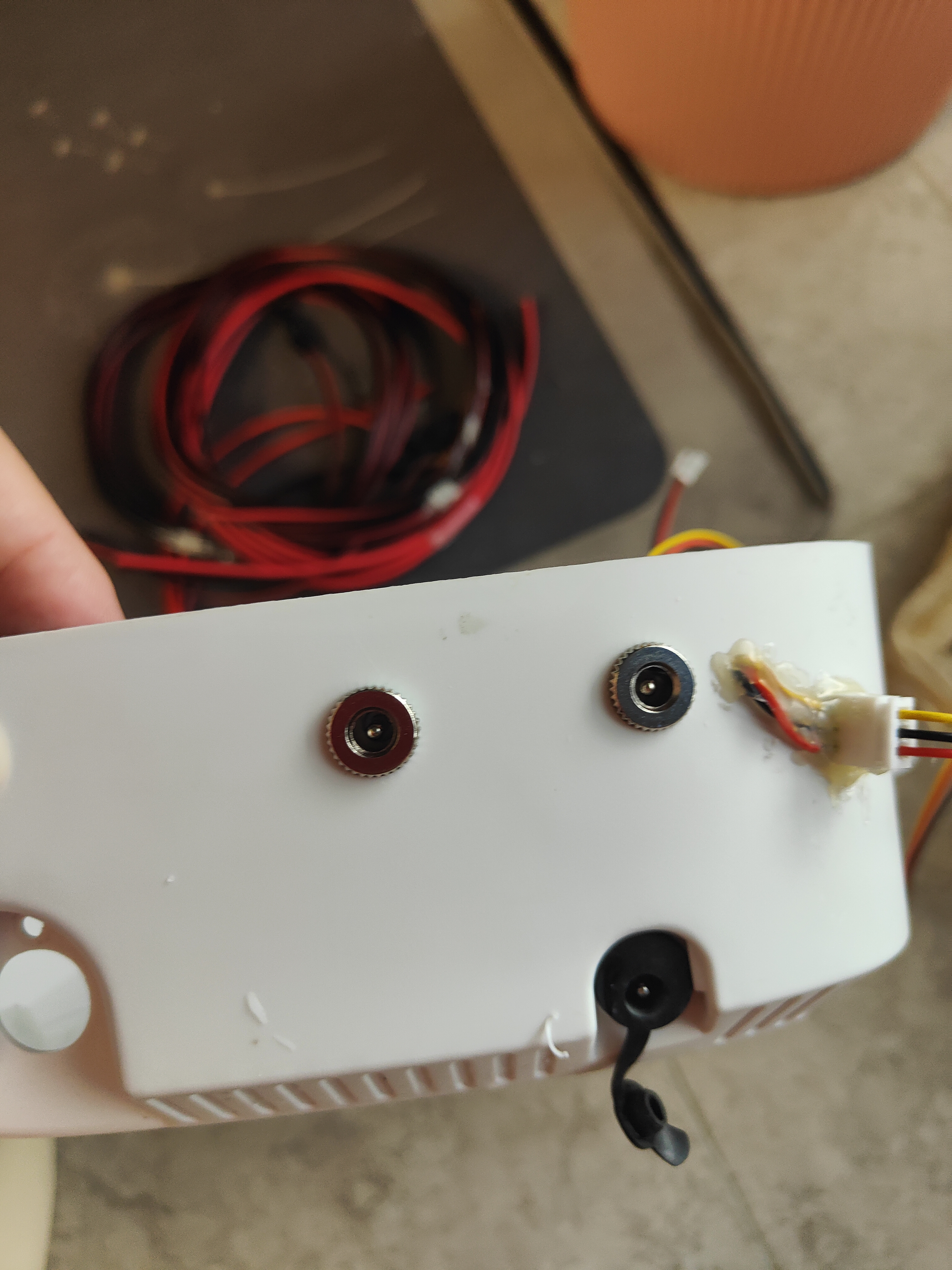
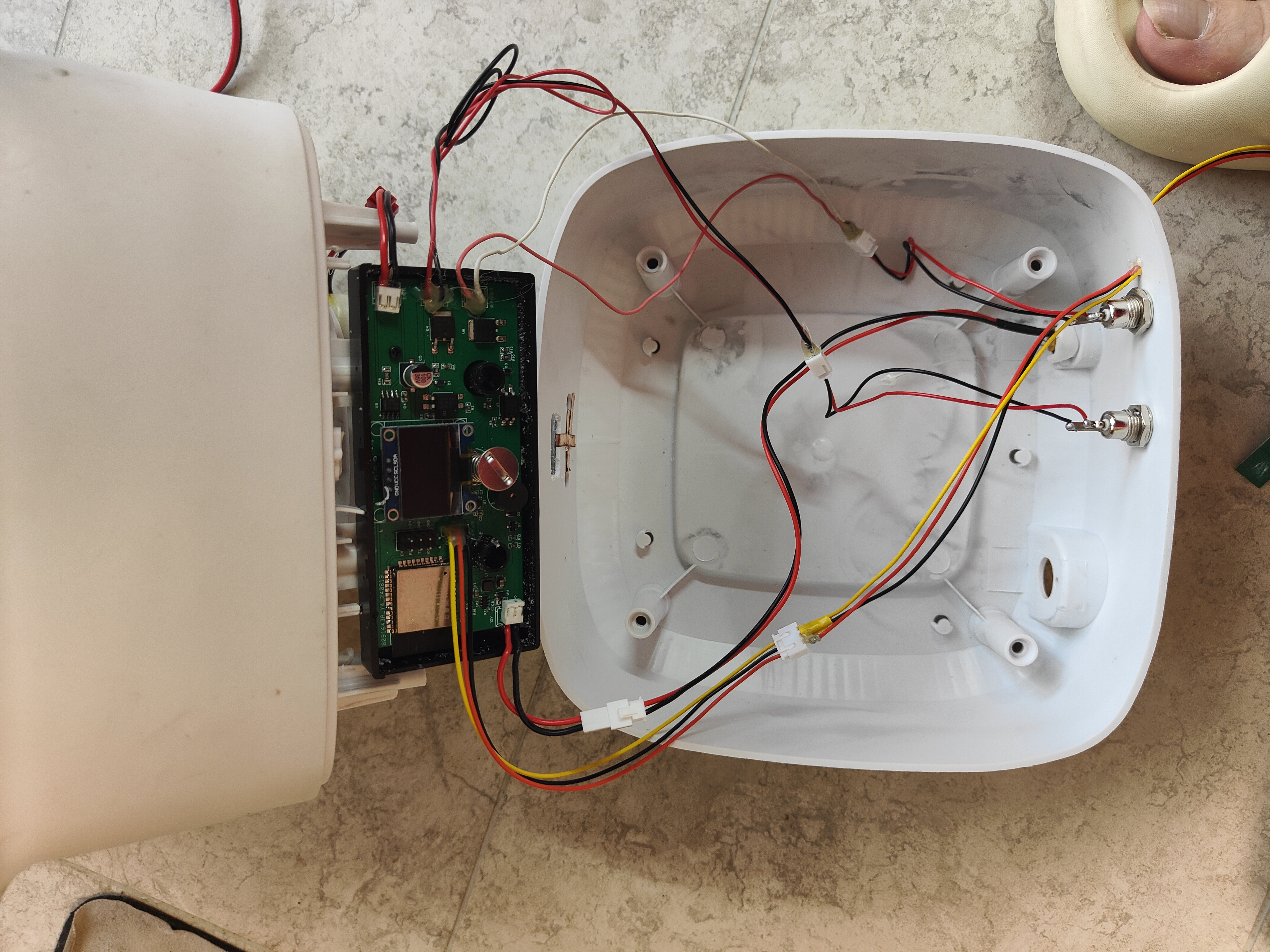
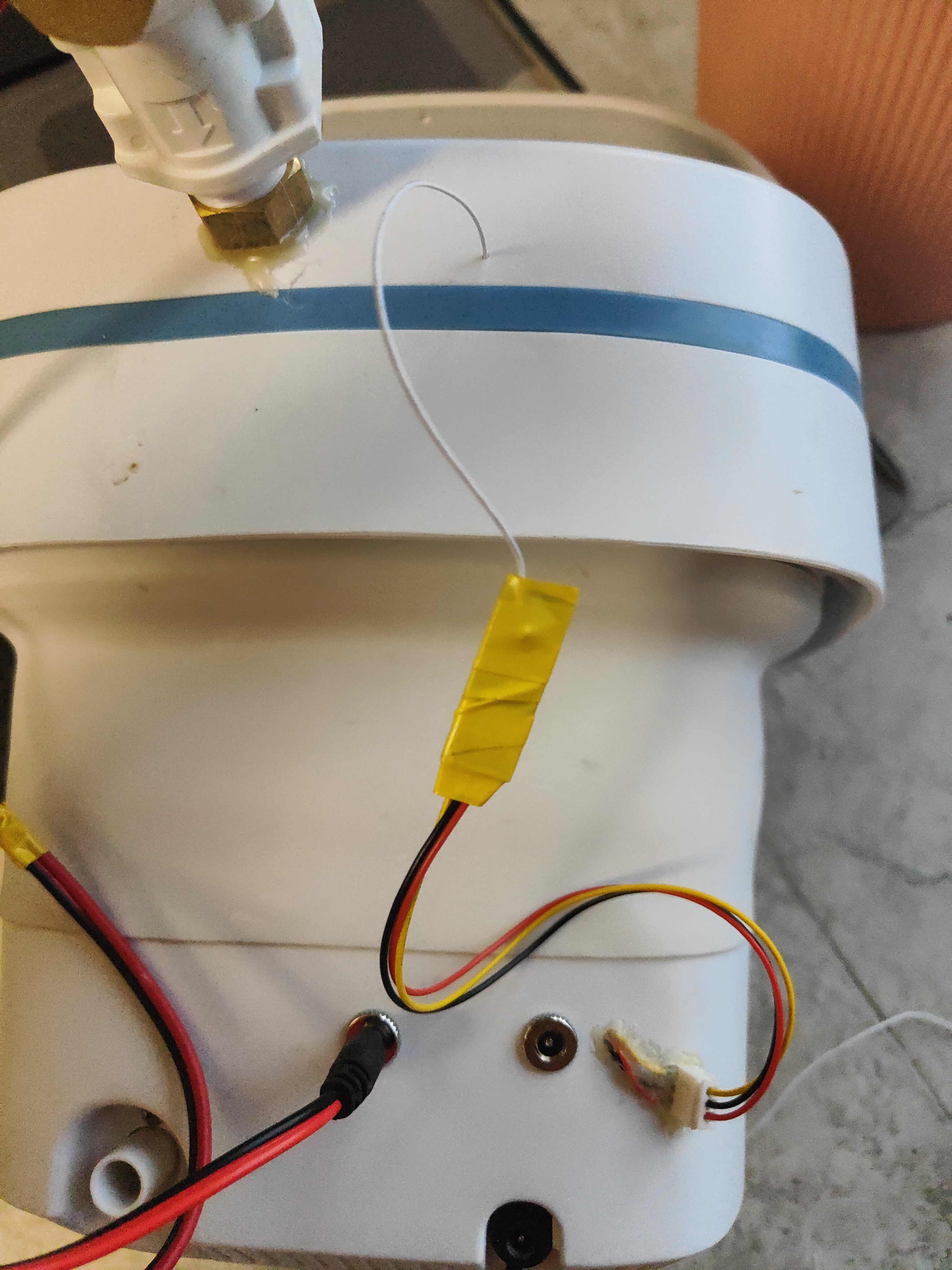
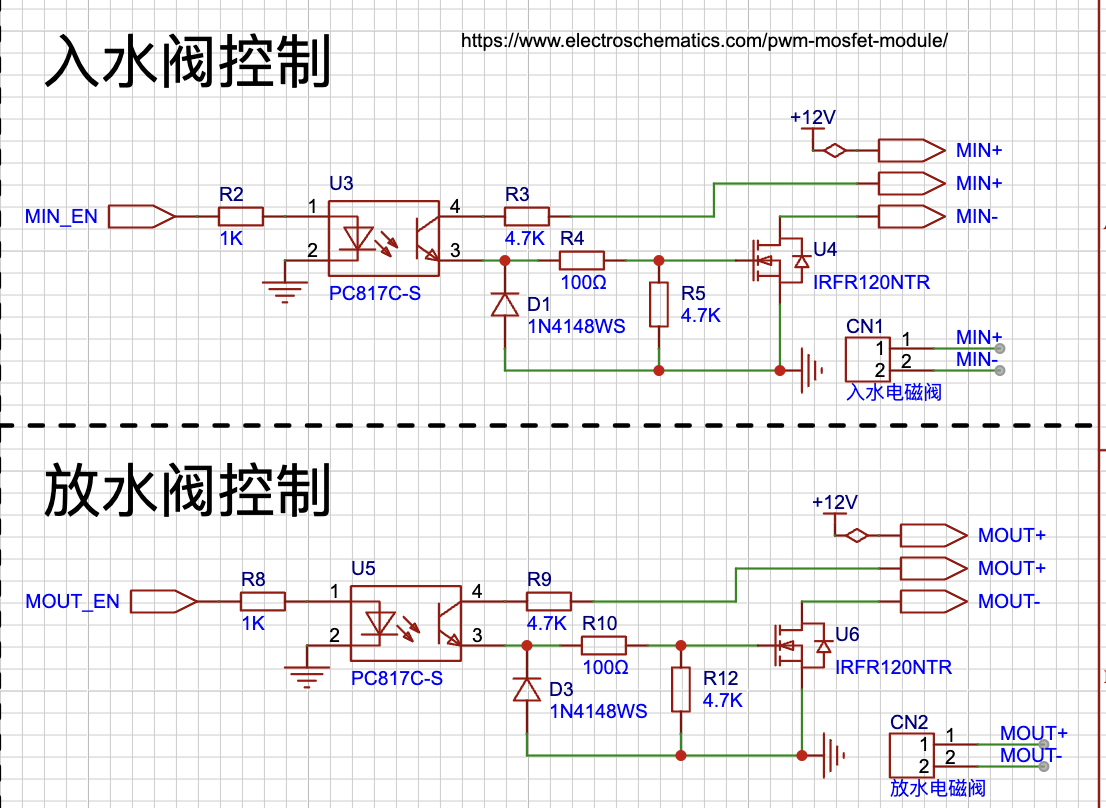
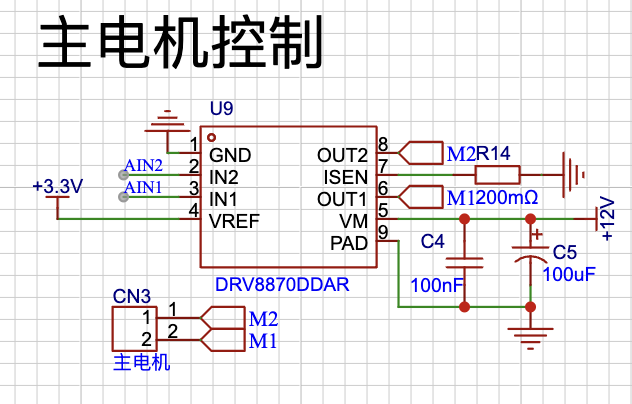
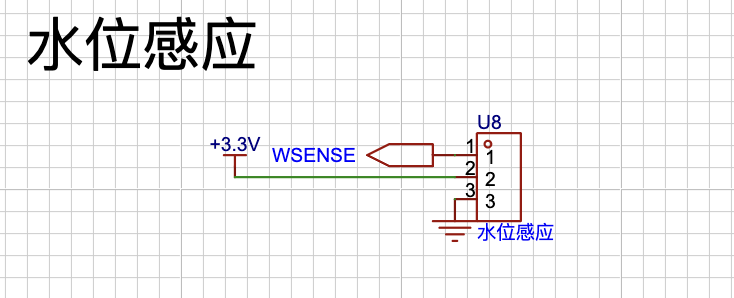
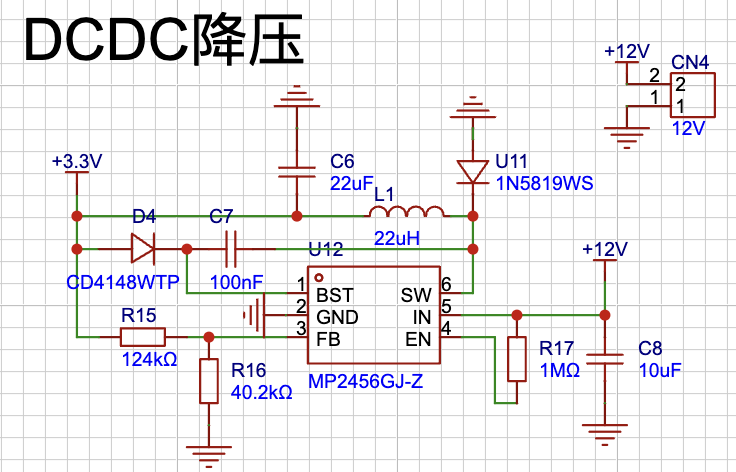
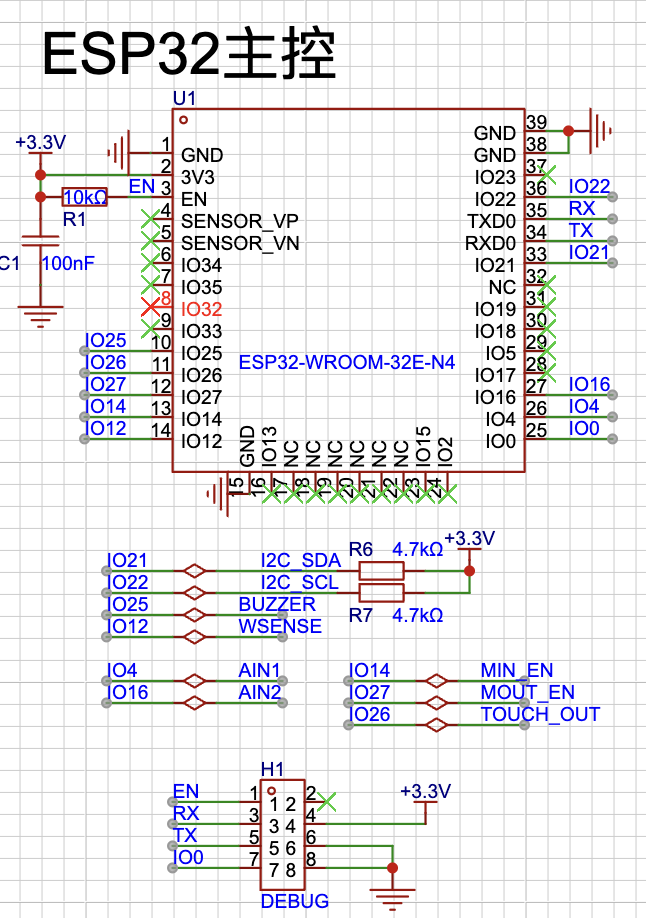
the old machine : For the screen hole, be careful; I accidentally slid the right side too wide. Without comparison, you don't realize how thin the cables I usually buy are for drilling holes for external solenoid valve sockets. I recommend using scissors or something similar to plan the hole; using a drill can easily make the hole too big. The TTP223 touchscreen isn't sensitive enough; you need to use copper foil. Actually, you can use an ESP32 touchscreen directly. For the water level sensor, I bought an M04 water level detection module and wrapped it with electrical tape to avoid false readings. Key improvements: 1. Main motor supports forward and reverse rotation, theoretically resulting in cleaner socks. 2. Supports automatic water inlet and drainage, and spin-drying. 3. Must have an OLED display screen. 4. Maintain the original layout with minimal exterior modifications. 5. Automatically detects water level to avoid water pressure fluctuations and difficulty in controlling water level. 6. Supports buzzer reminders. 7. Must support OTA (Over-The-Air) updates (long press Touch during startup to enter OTA mode). Schematic diagram: Solenoid valve control, directly using the common FR120 control circuit, supports high-power motors . The main motor uses the common H-bridge chip DRV8870 for control, supporting forward and reverse rotation, with a maximum load of 3.6A and a voltage range of 6.5V~45V. For water level control, the mature M04 module is used, which is convenient for external connection. For DC-DC step-down, the MP2456 is still better . The ESP8266 is sufficient for the main controller, but this promotion requires the ESP32, so let's use it. The software uses Arduino + PlatformIO, which is relatively simple. The OLED part directly uses the u8g2 library commonly used for monochrome screens. For details, please refer to the attached source code or visit https://github.com/jecelyin/esp32-washer. Subsequent code updates will be available on GitHub.


参考设计图片
×
 
 
Search Datasheet?

Supported by EEWorld Datasheet

Forum More
Update:2026-03-26 14:34:04

EEWorld
subscription
account

EEWorld
service
account

Automotive
development
community

Robot
development
community

About Us Customer Service Contact Information Datasheet Sitemap LatestNews



Room 1530, 15th Floor, Building B, No.18 Zhongguancun Street, Haidian District, Beijing, Postal Code: 100190 China Telephone: 008610 8235 0740

Copyright © 2005-2024 EEWORLD.com.cn, Inc. All rights reserved 京ICP证060456号 京ICP备10001474号-1 电信业务审批[2006]字第258号函 京公网安备 11010802033920号




