The ESP32C3 data acquisition
terminal features low power consumption (µA during sleep mode) and 15W fast charging. Data acquisition is transmitted via TCP to the T113 monitoring terminal, which uses SHT30 (temperature and humidity sensor), BMP180 (barometric pressure sensor), and BH1750 (light sensor). The T113 monitor runs Tina-Linux with an LVGL GUI and a large 10.1-inch screen. It functions as a weather clock with a Gaussian blur (frosted glass effect) background and a sophisticated animated clock display. It acquires weather and outdoor temperature and humidity data via the network, displaying current weather conditions and outdoor temperature and humidity parameters using Lottie animated icons. It can also read the SHT30 high-precision temperature and humidity chip to display indoor temperature and humidity. Furthermore, it can function as a home control hub, enabling smart home control via TCP communication (later changed to MQTT). It features a highly similar UI to Home Assistant, maximizing visual appeal.
Before we begin, let's look at the pictures~~~~
They are all placed outside. The shape of the acquisition part is similar to that of an air conditioner outdoor unit, and the size is only the size of a palm, so it doesn't take up any space~ The monitoring end will have to be delayed
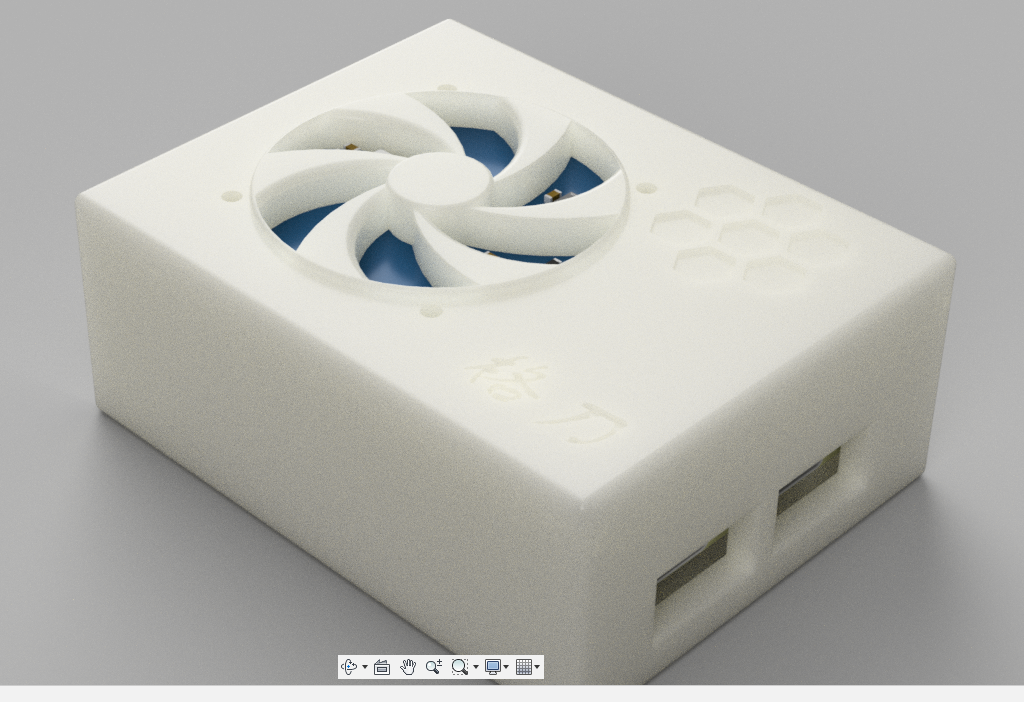
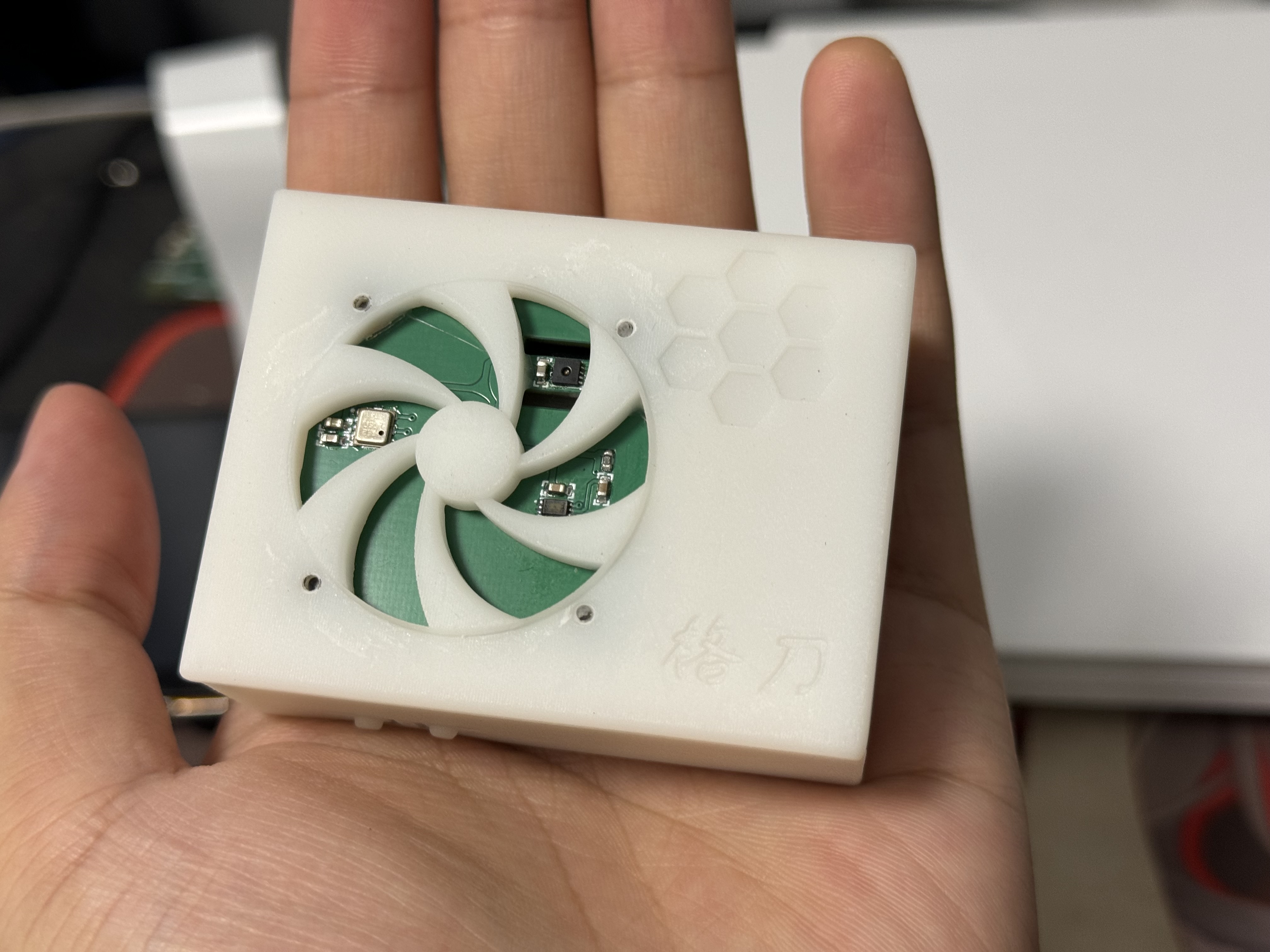
. Thanks to the Bilibili master Ao Da Li for the framework, and to the master Wu Minghui for the LVGL Gaussian blur effect!
Monitoring end UI address: https://github.com/Ary-ovo/strategist_UI
I. Schematic Analysis
(1) T113 part
There are 4 parts in total. 1. Schematic diagram of T113 peripheral circuit and basic equipment. You can find the peripheral circuit design required for T113 equipment in it. Some functions are selected and removed, such as TV function and TP (resistive touch) function.
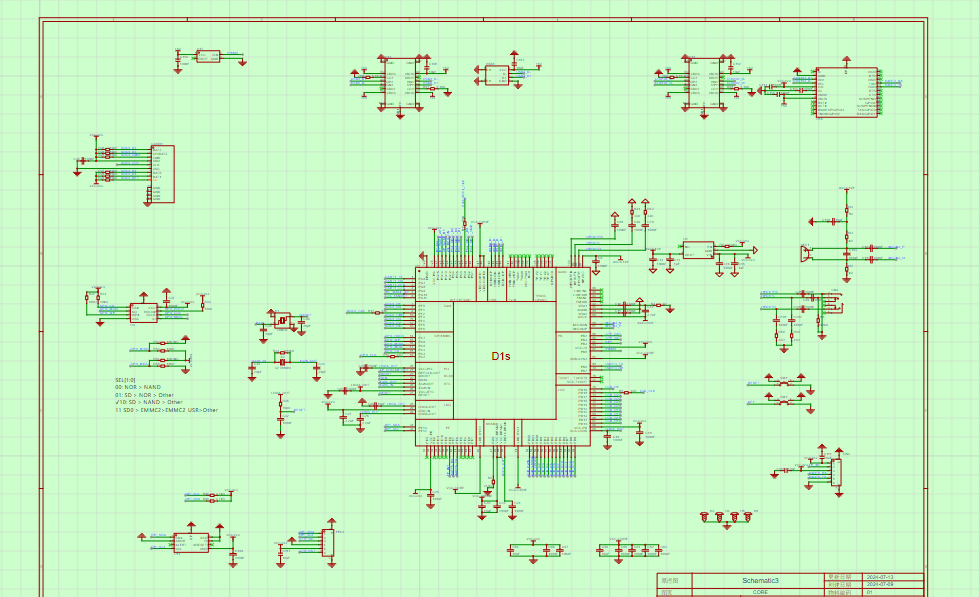
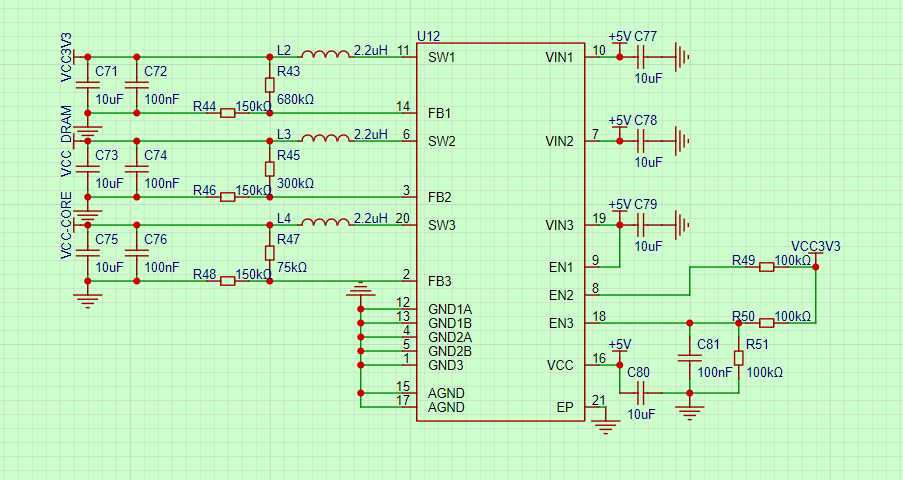
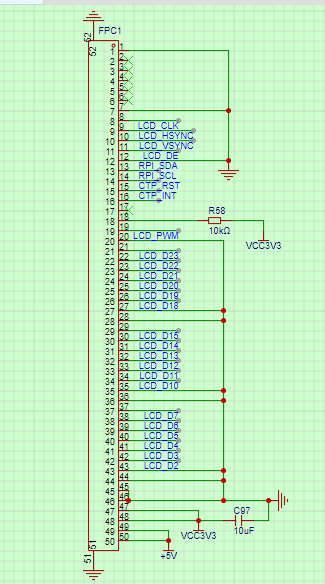
4. WIFI part, mainly the peripheral circuit of WIFI equipment.
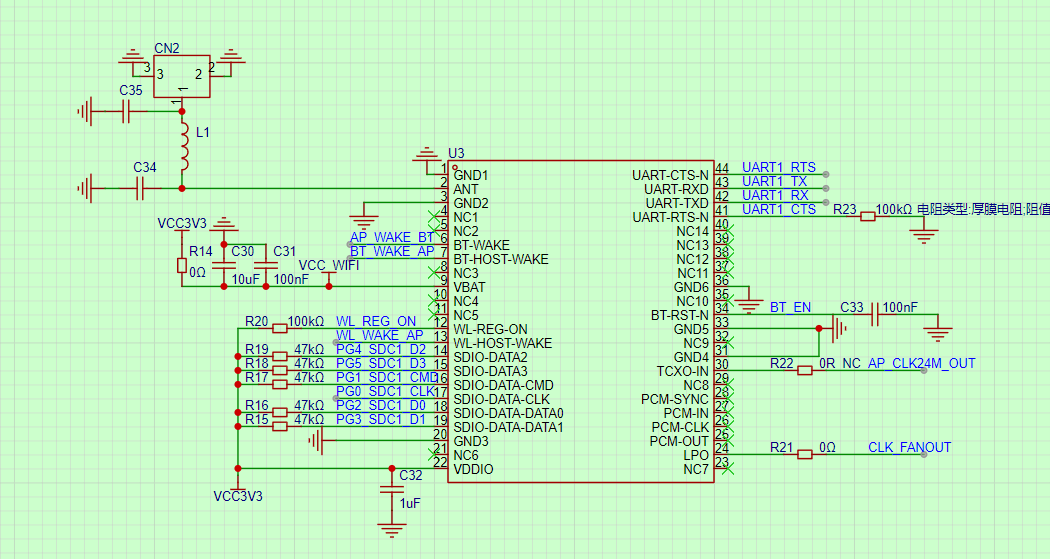
(2) Schematic diagram of ESP32C3 acquisition end
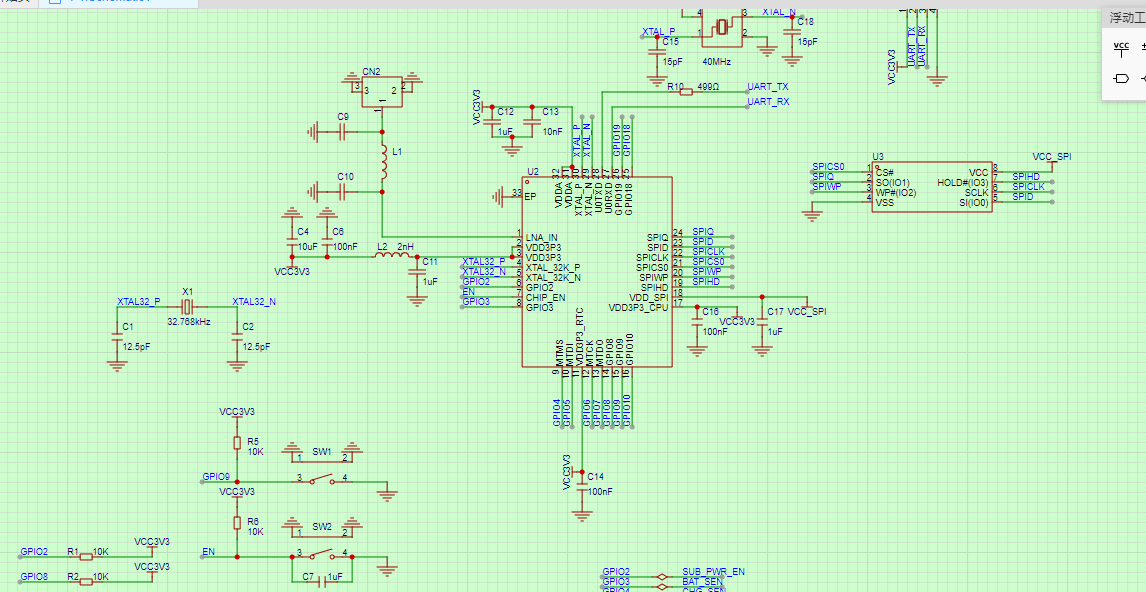
Because there are relatively few components used here, only one schematic diagram is drawn. ① The top left corner
of the ESP32C3 peripheral circuit
mainly shows the peripheral circuit design. There's not much to say; just follow the official schematic. It's worth noting that the strapping should be drawn strictly according to the official schematic, especially for the default floating pins. Pull-up and pull-down pins must be set up as required beforehand. I've seen many people draw it incorrectly this time .
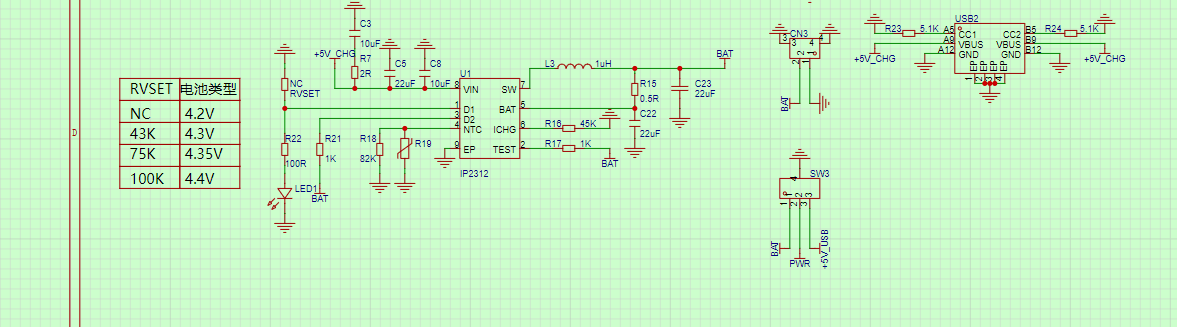
② Although the charging section
has low power consumption, the charging speed is still important! It uses an IP2312 charging chip, with a maximum power of 15W, more than enough to charge this 1000mA battery. Detailed power consumption settings are marked on the schematic. Because the charging current can reach up to 3A, a separate USB port design for downloading and charging is used to protect the computer during downloading, so you no longer have to worry about burning out your computer!
③ Power Management:
To achieve maximum low power consumption, the power supply for the sensor section is controlled by a PMOS transistor, and the battery detection is controlled by an NMOS transistor to turn off. In sleep mode, the MOS transistors are not turned on, maximizing power savings. Two ADC channels detect the charging voltage (status) and battery level, respectively.
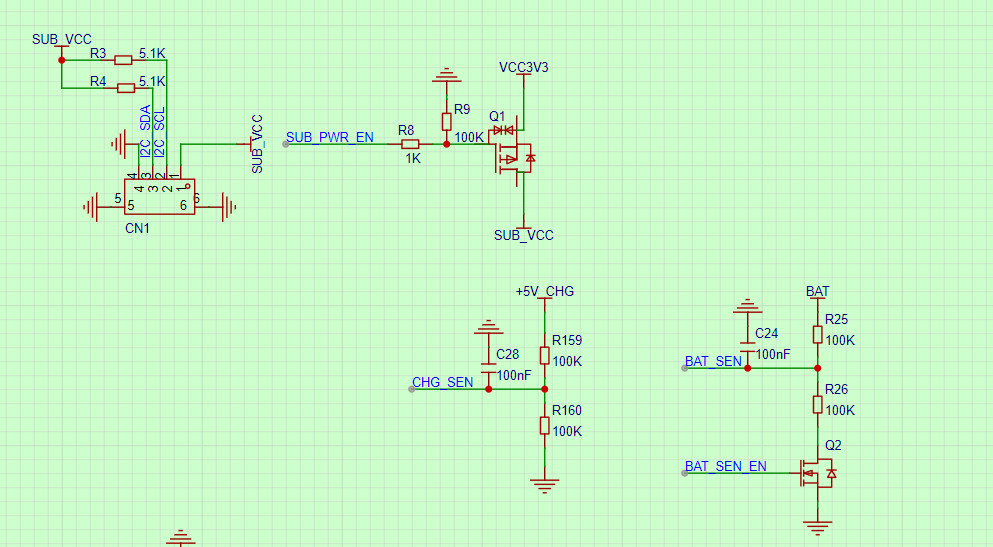
④ The power supply section
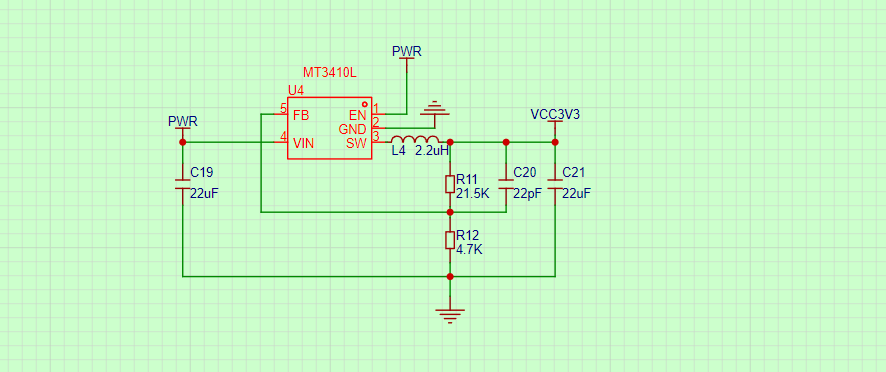
uses the MT3410L DC-DC step-down chip, which can power the ESP32C3 even when the battery is low. It also features a toggle switch to switch between battery power and USB download power, and can be used while charging.
It's already 3 AM, I can't stay up any longer. I'll post the software code explanation later. That's all for today QWQ. The LVGL library is too large; the code will be hosted on GitHub later.








 京公网安备 11010802033920号


 240-383PMT13-98PSCCNN



