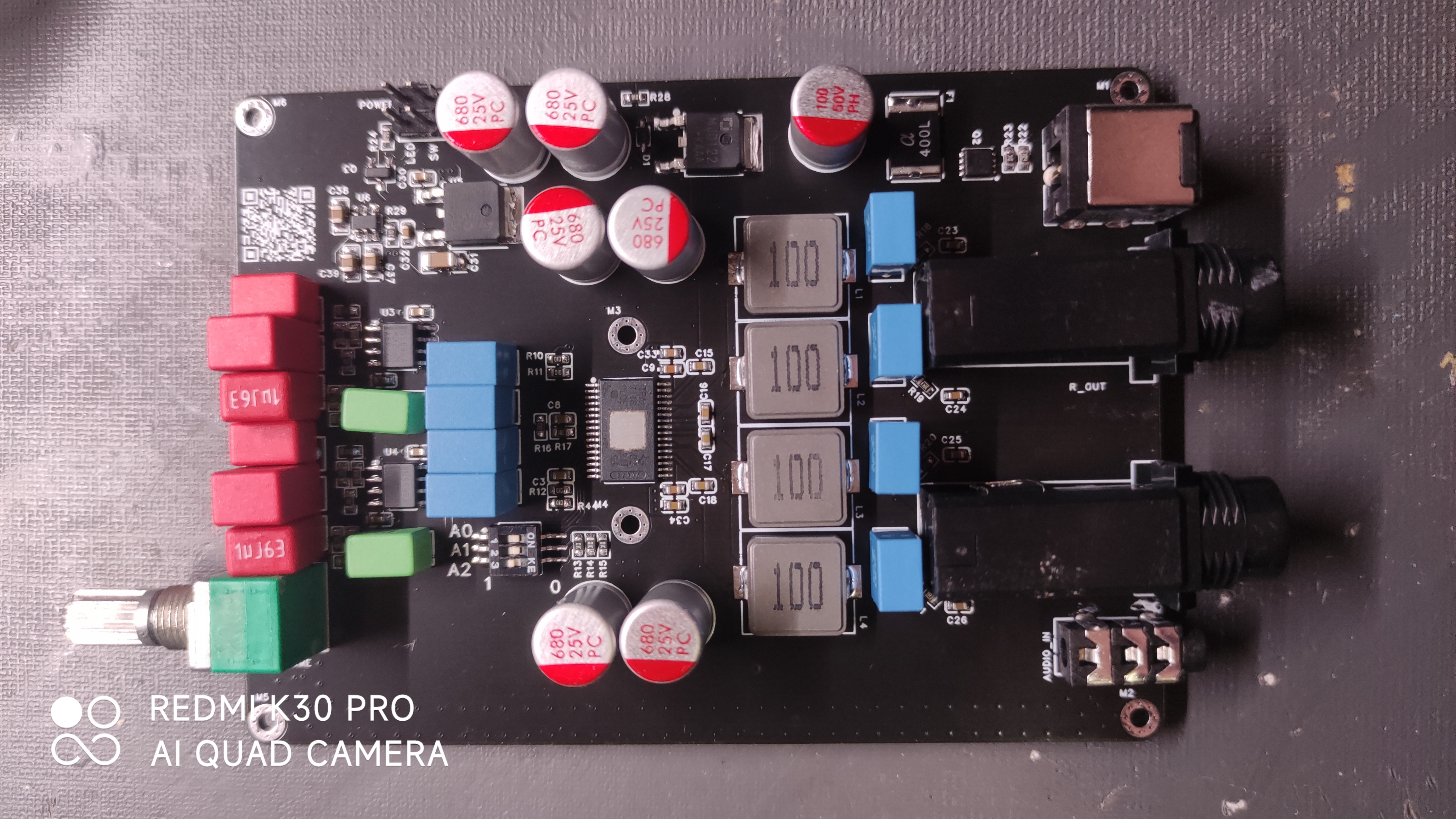
Figure 1. Physical diagram.
This project is based on the Hacklabs TPA3116 desktop amplifier and modified.
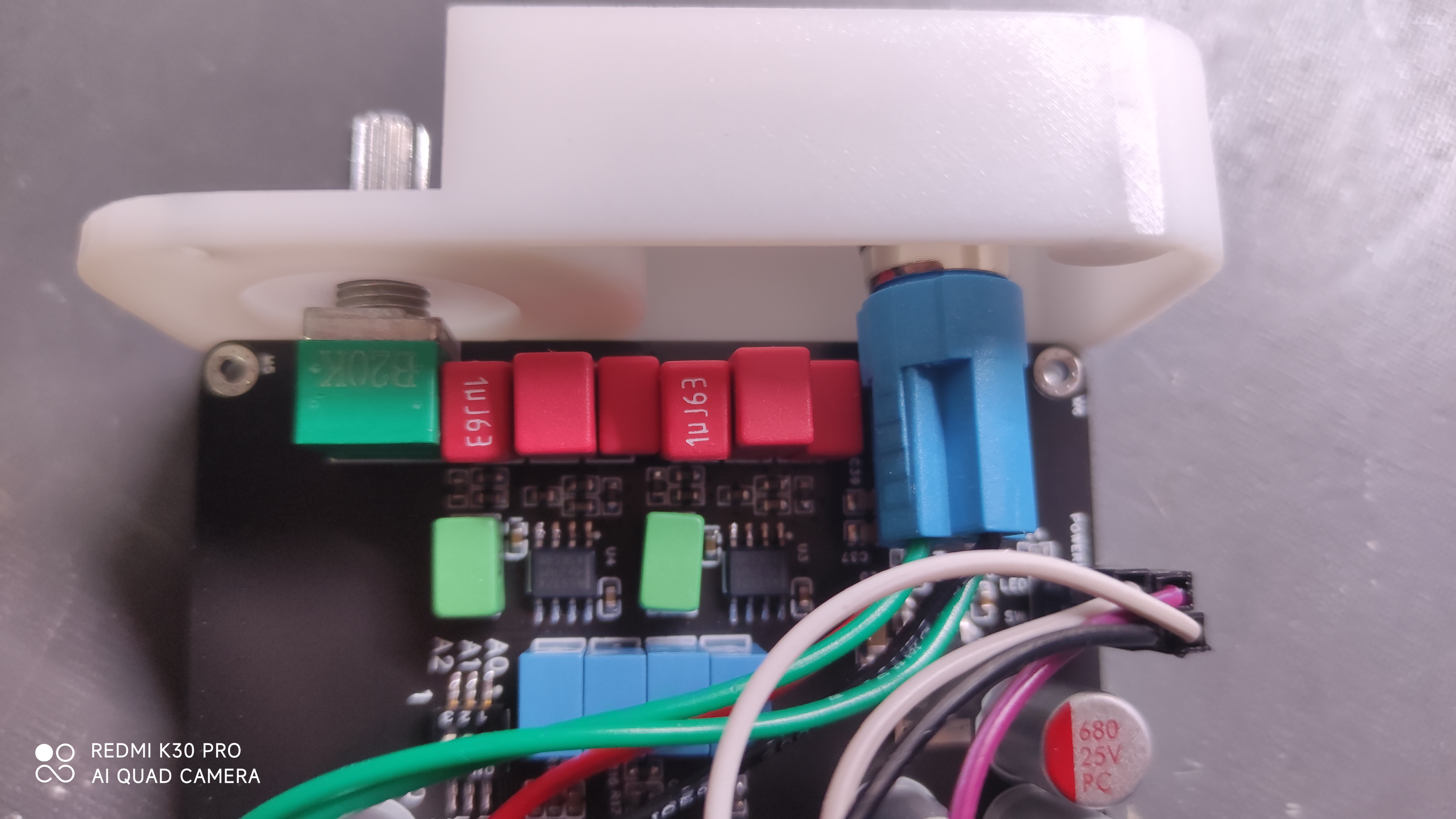
Figure 2. A few minor issues
led to two circuit modifications. Originally, the preamplifier didn't have filtering, so there was plenty of space. Later, I decided to build a filter for fun, but I didn't notice how wide the capacitors were... hence the large bunch at the front. You can modify it according to your own casing design.
Then there's this bunch of colorful capacitors; the blue ones are Siemens, and the others are Weima. The reason for this is that I used Siemens capacitors before, and I had some leftovers. Siemens didn't have some of the capacitor values for the preamplifier, so I simply used Weima for this bunch.
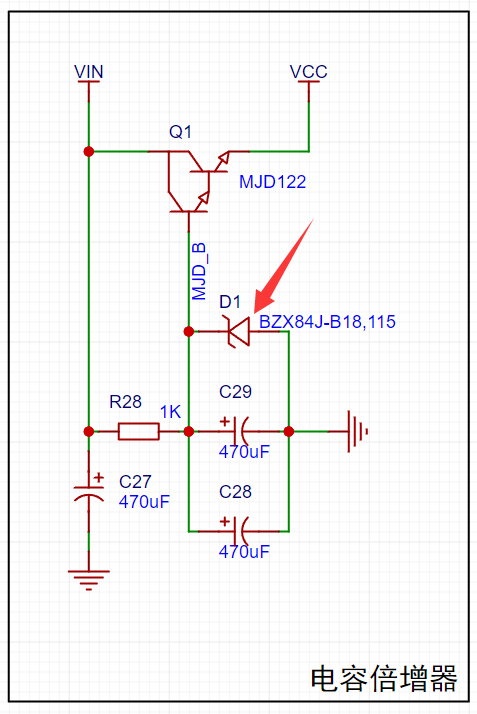
Figure 3. Capacitor multiplier.
The capacitor multiplier is used to filter the input power supply ripple. The Darlington transistor used is an MJD122. A Zener diode is used for simple voltage regulation. The output voltage can be changed by changing the Zener diode's breakdown voltage, but be careful with the power on the diode; don't exceed the maximum value.
(a)
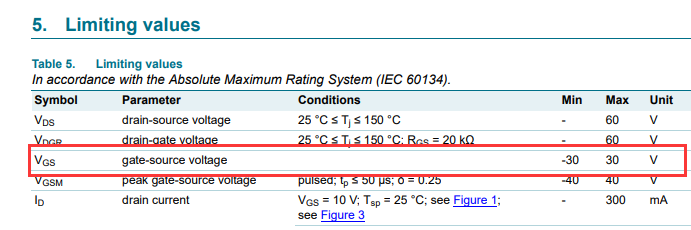
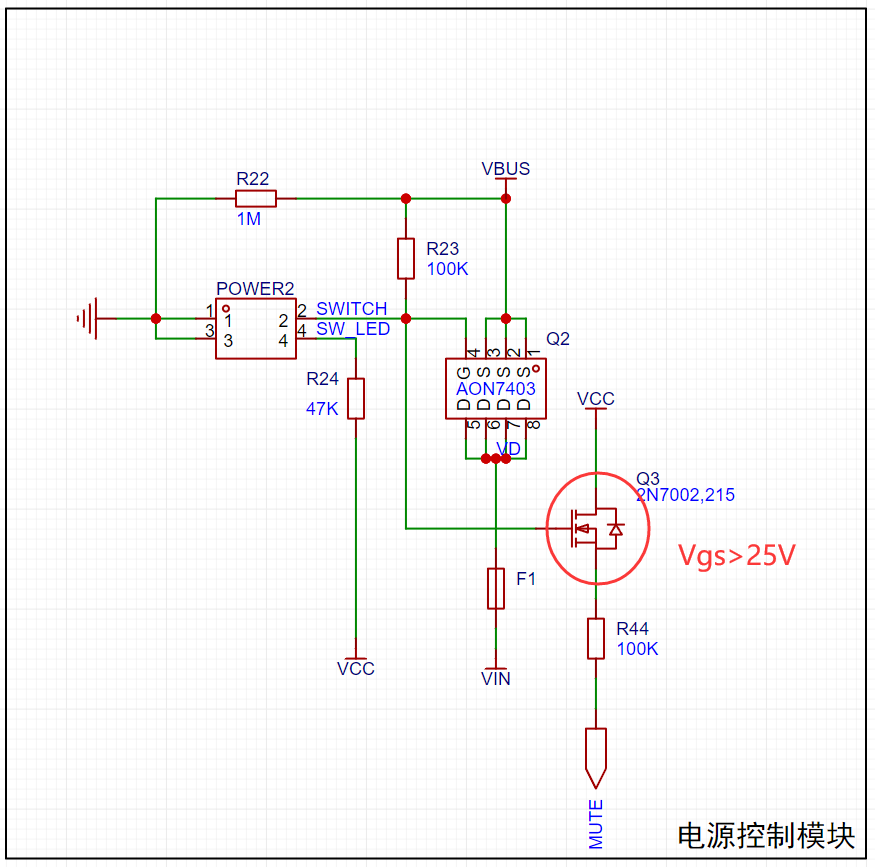
Figure 4 shows the push-button switch circuit.
Note the NMOS transistor Q3, which is used to eliminate the power-off pop sound. After power-off, the Vgs of this transistor equals the input voltage of the external power supply, therefore, there are requirements for the Vgs withstand voltage of Q3. Most MOS transistors have a Vgs of around 20V; carefully check the datasheet when selecting one.
If the gate (G) of transistor Q3 breaks down, the entire switching section will fail, and transistor Q2 will enter the variable resistance region. The entire system cannot cut off the power supply through the switch, but at this time the MUTE pin level is pulled high, so no sound is emitted. In this case, removing Q3 will solve the problem.
In practice, transistor Q3 is not strictly necessary; without it, there is generally no pop sound when the device is off.
My input voltage is 24V, and I chose Nexperia's 2N7002 transistor for Q3, with a maximum Vgs of 30V.
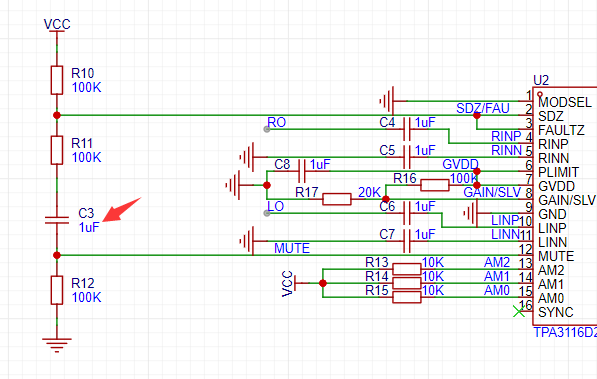
Figure 5 shows the power-on pop sound elimination circuit
. After actual testing, I found that the 1uF capacitor was practically useless for my device, so I replaced it with a 10uF capacitor.
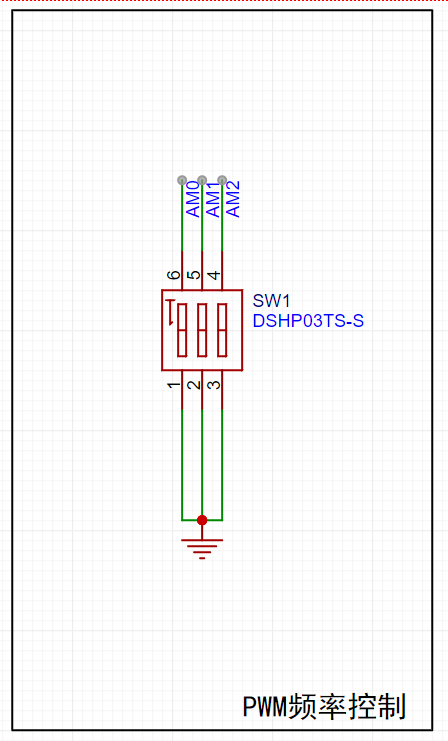
Figure 6 shows the TPA3116 DIP switch,
which is used to implement an adjustable PWM design. Note that the power-off operation is important; operating it while powered on may damage the chip.
Next is the preamplifier,
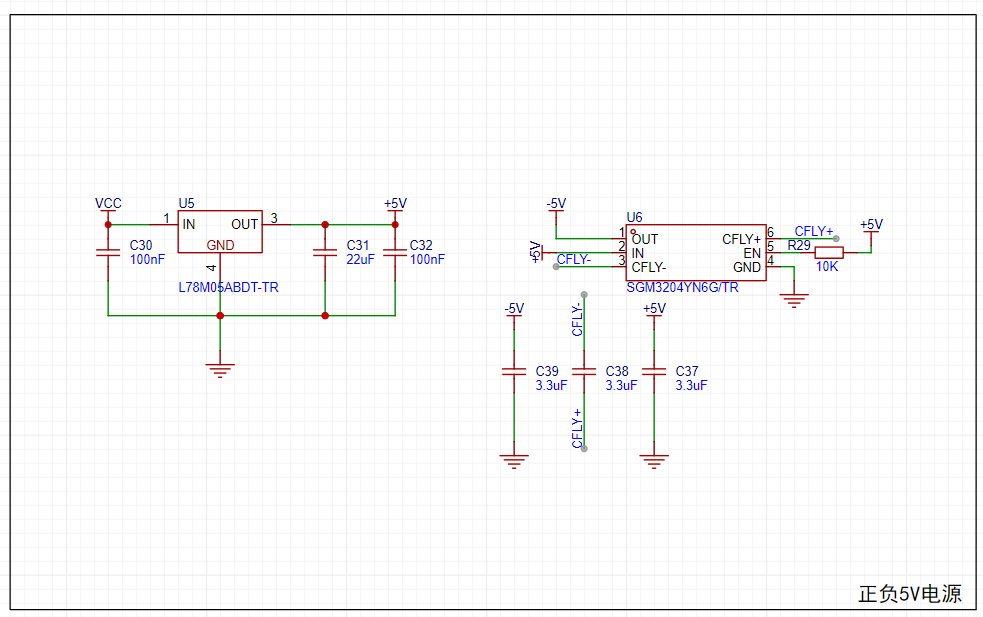
Figure 7.
The preamplifier power supply uses a dual power supply of ±5V. The charge pump is an SGM3204. In actual testing, the output is 5V under no-load conditions, but drops to 4.95V or even lower under load.
(a)
(b)
(c)
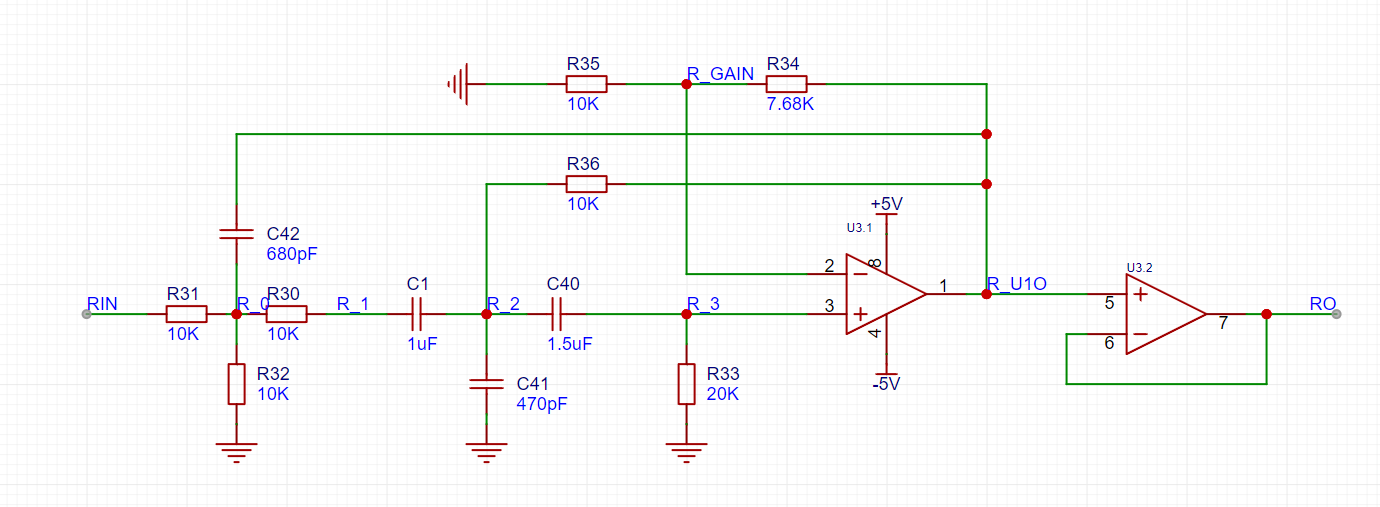
Figure 8
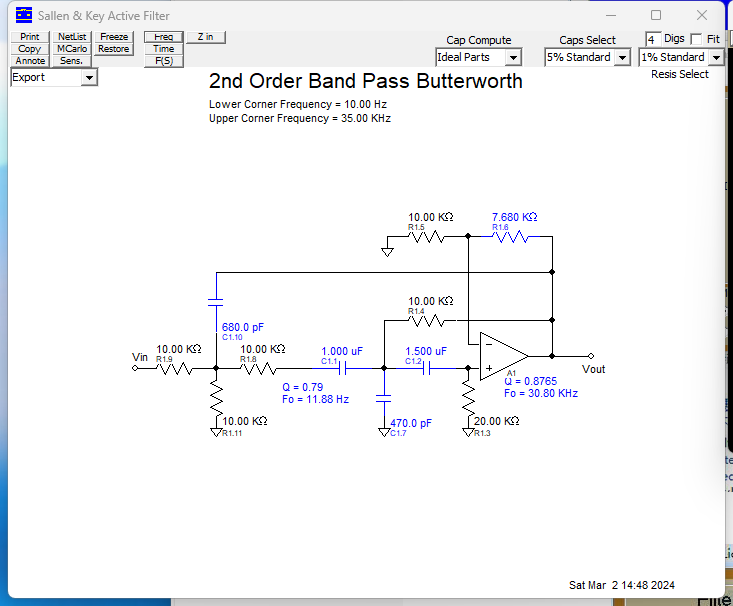
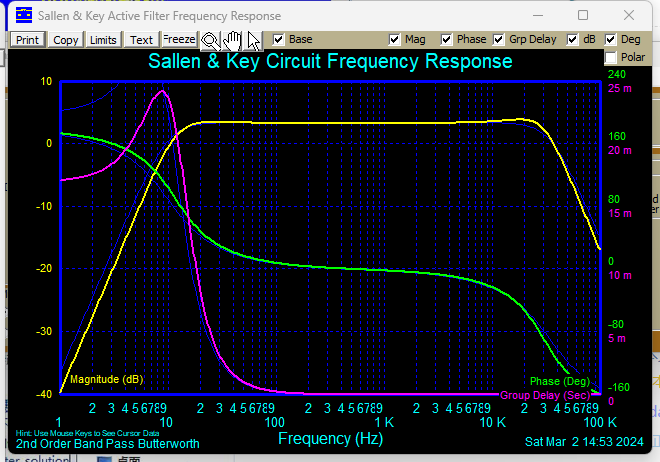
shows the preamplifier filter, which is a second-order Butterworth active bandpass filter with 1.5x amplification. The capacitor values were adjusted to ensure a flat frequency response curve while making it easy to purchase the appropriate components. The second op-amp is also a voltage follower used for input isolation. Any
op-amp can be chosen; a high-end one isn't necessary. Here, a surface-mount NE5532 is used, but it can also be replaced with a through-hole chip with a suitable socket.
Attached is a test video. The persistent buzzing sound in the video is the microphone's background noise. Since it was recorded in my school dorm, I couldn't play it too loudly, so I recorded the right channel right up close. The overall background noise is very low; you can't hear it unless you're right next to the speakers. The speakers are DIY passive speakers, 3-inch full-range Dometic drivers, 8 ohms, with a nominal sensitivity of 93dB and a frequency range of 60-25kHz.








 京公网安备 11010802033920号


 EDI7F341MC100BNC



