The project originated from
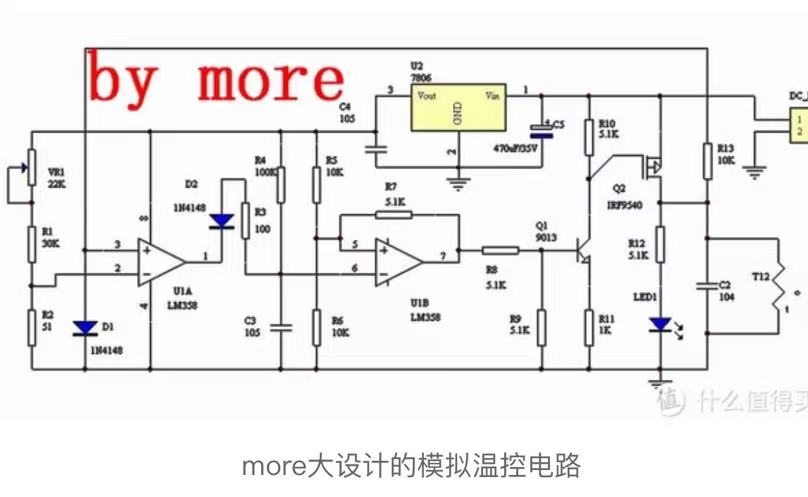
my long-standing admiration for the superior performance and compact size of the Hakko T12 soldering iron. However, due to financial constraints, I was limited to using my old, generic, temperature-controlled soldering iron. As it aged, it took over two minutes to reach sufficient temperature after being plugged in. Finally, I couldn't take it anymore and bought two secondhand Hakko T12 soldering tips online: a T12-K (blade tip) and a T-172 (pointed tip). My goal was to design a portable T12 soldering pen with exceptional cost-effectiveness. I aimed to keep the price as low as possible, striving to create a cheap and durable soldering iron that meets basic soldering requirements, replacing my old 936 and becoming the new heirloom of the soldering iron world. The LM358 chip is used for temperature control. It's simple, robust, and the circuit's stability has been proven.
The project proposal,
pioneered by More, is essentially the "cheapest" analog temperature control circuit, widely praised in the industry. This landmark design laid the foundation for the later proliferation of affordable analog temperature control circuits. With More's permission, Any first launched a group buy for inexpensive
analog temperature control circuit kits on the Changting forum. Since then,
the low-cost analog temperature control circuit has been known as the "cheapest" circuit. The other well-known "cheapest" 616 circuit should be considered a slightly modified version of this "self-created circuit." The "cheapest" circuit uses only one LM358 chip for control, offering low cost and good performance, making it suitable for users who don't need a digital temperature display.
Schematic Design Notes:
The reed switch in the schematic can be replaced with a ball-bearing vibration switch. Imported LM358 chips are preferred to ensure temperature stability. The MOS transistors in the schematic can be replaced with any other PMOS transistor; simply adjust the pull-up resistors according to the corresponding MOS datasheet. The reed switch package in the schematic can be modified according to your needs. The default is the shortest one sold on Taobao; anything longer might jam the circuit board and break easily.
The PCB design instructions specify
a save location on the PCB, so ignore that. There's an
issue with the standard version's import project. Those who want to download and print the PCB can do so without problems. The PCB in the standard version has already been tested and printed. You can
find the test videos by searching "Aloser21" on Bilibili. All the replica content includes replica videos and shell printing tutorials. Related shell printing tutorials are also provided below. The DC interface uses a custom package. When purchasing the interface, consider compatibility; refer to the product details for a 3D model. Alternatively, you can modify the package yourself for compatibility with your own packages. At this price

point
, what more could you ask for? No code is needed; just solder and it works—it's quite simple. As long as there are no short circuits, there shouldn't be any problems. This is a near-perfect circuit that achieves temperature control and sleep mode without any programming.

The physical demonstration and instructions
are
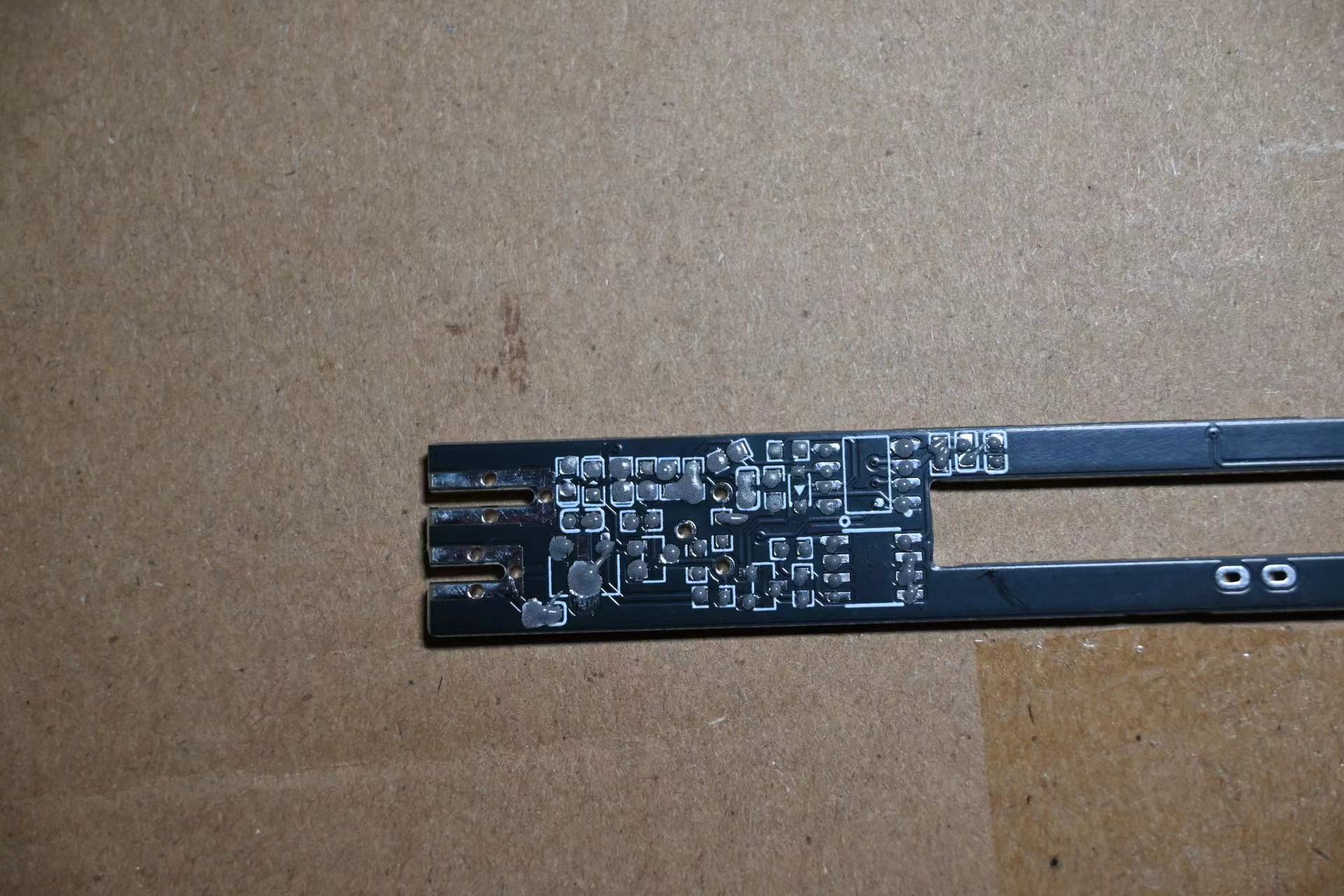
straightforward. First, solder the power supply section, then power it on and test if 5V is output. If the voltage is correct, it's generally fine. All components are available on Taobao. However, if you're worried about it exploding, you can test the 78L05 chip separately at the 5V output terminal for any abnormally hot chips (be extremely careful to avoid chip explosions that could injure you). The demo video shows the 3D-printed casing; the specific files are in the group (QQ group 786842312).
[Extremely Cost-Effective 9.9 Yuan Portable T12 Soldering Iron (Completely Open Source) - Bilibili] https://b23.tv/pM8JLnF This is a Bilibili tutorial video.








 京公网安备 11010802033920号


 2SK2358



