This introduction describes
an environmental monitoring device based on the GD32 sensor, which returns relevant environmental data through temperature and humidity sensors, air pressure sensors, and hazardous gas sensors.
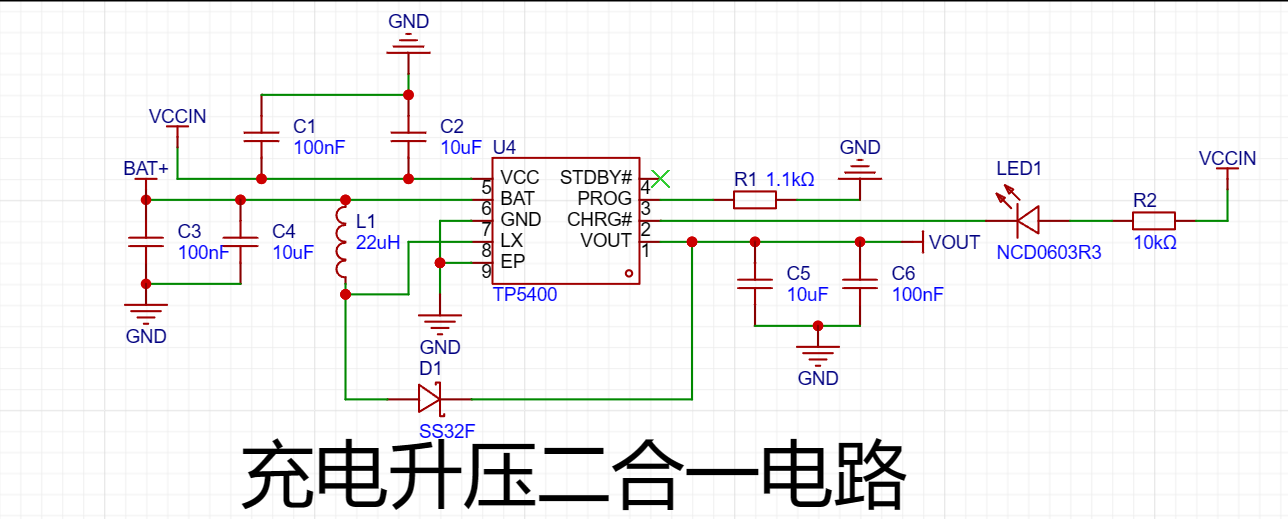
The schematic diagram illustrates
the TP5400, a dedicated single-cell lithium-ion battery charger and constant 5V boost controller for power banks. The charging section integrates high-precision voltage and charging current regulators, pre-charge, charging status indication, and charging cutoff functions, and can output a maximum charging current of 1A. The boost circuit uses a VFM switching DC/DC boost converter manufactured with CMOS technology, exhibiting extremely low no-load current. It features extremely low no-load power consumption (less than 10uA) and a boost output drive current capability of up to 1A. It requires no external buttons and is plug-and-play.
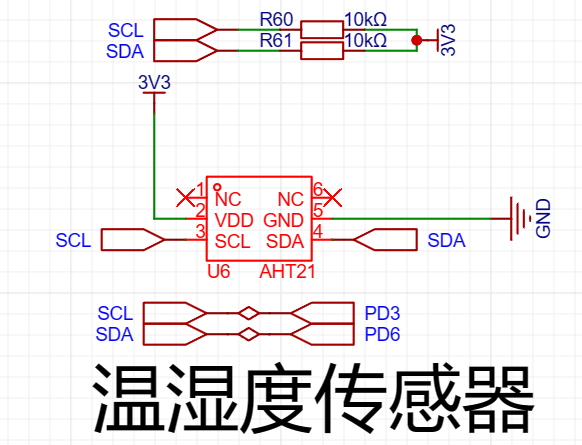
This case study utilizes the AHT21 temperature and humidity sensor. As a new generation of temperature and humidity sensors, the AHT21 sets a new standard in terms of size and performance: it is embedded in a dual-in-line flat no-leads SMD package suitable for reflow soldering, with a bottom surface of 3x3mm and a height of 0.8mm. The sensor outputs a calibrated digital signal in standard I2C format.
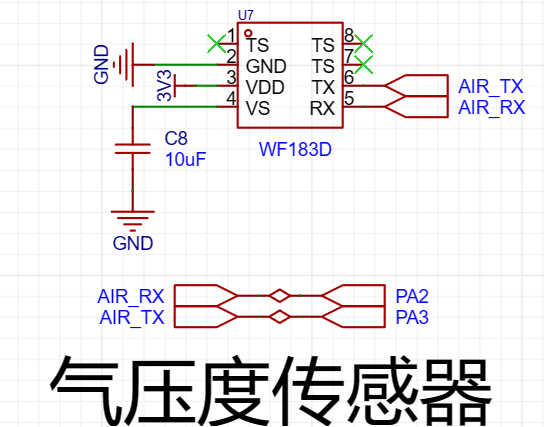
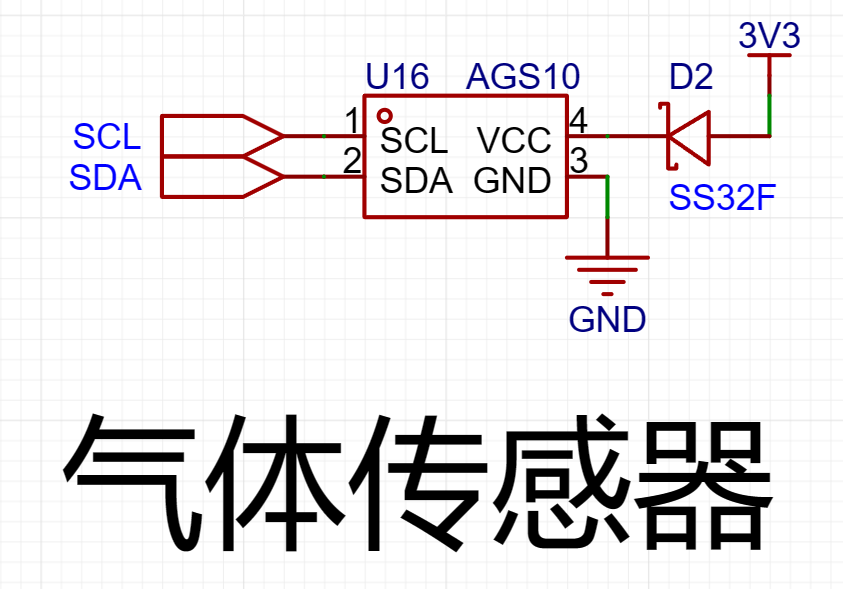
This case study utilizes the WF183D digital waterproof barometric pressure sensor. The WF183D is an economical digital pressure and temperature sensor that integrates a MEMS pressure sensor, a high-resolution 24-bit ΔΣADC, and a DSP. The WF183D provides high-precision, calibrated digital pressure and temperature output via UART, with very simple communication connectivity. For
hazardous gases, this case study employs the AGS10 TVOC sensor, a MEMS TVOC sensor with digital signal output. It features dedicated digital module acquisition technology and gas sensing technology, ensuring extremely high reliability and excellent long-term stability, while also boasting low power consumption, high sensitivity, fast response, low cost, and a simple driving circuit.
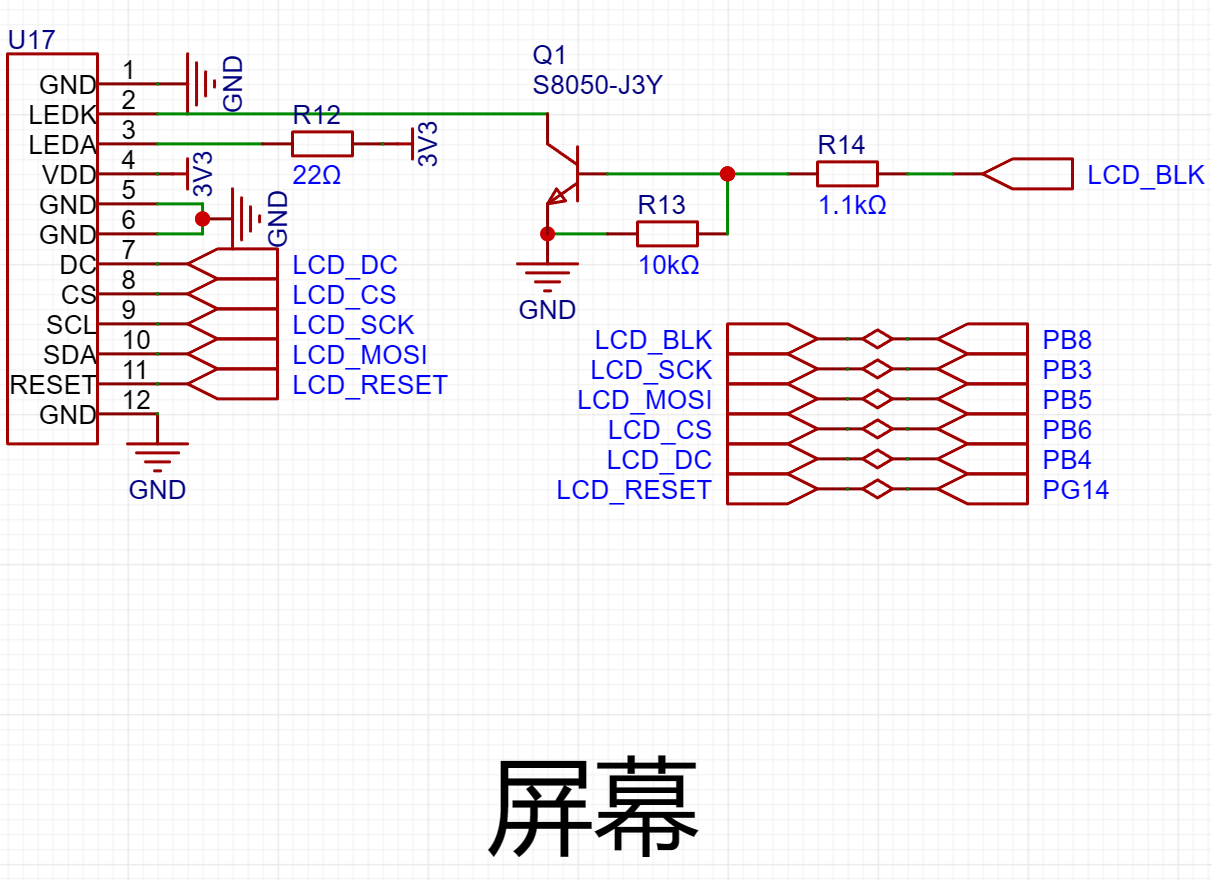
The screen is a 1.69-inch IPS high-definition rounded-corner screen with 240*280 pixels and SPI communication. A 1.69-inch screen is a common small-size display, referring to a diagonal size of 1.69 inches (approximately 4.29 cm). Although relatively small, it still has wide applications and functions in certain fields. This screen offers a higher pixel density (total pixels/size), resulting in finer image quality and fewer control I/O operations, leading to a simpler peripheral circuitry.
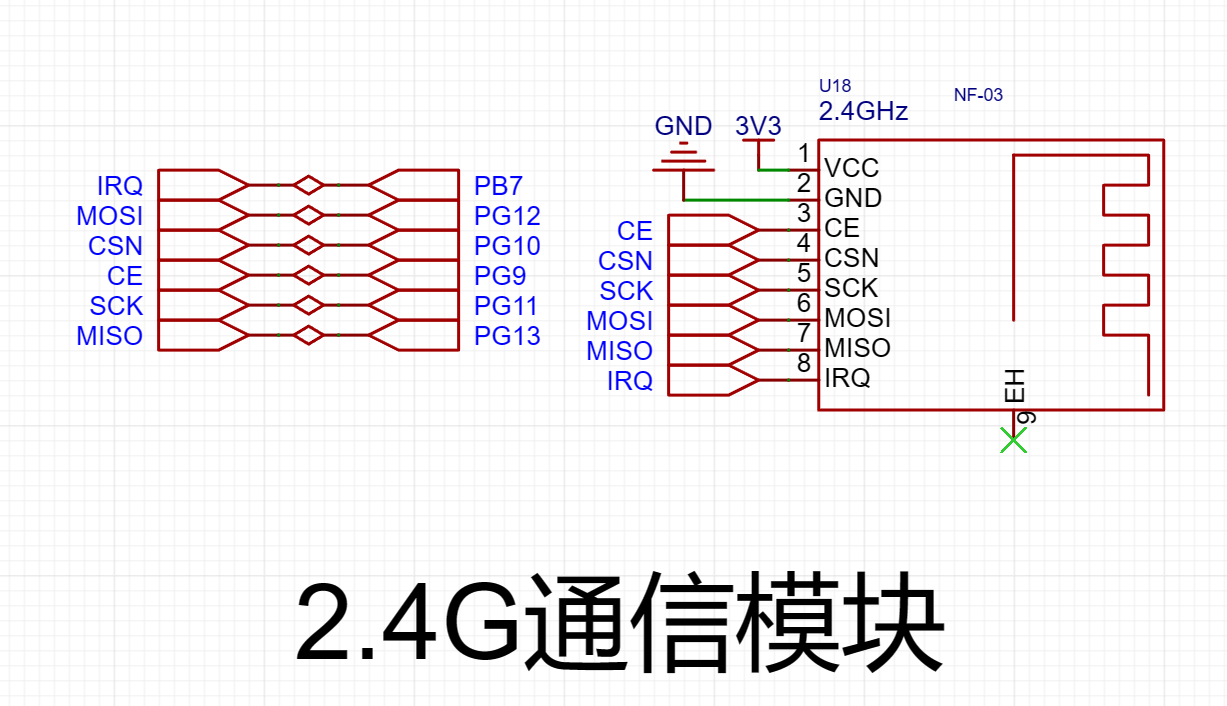
This case study utilizes the NF-03 wireless module designed by Ai-Thinker Technology. The NF-03 is a 5mW 2.4G transceiver module. A 2.4G module is used for wireless communication, enabling wireless data transmission and reception in the 2.4GHz band. This module typically consists of a wireless transceiver and related control circuitry, providing users with a convenient wireless communication solution.
Note:
Some component pads are internal; hot air soldering is recommended.








 京公网安备 11010802033920号


 B1603
B1603



