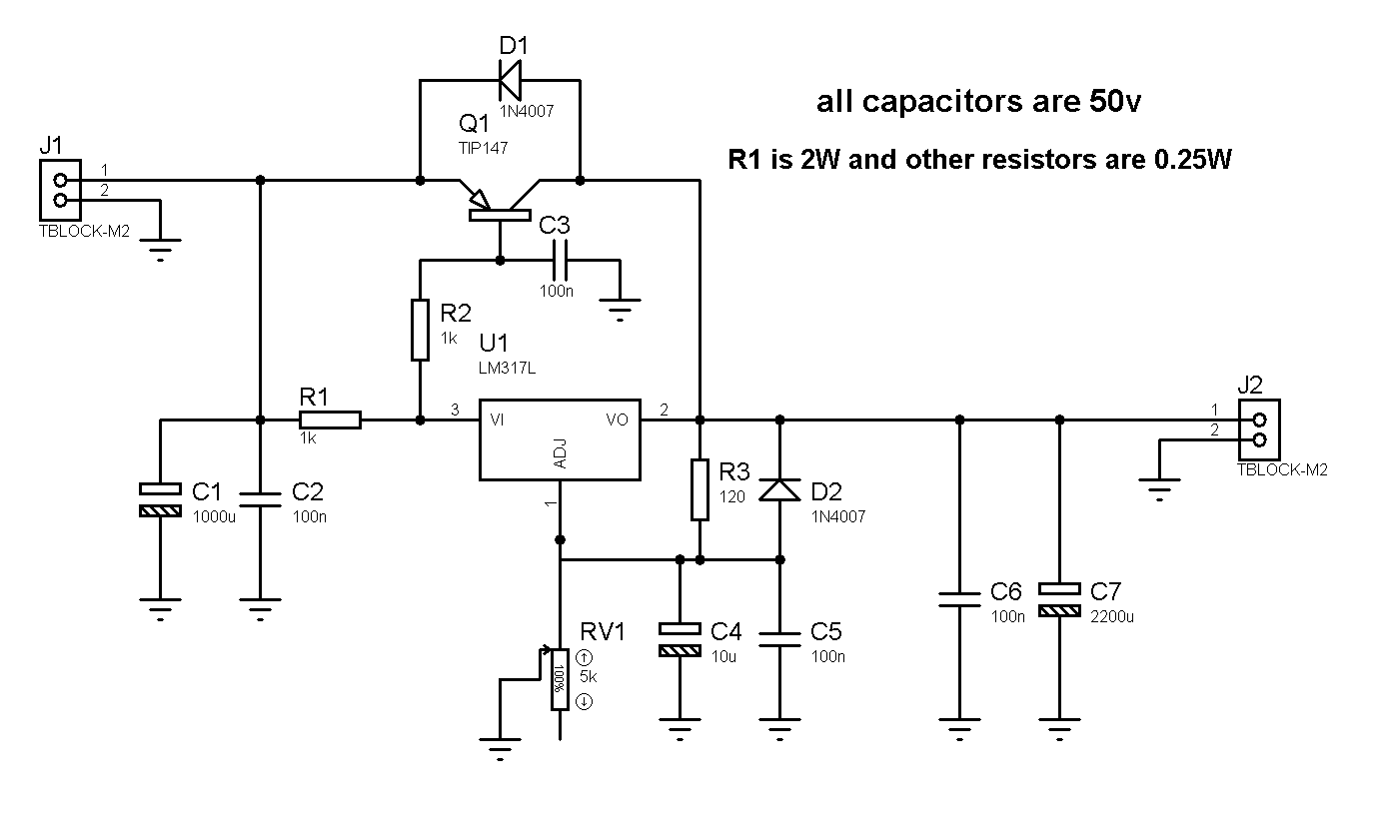
LM2596 Series Chip Overview: Type: It is a buck switching regulator. Input Voltage: The LM2596 series can generally accept input voltages up to 40 volts. Output Voltage: Fixed output versions are available in 3.3V, 5V, and 12V, and adjustable versions are also available, where the output voltage can be set by connecting two external resistors. Output Current: Capable of providing a maximum output current of 3A. Efficiency: High-efficiency conversion, typically achieving 81%-88% efficiency under full load conditions. Protection Functions: Equipped with overheat and overcurrent protection functions to improve system reliability. Package: Typically uses a TO-220 package for easy heat dissipation.
I. Introduction to DC-DC Power Converters
A DC-DC power converter, or DC-DC converter for short, is an electronic device that can convert one DC voltage to another. Its main function is to achieve voltage boosting or bucking while ensuring power transmission efficiency to meet the power supply needs of different electronic components.
II. Principle of DC-DC Power Converters
The working principle of a DC-DC converter is based on switching mode. The following are its core components and basic workflow:
1. Switching Element
: The switching element, typically a field-effect transistor (MOSFET), is the core of the DC-DC converter. It converts the input DC current into a high-frequency pulse signal through rapid switching.
2. Energy Conversion and Storage
: Inductor: When the switching element is on, the inductor stores energy; when the switching element is off, the inductor releases energy.
Capacitor: Used to smooth the pulse signal released by the inductor, providing a stable DC output.
3. Control Circuit: The
control circuit monitors the output voltage in real time through a closed-loop feedback mechanism and adjusts the switching frequency and duty cycle of the switching element to maintain a constant output voltage.
III. Types of DC-DC Power Converters
Based on voltage conversion requirements, DC-DC converters mainly come in the following types:
1. Boost Converter: A
boost converter can convert a low input voltage into a higher output voltage. It is suitable for applications requiring high voltage power supply, such as LED drivers and solar power generation.
2. Buck Converter: A buck
converter reduces the input high voltage to the required low voltage level. It is widely used in power management of portable electronic devices such as mobile phones and computers.
3. Buck-Boost Converter:
A buck-boost converter can increase or decrease the input voltage as needed. Suitable for battery chargers, portable devices, etc.
IV. Features of DC-DC Power Converters
1. High Efficiency:
The high efficiency of DC-DC converters is a significant feature, generally above 80%, with high-performance products reaching over 95%.
2. Miniaturization:
Increased switching frequency allows for smaller inductors and capacitors, facilitating device integration.
3. Stability
: Closed-loop feedback control ensures the stability of the output voltage, unaffected by input voltage fluctuations and load changes.
4. Protection Functions:
DC-DC converters typically have overvoltage, overcurrent, short-circuit, and overheat protection functions, improving system reliability.
This circuit connects four different versions of the LM2596S chip in parallel and provides corresponding DuPont wire interfaces and lead-in terminals for easy connection to various devices. The adjustable
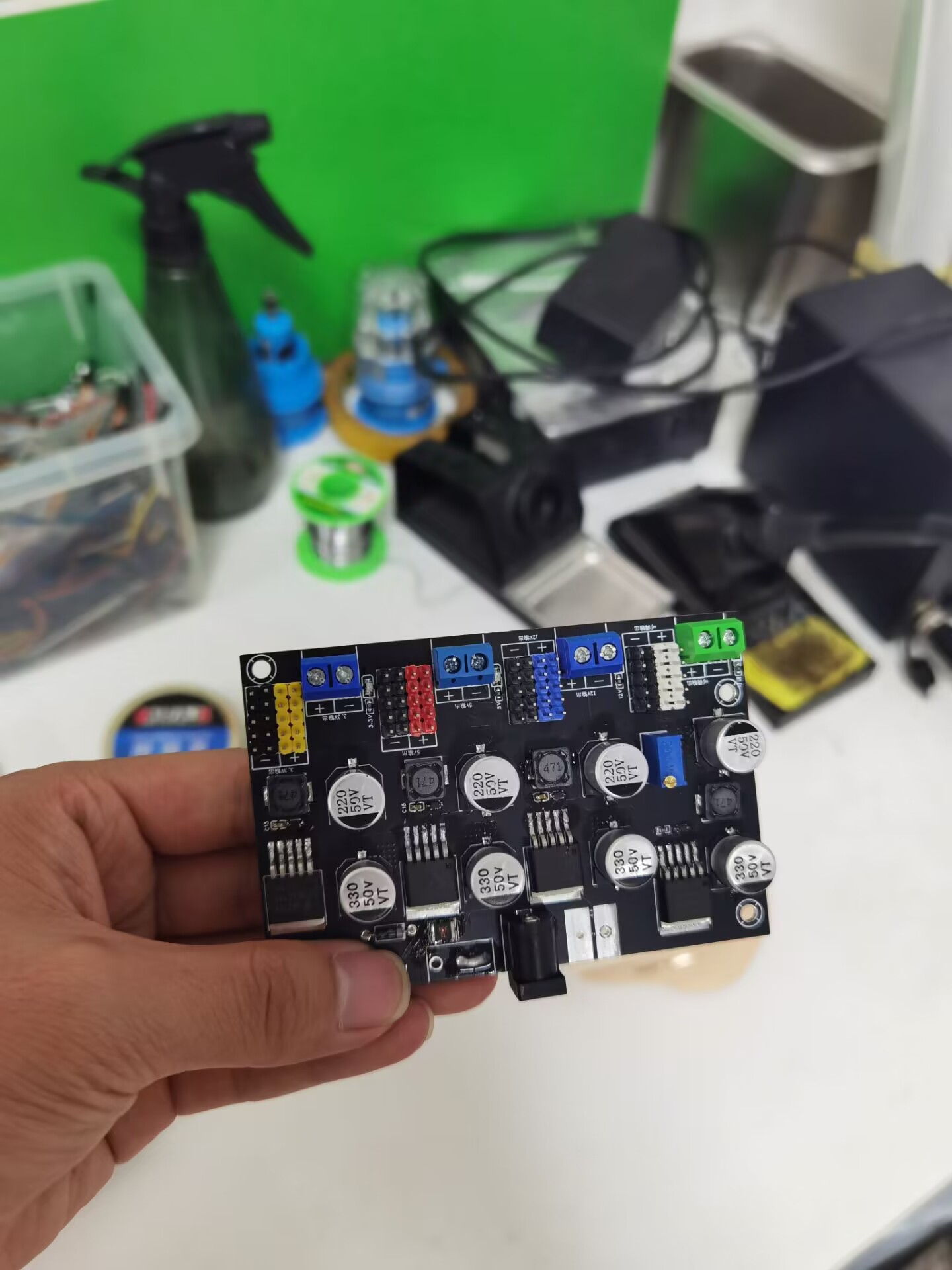
3.3V,
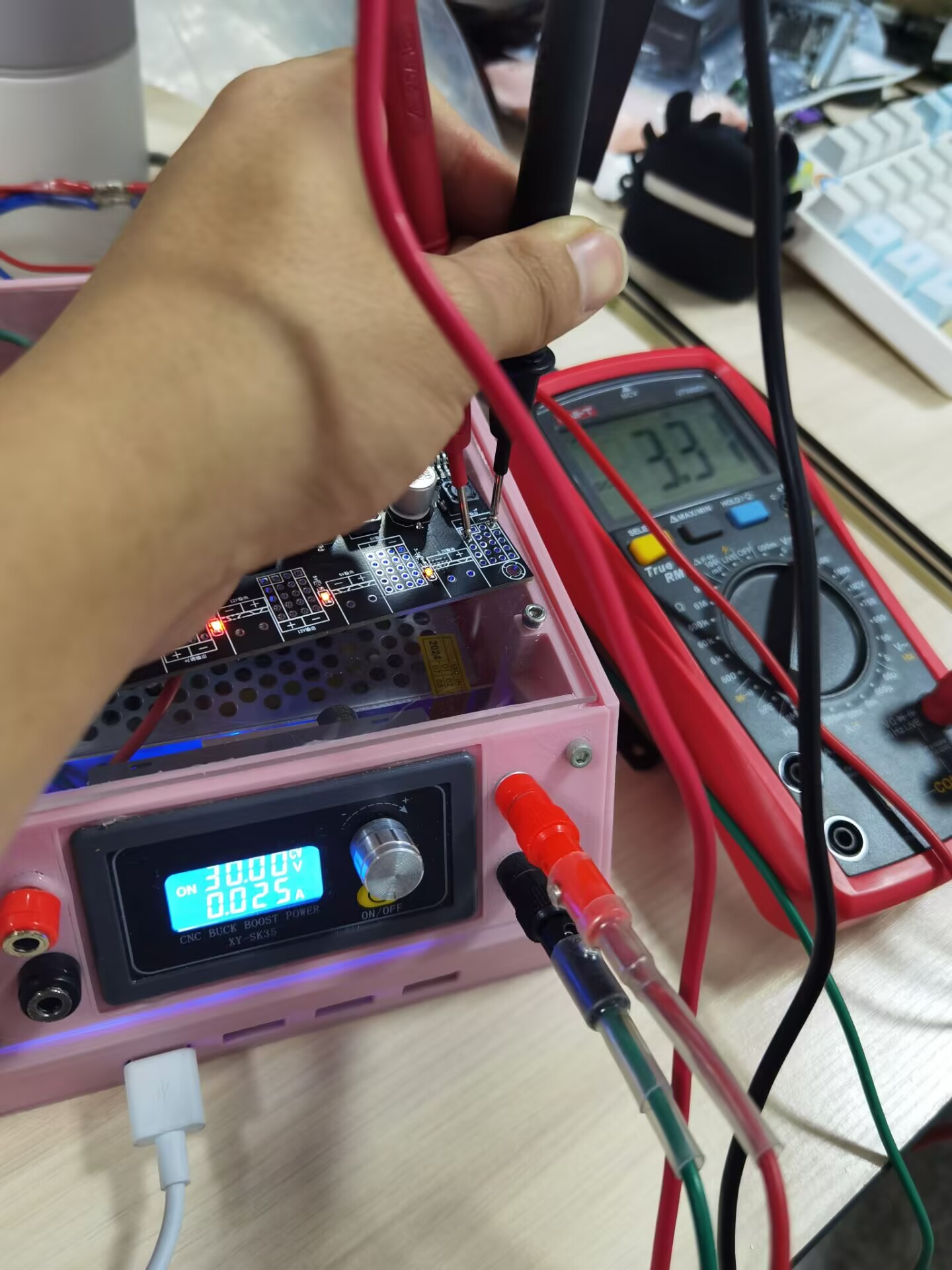
5V, and
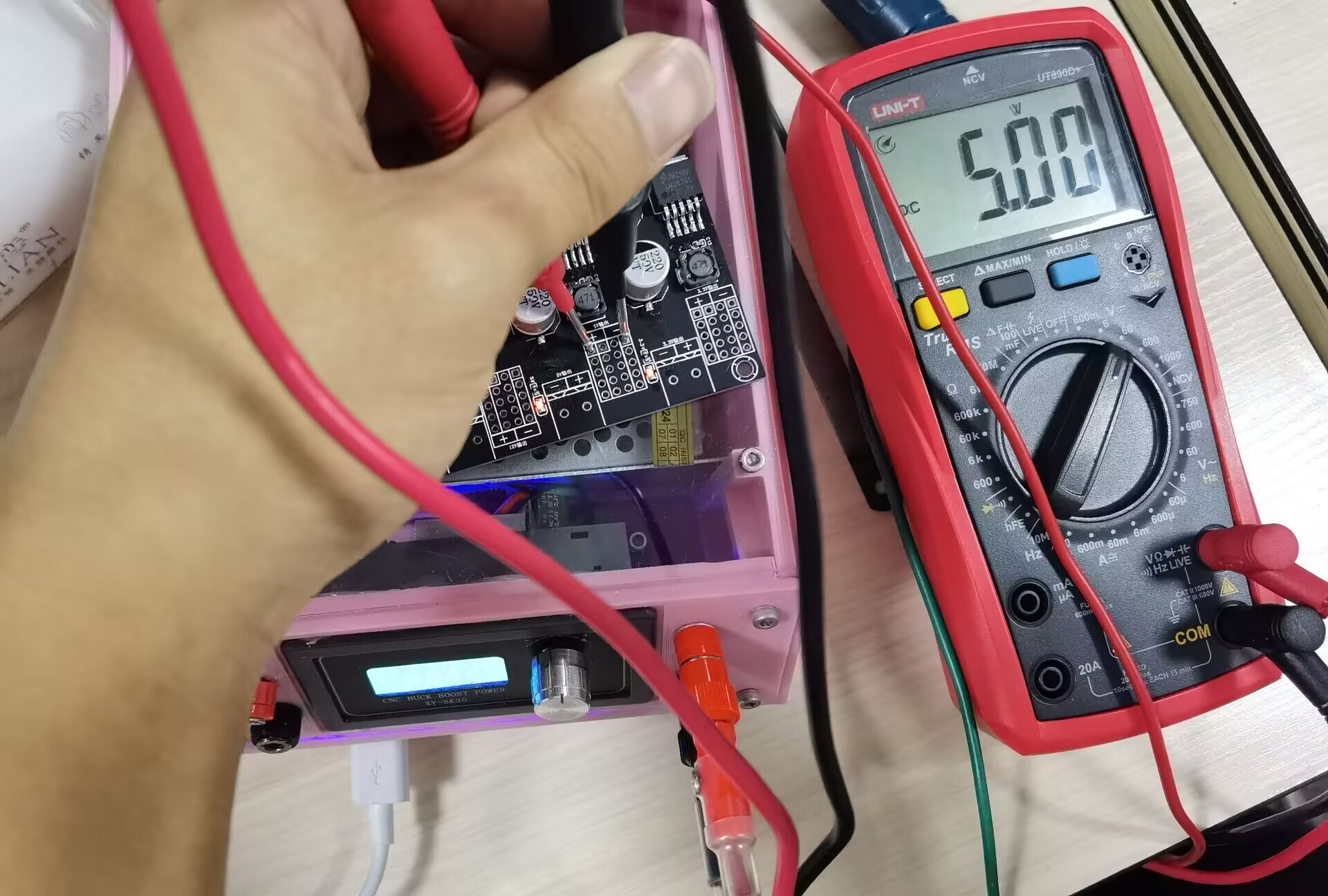
12V output
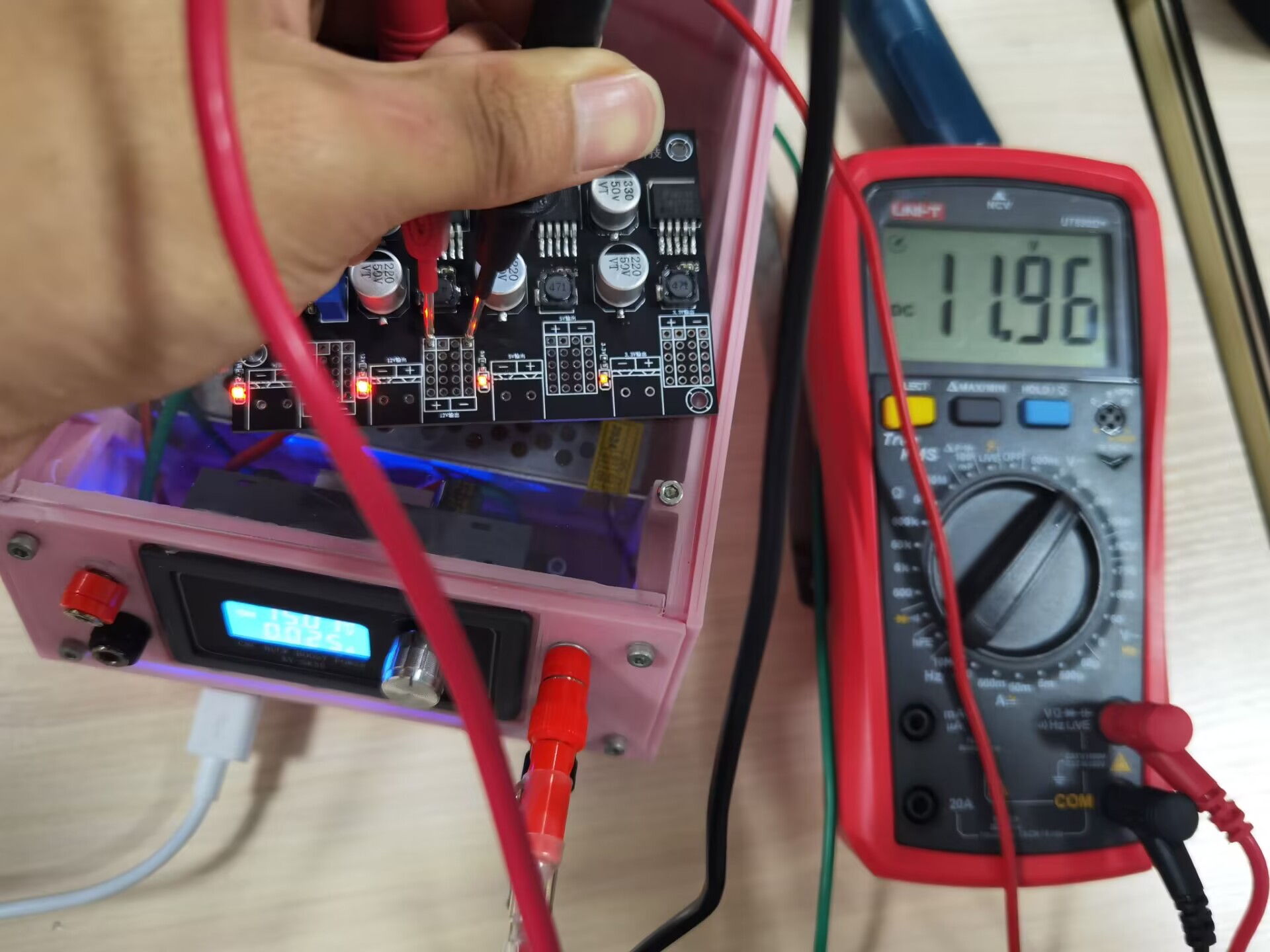
versions
were not tested due to the lack of high-power loads.








 京公网安备 11010802033920号


 2SK1591