 Function introduction:
 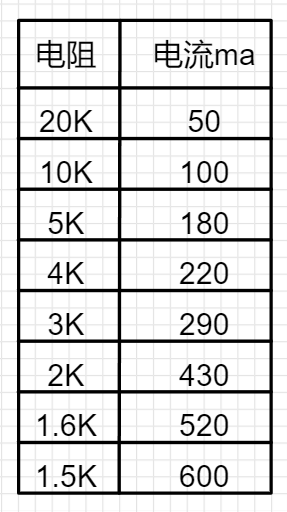 1-2. The discharging protection chip is model DW02A. This chip also includes charging protection. Combined with the battery's built-in protection board, it provides triple charging protection and double discharging protection, ensuring your safety.
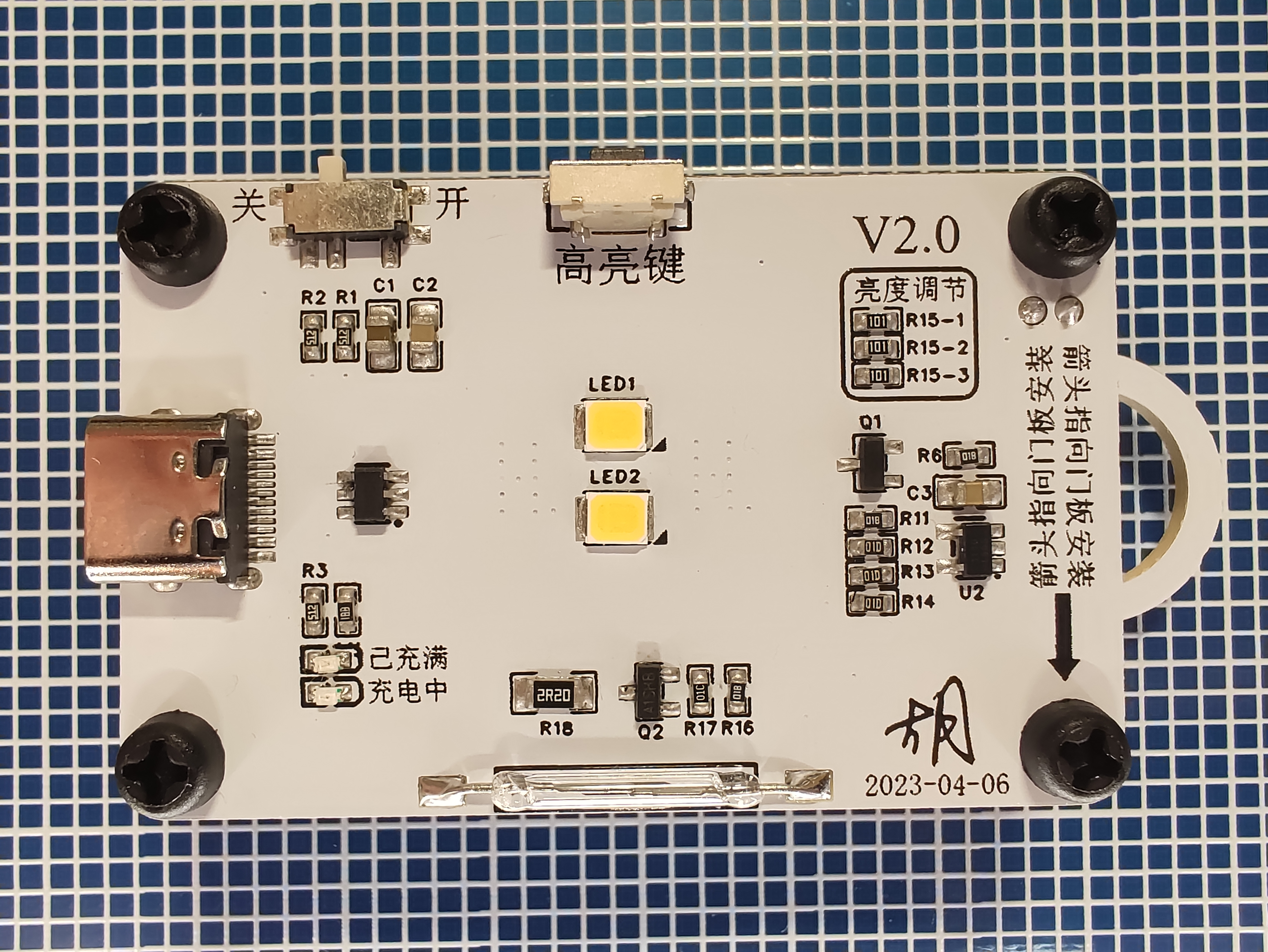
 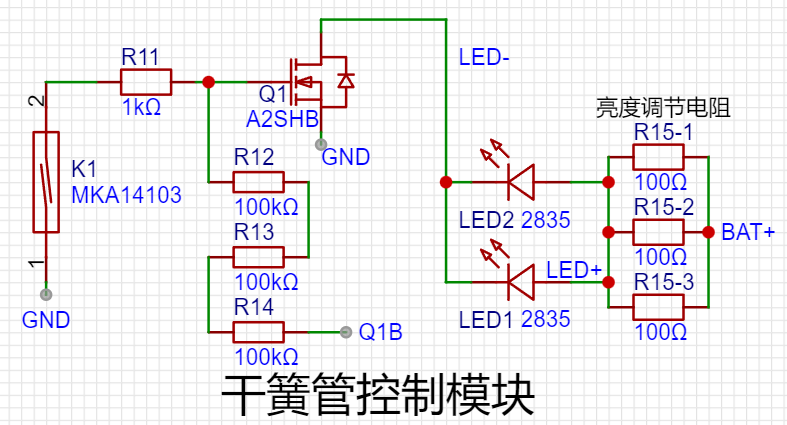 2-1. The main LED bead driving section uses only one N-channel MOSFET. The principle is based on voltage division through the gate resistor. When the reed switch is closed due to the door being closed, the gate is pulled low through R11, the MOSFET is cut off, and the LED is off. When the door is opened, the reed switch is open, the gate is pulled high by R12, R13, and R14, the MOSFET conducts, and the LED lights up. R14 connects to Q1B, which is the middle pin of the switch. The switch controls whether Q1B is high or low. If Q1B is low, whether the door is open or not will not affect the LED bead's off state.
 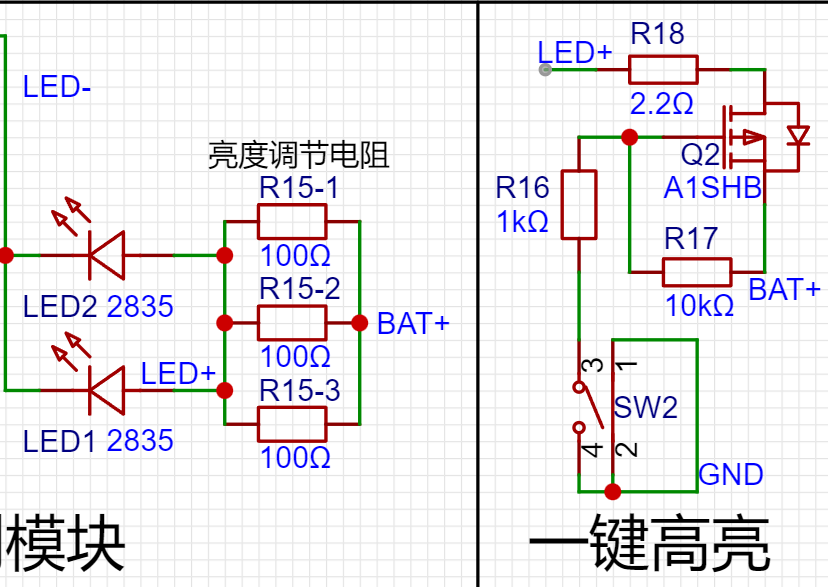 2-2. The working principle of the high-brightness button is to use a very small current-limiting resistor R18, connected in parallel with three larger fixed current-limiting resistors R15-1, R15-2, and R15-3, to make the LED work at full load.
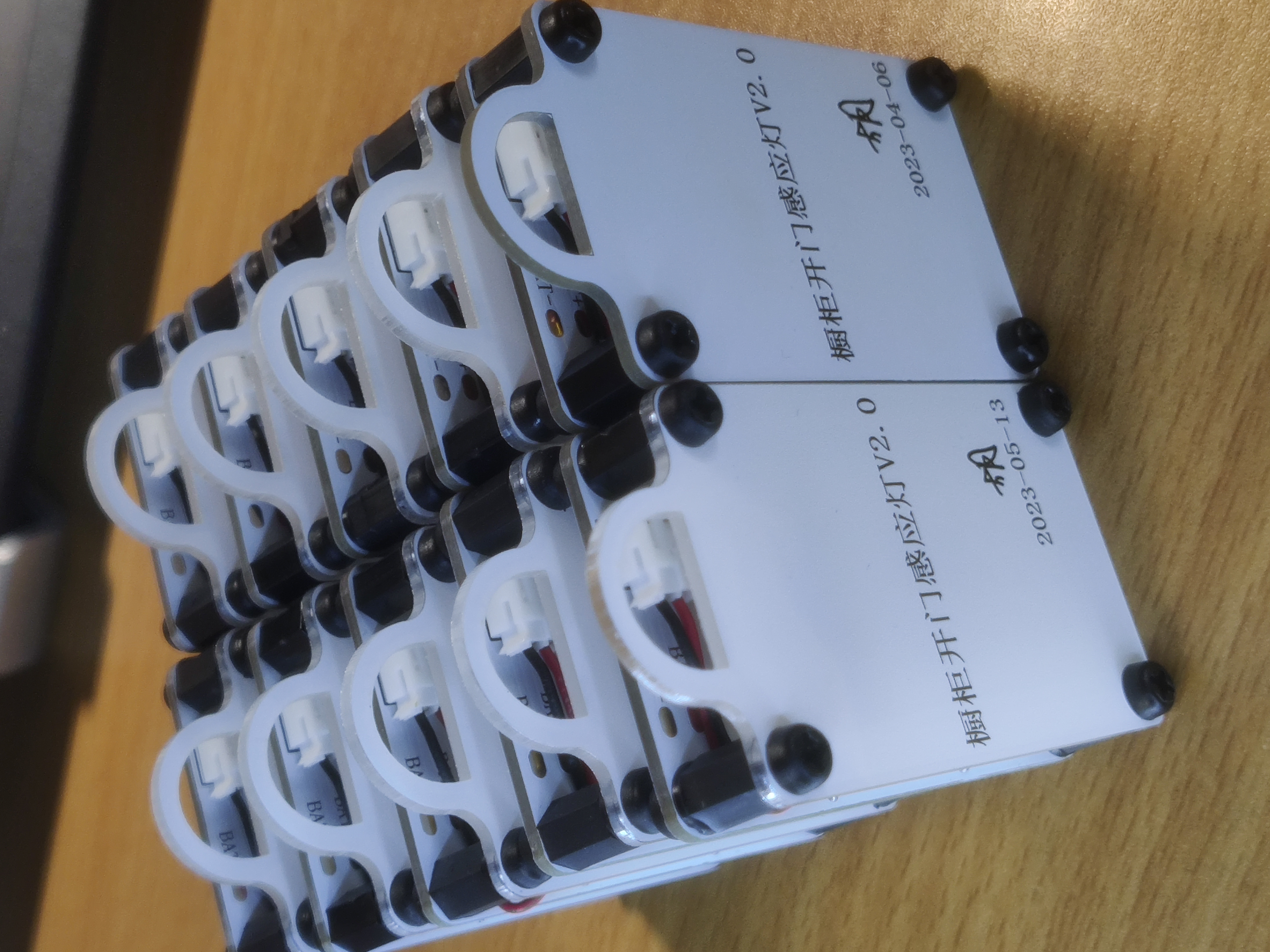
 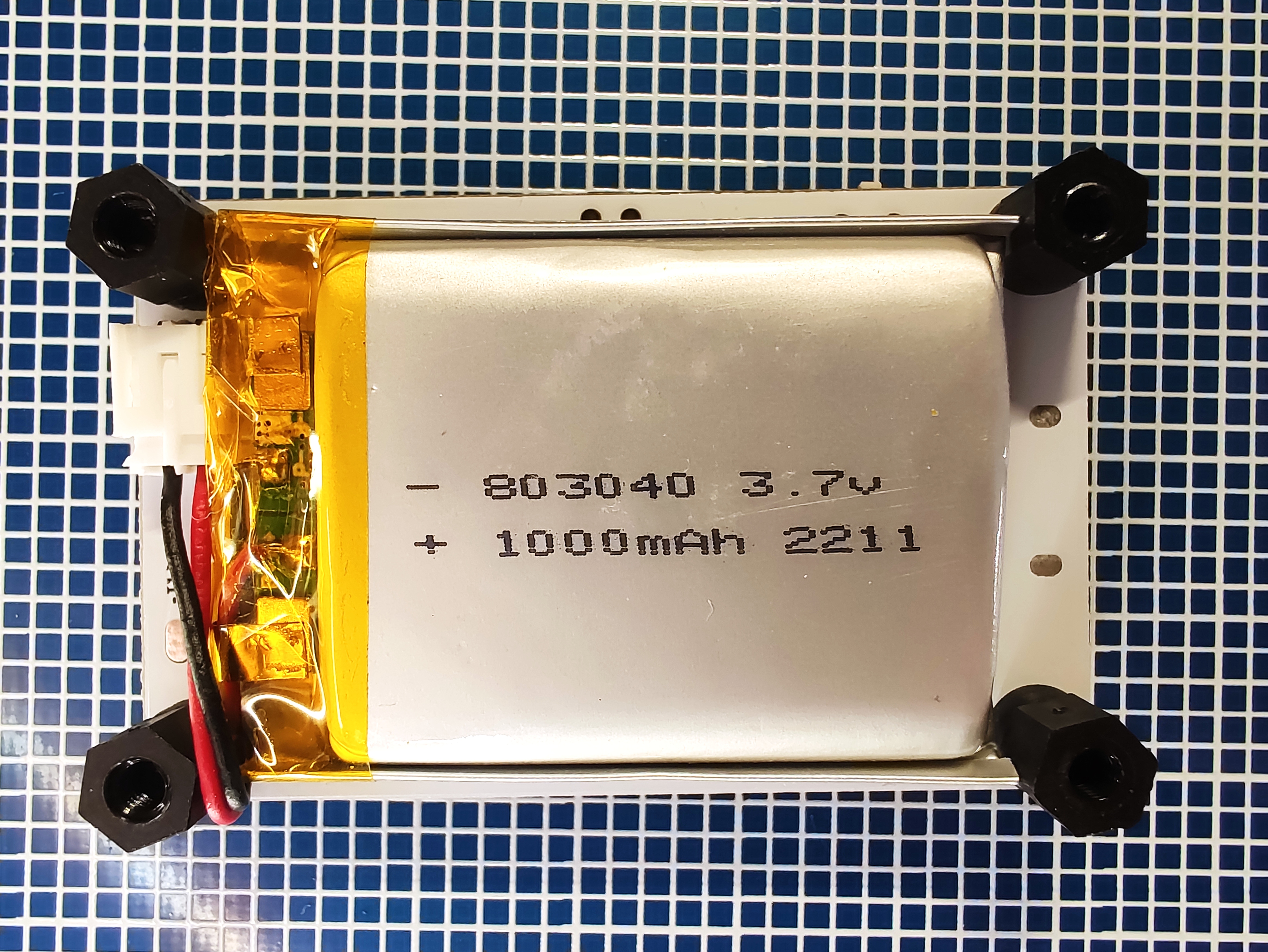 3. Regarding the backplate, this open-source project offers two material options: PCB and acrylic. Acrylic is recommended as it's lighter, more dimensionally accurate, and has a more perfect appearance.
 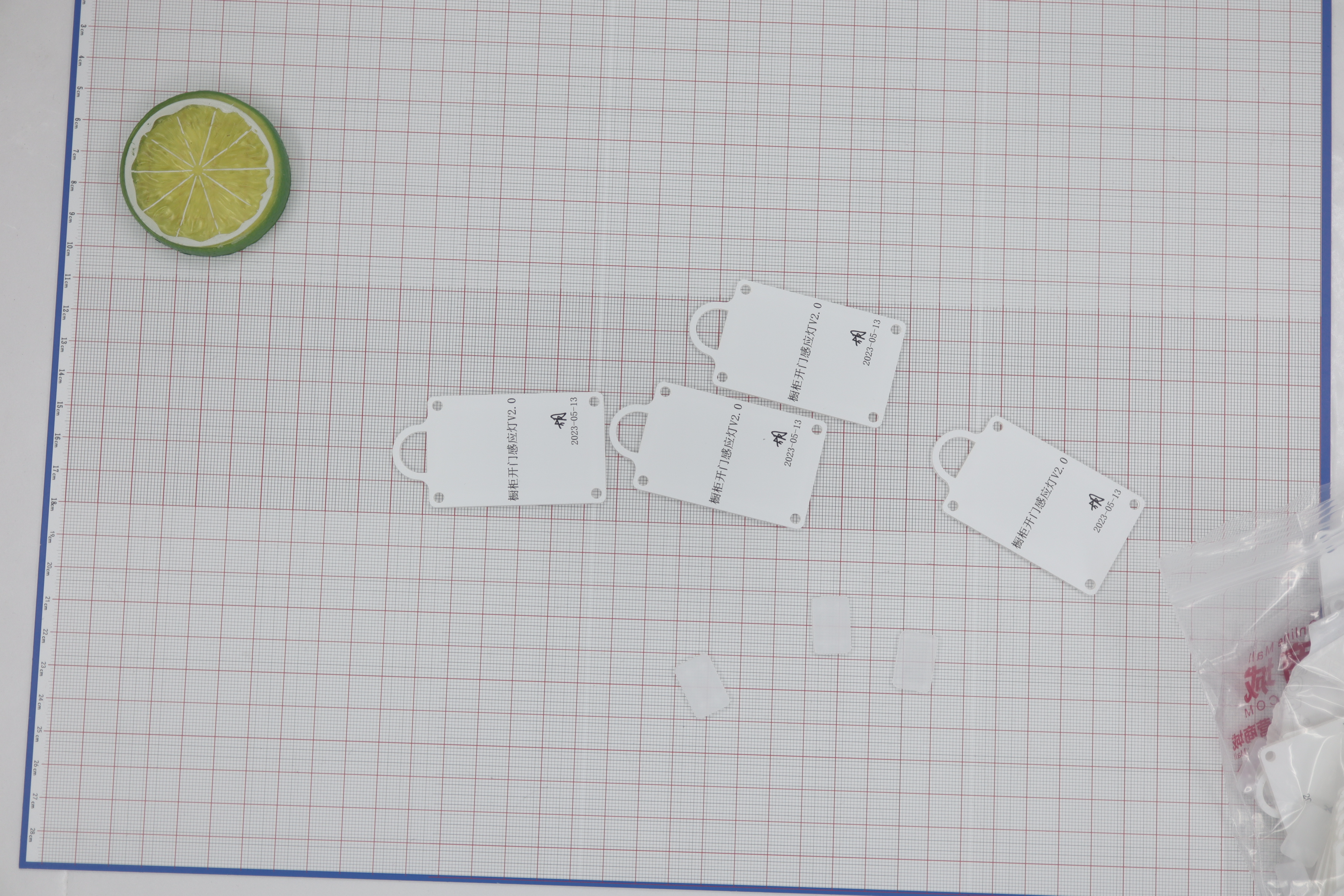 4. The open-source panel design includes the LED diffuser plate (the small, semi-transparent cube), which is not recommended. While it softens the light, it also reduces the illumination angle, creating noticeable dark corners when placed in cabinets.
All reference designs on this site are sourced from major semiconductor manufacturers or collected online for learning and research. The copyright belongs to the semiconductor manufacturer or the original author. If you believe that the reference design of this site infringes upon your relevant rights and interests, please send us a rights notice. As a neutral platform service provider, we will take measures to delete the relevant content in accordance with relevant laws after receiving the relevant notice from the rights holder. Please send relevant notifications to email: bbs_service@eeworld.com.cn.
It is your responsibility to test the circuit yourself and determine its suitability for you. EEWorld will not be liable for direct, indirect, special, incidental, consequential or punitive damages arising from any cause or anything connected to any reference design used.
Supported by EEWorld Datasheet
EEWorld
subscription
account

EEWorld
service
account

Automotive
development
community

Robot
development
community

About Us Customer Service Contact Information Datasheet Sitemap LatestNews



Room 1530, 15th Floor, Building B,
No.18 Zhongguancun Street,
Haidian District,
Beijing, Postal Code: 100190
China
Telephone: 008610 8235 0740
 京公网安备 11010802033920号


 EP2-B4N2T