Click here for the project description
video.
What's it like to use contemporary CRT technology to make a modern mobile phone? Unlike the cold-sensitive LCD and the expensive OLED, the CRT itself is a heat source emitting a warm red light. The flickering screen reminds me of the happy times I spent as a child at my grandmother's house, shirtless, staring at the big-screen TV. The mature technology and retro appearance exude a reliable aura from the inside out, making me want to give it a modern soul—the Android system.
The H616, the central processing unit, is an inexpensive MPU chip, which can be purchased for around 50 yuan. However, for a developer like me who doesn't like complicated things, the price isn't the most attractive thing; it's the abundant resources and case studies. This is because domestic MPU manufacturers are often indifferent to developers, only providing chip data and the chip itself to companies that have paid for it. If you want to find a chip that is easy to buy, has abundant data, and supports NTSC output, the H616 is the best choice.
This chip also brings a problem: it doesn't have radio frequency or baseband. Unlike dedicated mobile SoCs, it inherently cannot make calls or access the internet. To solve this problem and save money, I chose to modify an extra 4G network card from a previous project. This was the first problem I encountered: the Android system lacked drivers. Installing drivers for Android isn't like Windows, where you just click a mouse; you need to configure a Java environment, install JDK and GCC, modify the driver, and compile the entire Android system. I've been doing MCU development since high school and Linux since my sophomore year, so modifying programs and configuring environments is a piece of cake for me. However, this 40GB source code package and the compilation time of up to 12 hours were truly shocking! What kind of AAA project is this?! I watched helplessly as my 16GB of memory was reduced to only a few hundred megabytes. It's on a completely different scale than the compilation time of a microcontroller (a few seconds) or a Linux kernel (tens of minutes). Fortunately, after successful compilation, I was able to access the internet and make phone calls normally.
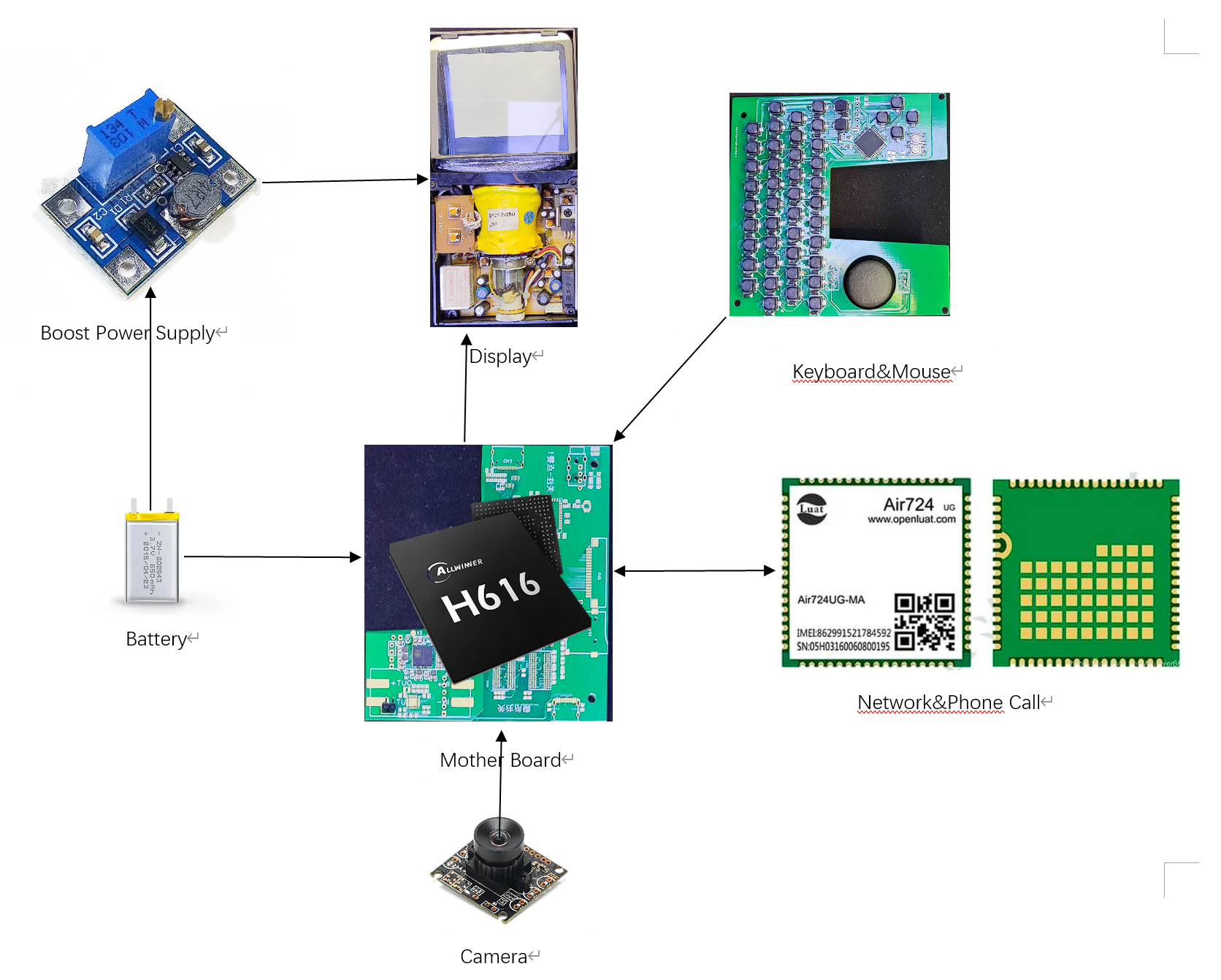
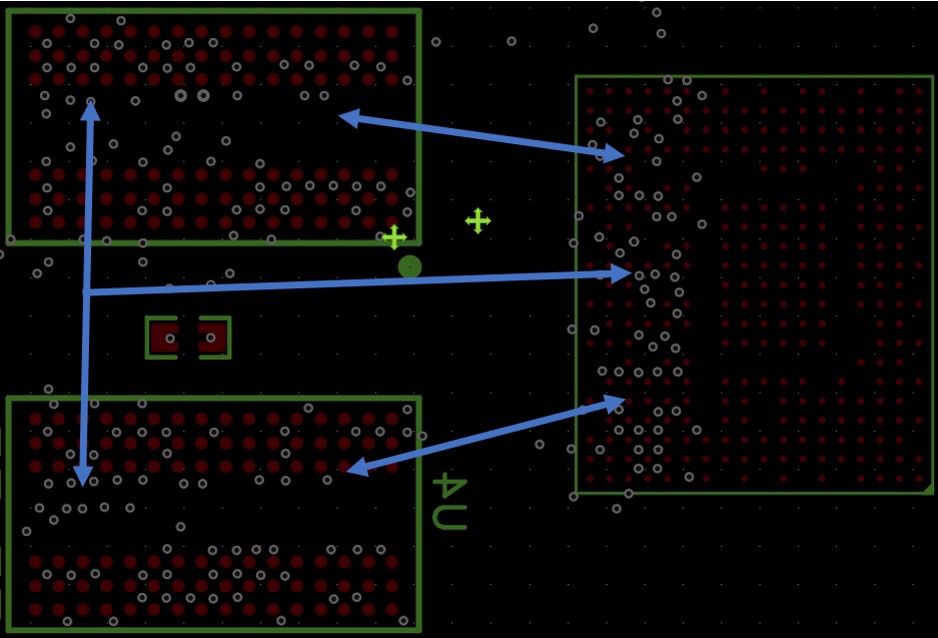
Generally, a star topology is used for DDR, but this time I used a daisy chain, as shown in the diagram below:
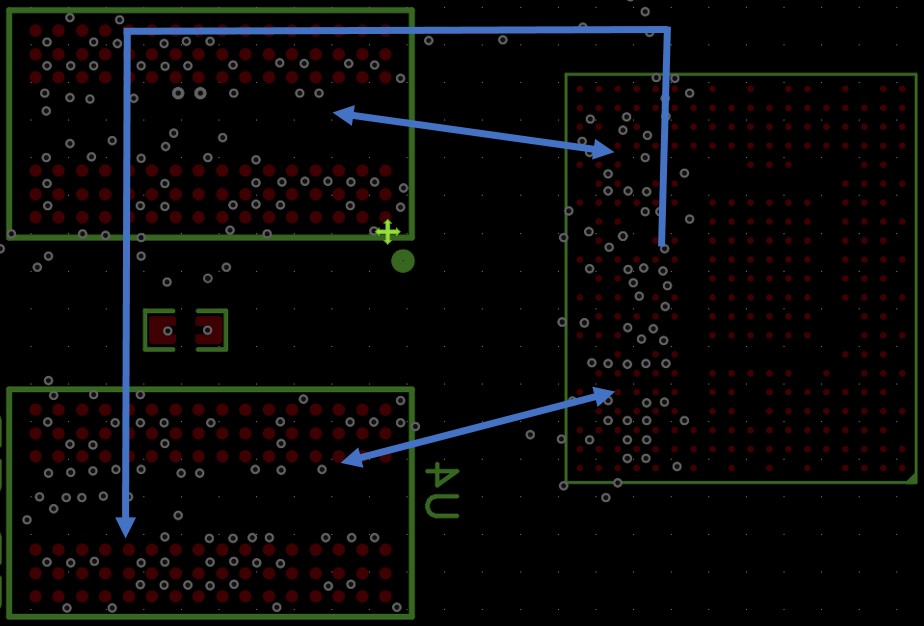
The DDR3 specification recommends a daisy chain, suitable for situations with a large number of chips; I experimented with it here. The project is licensed under the MIT
open-source
license; feel free to use it.
The project
has most of the functions of an Android phone, including video recording, phone calls, internet access, and entertainment. The sweet spot feature is that it can access the Linux system by replacing the memory card (the Linux system does not have a CVBS driver), and it also supports HDMI.
However, it lacks GPS, a gyroscope, and a magnetometer, so navigation is not possible.
Internet access: Air720UH / 724 module (Cat.1), maximum speed 10M, can play 720P video.
Battery: 2800mAh lithium battery.
Performance: H616 + 2GB DDR3.
Input: Mouse with buttons and joystick + 42-key keyboard.
Photography: USB camera.
Project attributes:
This project is being publicly disclosed for the first time and is my original work. The project has not won any awards in other competitions.
Production process
: 1. Hardware circuit
Keyboard firmware tutorial: https://www.bilibili.com/read/cv10071032/
From bottom to top, they are a six-layer motherboard, the CRT body, and the keyboard surface.
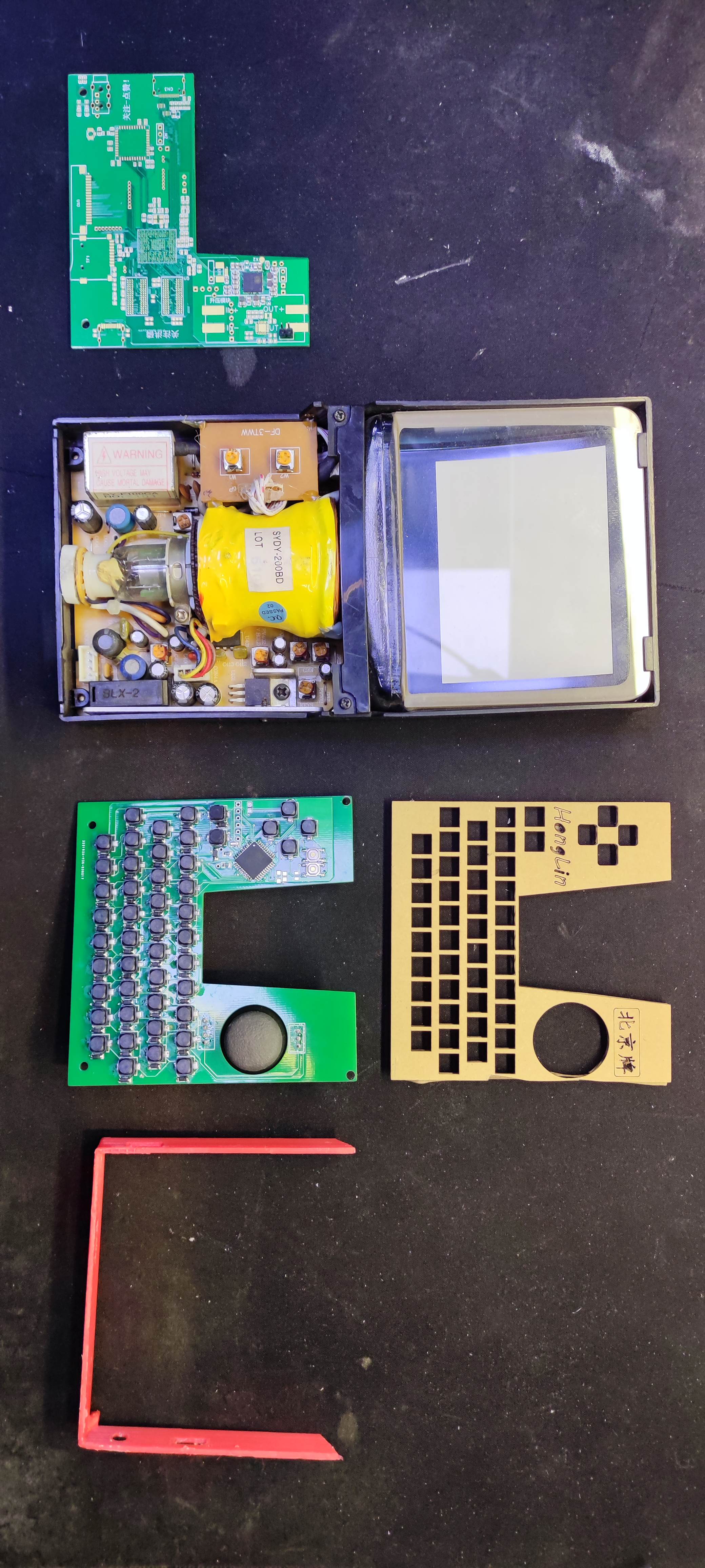
The keyboard surface and the motherboard need to be combined to form an eight-layer board (6+2). This design is a necessary compromise to avoid interference from BGA vias and key pads. If blind via technology could be used, it could be done directly on a single board.
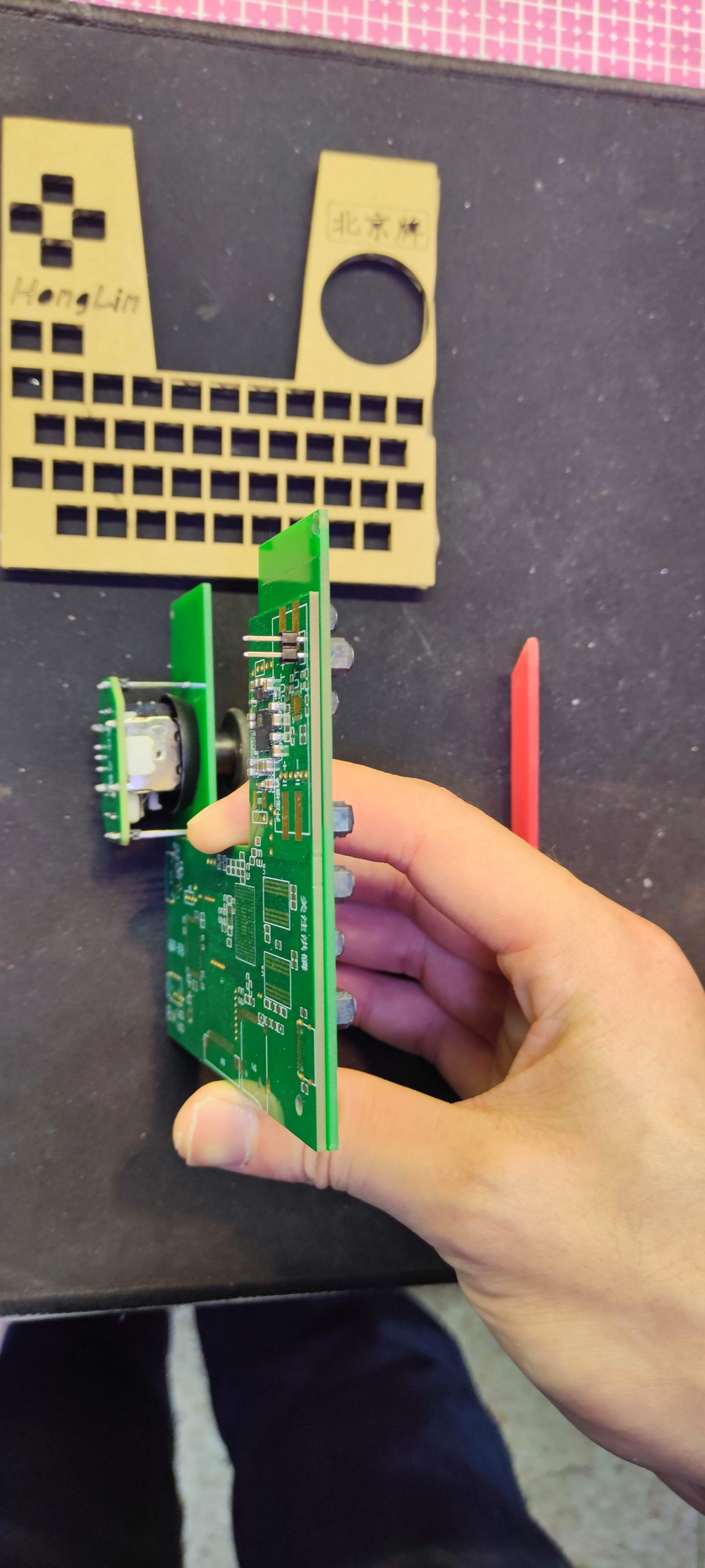
After attaching the battery and 12V boost module,
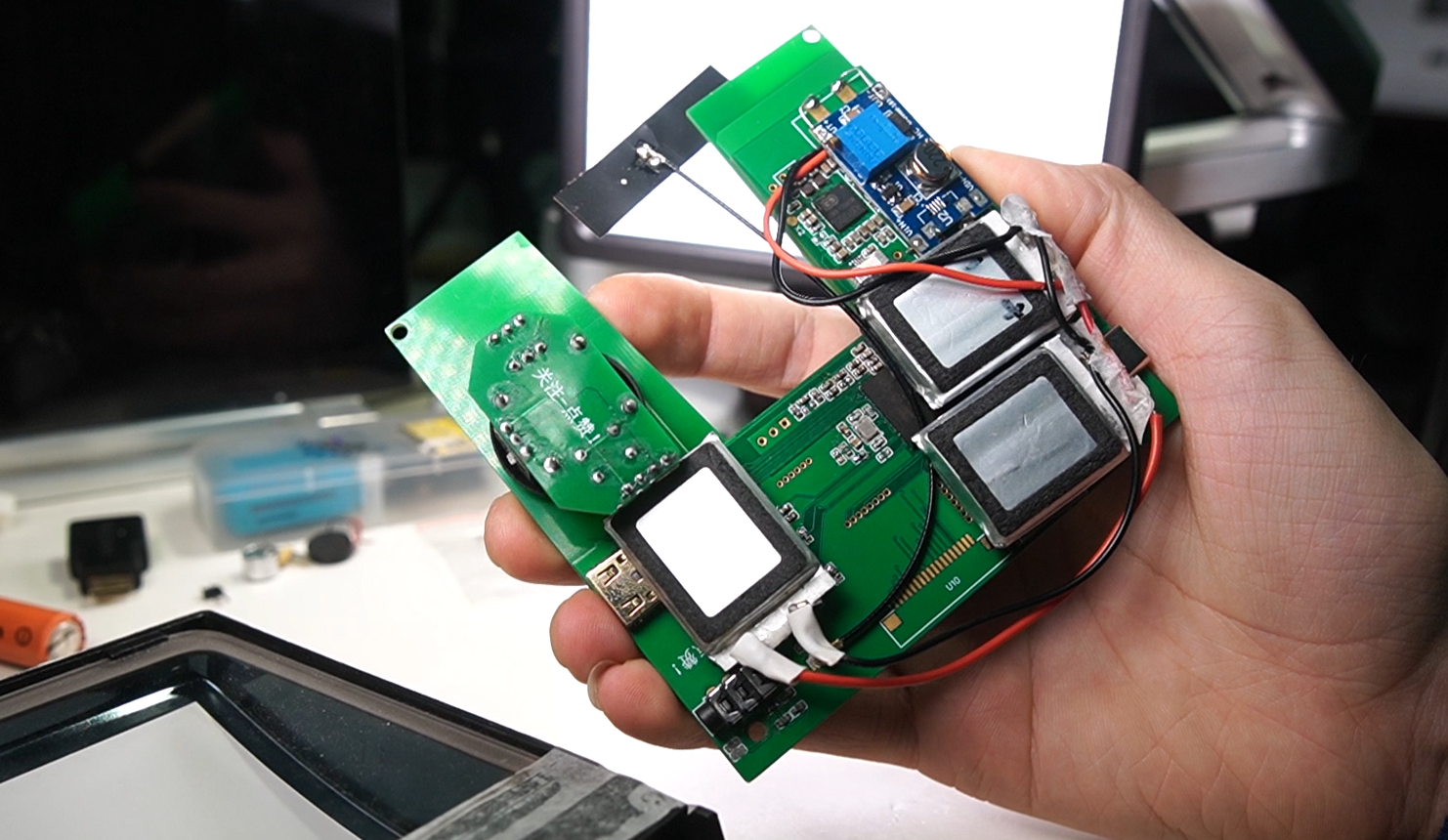
the circuit board and the picture tube body can be used to build a minimal system.
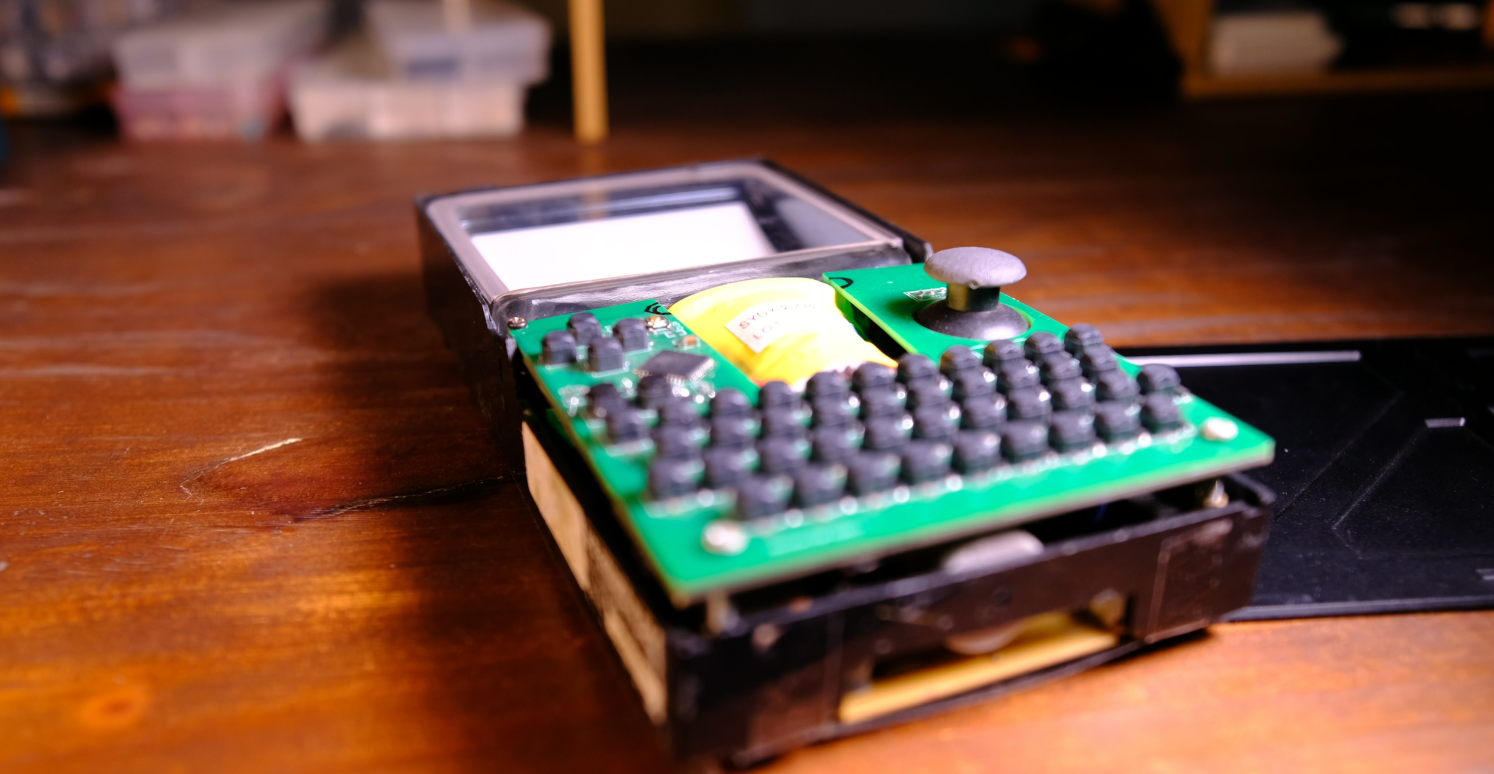
2. Software system:
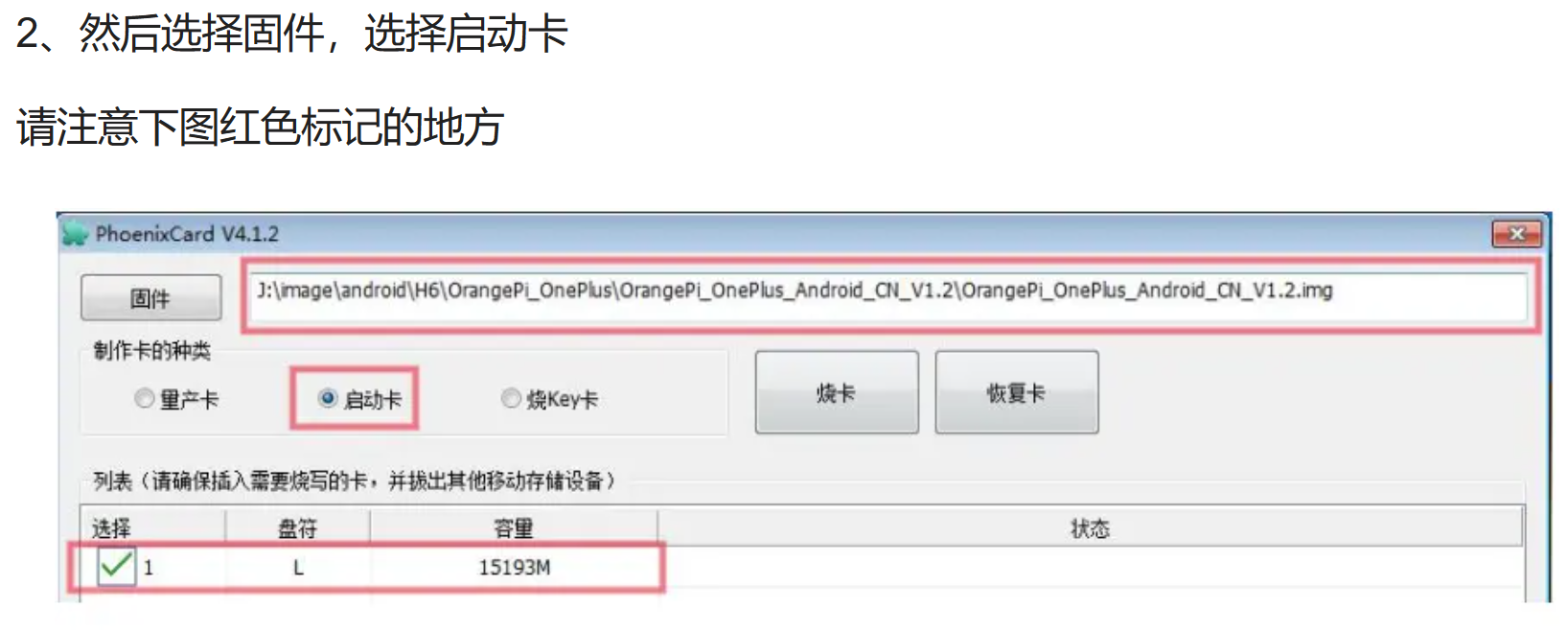
At this point, the system image can be burned. The source code address can be found at the link at the end of the article.
If you need 4G internet access/making calls, you can use the Air7xx series module. See:
https://mozu.wiki/2021/05/15/luatdoc-466.html
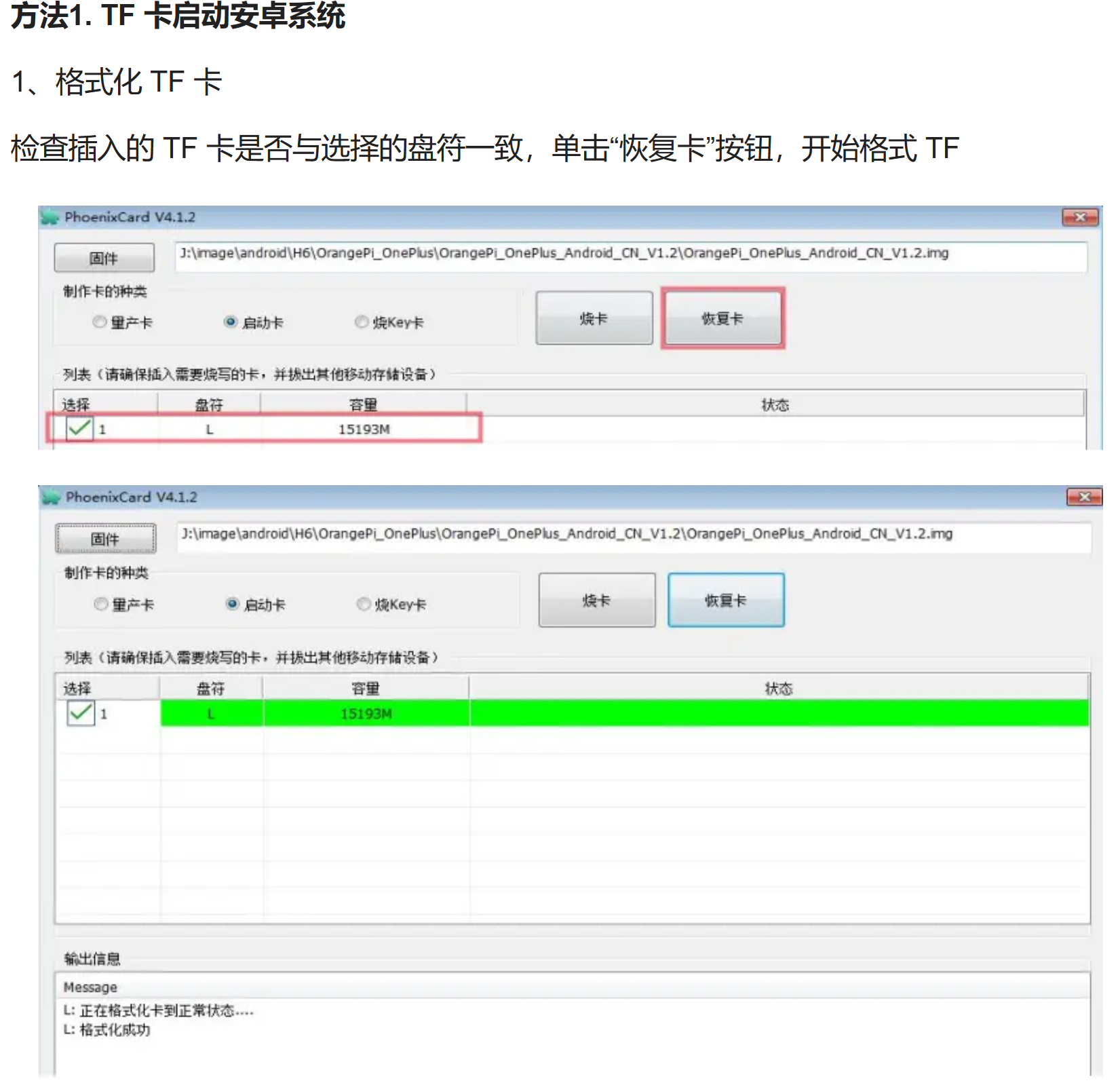
Note that the machine used for compilation needs at least 12G of memory, and modifying the source code/device tree is quite troublesome. Below is the image. You need to prepare a TF card reader and an 8G card
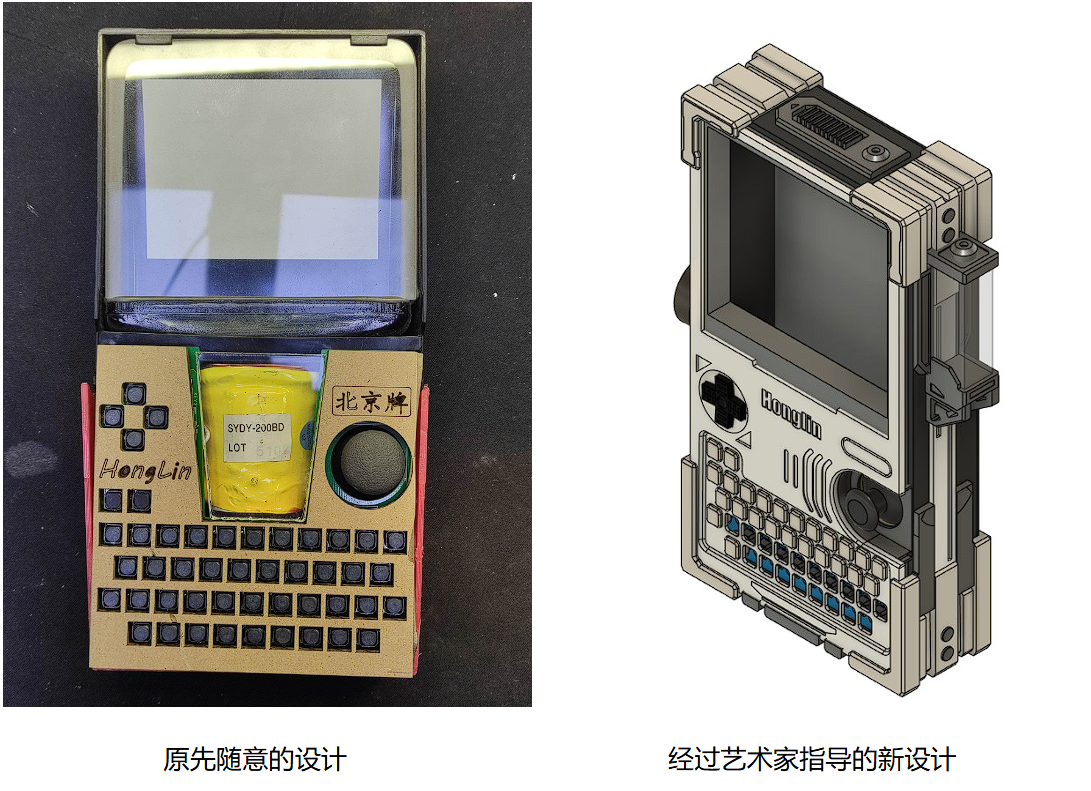
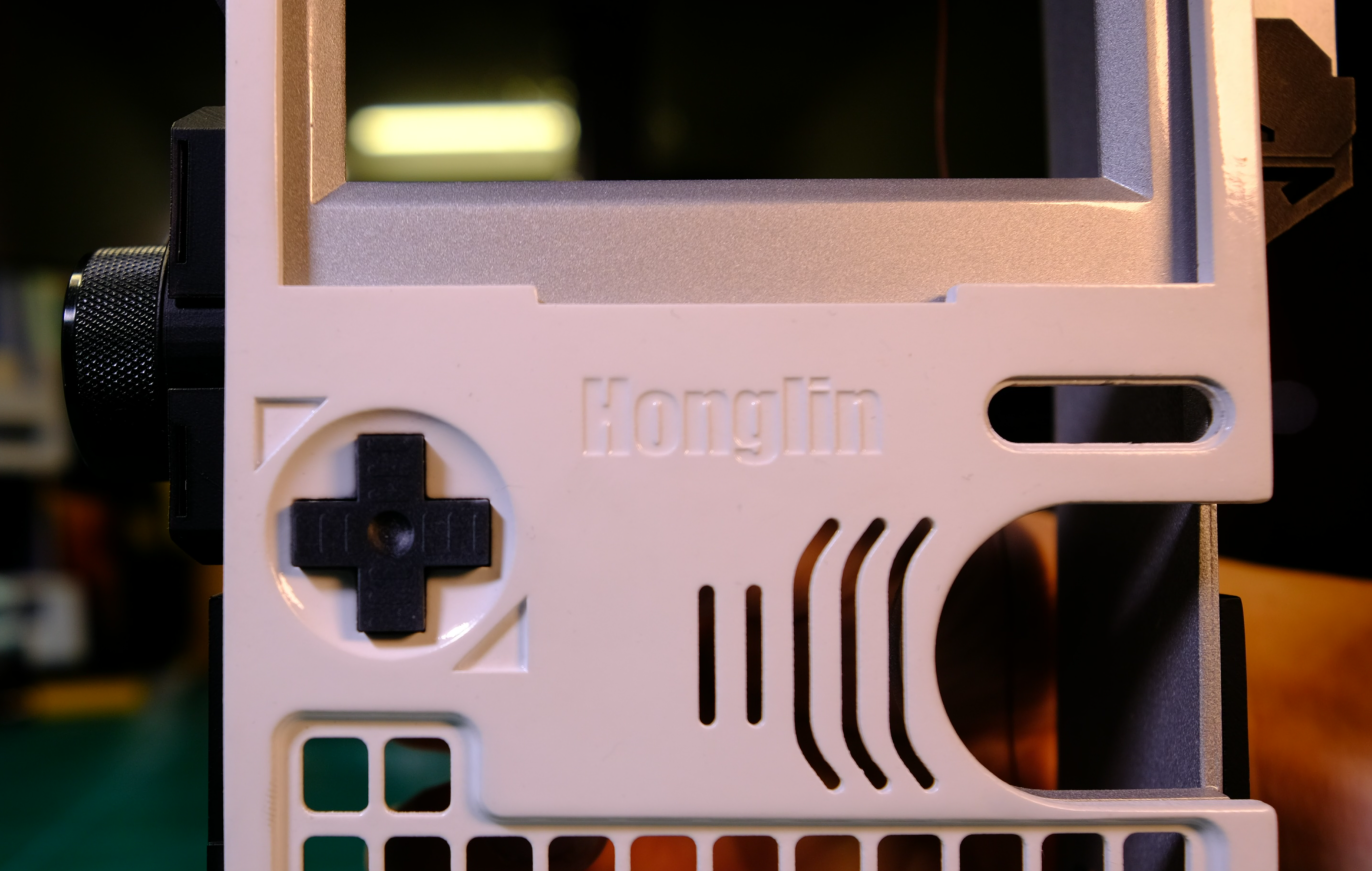
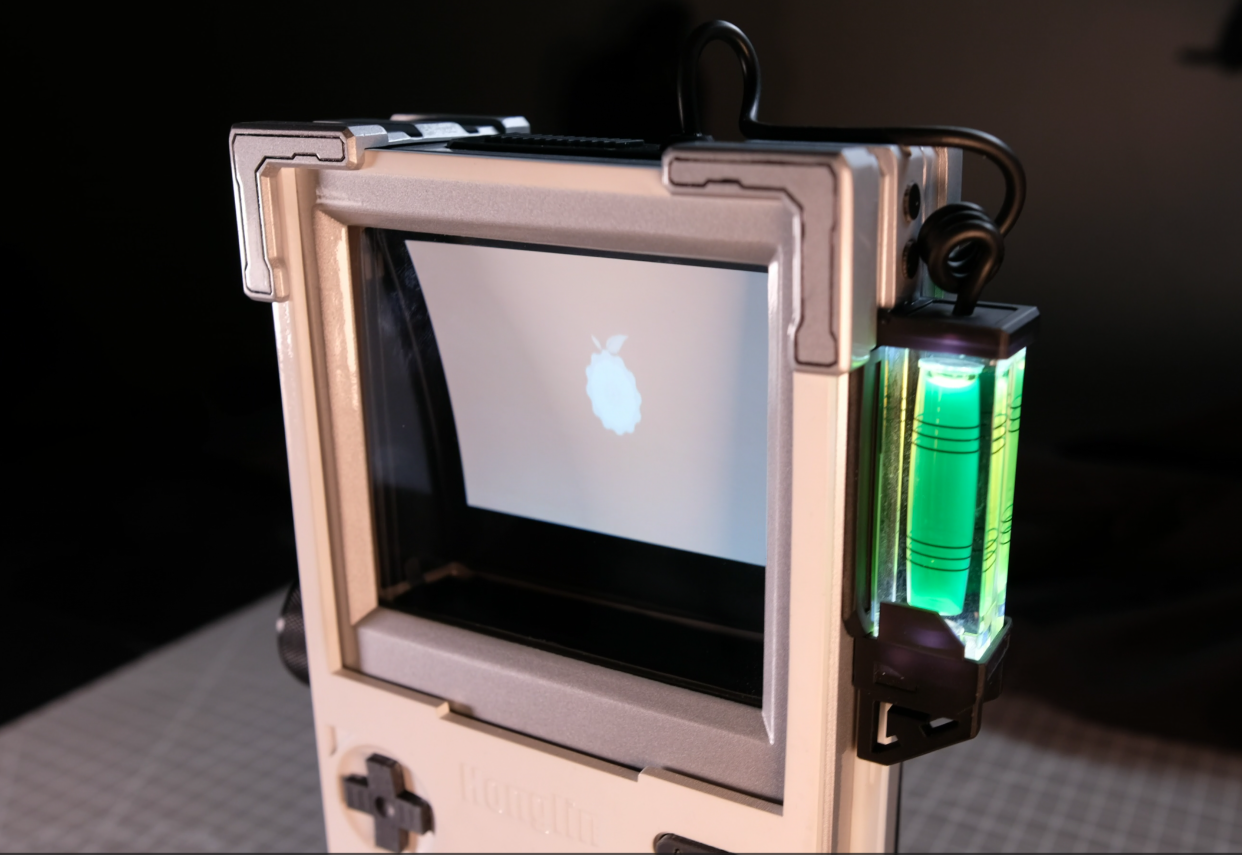
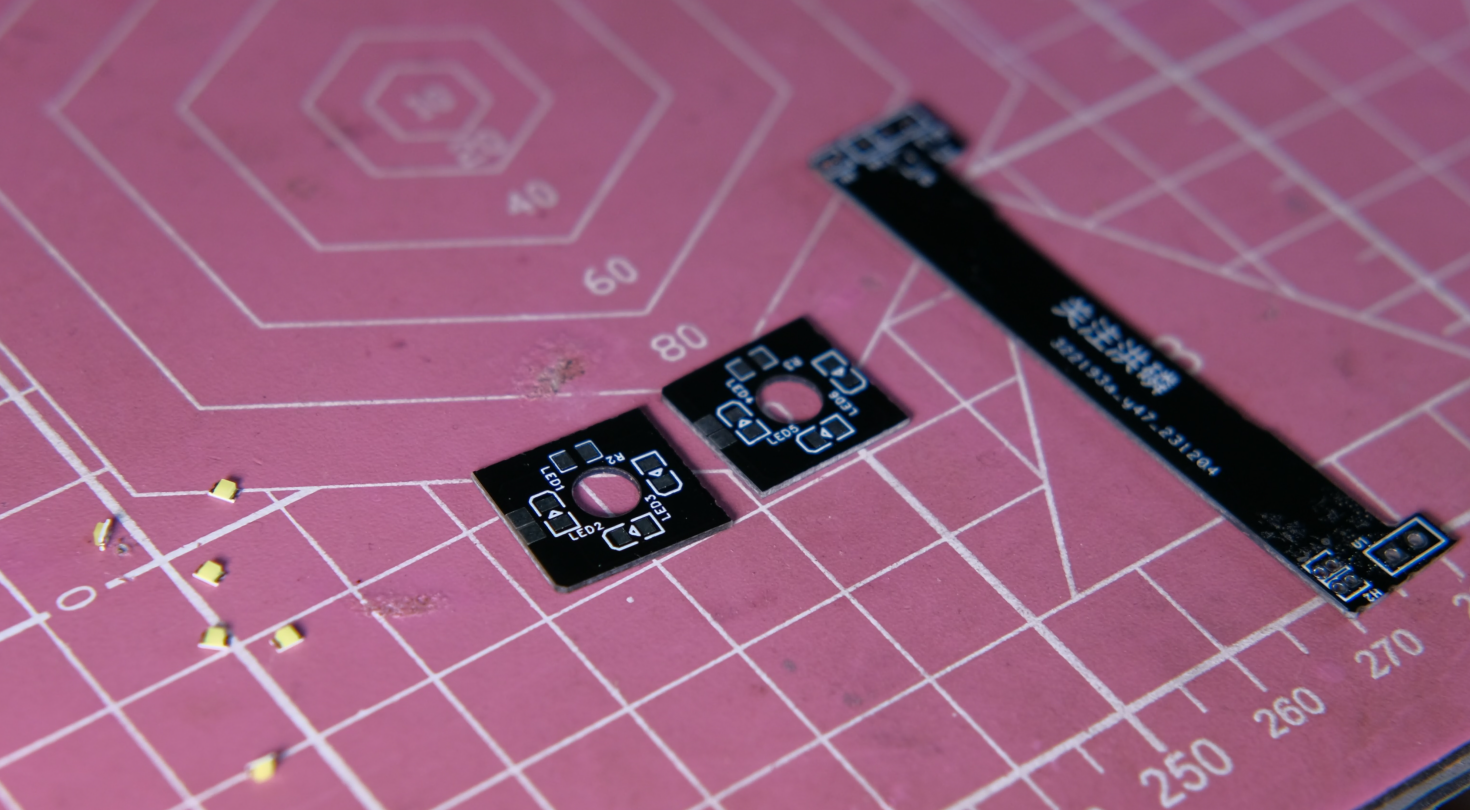
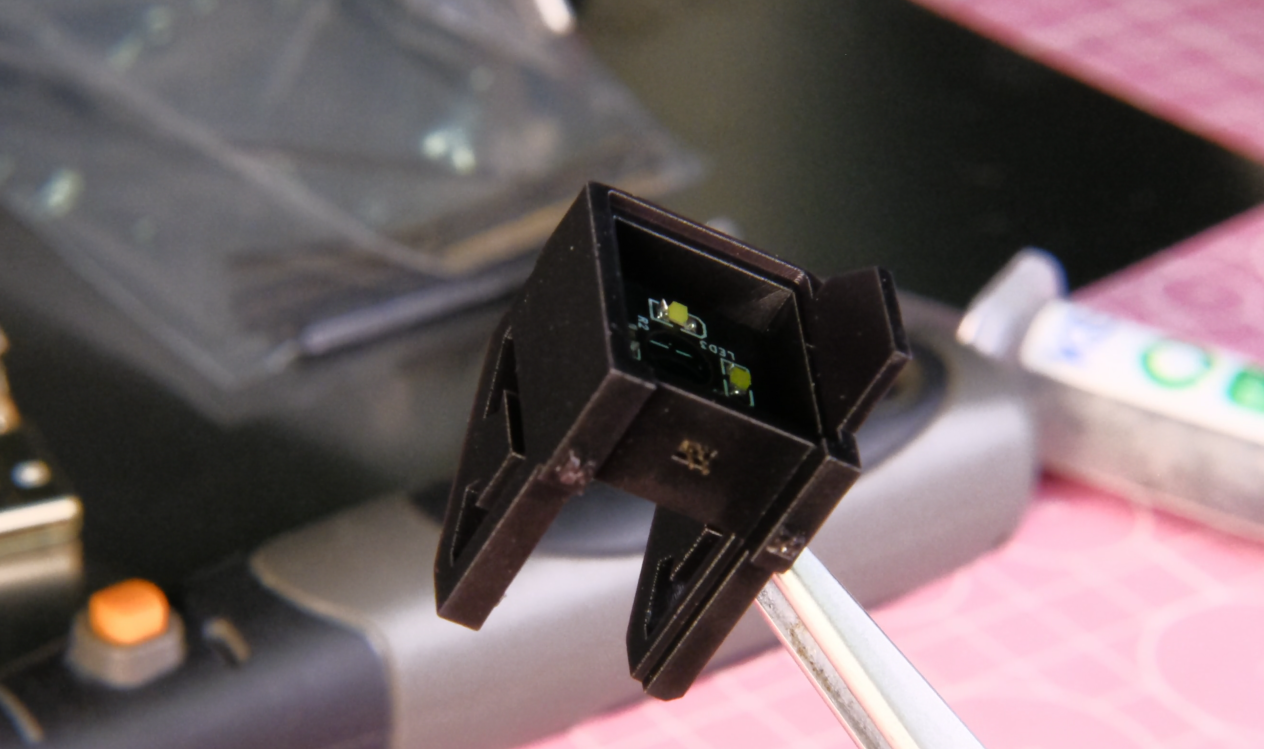
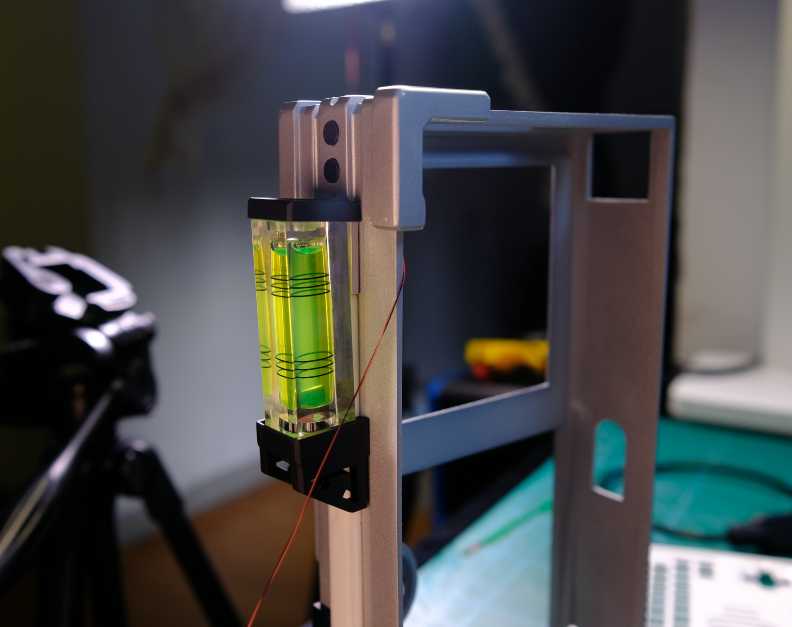
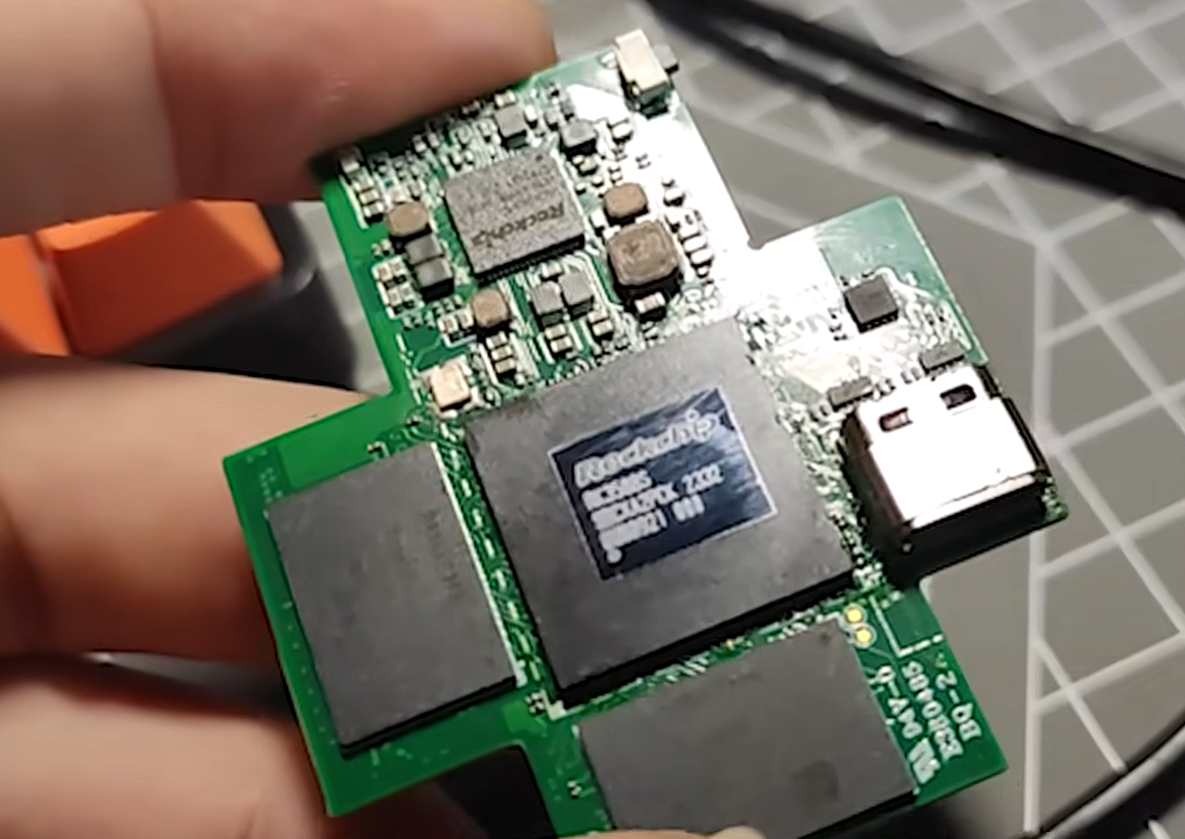
to download it . After entering the system, you can download a GBA emulator, an old version of WeChat and Alipay, and Bilibili to start surfing the Internet! 3. Appearance structure : Combine with the outer shell (see the attachment for the 3D printing file of the outer shell). The outer shell is mainly installed with glue, while the volume and AB buttons rely on external modules and jumper wires. I don't know if you are interested in the ambient light made of the level on the right. It is made by welding LEDs onto the [light board] in the project attachment. The button switch IC, EC190708, is soldered and then installed inside a 3D-printed part, which is then attached to the main casing. The red wire in the middle is the power wire, one end supplies power to the LEDs, and the other end draws power from the motherboard. The overall design is quite modular; removing the 4G module will only affect internet access and phone calls, removing the camera will only affect photo taking, and removing exterior components will only affect the visual effect. Anyone is welcome to make modifications based on my design. Future prospects: A version with the Rk3588s will be released later, positioned more towards PDAs. The image above shows the motherboard currently under testing. The joystick mouse will be replaced with a trackball similar to that used on BlackBerry phones. The currently released materials have been finalized and stored. Other demo videos: will be released before June 30th of this year. Android image (compatible with Orange Pie): https://pan.baidu.com/share/init?surl=hmC4C1YXZpFO68PoEMZfUg Extraction code: zftr For any needs/questions, please contact me via private message.








 京公网安备 11010802033920号


 54122-416-21-1600R



