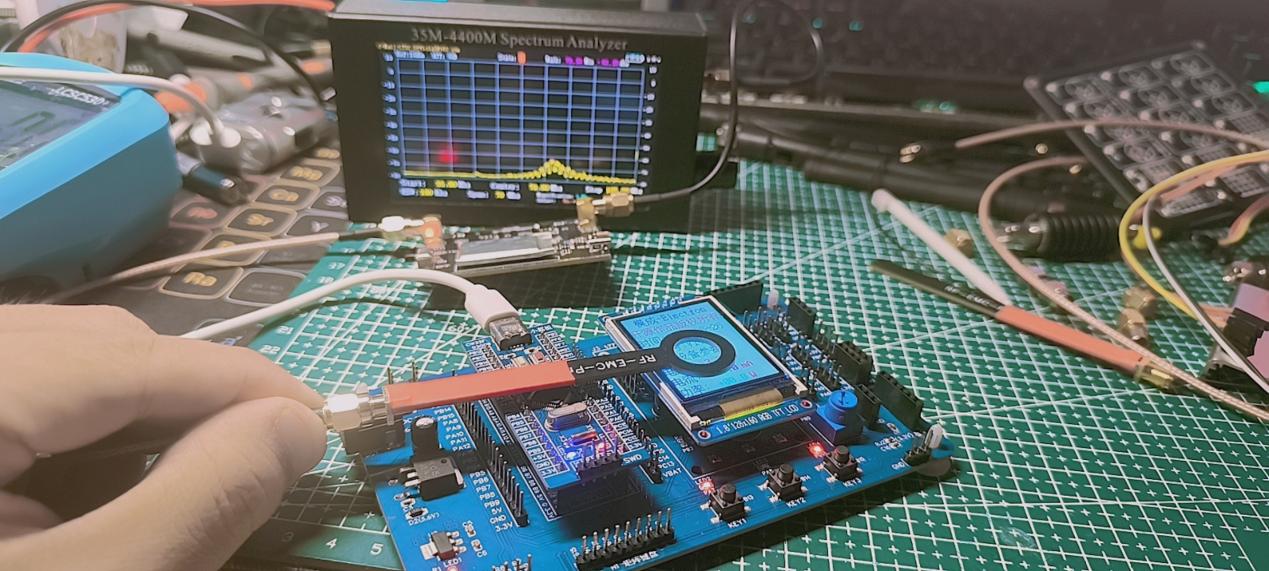
 This EMC/EMI electromagnetic radiation amplifier is used for electromagnetic radiation noise detection and amplification in electronic products. It serves as a pre-amplifier for RF power amplifiers, with a built-in power supply providing independent power for up to 3 hours of continuous operation, or it can be externally powered. The input connects to a probe, and the output signal can be directly fed into a spectrum analyzer or RF power amplifier.
 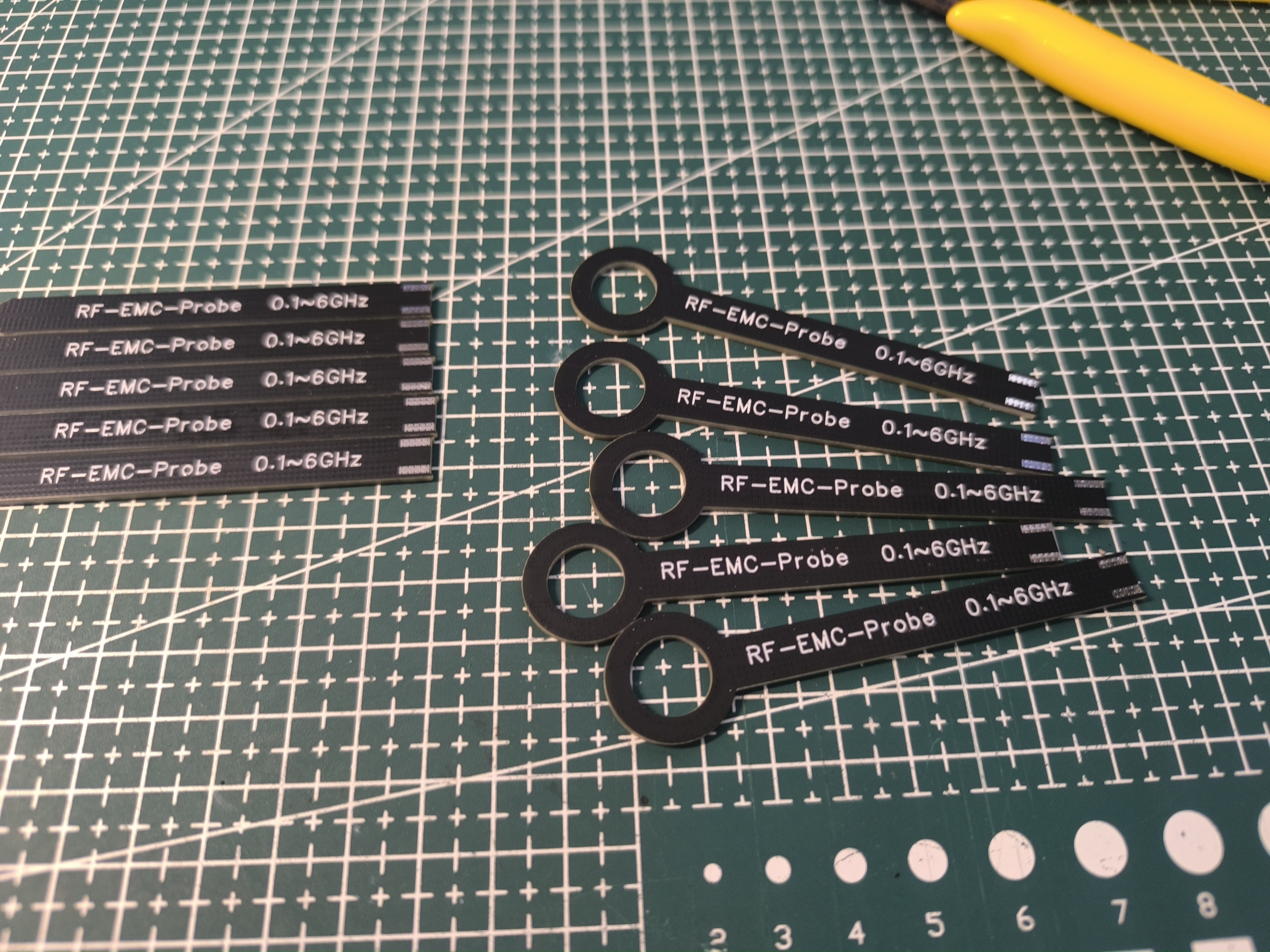 ; Probe: 50Ω impedance;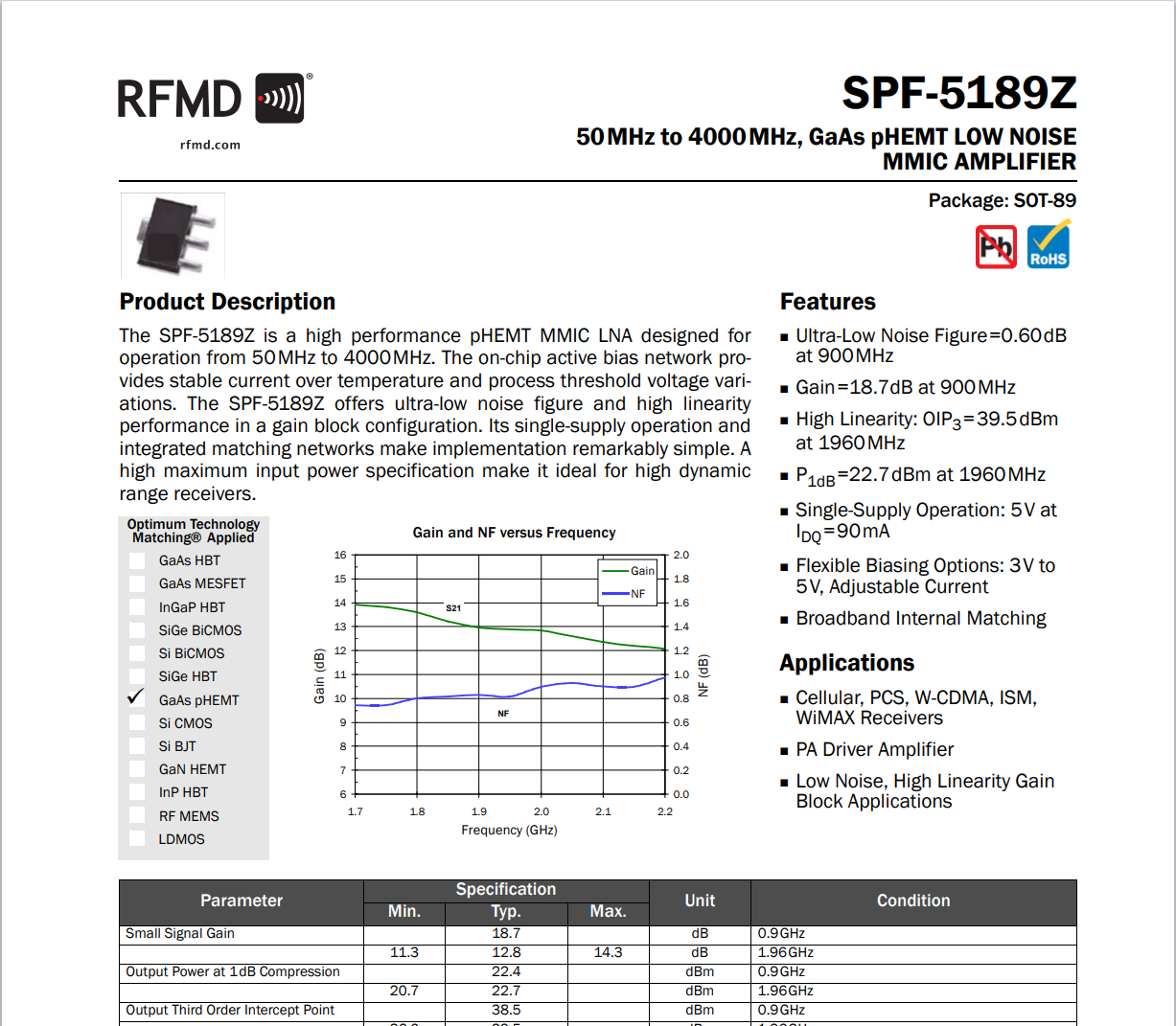
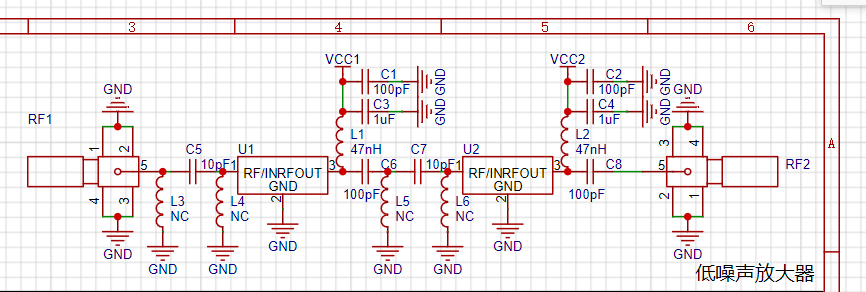 Two-stage amplification, 10dB per stage, 20dB for both stages; Vector
 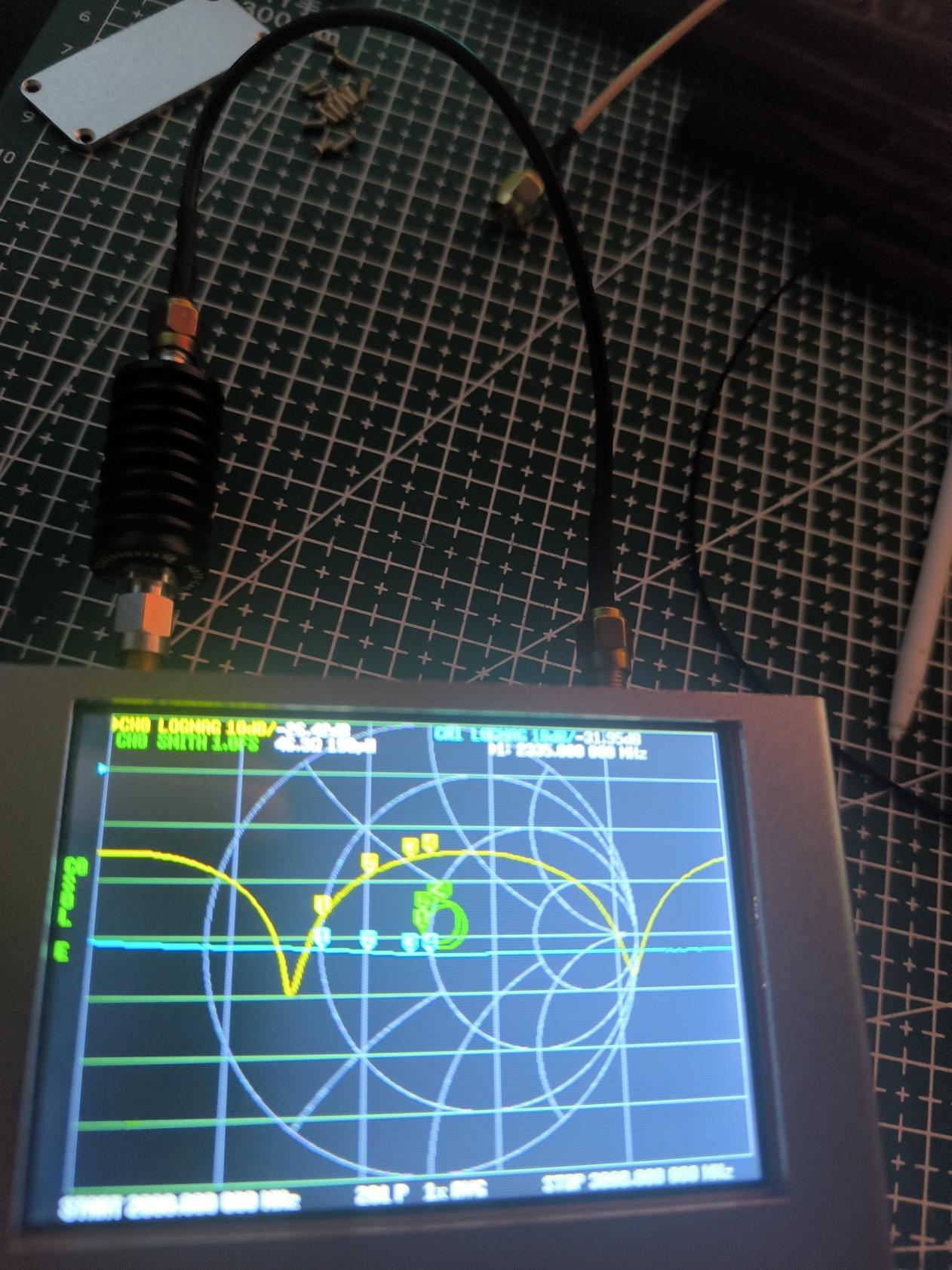 grid amplification gain test: A -30dB gain attenuator is inserted in series in the RF circuit, interface loss has been calibrated, line loss is approximately 1.95dB;
 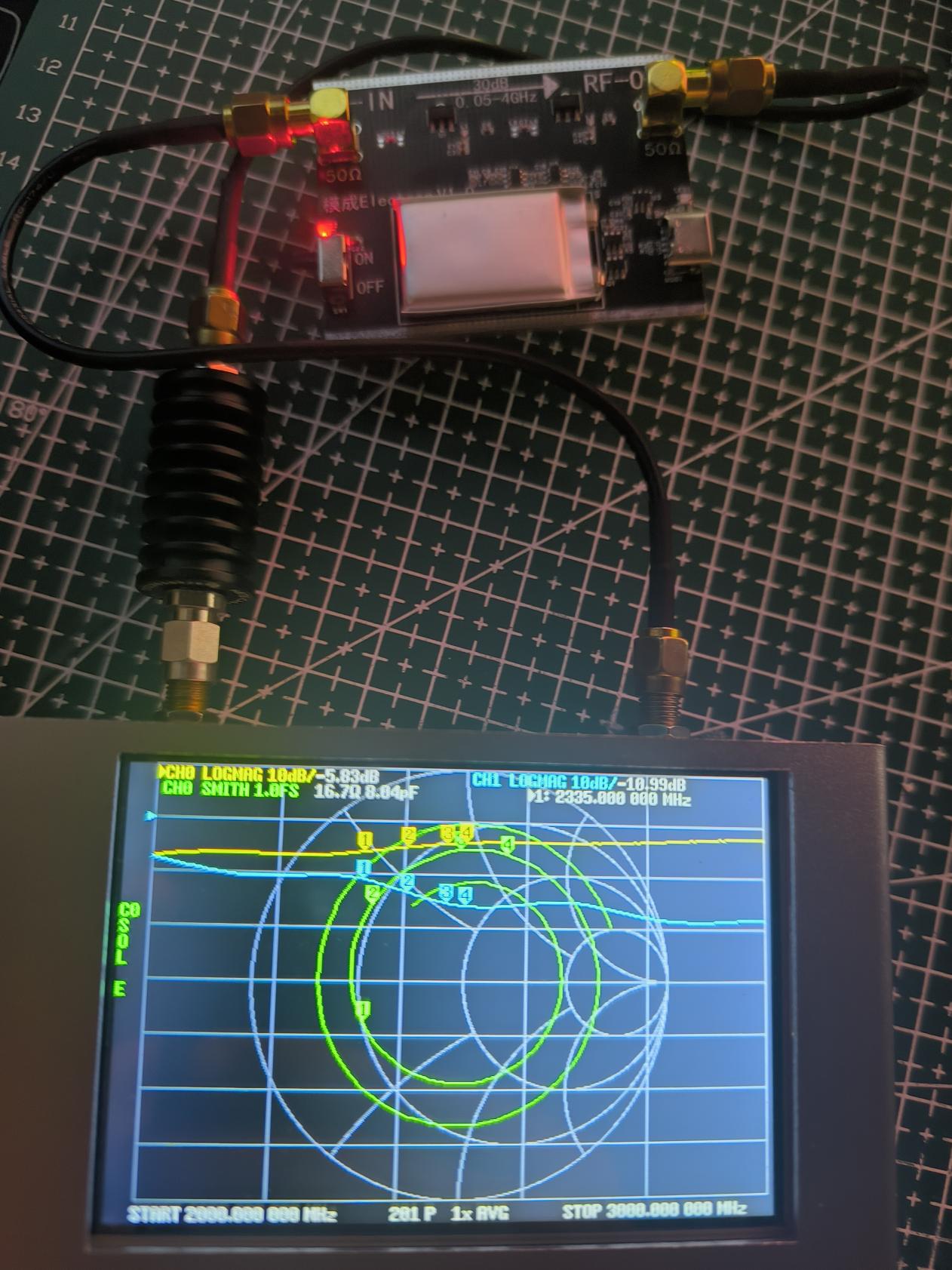 Vector grid amplification gain test: A low-noise gain amplifier is inserted in series, total attenuation is 10.99dB = 30dB - 20dB.
 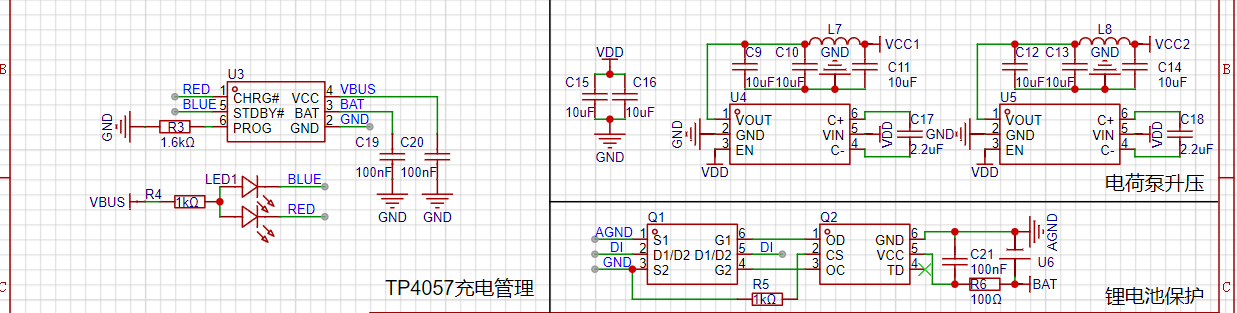 The power supply uses a lithium battery, with the charge pump boosting voltage to reduce power supply noise. The charge pump uses the HX4002, and the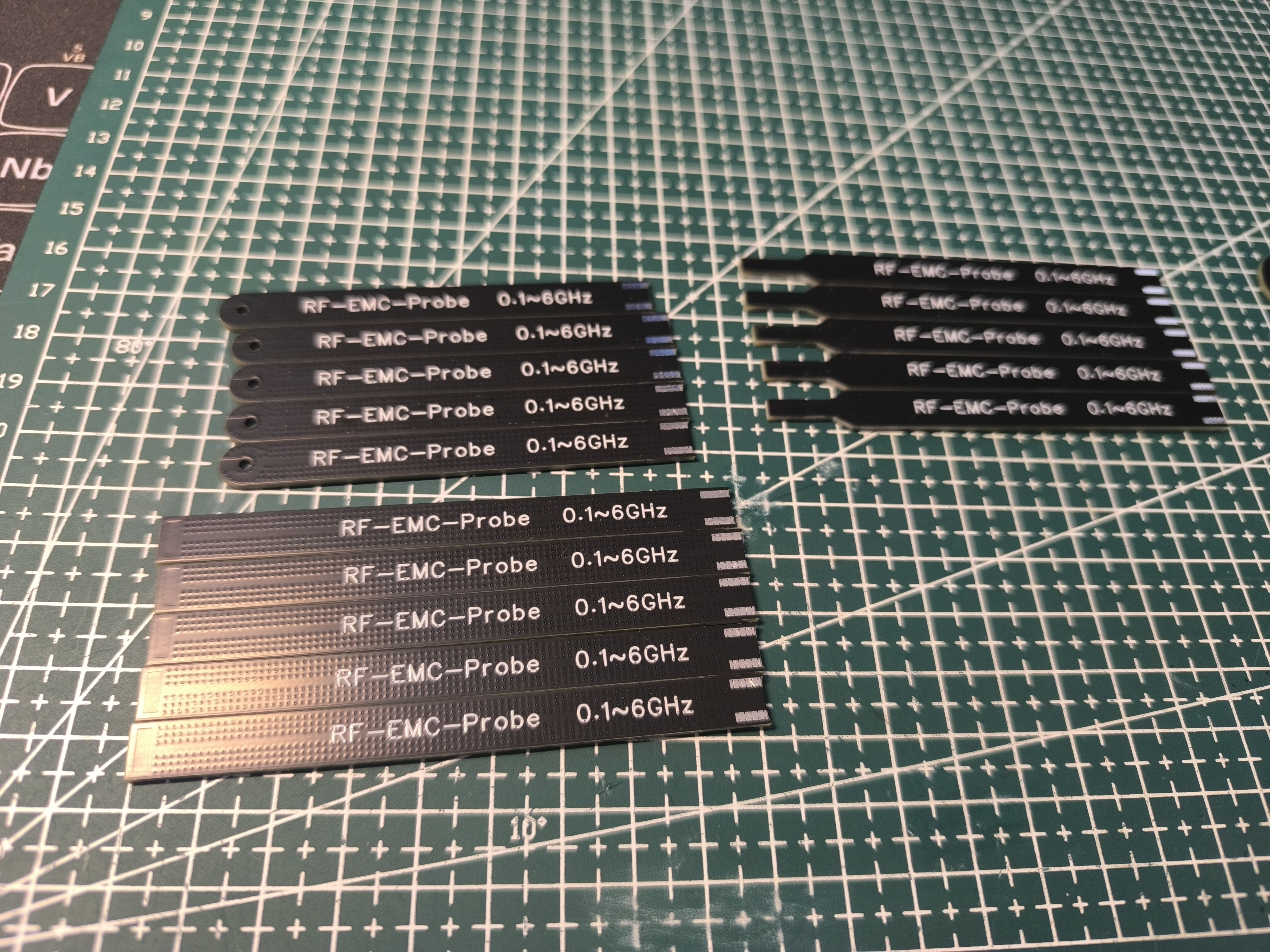
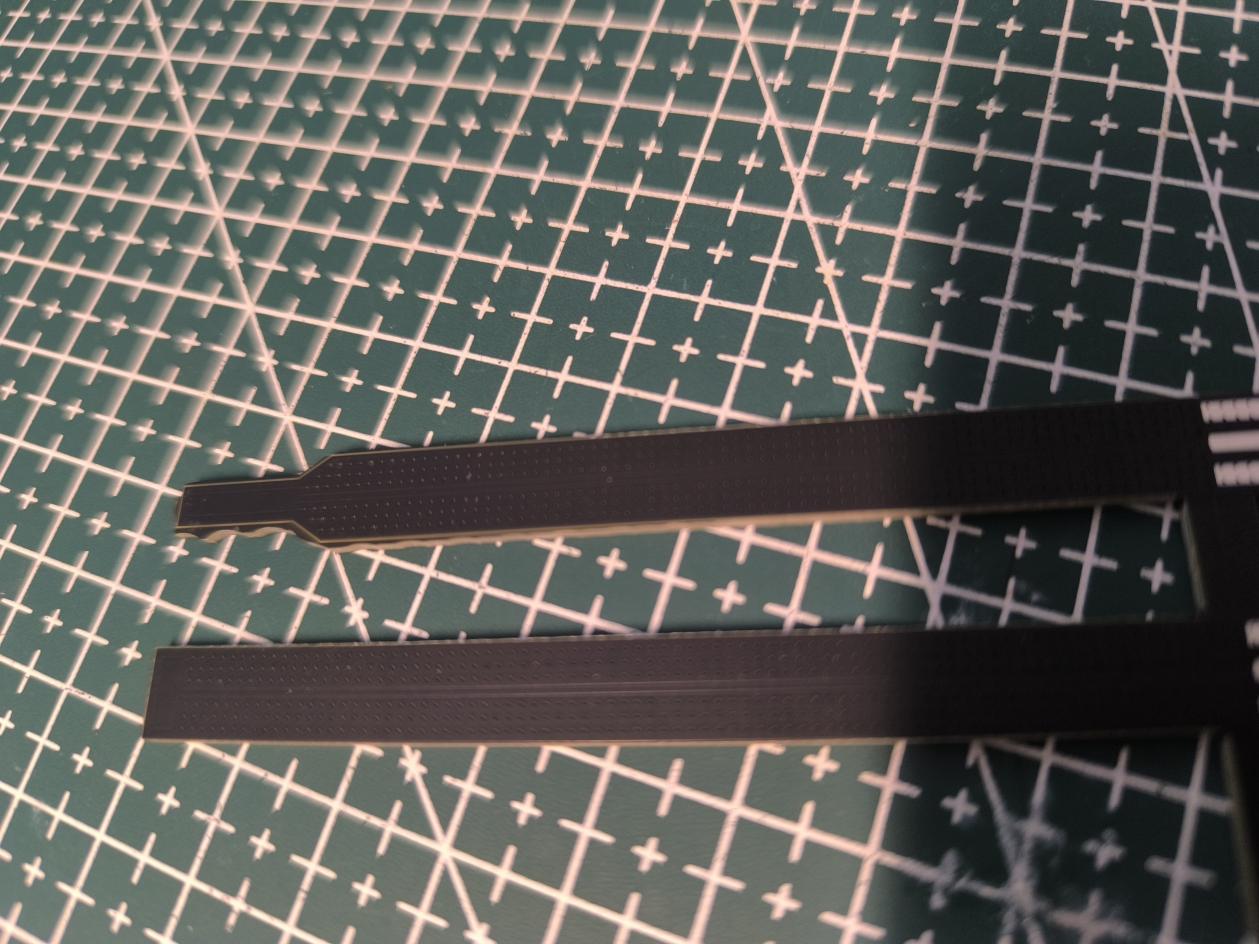 The probe is a panel; after prototyping, it needs to be disassembled and the cross-section ground. Different probes are suitable for different detection areas.
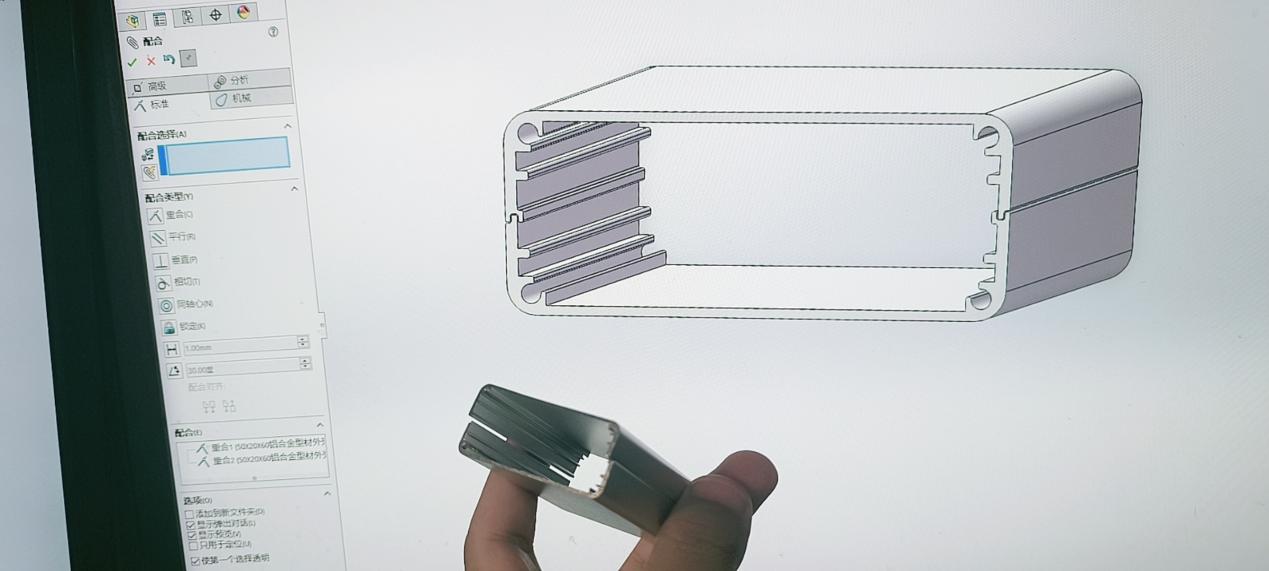
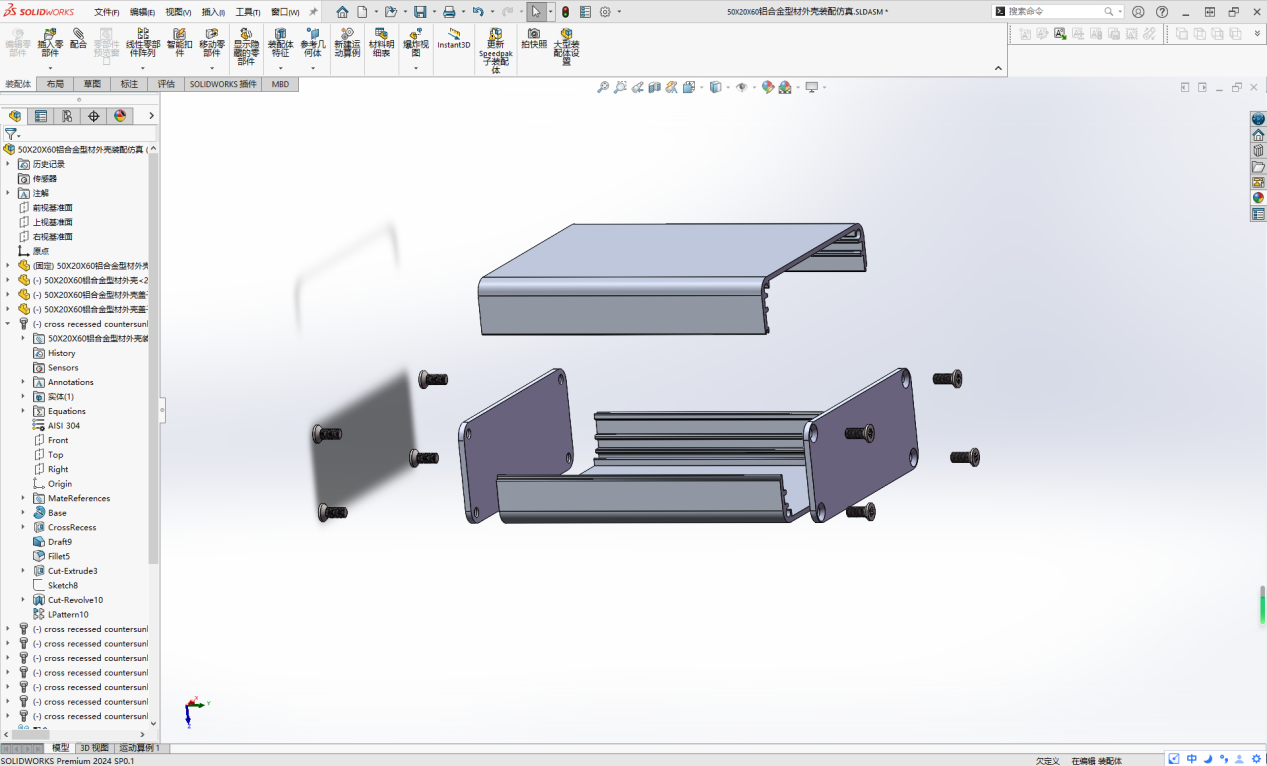
 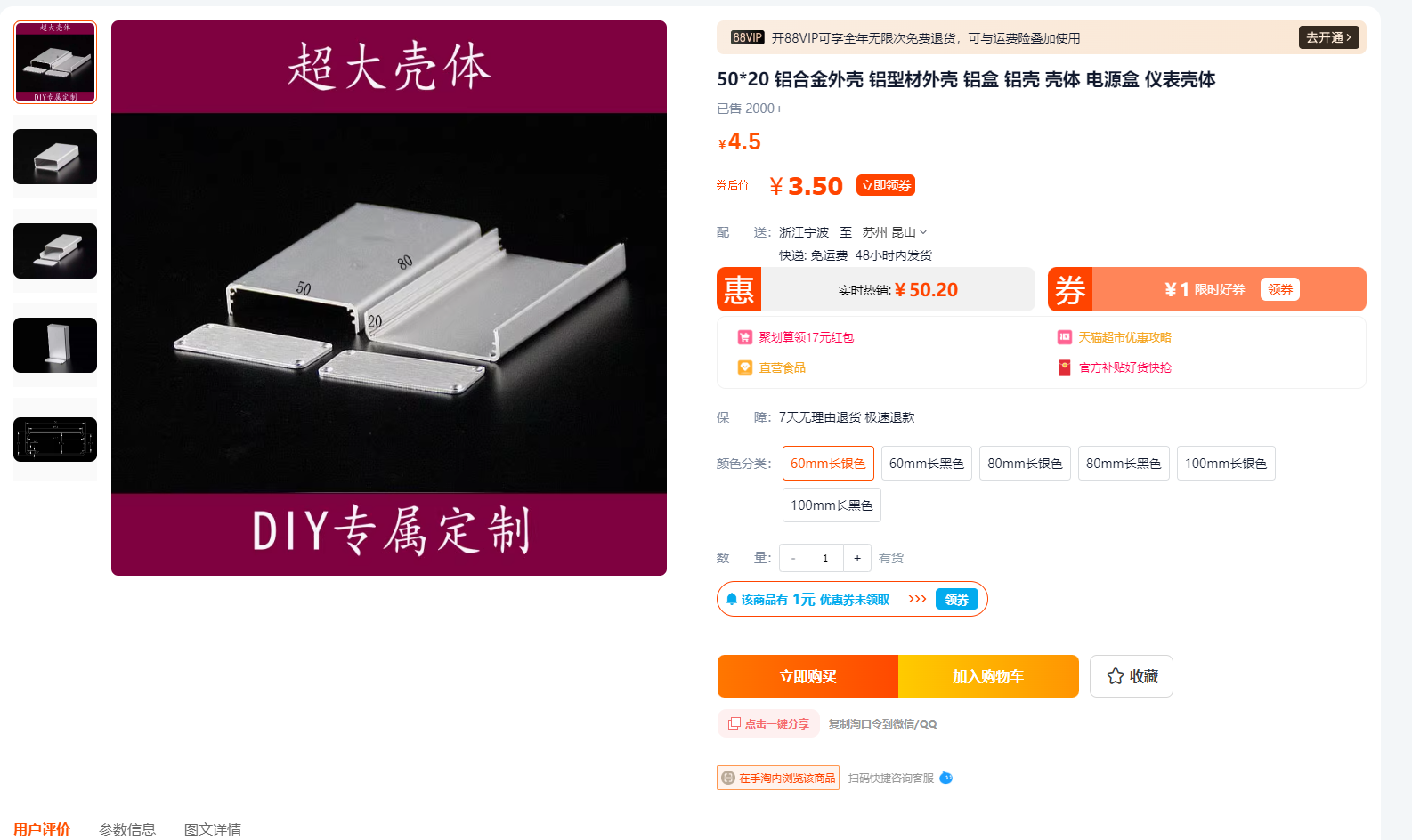 The housing is a lightweight aluminum alloy. For cost reasons, a pre-made housing was chosen, but this housing has gaps during assembly. To achieve lower noise and avoid external interference, a CNC-machined housing is recommended.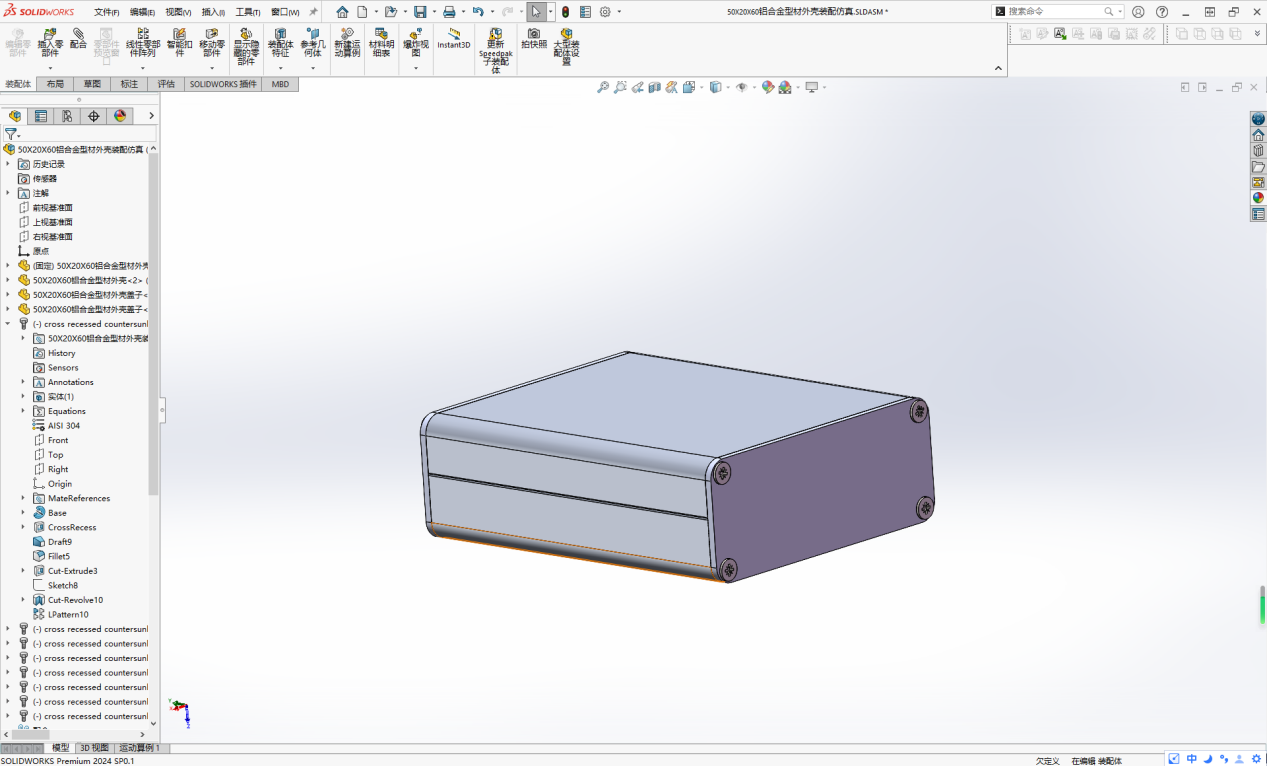
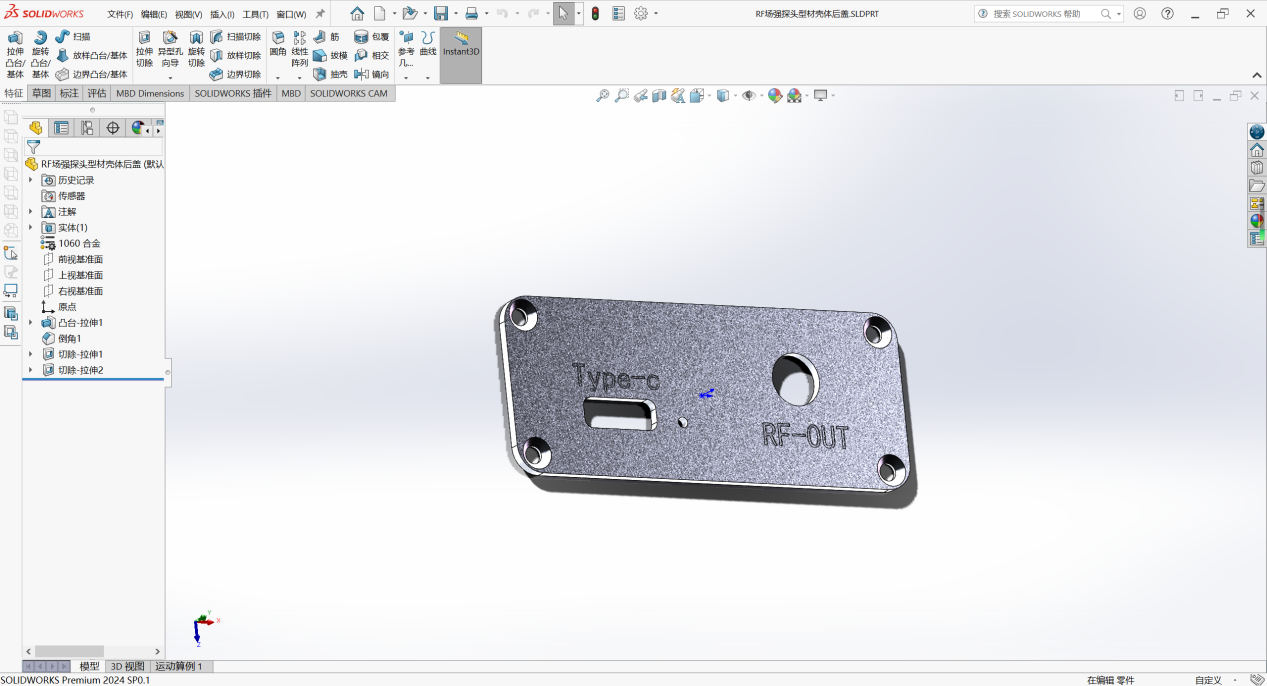 Processing parameters: CAD drawings; please send the drawings to the manufacturer for processing.
 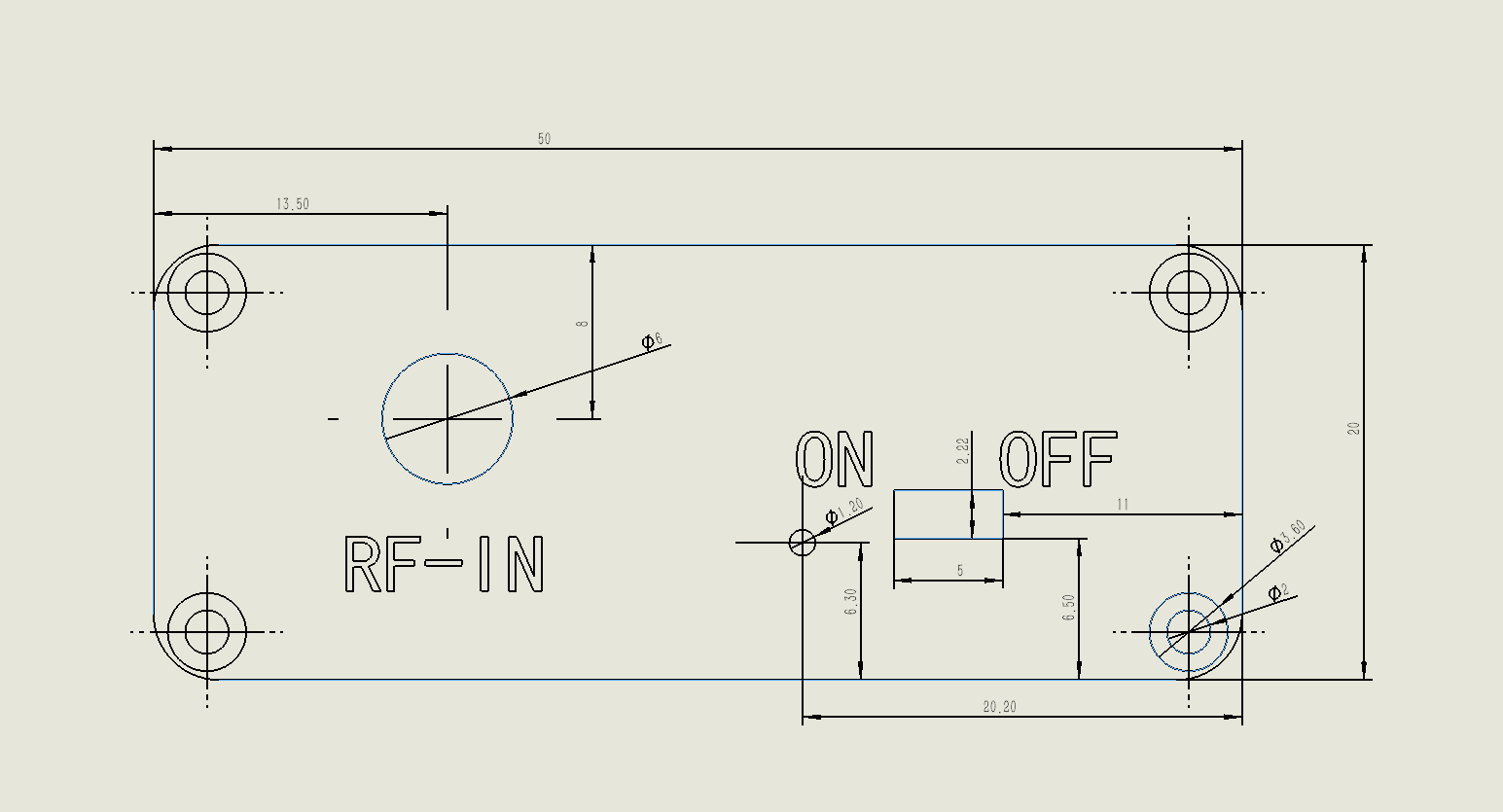 Rear panel:
 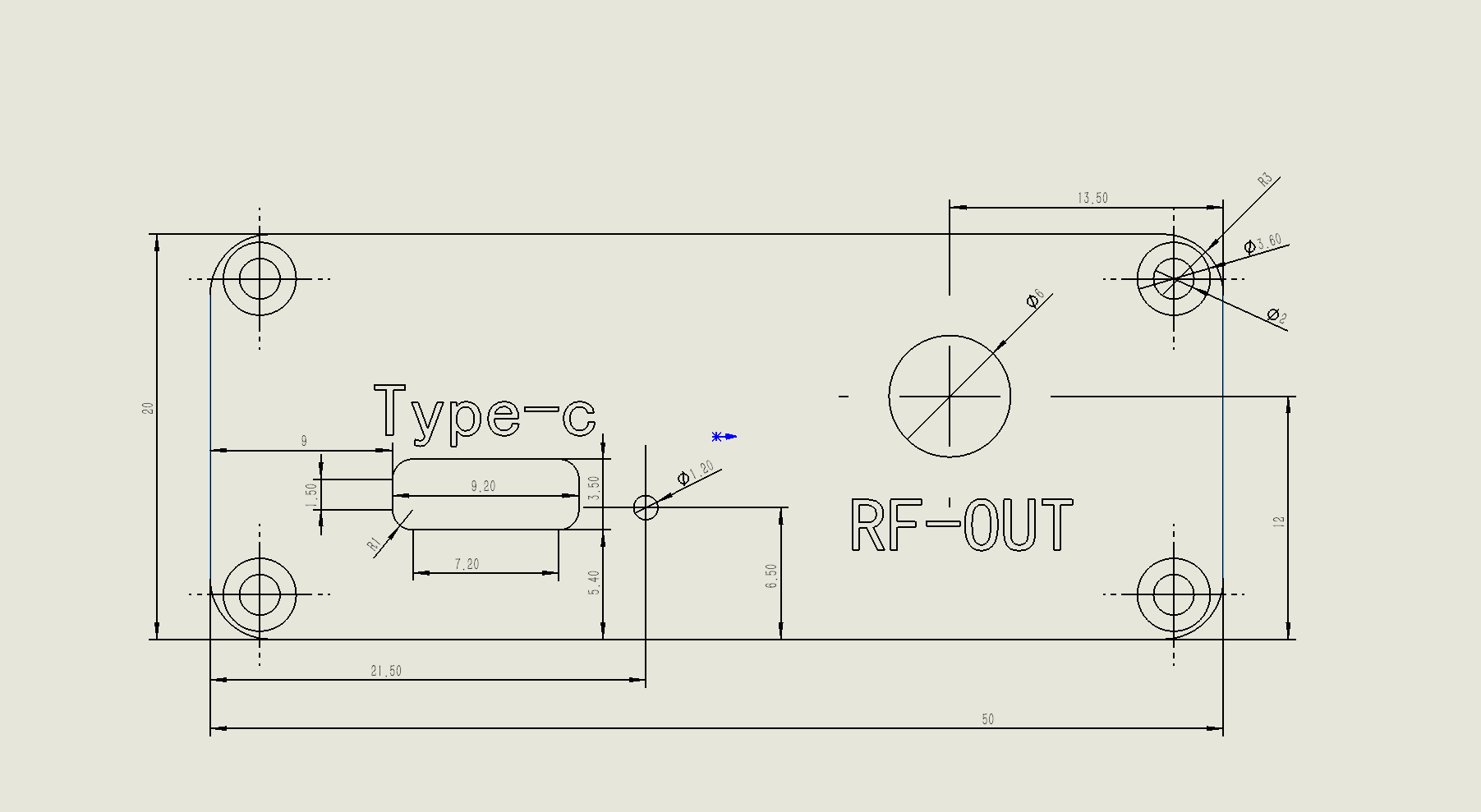 Remarks: (Laser marking is recommended for the font parts)
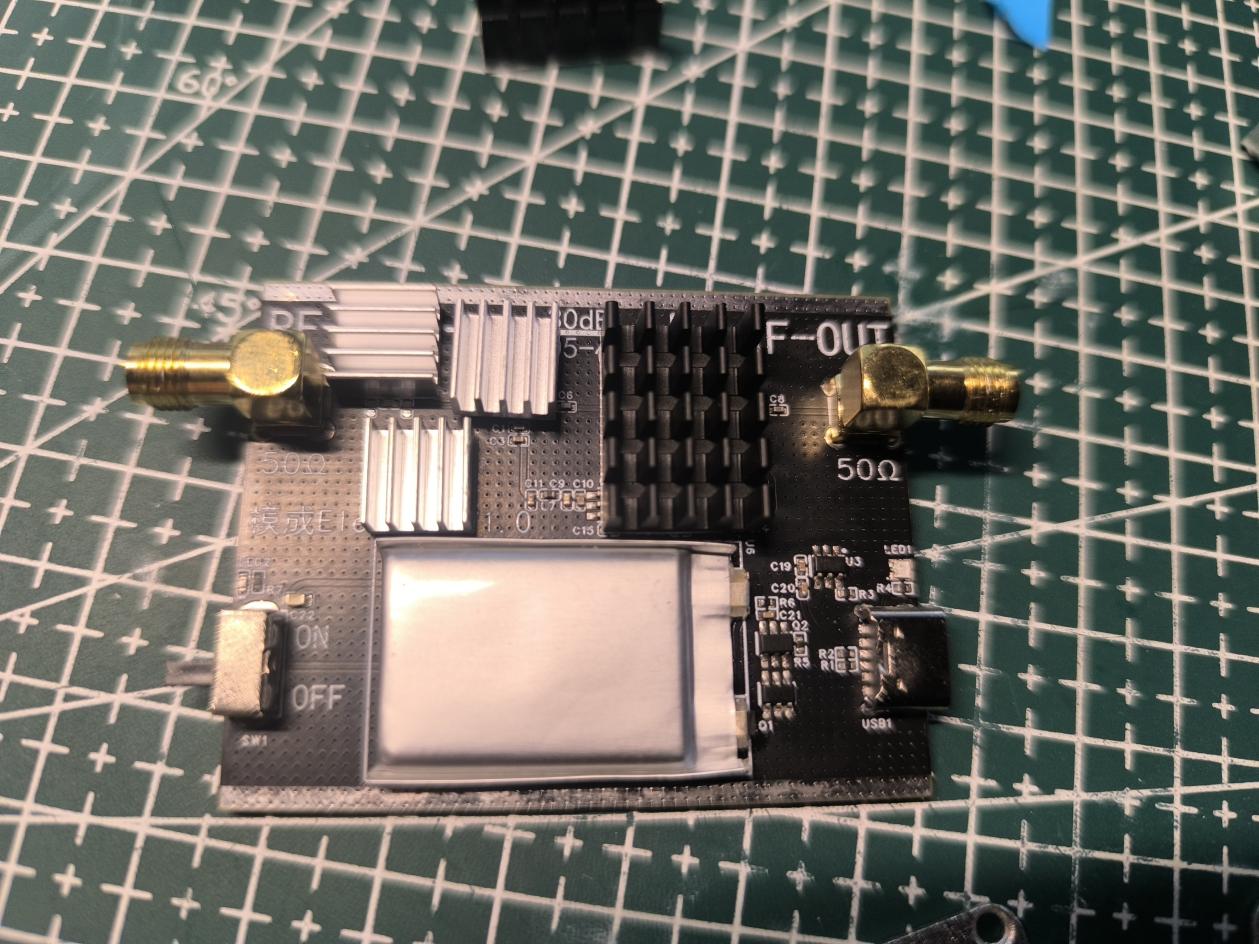
 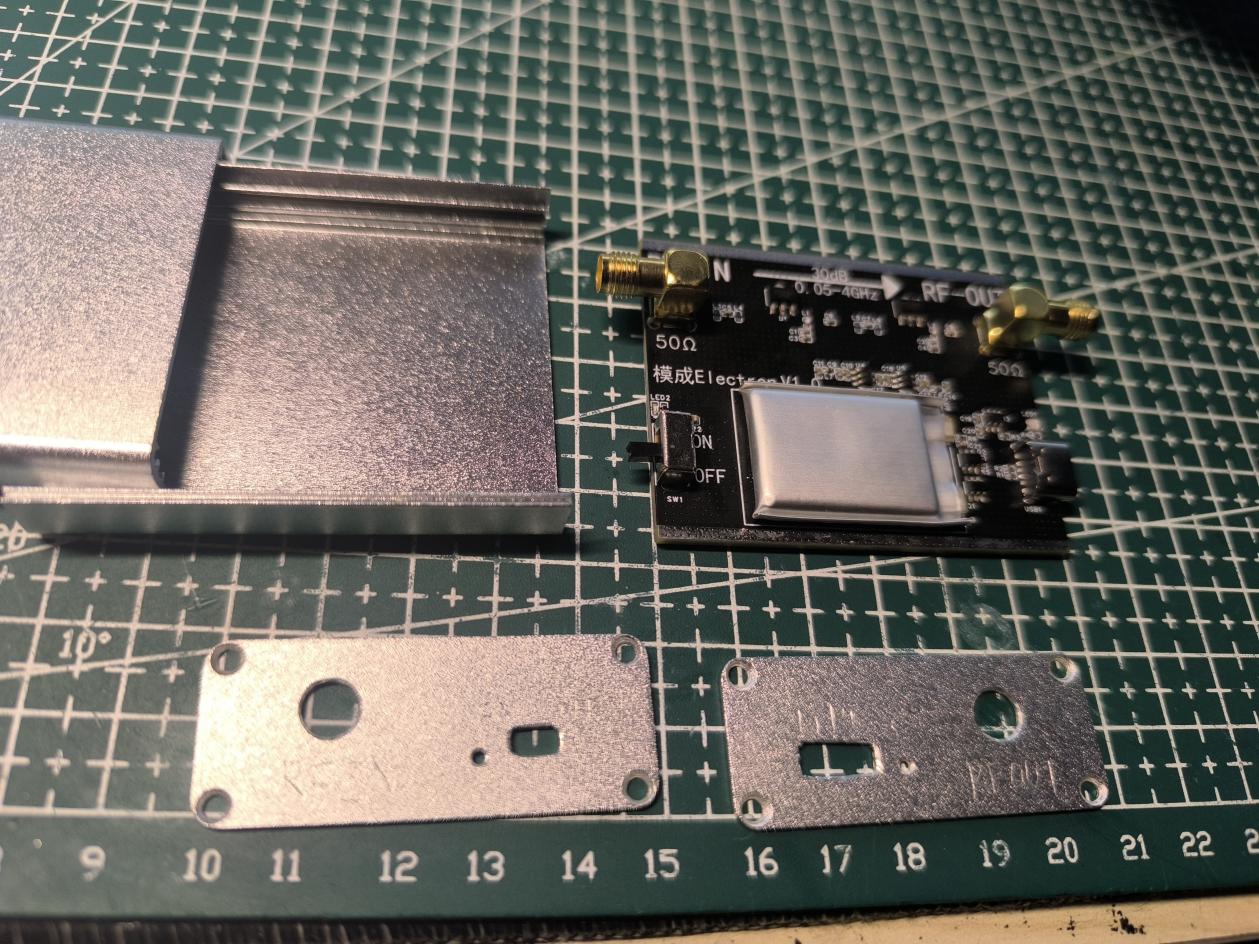 Heat sink added to the heat-generating parts:
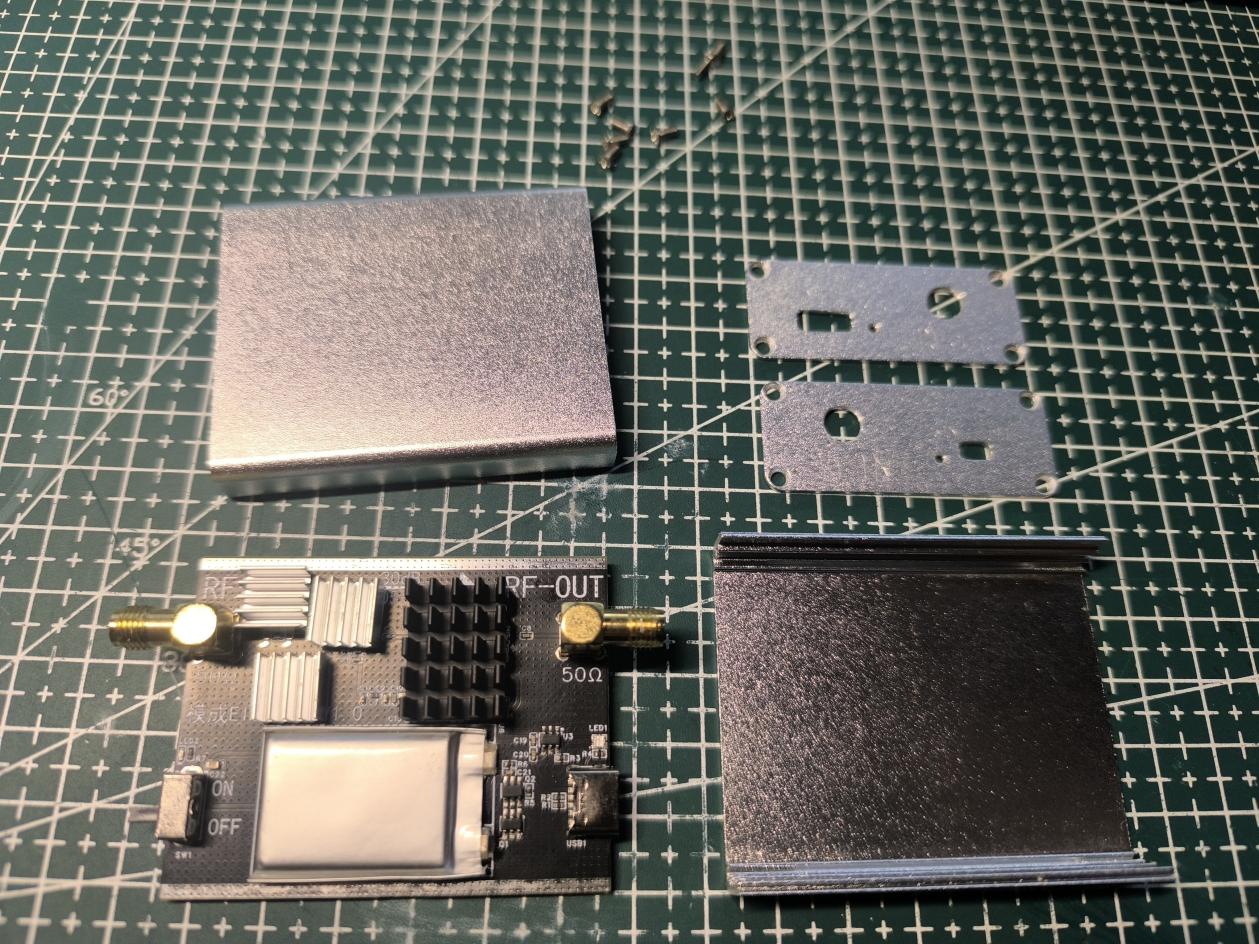
  Complete component drawing:
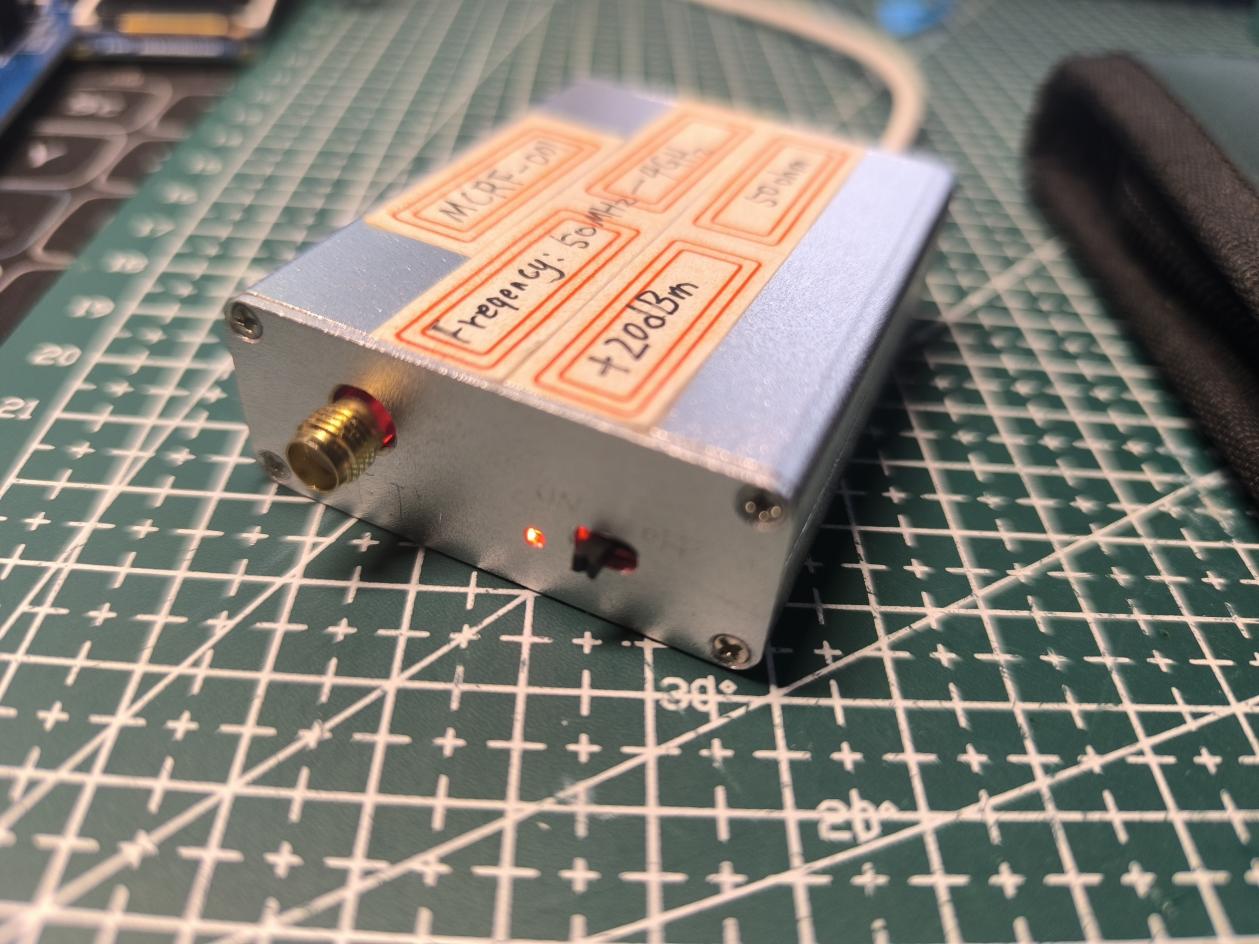
  Assembled product drawing:
  Simulation drawing: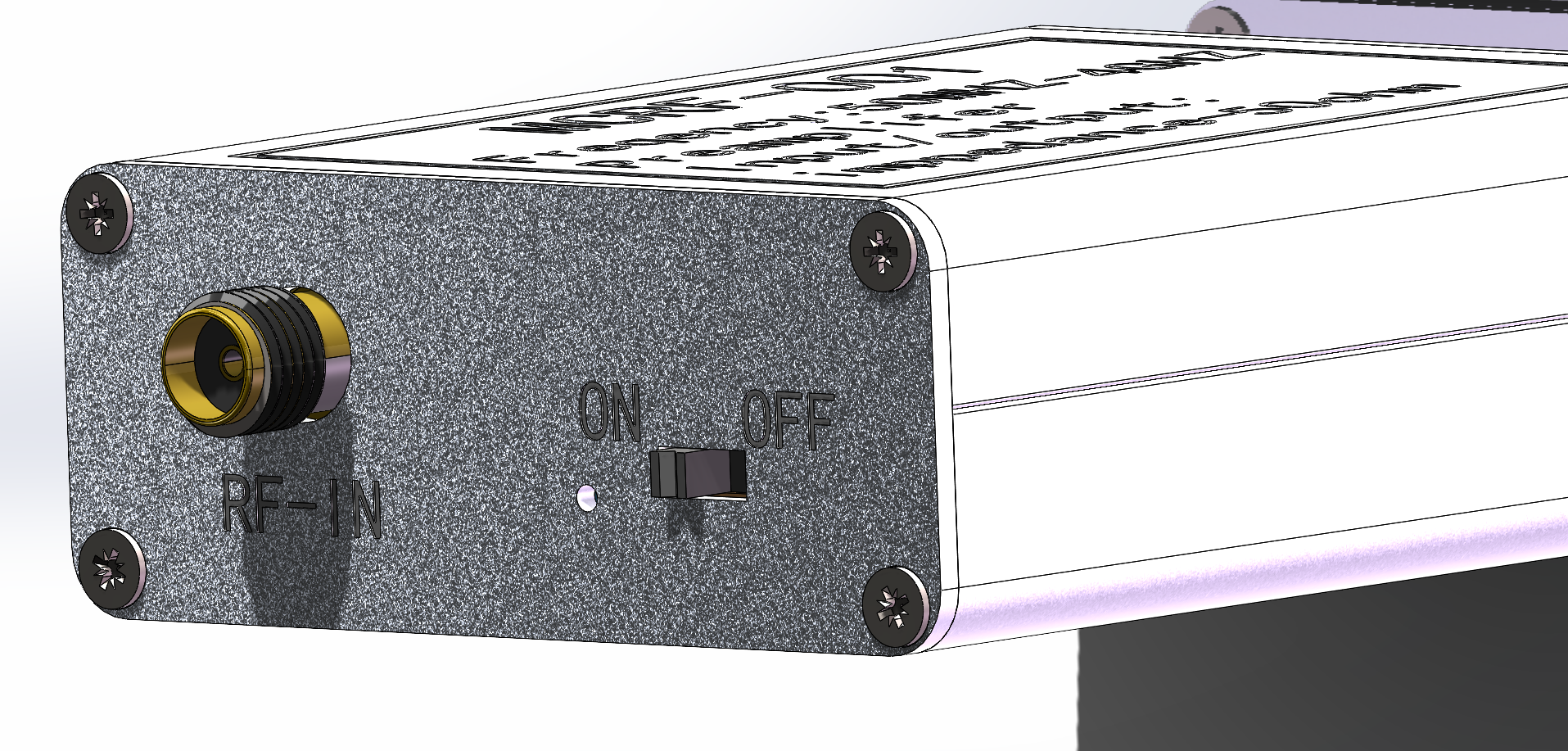
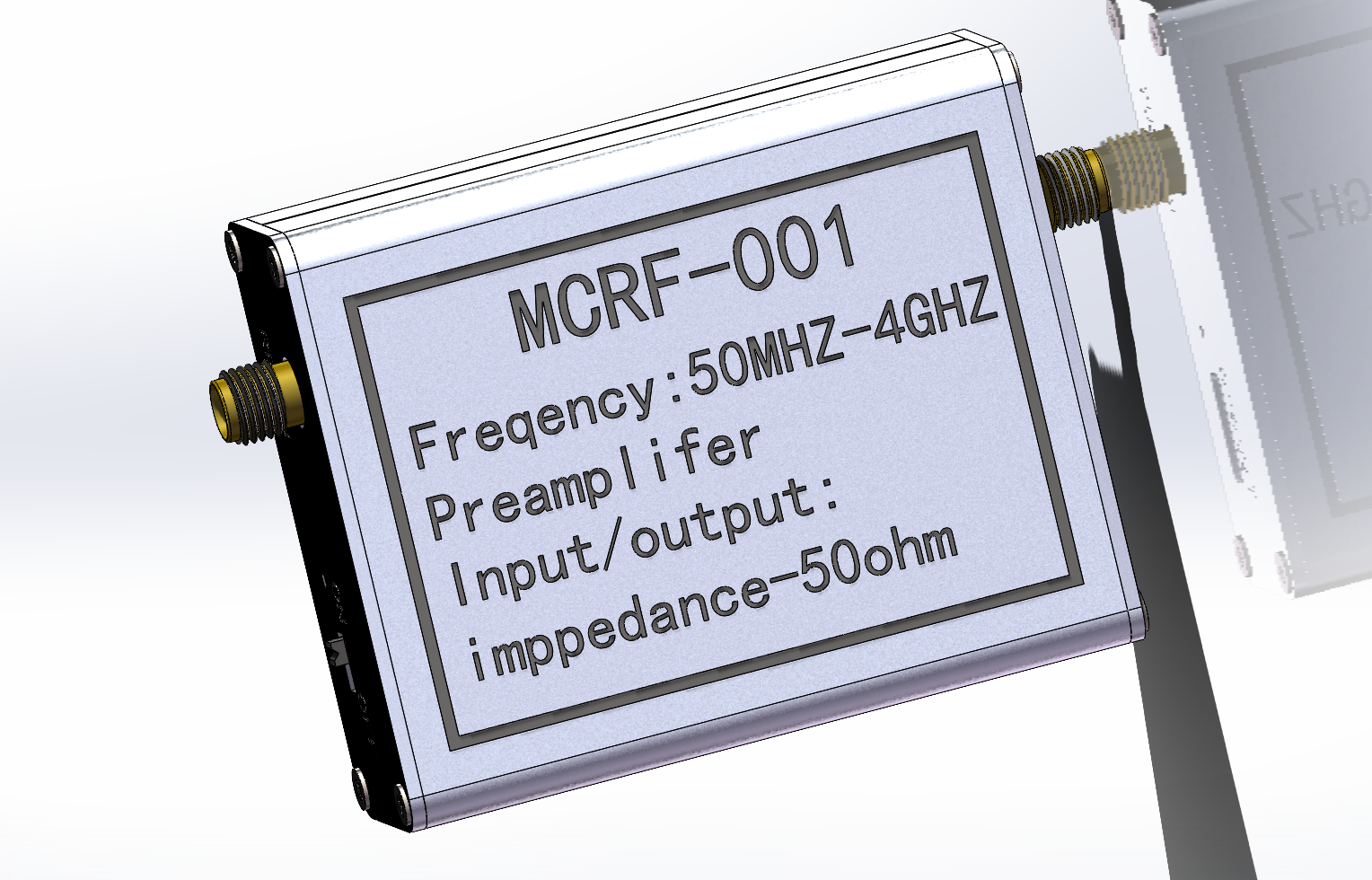 CAD processing images and CNC processing files for the outer shell are attached.
All reference designs on this site are sourced from major semiconductor manufacturers or collected online for learning and research. The copyright belongs to the semiconductor manufacturer or the original author. If you believe that the reference design of this site infringes upon your relevant rights and interests, please send us a rights notice. As a neutral platform service provider, we will take measures to delete the relevant content in accordance with relevant laws after receiving the relevant notice from the rights holder. Please send relevant notifications to email: bbs_service@eeworld.com.cn.
It is your responsibility to test the circuit yourself and determine its suitability for you. EEWorld will not be liable for direct, indirect, special, incidental, consequential or punitive damages arising from any cause or anything connected to any reference design used.
Supported by EEWorld Datasheet
EEWorld
subscription
account

EEWorld
service
account

Automotive
development
community

Robot
development
community

About Us Customer Service Contact Information Datasheet Sitemap LatestNews



Room 1530, 15th Floor, Building B,
No.18 Zhongguancun Street,
Haidian District,
Beijing, Postal Code: 100190
China
Telephone: 008610 8235 0740
 京公网安备 11010802033920号


 0041.9116.3.3.2.002