Please do not use this for commercial purposes, as the author has already mass-produced it. Those interested in commercial mass production can directly contact me for collaboration; I have the assembled files and an automatic burning and testing fixture.
This project extensively uses 0402 components with reduced pad size and smaller spacing, so it is not recommended for beginners to replicate. The mass-produced version is priced at only 199 RMB. For those wanting to save money, I suggest buying the finished product directly; hand-building is for fun.
Bilibili: https://space.bilibili.com/518685784, AT32AIO discussion group: QQ 941750538, AIO ESC board details on the author's homepage
———————— (Divider) ————————
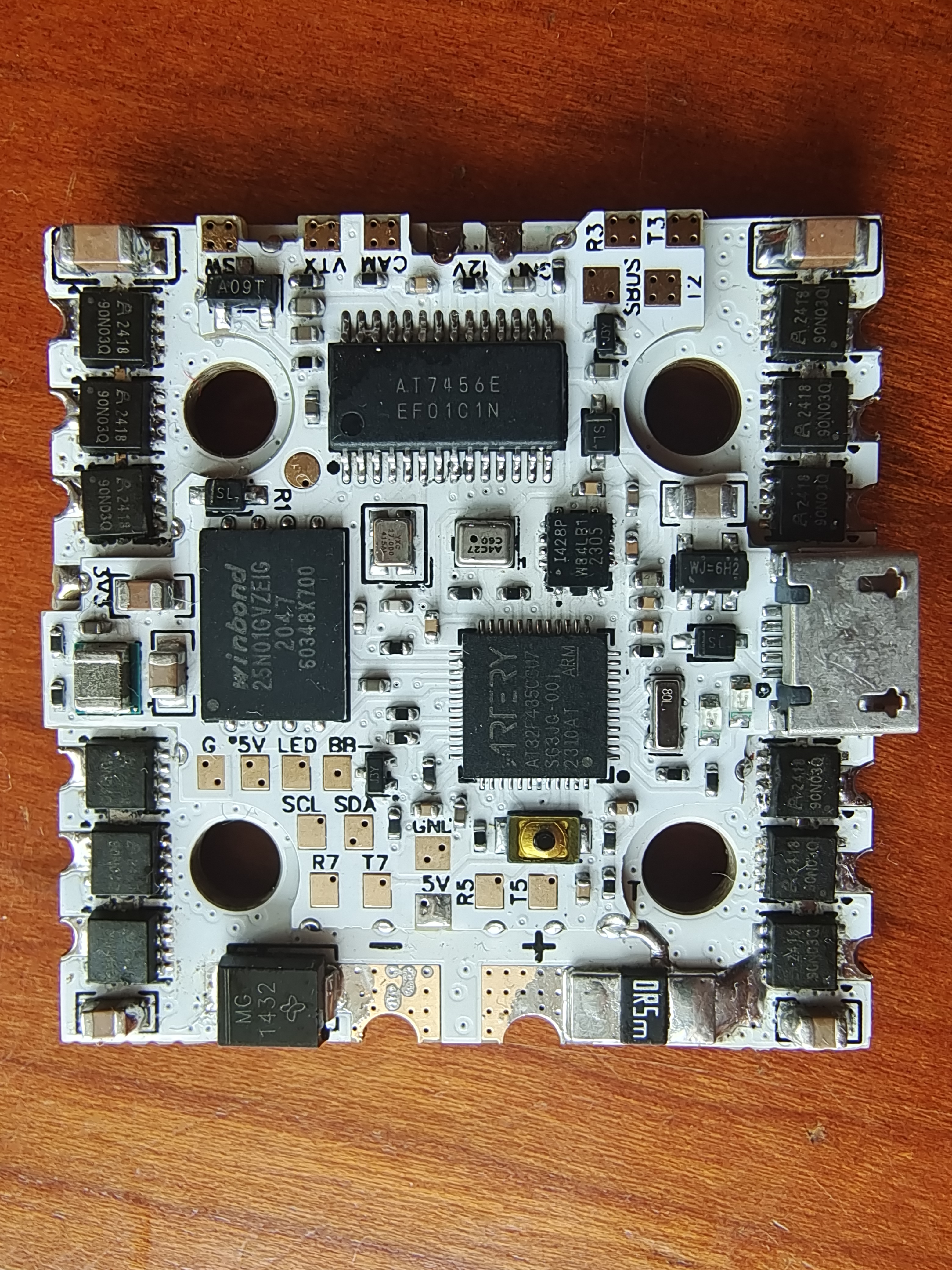
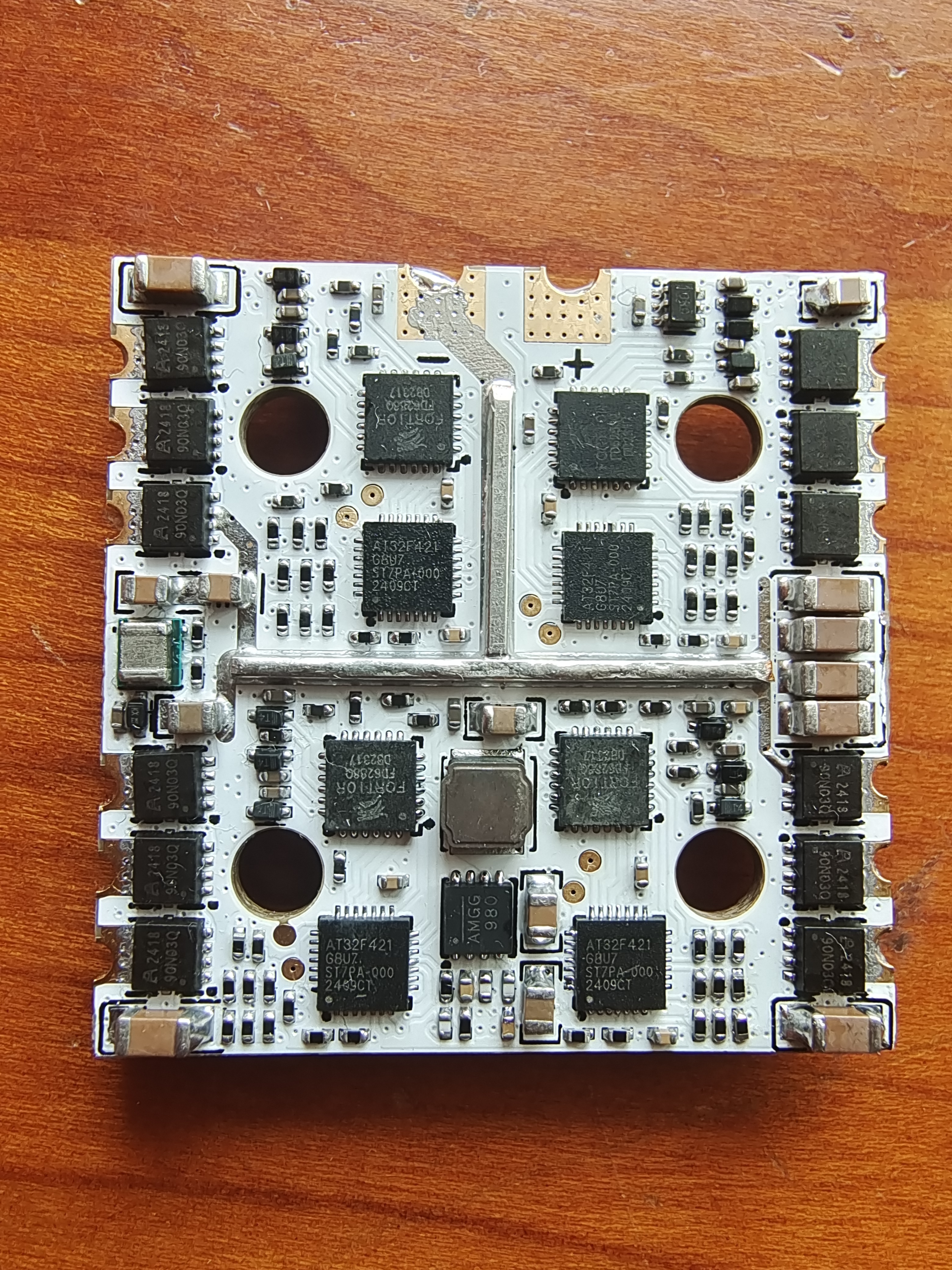
Given the STM32 shortages of the past two years and the BL32 licensing suspension in China this year, the prices of individual ESCs and AIOs have generally increased. With the large number of military orders for racing drones resulting from the Russia-Ukraine conflict, many domestic racing drone manufacturers are transforming into larger racing drones with payloads exceeding 3kg. However, the emerging sub-250g market has seen few high-performance, cost-effective new products launched. Against this backdrop, I plan to design a high-performance, cost-effective 20-hole domestically produced AIO (Air Controller Interface) for 4-inch long-range and 3.5-inch and smaller flight controller enthusiasts.
It utilizes the high-performance domestic AT32F435CGU7 main controller with a 288MHz clock speed and 5xUART (one multiplexed as an electronic switch and one as a SUBS), outperforming the F405 and F411, and even approaching the F722, while remaining as inexpensive as the F411.
The flight controller board features an onboard electronic switch that can turn off image transmission before unlocking to reduce heat and avoid GPS interference. The electronic switch controls the negative terminal, allowing for flexible selection of the controlled device's voltage. For detailed tutorials, please search "BF PINIO" on Bilibili.
The new version defaults to M4 mounting holes for compatibility with M4 to M3 shock absorbers, requiring a custom M4 to M2 shock absorber to use M2 screws (search "Chongshan Aviation, Ask Professor An" on Taobao). If you wish to use a standard M3 to M2 shock absorber, you will need to modify the mounting holes to be smaller.
A separate ESC board has a complete power supply and can operate independently; a separate flight controller board lacks a complete power supply and cannot operate independently.
As an AIO (Automatic I/O) for long-haul aircraft, it naturally needs a high-power 12V BEC to drive the video transmission (we're talking about your Walksnail GT, which requires at least 11.1V and 1.5A). However, AIOs equipped with 9-12V BECs are extremely rare on the market due to the large PCB area they occupy for power supply. To accommodate the 12V BEC, this AIO has a rather unique power supply topology.
When the battery is connected normally, VBAT is stepped down to 12V via MP9943 (onboard ESC) and distributed to the MOS gate driver. It is then stepped down to 3.6V and 4.9V via two TPS82130s (onboard ESC and flight controller respectively). (The actual output of 4.9V from 5Vbec is to drive the WS2812 LED strip, as it requires a control level > 0.7 times the supply voltage). The 3.6V is transformed to approximately 3.3V via an MSK4010 diode (which also acts as a filter with a capacitor) and supplied to various ICs. The 4.9V is supplied to the gyroscope and the MCU's VDDA and VREF via an RT9013LDO, avoiding interference from the DC-DC converter to the gyroscope and the microcontroller's ADC, and ensuring the accuracy of the microcontroller's VREF voltage.
When using USB power, the USB circuit powers all 5V devices via a 1N5819 diode (meaning all 5V pads are powered when the USB is plugged in, eliminating power consumption). The 5V then powers all 3.3V ICs via the same RT9013LDO and another 1N5819 diode. This means the ESC MCU is powered when the USB is plugged in, but the motor is not, allowing for safe firmware flashing to modify parameters.
This power supply topology is relatively complex; it is recommended to refer to the schematic diagram when performing manual testing.
Version Information: (While different versions of ESCs and flight controllers can be mixed and matched, it is recommended to keep the versions consistent.)
V1.0: (Original version)
V1.1: (Test version) Added a current meter ADC filter capacitor, making the current meter reading more stable.
V1.2: (Test version) Added an anti-backflow diode (D3), which solved the dangerous problem of the motor being powered after plugging in the USB.
V1.3: (Mass production version) Modified the power supply topology, sharing the RT9013 LDO of the gyroscope to power the VDDA and VDDREF of the flight controller MCU.
V1.4: (Under design) Based on Professor An's suggestion, version V1.4 will also power the VDDA and VDDREF of the ESC MCU through the LDO to achieve higher ADC accuracy and stability. Test
Results:
LDO 3.3V:
Richtek RT9013 (mass-produced version, using high-quality components),
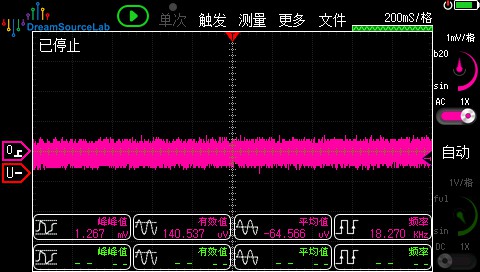
M.S. Semiconductor 9013 (cheap)
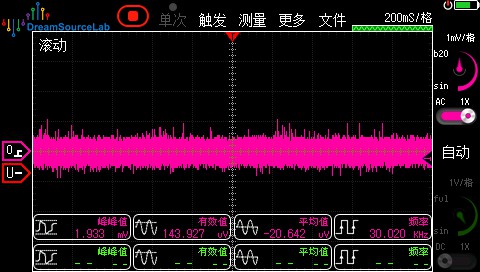
, Taizhou 9013 (cheap).
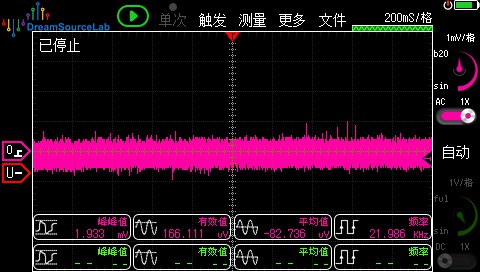
Wiring diagram (for reference only).
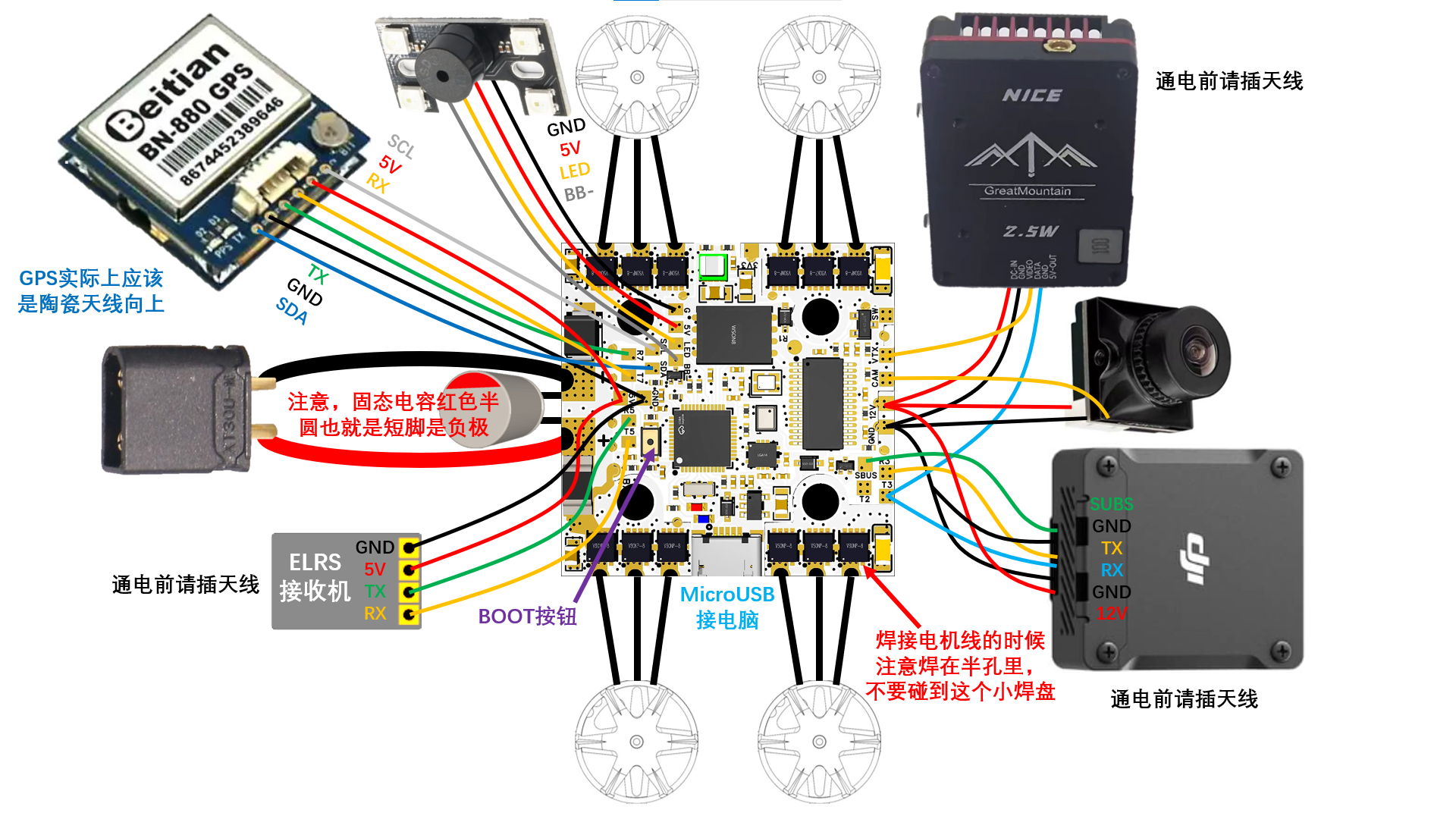
The attachment includes ATBF 4.3.2 firmware (stable version), firmware flashing tool, VCP and DFU drivers, and firmware flashing tutorial.
Special thanks to Professor An: Professor An from Jufeng Technology (overall technical support, referenced flashing tutorial), and the expert from Nitrogen Glow Tube (referenced pin definitions for firmware consistency).








 京公网安备 11010802033920号


 GB12864BSGABMLB-V01



