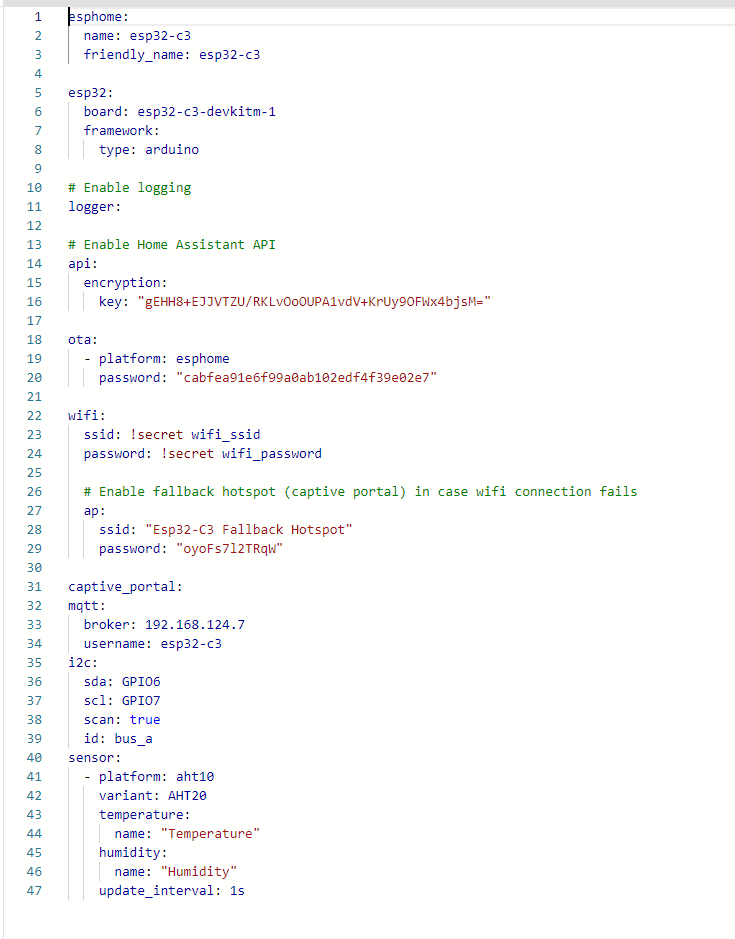
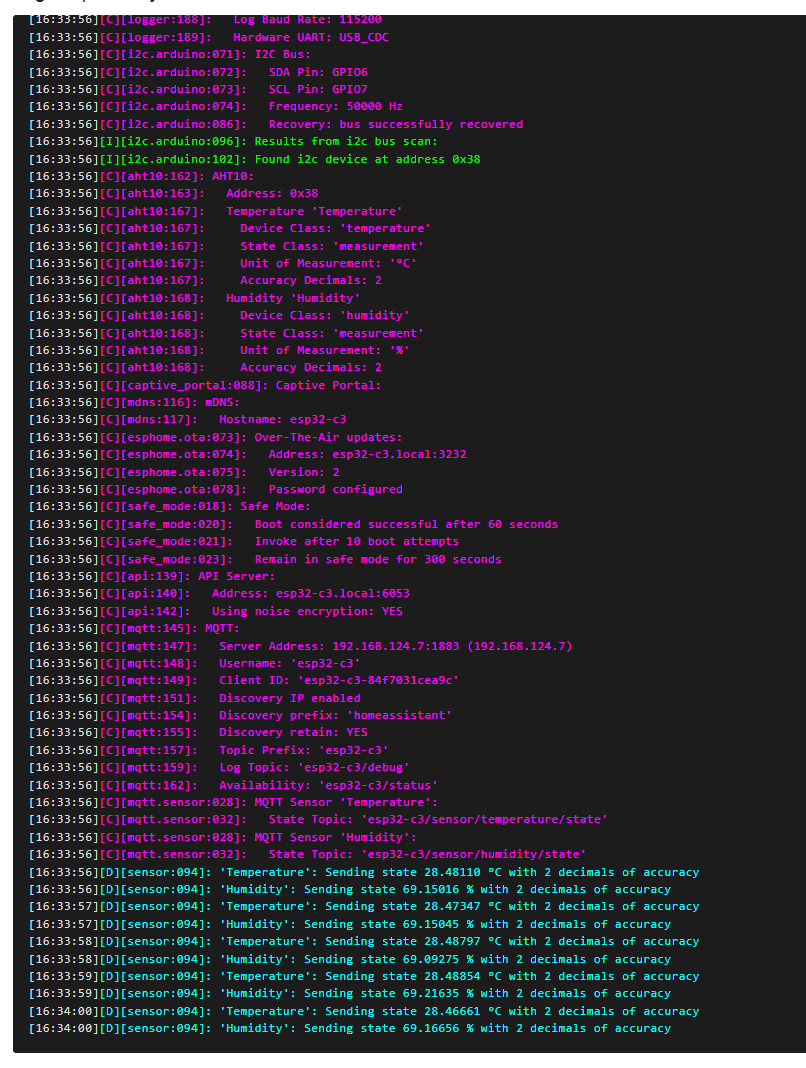
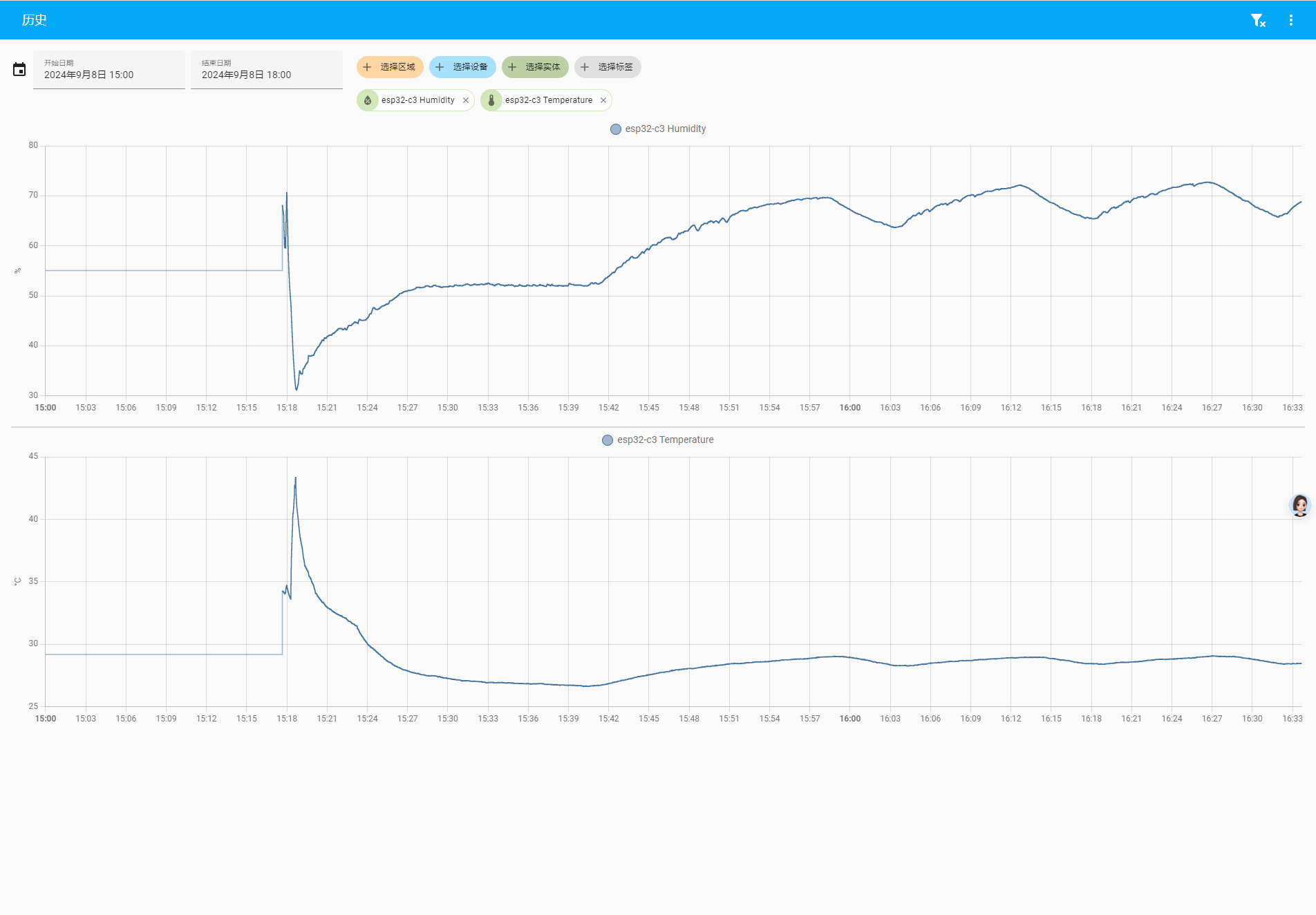
 My configuration is shown in the image. I originally planned to add a BH1750, but esphome couldn't initialize the sensor. This is probably due to my hardware design or soldering issues. This device is very small, and you can hardly see the pin soldering. After several attempts, I gave up.
 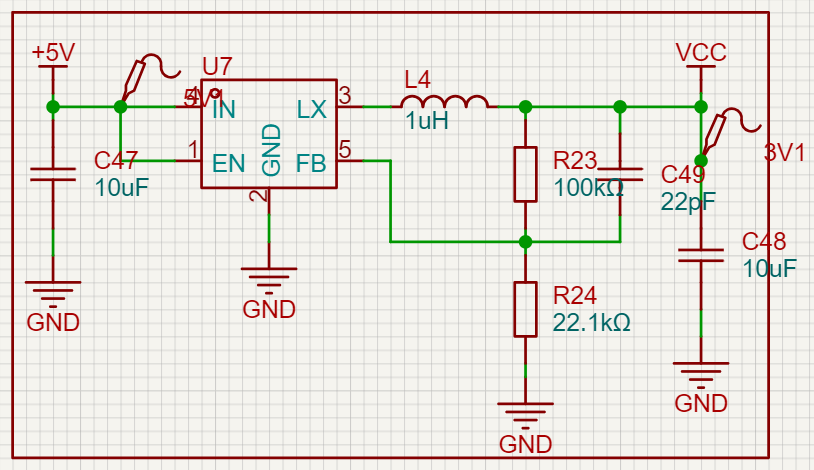 is shown in the figure. This is a DC-DC step-down circuit using the SY8089 chip. This chip is inexpensive, has a wide input voltage range, and can output up to 2A. Its peripheral circuit is also very simple, requiring only one inductor, three capacitors, and two resistors. One of the resistors is used to configure the output voltage. I have set it to 3.3V output. However, a drawback is that this chip is a step-down chip, so the output voltage will also decrease when the input voltage is low.
 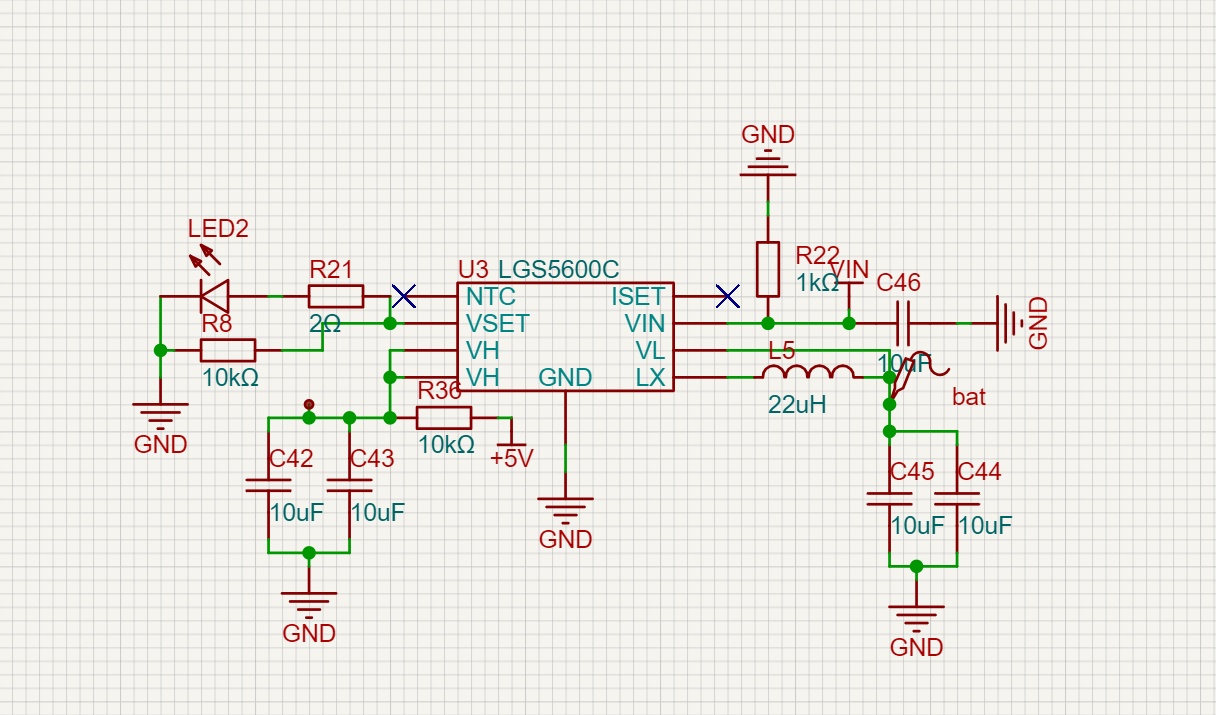 management chip used is LGS5600C, but the problem I encountered is that the chip outputs 5V normally when the battery is charging, but there is no output when the battery is not in use, only about 0.2V. I don't know why yet. I need to contact the manufacturer's technical support when I have time. The sensor
 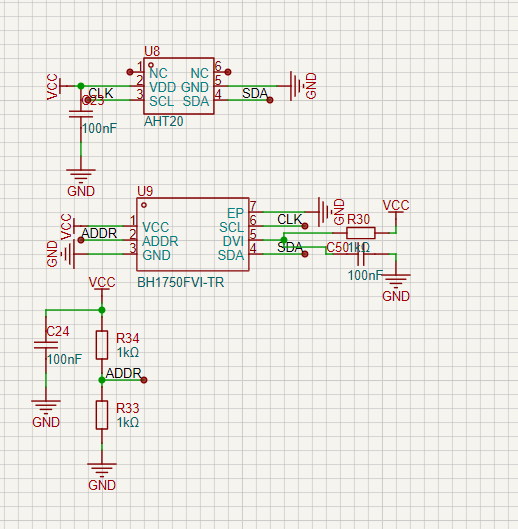 is relatively simple; just build the basic peripheral circuit according to the manual. However, one thing to note is that when laying out the temperature and humidity sensors, you should cut grooves around them as much as possible to avoid interference from the MCU or other heat-generating devices. My design was a bit rushed, so please don't imitate it.
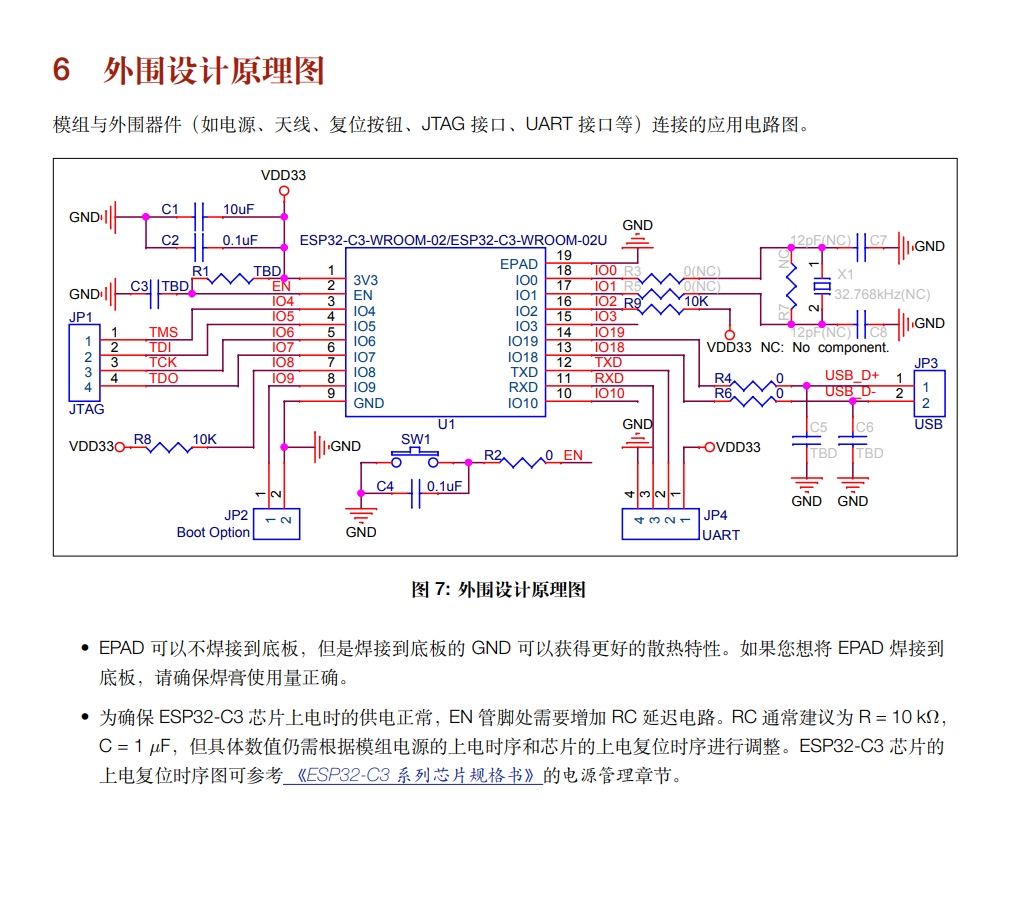
 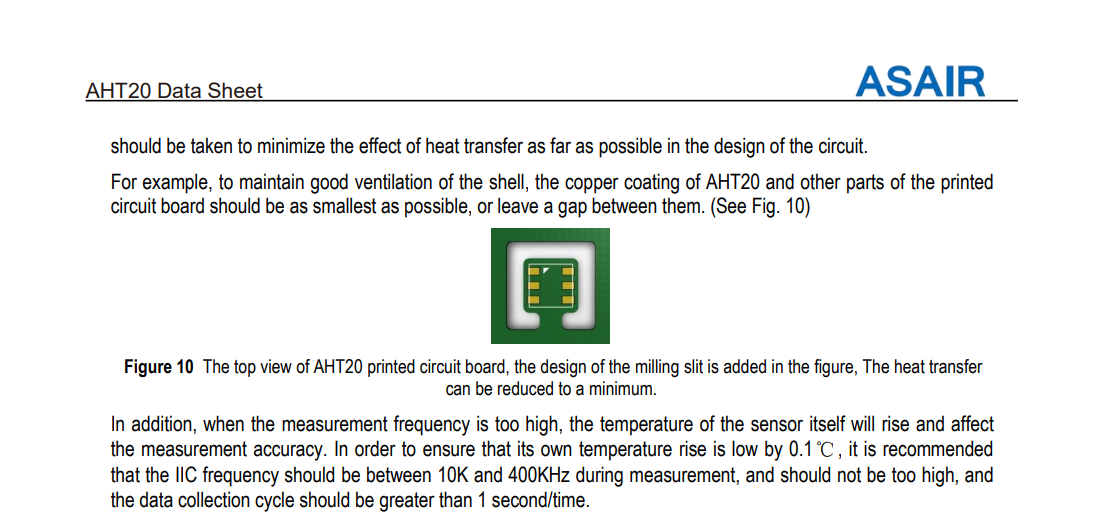 The official manual also describes it this way. The main
 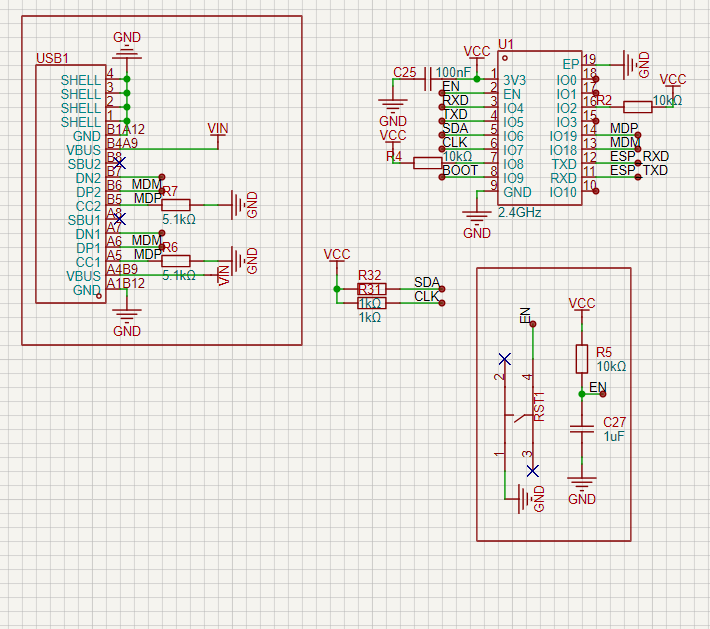 part is relatively simple because the ESP32-C3 has USB download functionality, which saves one CH340K chip (another day of cost savings). The peripheral circuit of the chip is also built according to the minimum system given in the datasheet.
  To reduce the difficulty of hardware soldering, the capacitors and resistors used are all 0603 packages.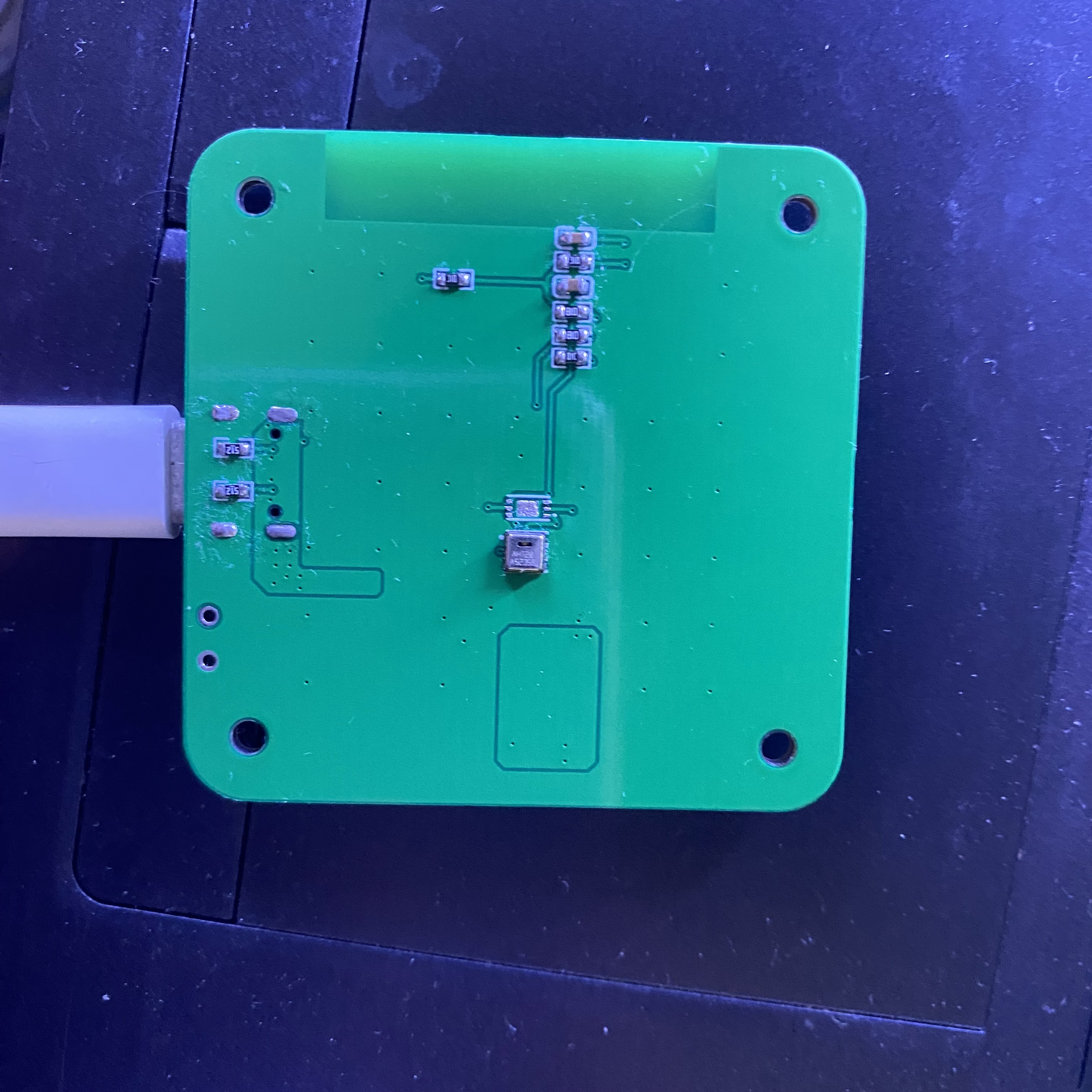
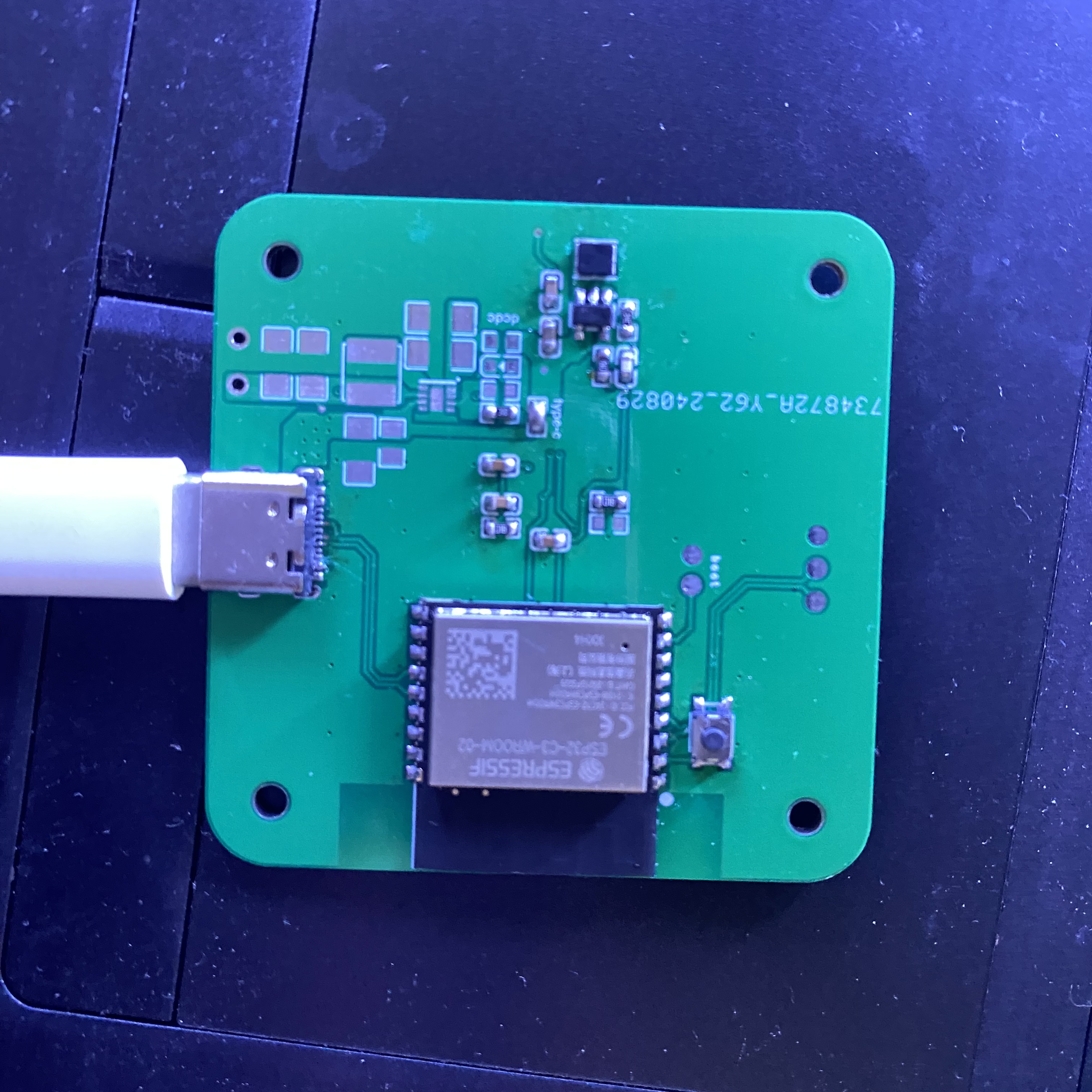
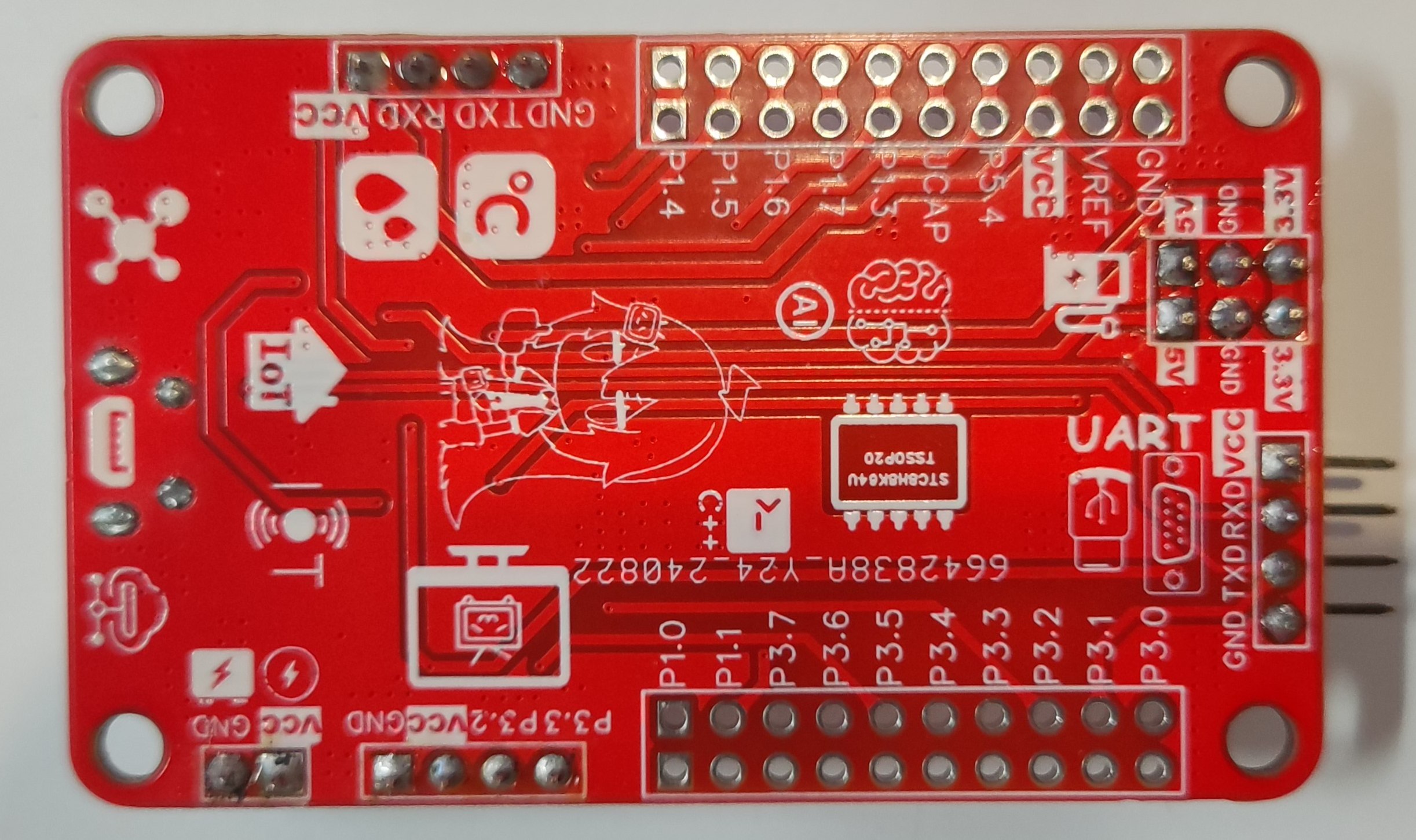
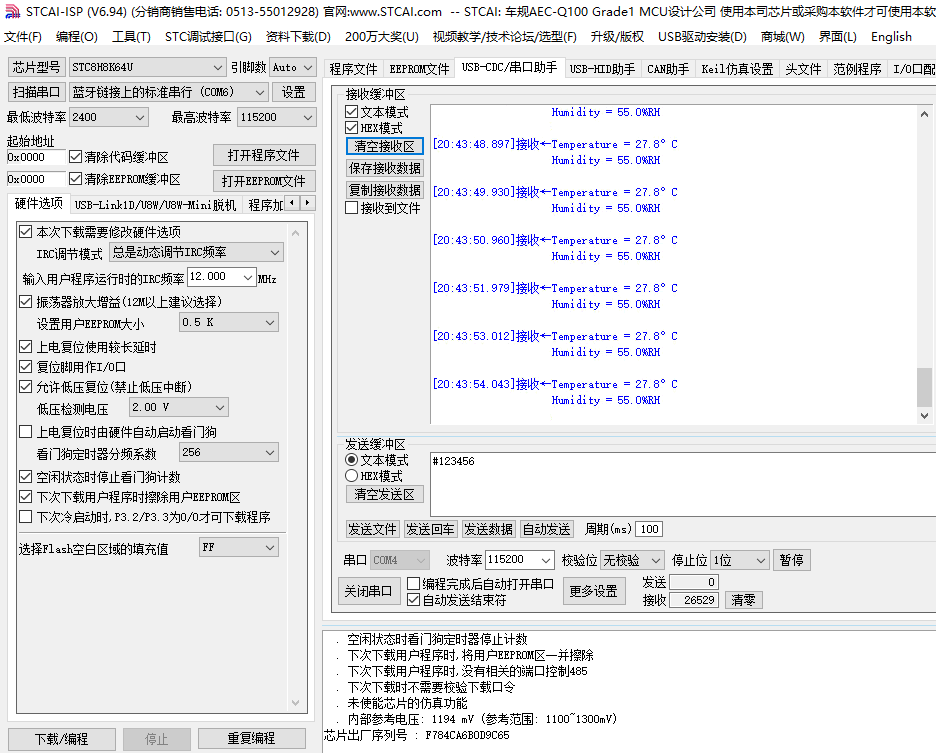
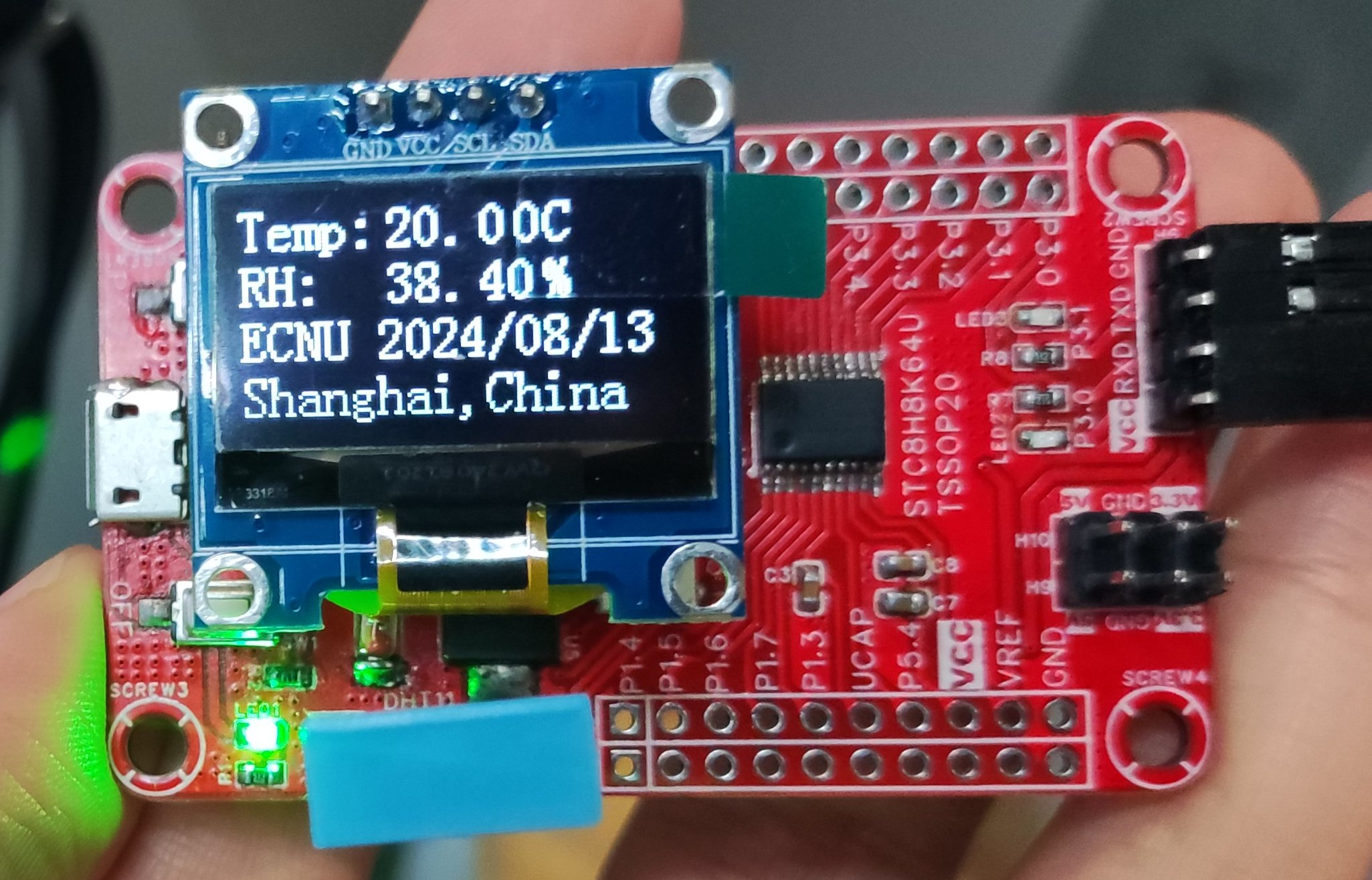
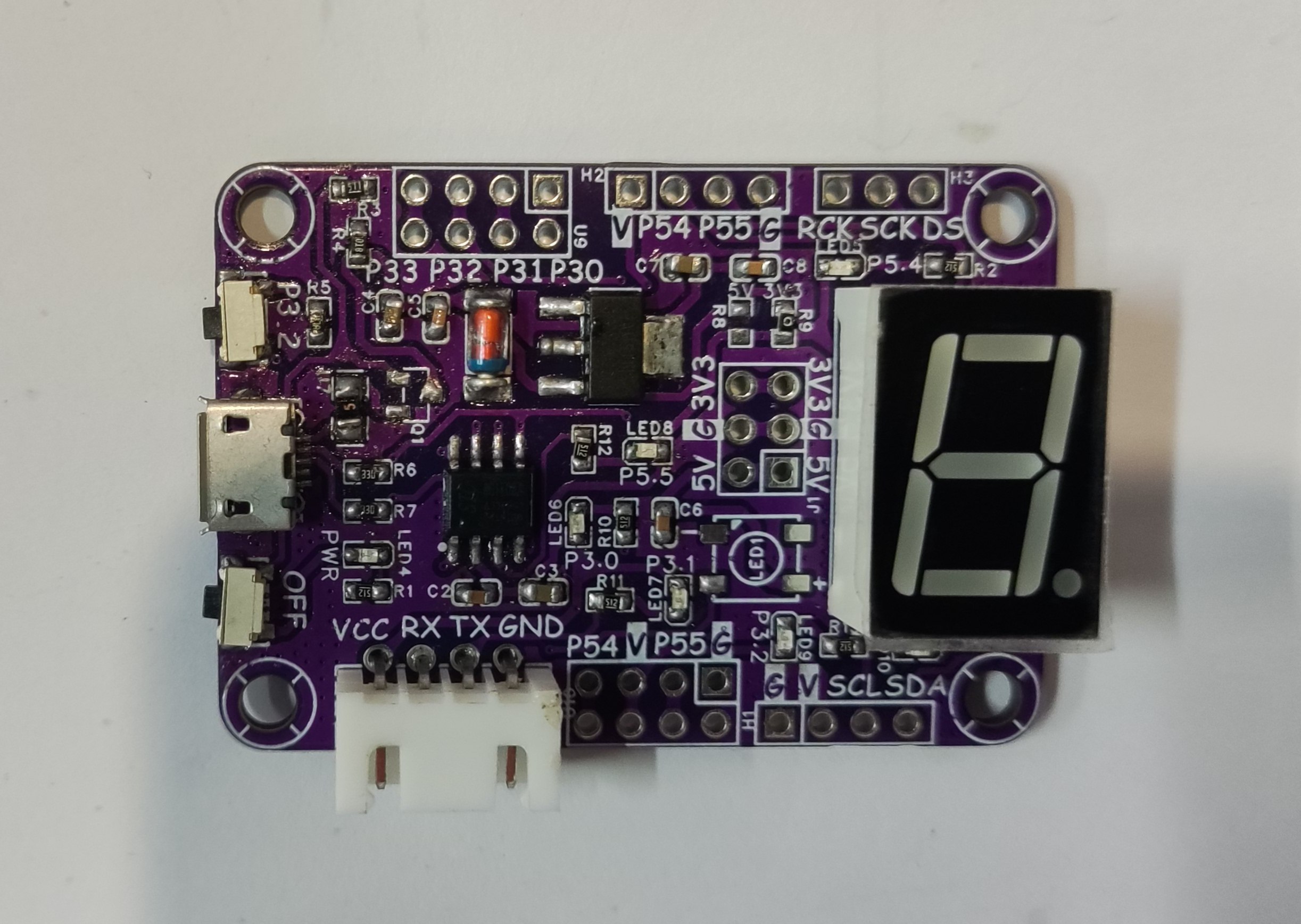
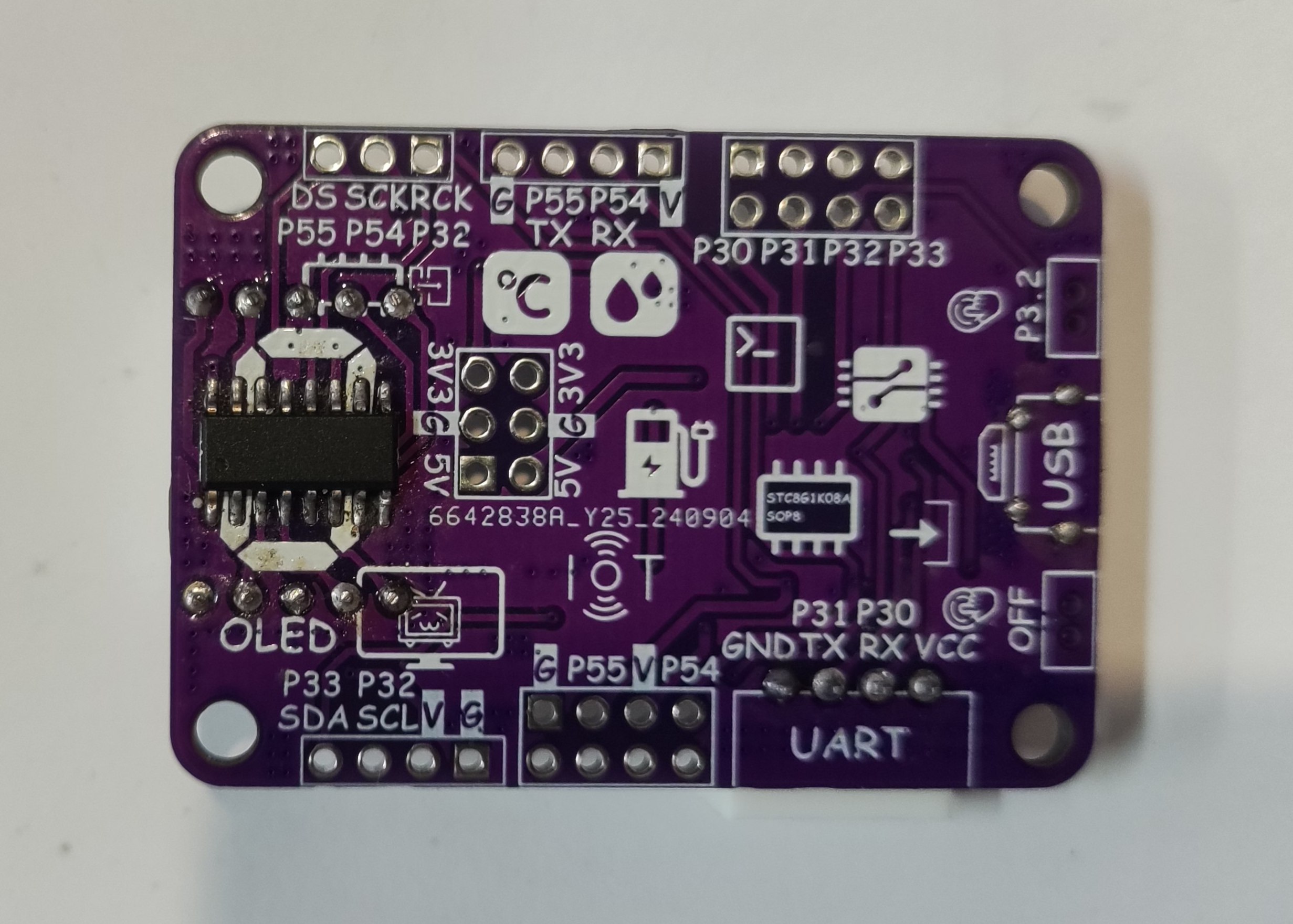 Flashing light program effect shown .)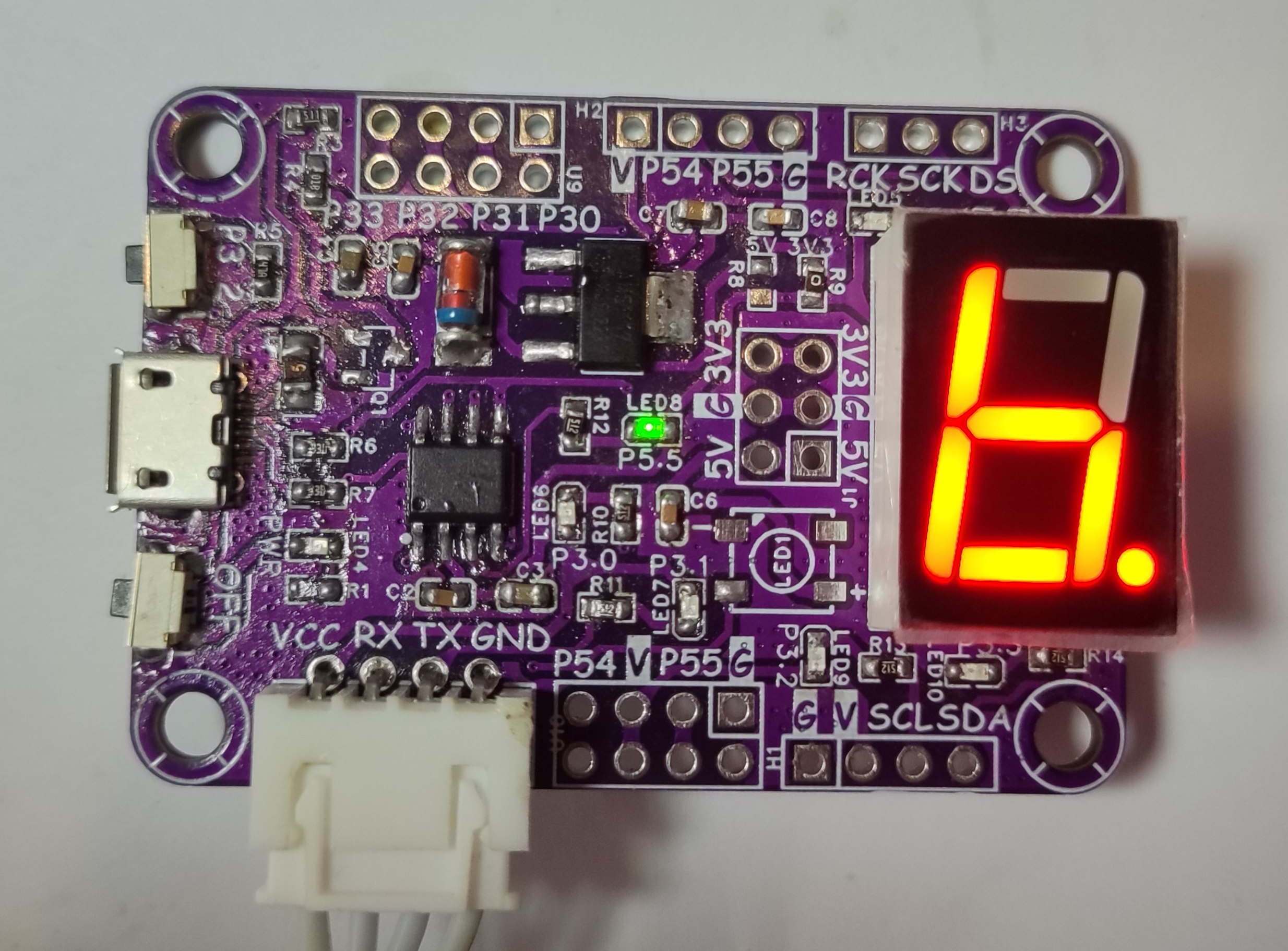

All reference designs on this site are sourced from major semiconductor manufacturers or collected online for learning and research. The copyright belongs to the semiconductor manufacturer or the original author. If you believe that the reference design of this site infringes upon your relevant rights and interests, please send us a rights notice. As a neutral platform service provider, we will take measures to delete the relevant content in accordance with relevant laws after receiving the relevant notice from the rights holder. Please send relevant notifications to email: bbs_service@eeworld.com.cn.
It is your responsibility to test the circuit yourself and determine its suitability for you. EEWorld will not be liable for direct, indirect, special, incidental, consequential or punitive damages arising from any cause or anything connected to any reference design used.
Supported by EEWorld Datasheet
EEWorld
subscription
account

EEWorld
service
account

Automotive
development
community

Robot
development
community

About Us Customer Service Contact Information Datasheet Sitemap LatestNews



Room 1530, 15th Floor, Building B,
No.18 Zhongguancun Street,
Haidian District,
Beijing, Postal Code: 100190
China
Telephone: 008610 8235 0740
 京公网安备 11010802033920号


 2PB709